The Making Of
|
|||||||||
Filmmaker Kim Longinotto talks about the exhilarating feeling of independent filmmaking, the dedication of the women in the film and the surprising things insects in Africa can do.
What led you to make this film?
I’d just made a film in Africa (called The Day I Will Never Forget) and I’d been so impressed by the girls and young women I’d met who were struggling to change traditions and have a better future. I wanted to go back to Africa and make a film about the kind of story that we don’t usually hear about.
How did you gain the trust of the subjects in your film?
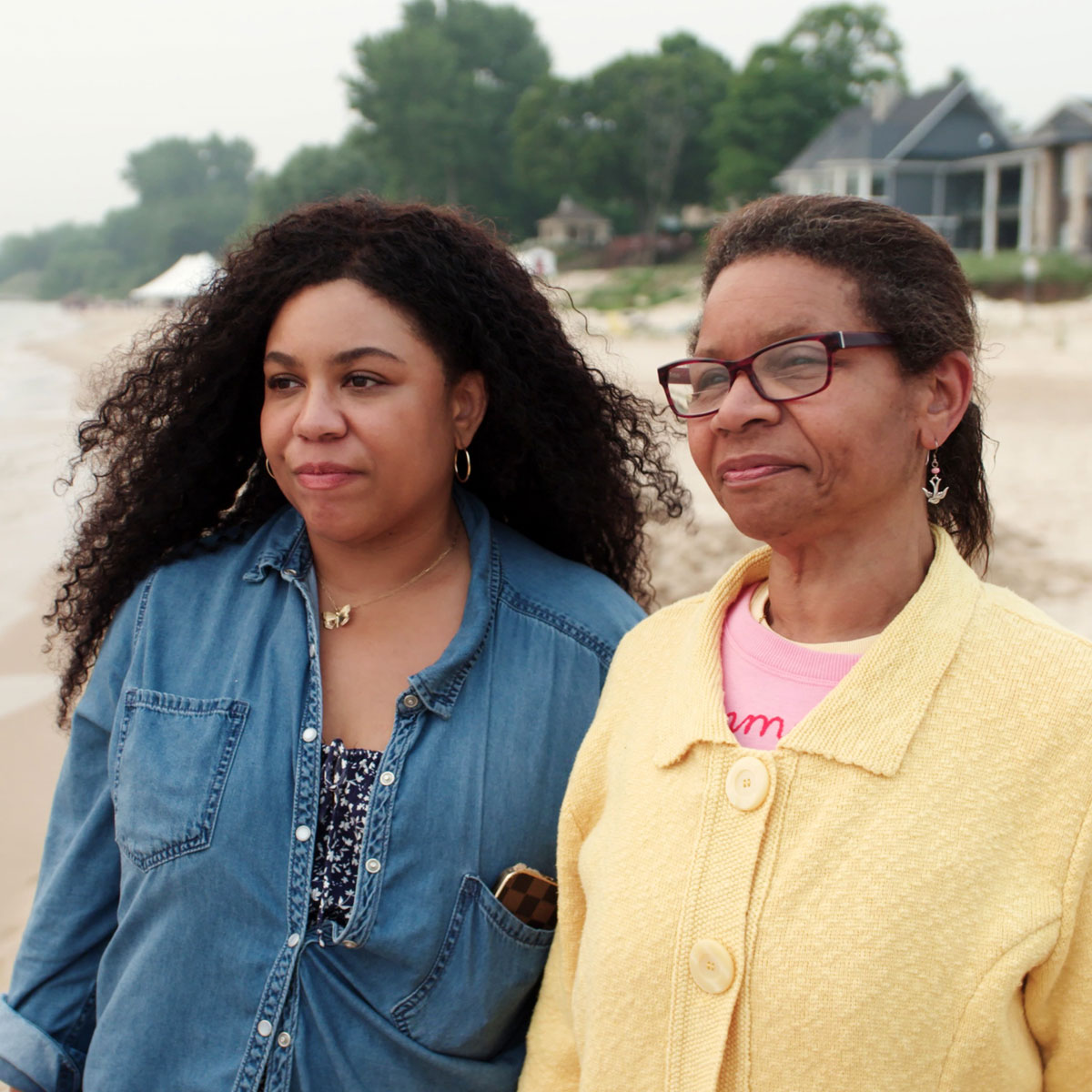
Vera and Beatrice (the state prosecutor and judge) were extremely welcoming and gave us their trust from the start. They were very calm and committed to there being a record of their work. They have been doing it for so long that they feel confident in what they are doing. They have no personal vanity, but they are passionate about the possibility for change and about protecting women’s and children’s rights. Amina and Ladi and the girls in the film who were fighting for justice really wanted their stories told. They found it encouraging to have a witness to their struggles.
Which of the cases covered in the film had the biggest effect on you?
Amina’s story. There are so many women in violent marriages in the UK who don’t have her courage and tenacity. I was so moved that her victory was celebrated by Vera’s class at Buea University when Amina herself had never even been to school.
What didn’t get included in your film that you would have liked to show?
Nothing really. Perhaps some scenes showing what good fun Vera and Beatrice are, how full of life and humor.
Tell us about a scene in the film that especially moved or resonated with you.
Strangely enough, for someone who avoids having “interviews” in my films, it’s the scene where Amina and Ladi tell us about their childhoods and their early marriages. We’d just been sitting and chatting with them, and they asked us about our lives, and then they just started to talk about theirs.
Were there any technical challenges you faced while shooting, and if so, how did you resolve them?
The noise the rain made on the tin roofs drowned the sound. We bought foam from the market and fixed it on to muffle the noise.
Amina and Ladi didn’t have pockets, so Mary made small pouches that they could wear round their waists to put the transmitters in for the radio mics.
We got used to the massive insects, but one day a horrible larva hatched out from my back where I’d been bitten.
What has the audience response been so far? Have the people featured in the film seen it, and if so, what did they think?
Vera and Beatrice have traveled a bit with the film. When they first saw it at the Cannes Film Festival, they both cried and said, “We had no idea it would be a proper film.” Audiences seem to love them and their no-nonsense approach.
The independent film business is a difficult one. What keeps you motivated?
Being there to film those moments where something real and extraordinary unfolds right in front of me, in front of the camera. It is a scary, exhilarating and inspiring feeling.
Why did you choose to present your film on public television?
I hope that lots of viewers will enjoy watching this film and meeting these brilliant people.
What didn’t you get done when you were making your film?
I don’t really do anything else at all apart from making the film. I know that sounds boring, but it’s the truth. I’m just totally focused on making the film—nothing else matters.