|
|
|
NewsHour Extra Something on your mind? -- write a Buzz...
|
|
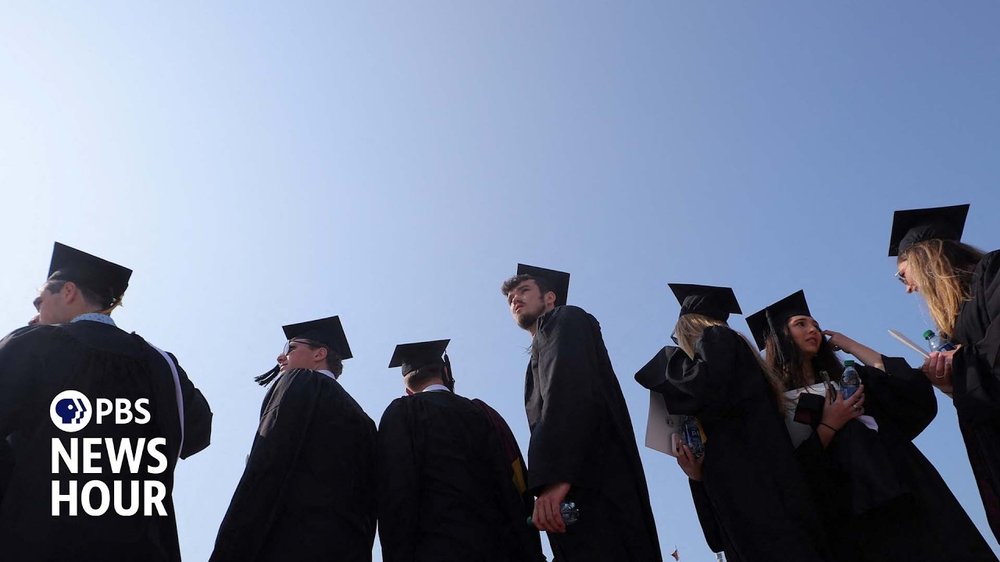
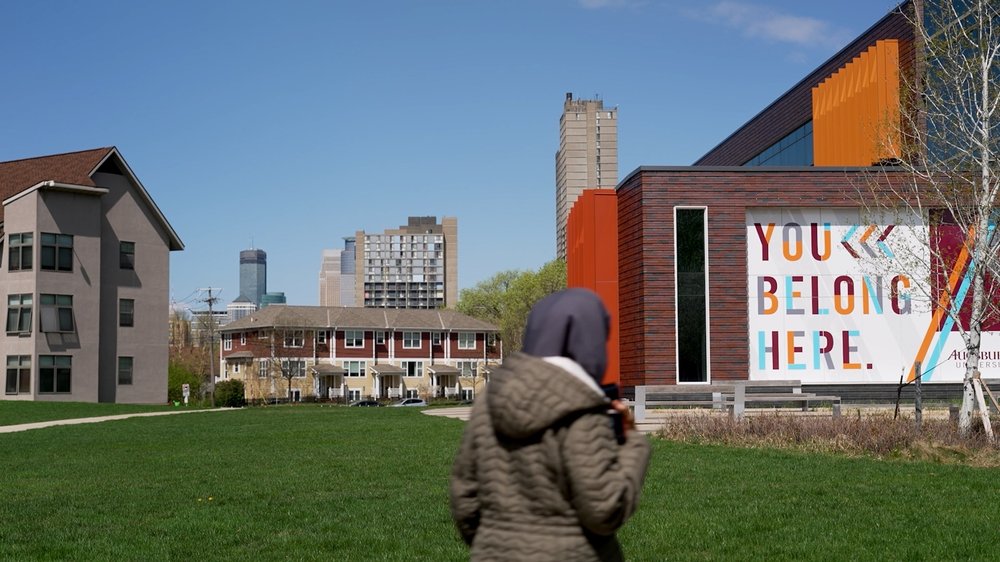
Following the September 11 attacks, many Muslim college students dropped out of school and headed back to their homelands. Administrators polled after the attacks have reported a large departure of Middle Eastern students. More than 30 Arab students left American University in Washington, D.C. and twice as many left from Washington State University. Several of the Muslim students leaving complained of anti-Arab feelings and harassment as the cause. Others left to be close to family. At the request of NewsHour Extra, Muslim students from Washington State University in Pullman, WA are sharing their experience of life after 9.11.
How We See It... Before September 11, the typical day for a Middle Eastern student involved class, exams, weekend football games, intramural soccer, going out with friends at night, and simply feeling like a part of the community. After September 11, things changed. More than 65 Middle Eastern students began the process of leaving Washington State University. The students decided to leave to respect their parents' wishes, and because of the insults and harassment that they had experienced or feared facing in the near future. Many of these students had just arrived in Pullman a few weeks earlier to begin their education at WSU. Our community is a typical college town situated in the middle of wheat country in southeastern Washington State. For those who decided to stay, there was tension on the campus at Washington State University as students looked to point blame. Middle Eastern students on campus were no longer a part of the community. Similar to World War II and Vietnam, the public openly showed their dislike for the "enemy." Middle Eastern students faced accusatory stares from across the room, as anti-Arab graffiti appeared on sidewalks, and racist comments became a daily occurrence. One of the many incidences was directed towards one United Arab Emirates student who had just recently come to WSU. As the student was walking from his car into a grocery store with his friends, he actually faced outward violence. He was speaking Arabic on his cell phone to his family when a complete stranger came up to him, knocked his cell phone out of his hands and proceeded to say, "next time speak in English," and he continued to walk to his car. The student’s friends confronted the man right away, asking why he did that. The man said, "go back to your country…I’m going to kill you." These students then called the police and the man was arrested. As one Middle Eastern student simply stated, "it hurts me inside," which has become the plea of many. As Middle Eastern students, what we want everyone to understand is that we have hearts, too. We are in mourning and disbelief just the same as all Americans. Although these incidences occurred, many Middle Eastern students decided to stay because they have developed an attachment to this area. Many call Pullman their "second home" and others were brought up in this very community as U.S. citizens. To counteract these incidences, the university and numerous people in the community have shown Middle Eastern people a lot of support and kindness through words and deeds. For example, over 500 visitors stood in line to attend an open house held at the Pullman mosque shortly after the tragedy. It is also important
to note that the negative incidences that did occur were not representative
of the majority of the university and community. We are joined in
sympathy for the innocent victims and in our condemnation for the
deeds unimaginable. |
PBS Online Privacy Policy | Contact Us | Our Mission | FAQ Copyright © MacNeil-Lehrer Productions All Rights Reserved |