|
In its latest document dump, WikiLeaks released 250,000 secret “cables” written by U.S. diplomats, people who communicate and negotiate with other countries’ governments. Cables are classified electronic communications, like e-mails, sent between diplomats about their negotiations.
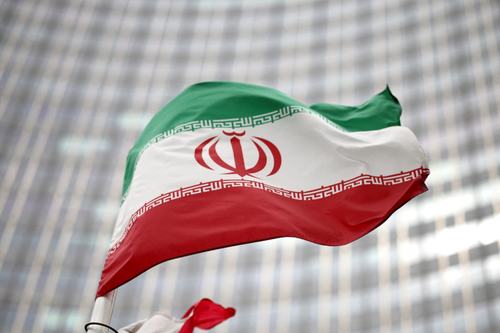
Many of the released cables were an embarrassment to the State Department, which is the country’s main diplomatic office headed up by Secretary of State Hillary Clinton. The documents contained sensitive references to foreign heads of state. One letter called Italian Prime Minister Silvio Berlusconi “feckless, vain, and ineffective” and another branded Russian President Dmitry Medvedev “Robin” to Prime Minister Vladimir Putin’s “Batman.” Some cables contained inside information about diplomatic operations in Pakistan, Iran and Yemen that embarrassed Arab leaders because it showed that what they were saying publically was different than what they were telling U.S. diplomats.
Transparency vs. security
 |
 |
 |
 |
 |
 |
 |
 |
 |
 |

Many governments believe that the actions of WikiLeaks founder Julian Assange endanger people's lives and national security. |
 |
 |
WikiLeaks founder Julian Assange, who has alternately called himself a computer hacker, a journalist and a publisher, told Forbes magazine that he believes transparency, or making secret information public, can only improve the world and the free market system.
“You end up with a situation where honest companies producing quality products are more competitive than dishonest companies producing bad products,” Assange said. “And companies that treat their employees well do better than those that treat them badly.”
But many of the world’s governments believe that Assange’s practices are illegal and endanger national security. Human rights groups such as Amnesty International asked WikiLeaks to censor secret files on the Afghanistan war to protect civilians who've worked alongside the U.S., but there are still reports that the Taliban is taking revenge on individuals exposed by the documents.
One of Assange’s former computer hacker compatriots is currently working for the U.S. Department of Defense, trying to stop document leaks from occurring. Assange, on the other hand, said he believes “stopping leaks is a new form of censorship.”
Is WikiLeaks illegal?
 |
 |
 |
 |
 |
 |
 |
 |
 |
 |

U.S. Attorney General Eric Holder is looking for ways to prosecute WikiLeaks founder Julian Assange for leaking secret documents. |
 |
 |
Following the latest WikiLeaks release, the Obama administration began exploring ways to prosecute Assange using a law called the Espionage Act. The Espionage Act was passed in 1917 and prohibits any interference with military operations.
Legal scholars say it will be difficult to apply a law passed during World War I to today’s Internet-based global community. Assange’s whereabouts are currently unknown. He is an Australian citizen who might not be able to legally be tried in the U.S. (However, he is currently wanted by the international police agency Interpol on separate rape charges in Sweden).
In the past, the U.S. has only prosecuted those responsible for providing leaked information, not those who pass it on. A 22-year-old private in the U.S. Army, Bradley Manning, has been charged with giving WikiLeaks classified documents about the wars in Iraq and Afghanistan. Authorities suspect that Manning also leaked the recent diplomatic cables.
U.S. lawmakers call for Wiki-Leaks shutdown; Iceland provides a haven
 |
 |
 |
 |
 |
 |
 |
 |
 |
 |

Iceland passed a law allowing legal protection for whistleblower websites and publications like Wikileaks. |
 |
 |
Meanwhile, U.S. Senator Joseph Lieberman has called for the WikiLeaks website to be shut down, and Amazon.com, the company that had hosted the site on its servers, stopped doing so. But Wikileaks has since moved to another server, and the American government has little power to remove the site permanently, according to many legal scholars. They say that even though some of the material on the site may have been obtained illegally, not all of it breaks the law, and shutting the whole site down could violate the Constitution’s First Amendment.
The Scandinavian country of Iceland is providing a haven for whistleblower websites like WikiLeaks; its parliament recently voted to offer them legal protection in the interest of preserving free speech and freedom of the press. In November, Assange and WikiLeaks founded a new company in Iceland, presumably to take advantage of the country’s whistleblower-friendly policies.
|