|
|
NewsHour
Extra: Your Educational Future: The Bush proposal to help fix U.S. schools. (1/24/01) Inauguration
2001: President Bush begins his term as the 43rd U.S. president.
The
World Ahead: The international challenges faced To
Share and Share Alike: What will a 50/50 Senate NewsHour Special Features Outside
Links: Classroom activities: The President: Politician in Chief
|
Why
100? If you've ever been employed, you know how important it is to make a good first impression on the job. If you mess up as a newbie, you (and your boss) may never get over it. The job of America's commander-in-chief is no different. Historians, politicians,
reporters and the American public want to get to know their new leader
-- his personality, his ideas, his habits and ways of talking -- so
they watch the early days very carefully. Those crucial first
100 days can set the tone for the rest of a president's term and provide
clues to what's to come in the next four years.
Since taking office on Jan. 20, George W. Bush has dealt with the environment, taxes, and education, met with leaders of foreign nations, appointed dozens of officials and managed a high-profile standoff with the world's most populous country. One of his first actions, on day three in office, was blocking U.S. Funds to international family-planning groups that offer abortion and abortion counseling. The order frustrated many pro-choice supporters, but was not a surprise considering Bush's well known antiabortion stance.
On day 10, the president created an office to distribute government money to religious groups that provide job training, treatment for alcohol and drug addiction, and other social services. Some activists said the "charitable choice" program violated the separation of church and state. Surprisingly, some religious activists also criticized it. They said that accepting government money would give the government control of their activities. The proposal has faded into the background. On day 20, President Bush sent his record-setting $1.6 trillion tax cut plan to Congress. Military matters occupied the next week or so. On day 24, Bush proposed increasing military spending by $5 billion. That money would go for pay raises, housing and insurance benefits for people in the military.
The day after that, President Bush ordered military strikes against Iraq. American bombs destroyed radar stations near the capital, Baghdad, killing two people, according to the government of Iraq.
On Day 40, President Bush sent his $1.96 trillion (that's 11 zeros) budget for 2002 to Congress. It was hundreds of pages long. Overall, the budget increases spending by 4 percent -- about half as big an increase as his predecessor, Bill Clinton, signed. The Bush budget included the biggest spending increase ever for education: 11 percent. But the budget also reduces money for research on energy conservation, eliminates funding for an anti-drug program for public housing, and ends a program protecting coastal lands. On day 50, Bush advisers said they supported reducing carbon dioxide emissions from coal-burning power plants to fight global warming. But eight days later, President Bush reversed this policy, saying "greener" plants would cost power companies too much money. On day 60, the administration reversed a rule reducing the levels of arsenic in drinking water.
On day 73, a U.S. Spy plane collided with a Chinese fighter jet off the coast of China. The Chinese pilot was killed, and the damaged American plane had to make an emergency landing on unfriendly Chinese soil. Twenty four U.S. Crew members were held there for 11 days. The U.S. And China blamed each other for the crash and the standoff lasted for nearly two weeks.
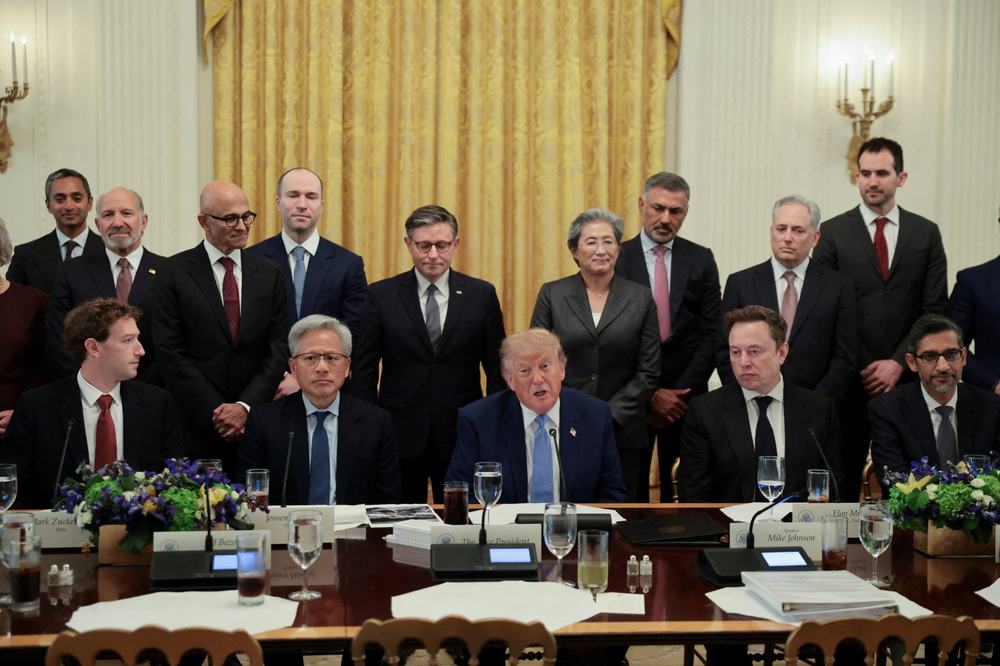
On days 87 and 88, the president announced he would follow through on two Clinton administration policies: protecting 20,000 acres of wetlands and 150 miles of streams from development and require businesses to let the public know how much lead they release into the air and water. On day 91, President Bush began a three-day summit with 34 leaders from North, Central and South America. At the summit, Mr. Bush urged creating a huge "free trade zone" from the Arctic to Argentina. 100 Handshakes Since Mr. Bush took office, he's meet with every Western Hemisphere leader except Fidel Castro of Cuba.
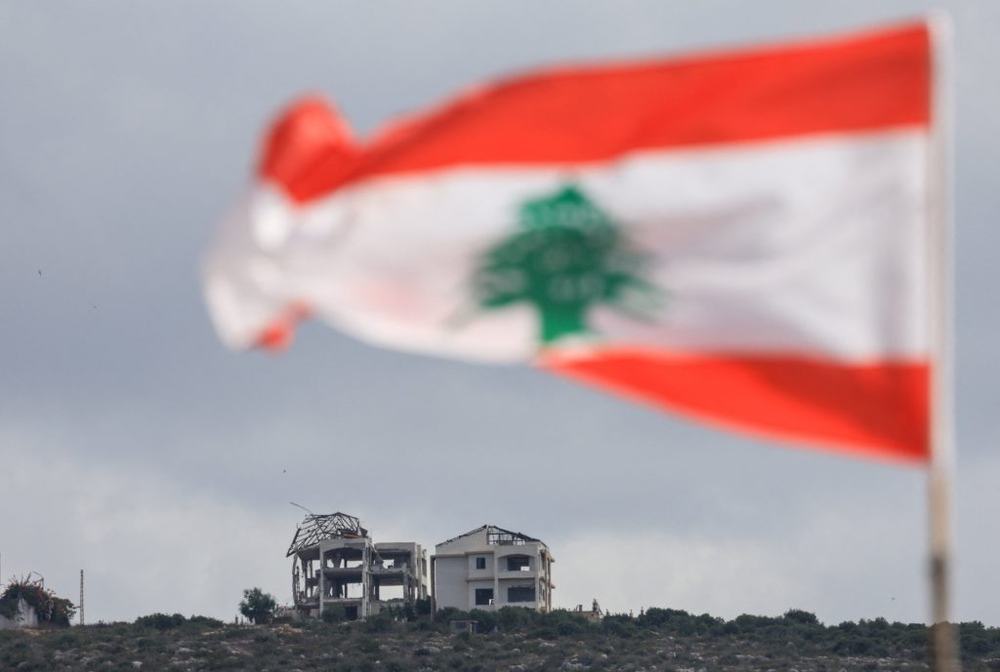
Bush has also met with leaders from the Democratic Republic of Congo, England, Germany, Jordan, Lebanon,South Korea and Uruguay. By phone, the president has spoken with leaders of Armenia, Azerbaijan, Ireland, Morocco and Russia. On May 1, the president's 100th day in office, he will hold a lunch for all 535 members of the Senate and the House of Representatives. The First 100 A presidential term lasts 1,460 days, so what's so important about the first 100? Ask Franklin D. Roosevelt, America's 32nd president. His legacy is built on those 100 days. When President Roosevelt took office in 1933, the U.S. was in the middle of the Great Depression: the stock market had crashed and thousands of people were out of work. Almost overnight, rich people became poor and poor people became homeless. Immediately upon taking office, Roosevelt set the U.S. on a 100-day course to recovery. In those 100 days,
Roosevelt (AKA: FDR) introduced dozens of new policies reforming banking
and industry. The U.S. economy did eventually recover and these early
sweeping changes became part of FDR's legacy. Hard times called for
drastic action, he said, and he would do it in 100 days.
|
PBS Online Privacy Policy | Contact Us | Our Mission | FAQ Copyright © MacNeil-Lehrer Productions All Rights Reserved |