NewsHour Extra:

Economic Downturn: The U.S. economy goes into recession. (11/14/01)

Charge it!:
How credit can both help and hurt you. (4/17/01)

Student Buzz:

The Last Laugh:
What I would do if I ran Enron...
(1/30/02)

Browse NewsHour coverage of Transportation and Energy Deregulation

Outside Links:
Extra is not responsible for the content of external Internet sites.

Enron

Arthur Andersen

The Treasury Department

The Securities and Exchange Commission


Not Business as Usual
January 30, 2002

There are certain companies you think will always be there. Microsoft, Nike and McDonalds seem too big and powerful to ever run out of money.

That's the way many people felt about a company called Enron. Enron is a huge power company that traded electricity, plastics, Internet connections and more-- in the U.S. and around the world. It reported earning $100 million in 2000 and according to the stock market, it was worth billions of dollars.

    Not sure what bankruptcy is? Click here.
     

But now, Enron is the largest company ever to go bankrupt in U.S. history.

Here's what happened:

Company officials used secret investments and tricky math to make Enron appear stronger than it was.

This made the stock price go up and up and up.

The insiders, who knew the real picture, sold their stock when the price was high and made millions of dollars.

When word got out that Enron was not as successfull as it claimed, the value of the company fell.

Enron LogoThousands of investors were left holding worthless stock, and many lost their life savings.

The collapse has made many Americans lose confidence in the stock market. If such a "successful" company abuses the trust of investors, what's to say other companies aren't doing the same thing?

There are also questions about whether Enron's donations to President Bush and other politicians influenced energy policy in the U.S.

How Enron cooked the books

Enron's story is similar to many large companies during the late 1990s. Rapid growth created excitement among investors and their stock price rose beyond what it was worth.

    Video on Enron's questionable math:
Click here to Play


In order to keep growing at this rate, Enron began to borrow money to invest in new projects. Enron then created partnerships to keep the debt off its books.

One partnership created by Enron, Chewco Investments (named after the Star Wars character Chewbacca), allowed Enron to keep $600 million in debt off the books it showed to the government and to people who own Enron stock.

When this debt did not show up in Enron's reports, it made Enron seem much more financially successful than it actually was.

A Hard Fall

In December 2000, Enron claimed to have tripled its profits in two years. Soon after, there were warning signals about the truth behind those claims.

In August 2001, Enron vice president Sherron Watkins sent an anonymous letter to the Chief Executive Officer of Enron, Kenneth Lay, describing accounting methods that she felt could lead Enron to "implode in a wave of accounting scandals."

    What is "stock"?
Click here.
     

At the same time, Lay sent e-mails to his employees saying that he expected Enron stock prices to go up. Meanwhile, he sold off his own stock in Enron.

The collapse began in October, when Enron announced a loss of $638 million.

In November, Enron said that it had overstated earnings for the past four years and it now owed over $6 billion.

With these announcements, Enron's stock price took a dive.

Since Enron had made deals based on the assumption that the stock would go up, it suddenly had to repay lots of money.

When Enron could not come up with the cash, it declared bankruptcy.

Almost overnight, thousands of Enron Power Plantemployees were out of work and thousands of people who invested in Enron lost millions of dollars-- some even lost their life savings.

Former Enron employees have filed lawsuits against Enron officials, but it is unclear whether employees who lost everything will win any of it back.

And perhaps one of the most tragic consequences was the suicide of a man who had protested Enron's book-keeping practices, but who ended up selling stock and making millions of dollars, J. Clifford Baxter, the former vice chairman of Enron's Board of Directors.

Political questions

Another consequence of the failure may be new laws that change how much money big businesses can give politicians.

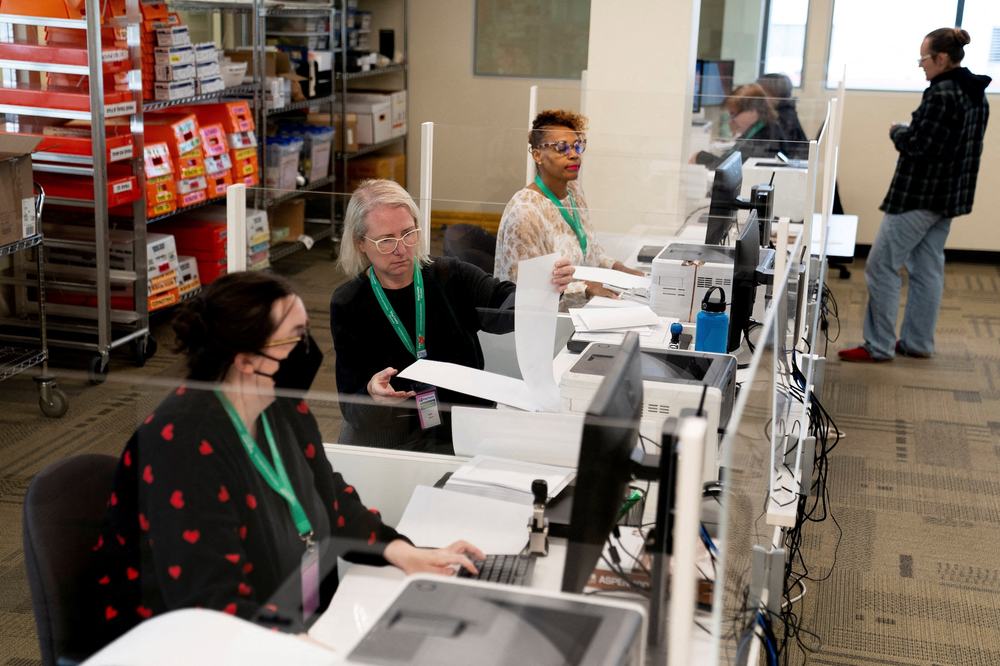
Enron gave over $5 million to campaigns since 1998. Out of the 248 elected officials investigating Enron's collapse, 212 received campaign contributions from Enron or its Government Hearingaccounting firm, Arthur Andersen.

Several members of Congress have now given the money they received from Enron to charity or to a fund set up to assist former Enron employees.

Enron donated money to George W. Bush's campaign and Kenneth Lay was a close friend. This week, a congressional watchdog agency announced that it will sue Vice President Cheney to get records of meetings he had with Enron officials. The agency is investigating whether the company was able to influence the energy policies of the United States government.

So what happens now?

Because Enron's bankruptcy affects so many people, different parts of the government will continue to investigate what happened and what they can do to prevent similar problems in the future.

President Bush has asked the Secretary of the Treasury, Paul O'Neill, to consider creating restrictions on how much of an employee's retirement savings can be locked into their own company's stock.

Another great area of concern is the need for reform in accounting practices. Enron Headquarters

Unfortunately, Enron is not the only company using highly complicated accounting methods to make its finances look stronger than they really are.

Lawmakers are considering whether to make new laws to better regulate accounting practices.

The new CEO says Enron will survive its bankruptcy, but the far-reaching effects of the Enron collapse might outlast however long the company does last.

And one thing is clear: "business as usual" will change for American companies from now on.

Story contributed by Elisabeth Bauman

What do you think?