| |  |
 |
 |
 |
 | Ten
Years After Apartheid, South African Voters Face Jobs, AIDS Issues |
Posted:
04.12.04 |  |
 | Ten
years after the end of apartheid, South Africans assess the state of their nation
as they head to the polls for national elections.
Printer-friendly versions: HTML
/ PDF
|  |
 |
 |
 | On
Wednesday, South Africans will head to the polls to vote in the country's third
democratic election since its independence ten years ago. The African National
Congress, or ANC, South Africa's ruling party, is expected to remain in power. The
election coincides with nationwide celebrations of the tenth anniversary of the
end of apartheid -- the policy of racial segregation enforced by South Africa's
white minority government from 1948-1994. |  |
 |  |  |  |
 | South
Africa since apartheid |  |
 |
 |
 |
 | For
South Africa, a decade of self-rule has brought innumerable changes to the country,
including a complete overhaul of government services, a democratic constitution
grounded in human
rights, and free press including newspapers, radio and television stations. But
the legacy of apartheid has not yet been obliterated in a country where half the
population still lives below poverty level and where wealth remains divided along
color lines. The last ten years have
brought vast improvements in housing, water and electricity, as well as political
stability and international support, but South Africa is still, as President Thabo
Mbeki observed, a country of "two nations" -- one mostly white and rich,
and one mostly black and poor. In addition, South Africa faces massive unemployment,
rising crime, and -- especially devastating -- one of the highest rates of HIV
in the world.
On Sunday, Mbeki told voters that his party would fight to overcome
the problems plaguing the country.
"These are today's enemies that we must defeat in the same
way we defeated apartheid," Mbeki said, according to South Africa's
Sunday Times.
Mbeki
has pledged to continue the work begun by South Africa's first president, Nelson
Mandela, focusing on the rebuilding of the economy and infrastructure through
existing policies and programs that encourage businesses, provide job training
and empower the population.
"The task we will all face during the
decade ahead will be to ensure the vigorous implementation of these policies,
to create the winning people-centered society of which Nelson Mandela spoke,"
Mbeki said in his State of the Nation address in February. |  |
 |
 | The
opposition |  |
 |
 |
 |
 | But
critics like Tony Leon, who heads the Democratic Alliance, the main opposition
party in the South African Parliament, says that the ANC has done too little to
help the South African people improve their situation. Promising
to create a million jobs and reduce crime, Leon, who is white, has set a goal
of winning 30 percent of seats in the National Assembly for the DA, which has
joined forces with the Inkatha Freedom Party, another opposition group, to woo
voters away from the ANC.
Leon will most likely earn the majority of white
voters' support, but since whites only make up 13 percent of South Africa's population,
the real task for the DA is to win over the support of black voters. |  |
 |
 | Will
they succeed? |  |
 |
 |
 |
 | The
ANC, the party of former president and Nobel Prize recipient Nelson Mandela and
current president Thabo Mbeki, is by far the most popular of the nearly 150 registered
political parties in South Africa, where individual voters cast their ballots
for parties rather than individual candidates. Nearly two-thirds of South
Africa's 27 million registered voters are expected to stay in the ANC fold. The
party may even increase its support base in rural areas like KwaZulu-Natal, thanks
partly to the improvement of services in the region since the ANC took power,
and partly to the decline of political violence, which allowed ANC to get its
message to voters there for the first time.
Of
particular concern is the response to the devastating toll HIV
and AIDS is taking on the country. Mbeki raised a storm of international
controversy several years ago by publicly expressing doubt about
whether HIV causes AIDS (it does).
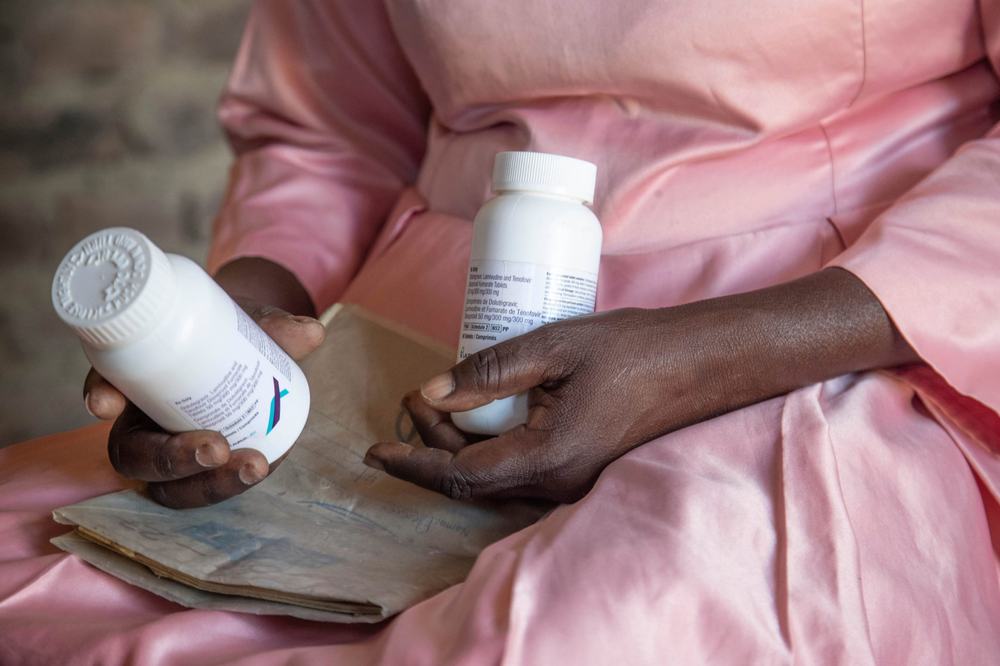
Antiretroviral
medications are still widely unavailable to the 20 percent of the adult population
that is HIV-positive, despite an ambitious government plan rolled out in February.
Estimates for the next ten years put the death toll from AIDS-related diseases
in South Africa as high as 6 million. --
Amy Brill, Online NewsHour |  |
 |
 |  |  |  |
|  | |