Civil War in Liberia, 7/9/03
http://www.pbs.org/newshour/extra/features/july-dec03/liberia_7-09.html

Related Lesson Plan
http://www.pbs.org/newshour/extra/teachers/lessonplans/world/liberia_7-09.html


President Bush, currently on his first official visit to Africa, has not yet decided what role the United States will play in civil-war torn Liberia.

An ongoing civil war in the West African nation Liberia has left one million civilians homeless and drawn countries around the world, including the United States, into a debate about how to help the nation.

President Bush, currently in Africa on a five-day trip to highlight U.S. efforts on the continent, must now decide whether to join Britain, Pakistan and Nigeria and a series of West African nations in sending peacekeeping troops to help stabilize the embattled country.

A country with an American connection

Liberia has a long and complicated relationship with the United States.

African Americans, both emancipated slaves and freeborn individuals, settled in the area as early as 1822. Many came to coastal West Africa drawn by the promise of freedom and opportunity. In fact, the name Liberia means, "land of freedom."

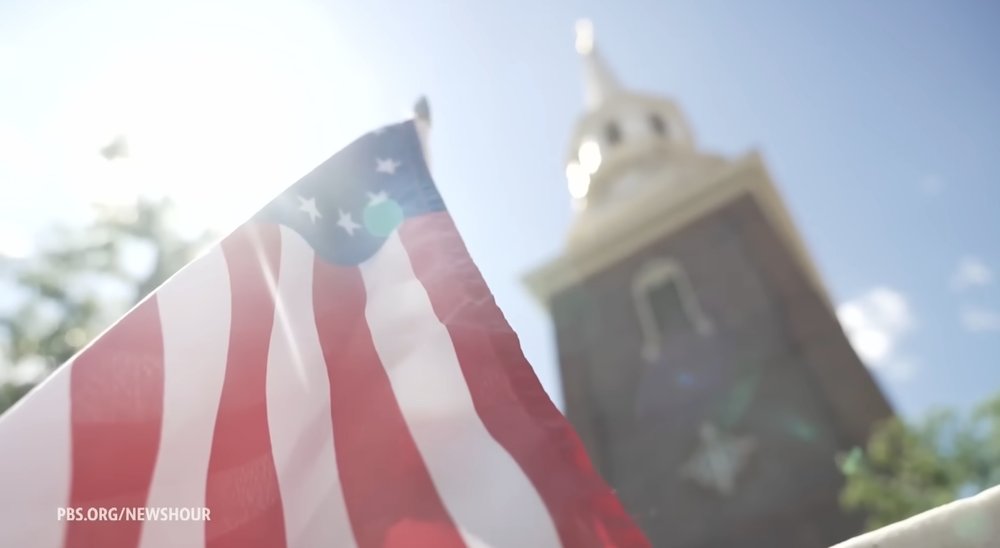
Liberia declared its independence in 1847 and named its capital, Monrovia, after American President James Monroe. The flag, consisting of red and white stripes and a blue square in the corner with one white star, echoes the U.S. flag.

During the early 1900s, U.S. companies exploited Liberian resources, often at the expense of Liberian financial independence. Liberia supplied much of the rubber needed as the U.S. automobile industry grew.

Liberia also played a critical role in many of America's conflicts in the area. The United States used the country, which was strategically located, as a staging point for supplying troops during World War II and for the prevention of communism in Africa in the 1980s.

Because of this connection with the U.S., many Liberians have looked to the U.S. to help and some have criticized the U.S. for not intervening in their civil war sooner.

A nation in conflict

Although the roots of the civil war go back more than 20 years, the latest fighting erupted four years ago.

The rebel group Liberians United for Reconciliation and Development (LURD) launched a war against the government of Charles Taylor, a former rebel leader elected president in 1997.

Many members of LURD fought against Taylor in the civil war in the early 1990s. At the end of that fighting in 1996, Taylor emerged the most powerful of the rebel leaders and was elected the next year.

The Movement for Democracy in Liberia (MODEL), an offshoot of LURD, joined the fighting in early 2003.

Membership in rebel groups often falls along ethnic and cultural lines: last names frequently determine on which side men and boys fight.

Often refugees fleeing into neighboring countries -- even young children -- are recruited by rebel groups or armies across the region and forced to fight.

"Our status is unclear, the government accuses us of being rebels, and rebels accuse us of being with the government," Dao Kamara, a Liberian refugee who fled to Ivory Coast during the first wave of fighting back in 1990 told BBC News.

According to the UNHCR, the United Nation's refugee agency, the most recent fighting near the capital Monrovia has forced thousands of civilians and refugees from neighboring countries to flee. Many have moved into the capital to avoid fighting in the countryside.

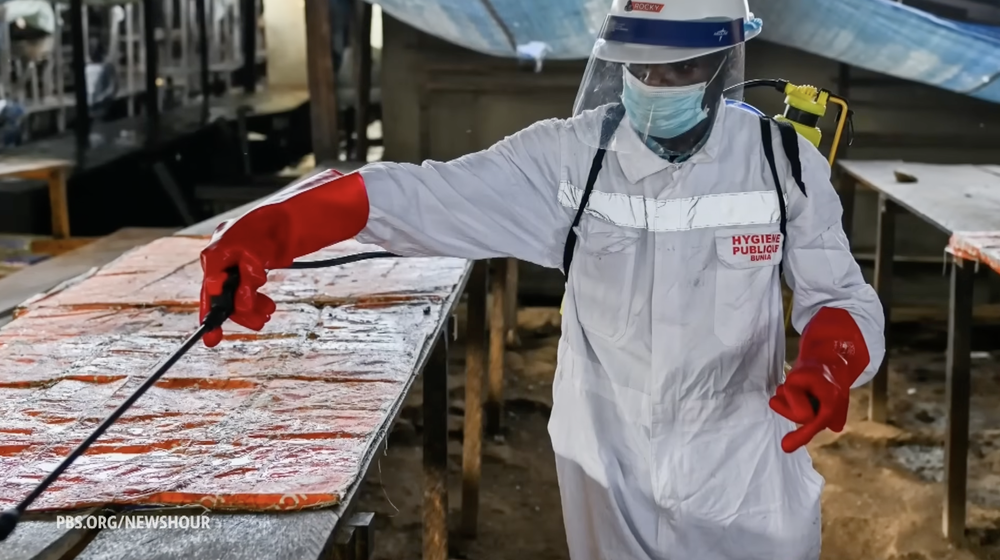
In addition to being caught in the cross fire between rebel groups and the government, many civilians lack decent living conditions, food or healthcare. A cholera outbreak is spreading.

The three warring groups had signed a cease-fire agreement on June 17, but the fighting has since continued. LURD said that the peace accord promised that Taylor would step down from power within 30 days. Taylor has denied agreeing to leave.

Will the United States intervene?

Last week President Bush called for Liberian President Charles Taylor to step down, but stopped short of committing troops.

But getting Taylor to leave may be complicated by the fact that he stands indicted of war crimes for his role in the bloody civil war in neighboring Sierra Leone. The U.N. Special War Crimes Court has indicted Taylor on 17 counts of crimes against humanity including mutilations, rape and murder and he fears he will be arrested if he leaves his country.

President Bush has not yet announced whether he intends to send peacekeeping troops to civil war-torn Liberia.

"We're in the process of determining what is necessary to maintain the cease-fire and to allow for a peaceful transfer of power," the president told reporters.

In a standoff between the two presidents, President Bush has said that he will not send intervention troops until Taylor steps down. But Mr. Taylor told the New York Times on Monday that he would step down only after peacekeeping troops arrive.


By Annie Schleicher, NewsHour Extra


© 2003 MacNeil Lehrer Productions