| As the U.S. economy slows
in part from a lagging housing market, the rate of inflation, which is the rate
of increase in the price of food, goods and services, is also rising. So
while many Americans are worried about keeping their jobs, they are also paying
more for gas, food, clothing and services such as medical care, hotels and restaurants. This
potent combination has the potential to create a serious negative effect on both
the U.S. and worldwide economies. Recession already here?
 |
 |  |  |  |
 |
 |  |  |
 |

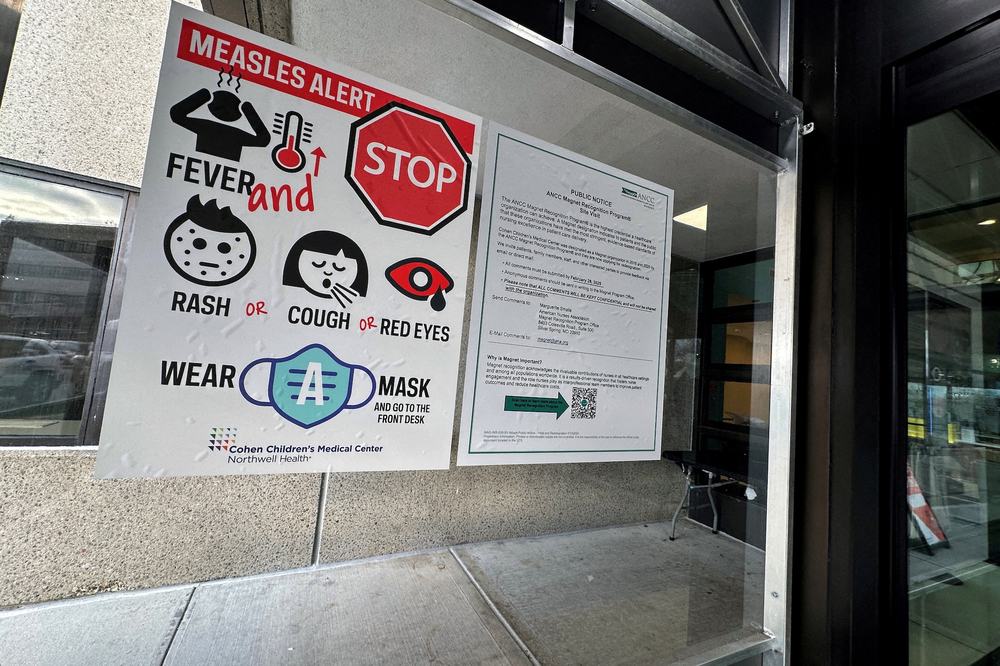
Manufacturing production in factories has slowed, especially in the mid-Atlantic
region. |  |
 |
A recession, which is defined by
at least a two-month period of negative growth in the economy, could already be
a reality in some parts of the U.S., financial experts say. "It's not
coming, it's here," economists for UBS Bank said in a recent research report,
Reuters reported. The bank estimates that the U.S. economy is in a mild recession. Important
economic indicators, like a rise in the number of people applying for unemployment
benefits and a fall in production levels at factories, added to the evidence that
the U.S. economy is shrinking "The data together are mutually reinforcing
that the economy is in recession," Eric Green, an economist at Countrywide
Financial, told Reuters. Government reaction
 |
 |  |  |  |
 |
 |  |  |
 |

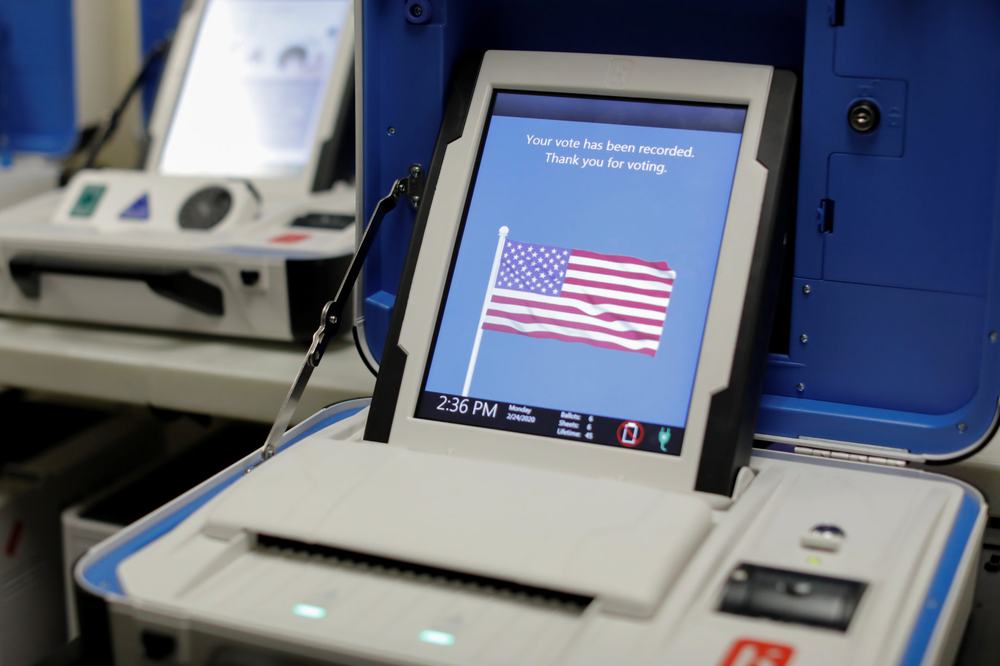
Mortgage rates are falling, but selling a house is still very difficult in most
housing markets. |  |
 |
Concern in the business and government
sectors about a possible recession have hurt overall confidence in the economy
and spurred different arms of the federal government to take action to encourage
new growth. Congress and President Bush have already approved a $168 billion
economic stimulus package that will send out tax rebate checks to millions of
Americans, in the hopes they will spend that money and help the economy rebound. The
other tool the federal government has been using is its control over interest
rates or the rates banks charge to loan money. The U.S. Central bank, the Federal
Reserve, can lower interest rates to encourage people to borrow money. "Over
time, (the Federal Reserve officials) hope that it will make it more attractive
for people to borrow. Recently, for instance, mortgage rates have been coming
down, and people have been refinancing again. And so they hope that, over time,
this will stimulate borrowing, stimulate spending, and offset some of the depressing
parts of the economy," Wall Street Journal economics editor David Wessel
told the NewsHour. Inflation threat
 |
 |  |  |  |
 |
 |  |  |
 |

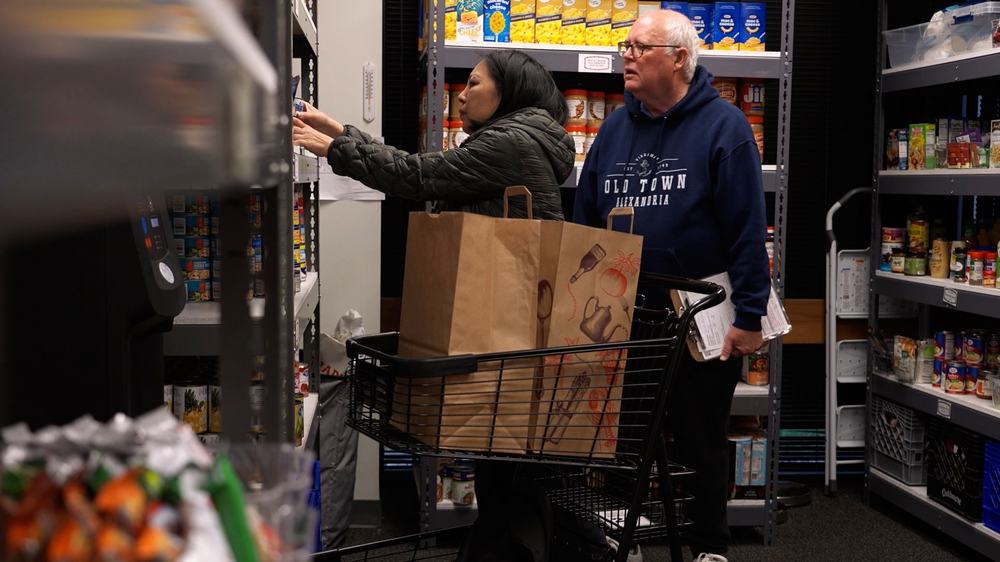
The high demand for corn for ethanol production and animal feed is driving up
the cost of some food products. |  |
 |
One downside of lowering interest
rates to increase spending and putting more money into the economy is that prices
can rise. Consumer prices rose by 0.4 percent in January, led by increases
in the prices of food, energy and health care. Prices for vegetables, fruits,
poultry and pork all showed big increases, in part because of the rising demand
for corn, which is used to make ethanol -- seen as an environmentally-friendly
alternative for gasoline. In addition this week, the price of oil hit record
highs-a barrel cost more than $100 for the first time in history. Medical
costs also spiked: prescription drug prices shot up by 0.7 percent, the biggest
rise in a year, while hospital prices were up by 1 percent. Economy
and politics
 |
 |  |  |  |
 |
 |  |  |
 |

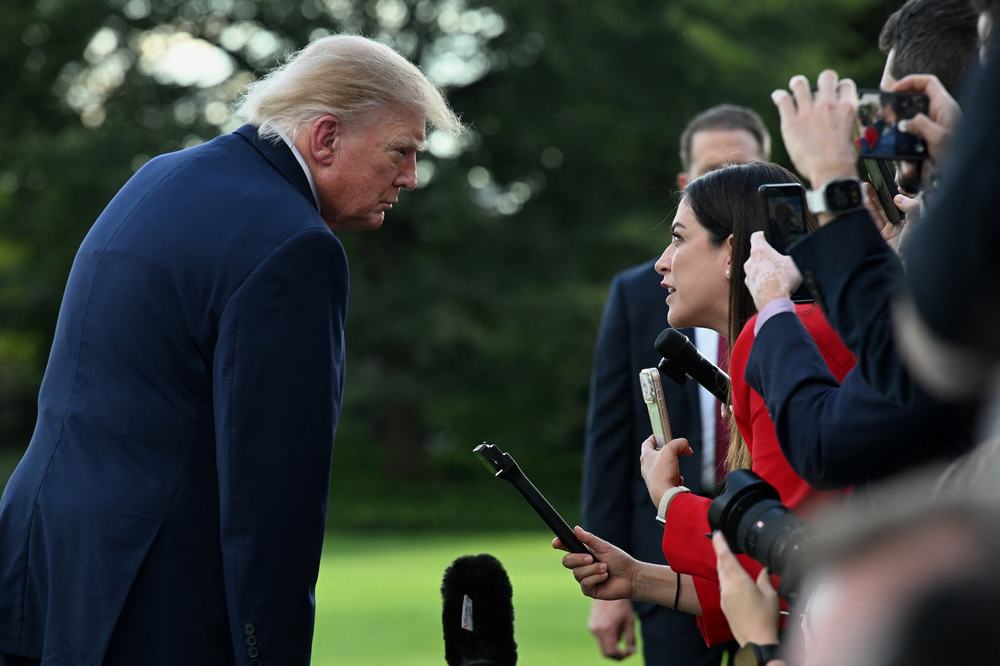
Ronald Reagan, shown with his wife Nancy, became president in 1981, after a decade
of stagflation. |  |
 |
Rising prices have become an issue
in this year's presidential campaign. "Wages are flat, but health care
costs are up. Gas and energy costs are up. Education costs are up. So people are
running as hard as they can, but they're going backwards," Senator Hillary
Clinton said recently in a speech. Senator Barack Obama also addressed the
issue in a speech last week. "I won't just raise the minimum wage every
10 years. I want to raise it every year to keep pace with inflation, because if
you work in America, you should not be poor," Obama said. The problem
of inflation has been a potent political issue as far back as Dwight Eisenhower's
presidential run in 1952. John F. Kennedy also criticized the rising cost of living
in campaign ads in 1960. Stagflation, the mix of recession and inflation,
hit most of the developed world and the United States in the 1970s. President
Richard Nixon was so concerned about 4 percent inflation in 1971 that he imposed
wage and price controls to reign in it. Stagflation continued through the
decade, and the inflation was more than 13 percent in 1980. It became a powerful
political tool for Ronald Reagan in his bid for the White House and helped him
win his first presidential election |