| The controversial water
reclamation process, known as Toilet-to-Tap, has been in place in
Orange County since December and San Diego is planning to open its own water-purification
plant this summer. A new kind of water cycle
 |
 |  |  |  |
 |
 |  |  |
 |

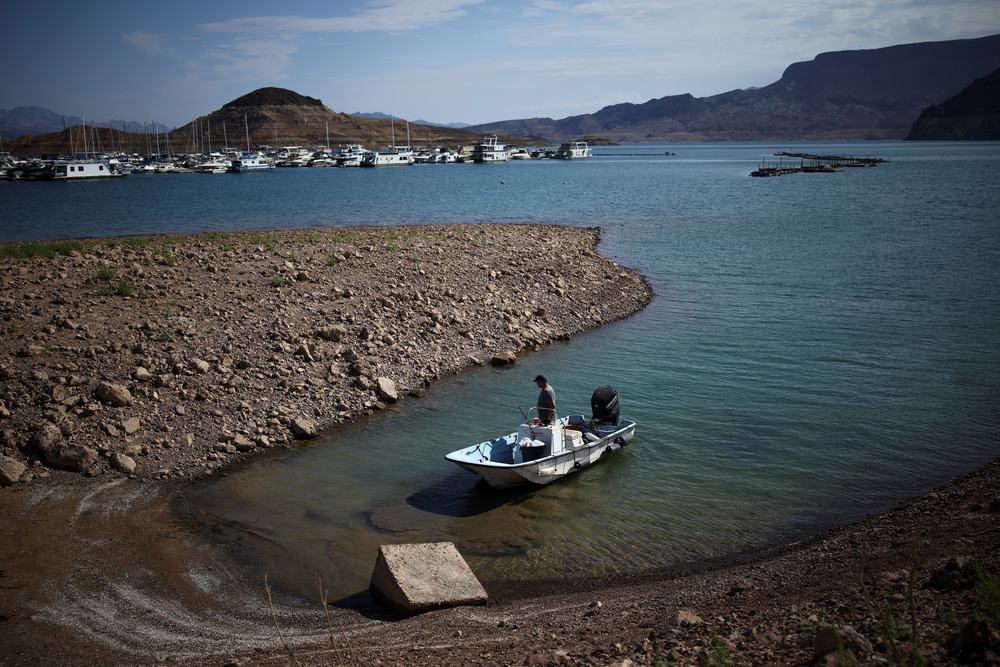
Recycled water is widely used for irrigation. |  |
 |
Recycling water is not a new concept. There is evidence that some communities
reused sewage water for irrigation more than 5,000 years ago. Californians
began irrigating their crops and pastures with it in the early 20th century. Up
to half of the water in American rivers has been used, collected, treated and
distributed downstream. The process
Water recycling is a three-step filtration
process.
 |
 |  |  |  |
 |
 |  |  |
 |

Wastewater goes through a water-purification system to remove harmful elements
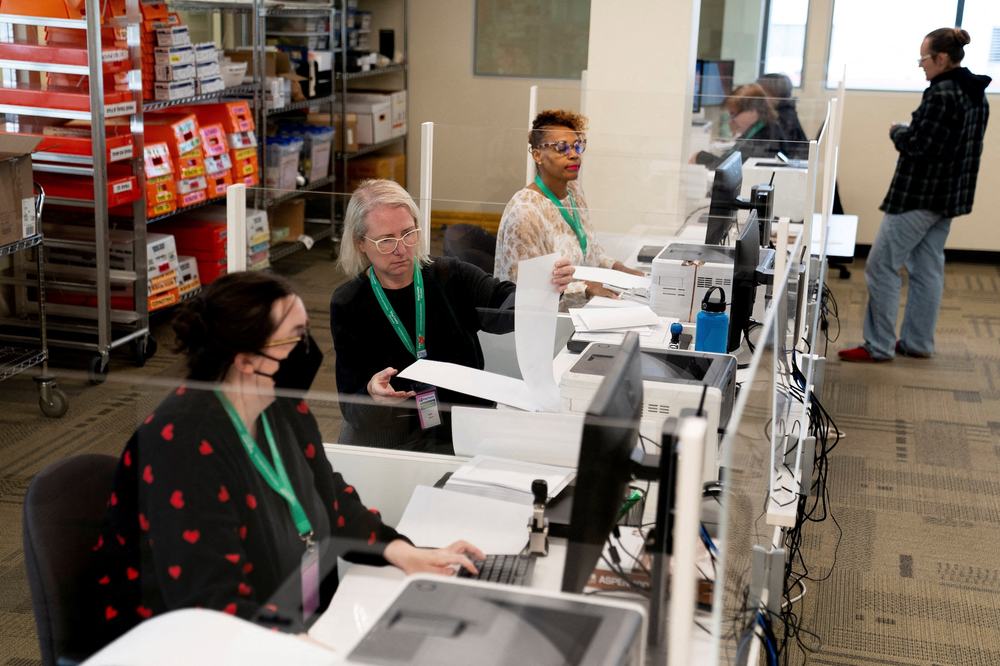
like bacteria and chemicals. |  |
 |
Upon entering the treatment facility, wastewater is first sucked up
into thousands of tiny straws (no wider than three hundredths the thickness of
a human hair) which help separate out bacteria. Second, the water molecules
undergo reverse osmosis, a process where intense pressure is used to force the
molecules through a sheet of plastic. Lastly, the remaining water molecules
are exposed to ultraviolet light and mixed with peroxide for a final cleansing.
The entire process ensures that not even the tiniest bacterium, virus, chemical
or hormone can survive, and in many regards, it's actually purer that highly coveted
mountain spring water, according to California's Department of Health Services.
San Diego's challenges
 |
 |  |  |  |
 |
 |  |  |
 |

A court ruling aimed at protecting the endangered delta smelt fish forced San
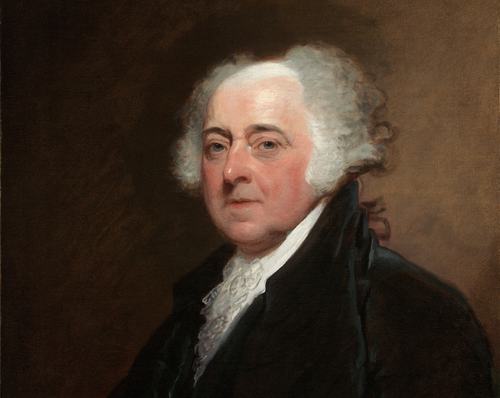
Diego to find new sources of water. |  |
 |
Still, the notion of drinking former
sewage water can be hard to swallow. In fact, California has tried water recycling
before, but the phrase "toilet to tap" scared so many residents that
the plan was scrapped. Now, worried water officials in San Diego County are
hoping public education will help people accept what they see as a necessity.
Currently, San Diego imports 90 percent of its water from places like the
highly sought-after Colorado River and the Sacramento-San Joaquin River Delta
in Northern California. But due to a recent federal court decision protecting
the endangered delta smelt (a small fish), San Diego was forced to look elsewhere. The
city council, which has likened the city's dependence on imported water to our
nation's dependence on imported oil, hopes to halve the city's percentage of imported
water when its plant opens this summer. To do this, the city will combine
its sewage water reclamation project with conservation efforts including planting
native vegetation, collecting rainwater, and installing pressurized shower-heads
and low flow toilets. The water wars
 |
 |  |  |  |
 |
 |  |  |
 |

U.N. Secretary-General Ban Ki-moon said that water shortages have contributed
to poverty and other problems in nations around the world. |  |
 |
California is not the only area
to face a water shortage -- in the U.S. or around the world. The United Nations
predicts that severe water shortages affecting at least 400 million people today
will affect 4 billion people, more than half of humanity, by 2050. Prevention
of the looming water crisis should receive top priority in 2008, according to
UN Secretary-general Ban Ki-moon. At an economic conference in January,
Ki-Moon said the conflict in the Darfur region of Sudan was touched off by drought
and that water shortages have contributed to poverty and social hardship in numerous
countries, including Somalia, Israel, Sri Lanka, Colombia and Kazakhstan, he said. "Too
often, where we need water, we find guns instead," he said. "Population
growth will make the problem worse. So will climate change." The United
Nations will hold a critical meeting in September to focus on technologies and
strategies to improve drinkable water conditions around the world. |