the Online NewsHour
E-mail This Page   Print This Page  
the Online NewsHour EXTRANews for Students AND Teacher Resources MAIN: ONLINE NEWSHOUR
7 - 12 grade level
SEARCH
ALL OR STUDENT VOICES LESSON PLANS VIDEO GO
Main: NewsHour ExtraU.S.WorldScienceEconomicsHealthArts and MediaStudent VoicesTeacher Center

High Food Prices Cause Concern Worldwide

Posted: April 21, 2008 PRINTER FRIENDLY VERSION: PDF
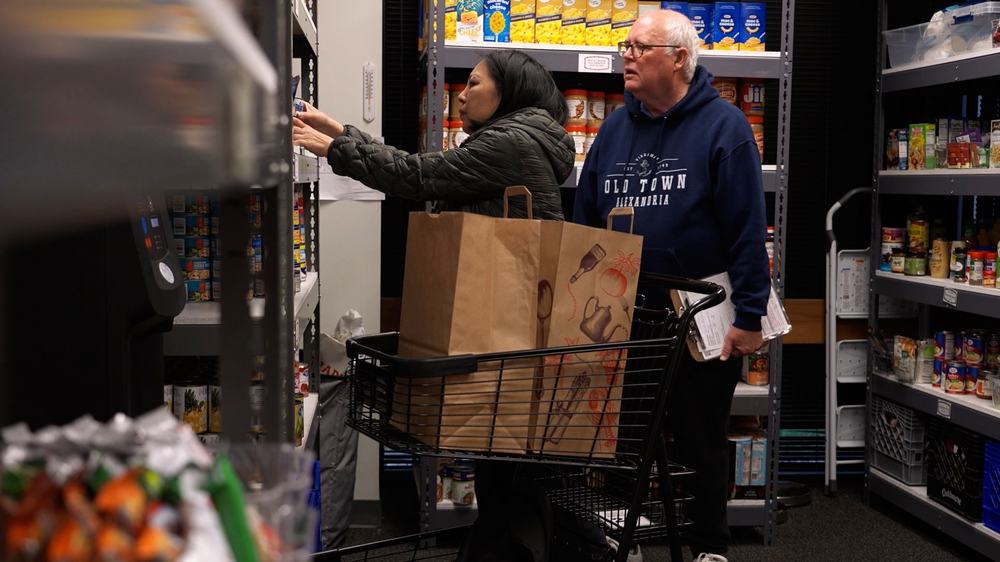
A combination of factors has caused food prices around the world to soar, making it difficult for poor people across the planet to feed their families.
Farming
The price of foods like corn have skyrocketed, making it difficult for millions of people to afford to eat.

United Nations officials have called the rise in prices a crisis that needs to be addressed immediately by the world community. A sense of desperation has caused people to riot in Haiti, while people in Asia, Africa and elsewhere line up for U.N. food handouts.

"If not handled properly, this crisis could result in a cascade of others ... and become a multidimensional problem affecting economic growth, social progress and even political security around the world," said U.N. Secretary-General Ban Ki-moon.

Devastating rise

Cows

The higher demand for meat in countries like China have also increased the demand for grain used as animal feed.
The cost of basic foods such as wheat and corn have doubled and tripled over the past few years due to several reasons. Most recently, the rising price of oil has made food cost more to transport and produce.

In addition, biofuels such as ethanol, touted as a way to reduce fossil fuel consumption and reduce the reliance on Middle Eastern oil by creating fuel out of plants, are also being blamed for the food price climb. Because the U.S. and European governments pay farmers to plant corn to make ethanol, they have inadvertently driven up the cost of corn as well as soy and other basic food crops.

And finally, rising wealth in heavily populated countries such as China means that more people are eating meat, which in turn has increased the demand for grain to feed animals.

Leaders call for aid


Ban Ki-Moon

U.N. leaders like Ban Ki-moon have asked the international community to contribute hundreds of millions of dollars in emergency aid.
Rising prices have affected everyone -- but poor people in the developing world may be suffering the most.

"High food prices dismay even relatively well-off Americans - but they're truly devastating in poor countries, where food often accounts for more than half a family's spending," New York Times columnist Paul Krugman wrote in early April.

U.N. leaders have called for millions of dollars in aid to help prevent widespread starvation.

According to the Economist Magazine, 100 million people could be driven to absolute poverty - living on one dollar a day - by a 20 percent rise in food prices, undoing a decade of growth in certain poor countries.

Ban Ki-moon has called for the international community to "take urgent and concerted action" to address the high prices.

World Bank President Robert Zoellick has called for world governments to provide $500 million in aid to the U.N. World Food Program by May 1. President Bush announced recently that the U.S. will provide $200 million in emergency aid, according to the Associated Press.

A threat to security


Haiti riots, Flickr user biocrime

People in Haiti have rioted in response to the high price of food staples.
As poor people around the world go hungry, the unrest caused by high prices could also pose a threat to global security and stability.

In Haiti, rioters burned tires and fought the police. Haitian Saint Louis Meriska told the New York Times that he couldn't afford to feed his children.

"They look at me and say, 'Papa, I'm hungry,' and I have to look away. It's humiliating and it makes you angry," he said.

Malaysian President Abdullah Ahmad Badawi, who is danger of losing his seat, could be the first prominent political casualty of the crisis, according to the Times.

"It's the worst crisis of its kind in more than 30 years," Jeffrey Sachs, a special adviser to the U.N. Secretary-General, told the Times. "It's a big deal and it's obviously threatening a lot of governments. There are a number of governments on the ropes, and I think there's more political fallout to come."
--Compiled by Quinn Bowman for NewsHour Extra
Resources

Daily Video Clip

Student Voice
NewsHour
Students From Around the US Debate Gun Control
I think we've been witnessing violence for years, whether in reality through the media or through video games, and I don't think that's a first-hand effect.
Ellie, Student Reporting Labs
Send us your essay, personal story or poem
SUBMIT

Related Coverage

Extra: News for Students
China Cracks Down on Violent Protests in Tibet
Schools Shop Locally for Better Food
Hunger Costing Millions of Lives and Dollars

The Online NewsHour
Researchers Near Completion of Complex Corn Genome
Switchgrass Yields Energy-efficient, Clean Fuel, Study Finds
Ethanol Boom Aids Farmers, but Stirs Environmental Concerns

SUGGESTIONS / COMMENTS
Do you have an opinion about this article? Or do you have a personal experience related to this article that you'd like to share with our readers? Submit your comments!
TUESDAY
Taliban to Join Talks With U.S.
The Prospects for Peace in Afghanistan
News Wrap: Leaders Press for Syrian Peace Talks
Sen. Rand Paul on Immigration Reform
Report: Nation's New Teachers Are Poorly Prepared
Violent Religious Clashes Inside Myanmar
Ancient Poetry Form Adapts to Modern Afghan Life
An hour-long daily news broadcast.