Visit Your Local PBS Station PBS Home PBS Home Programs A-Z TV Schedules Watch Video Support PBS Shop PBS Search PBS
       
the Online NewsHour The Web site of the NewsHour with Jim Lehrer
E-mail This Page   Print This Page  
the Online NewsHour EXTRANews for Students AND Teacher Resources MAIN: ONLINE NEWSHOUR
7 - 12 grade level
SEARCH
ALL OR STUDENT VOICES LESSON PLANS VIDEO GO
Main: NewsHour ExtraU.S.WorldScienceHealthArts/MediaStudent VoicesTeacher Center
NewsHour Teacher Center Blog
May 28, 2008
“Young as I was, I knew that I wanted the story to be true, true in the way fiction can be true.” - Chinua Achebe

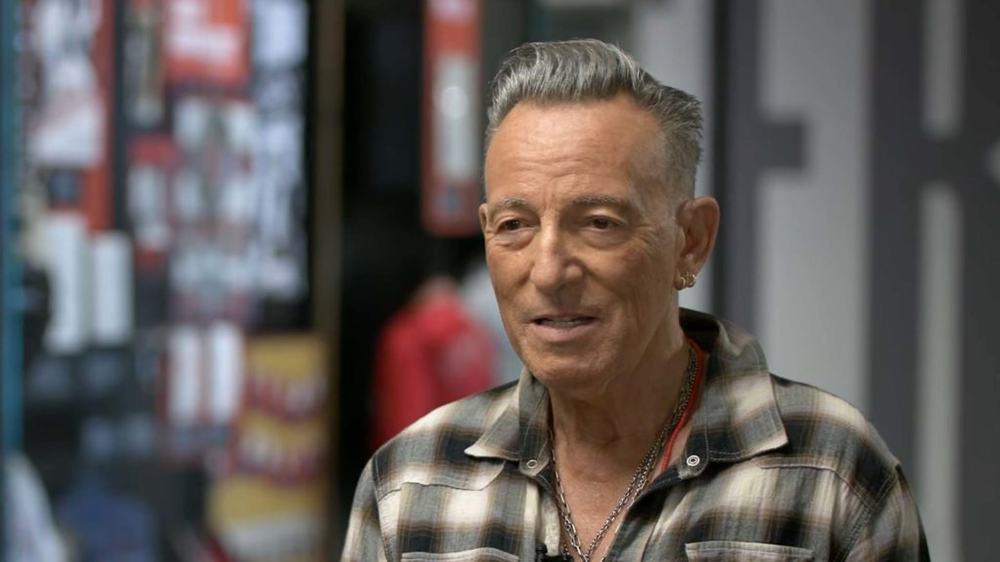
In this video interview, Chinua Achebe looks back through the 50 years since his novel was published and reflects on African literature today. play NewsHour video For many years, the story of Africa was told almost exclusively through the words of European writers. That began to change in the 1950s, as African countries achieved independence and African writers began to tell their own stories. In 1958 Chinua Achebe, an English educated Igbo (Ibo) tribesman from Eastern Nigeria published his first novel, “Things Fall Apart.” It describes the intricate complexity of Igbo culture and traditional village life in the late 19th century, and the inevitable clash with British colonization and arrival of European missionaries. The novel was an immediate critical success, soon becoming a classic of world literature, translated into some 50 languages, selling 11 million copies. Achebe has since written numerous other works of fiction, mostly set in post-colonial Africa, as well as nonfiction and poetry. He has been awarded 30 honorary degrees from universities and colleges and last year he won the prestigious Man Booker International Prize for Fiction. Since 1990 he has lived and taught at Bard College in New York.

Questions to discuss with your class include: Do you think it’s fair that Achebe has been criticized by some younger authors for using English, the language of their “colonial imperialist oppressors”? What do you suppose might be Achebe’s response? A major theme in “Things Fall Apart” is confrontation between traditional indigenous society and modern “western” society. What, if anything, could have helped resolve this type of conflict more fairly and peacefully? Did the interview with Achebe give you insight into the novel and its meaning? How does seeing and hearing the author change your perception of their book?

Below are web links related to this story

NewsHour Links
Conversation: Achebe Discusses Africa 50 Years After ‘Things Fall Apart’
In-Depth Coverage: Oil and Politics in Nigeria
Background Report: Ethnicity in Nigeria

Other Links
EDSITEment Lesson: Chinua Achebe’s Things Fall Apart: Teaching Through the Novel
Wikipedia: Chinua Achebe
Guardian International: Achebe Interview: A long way from home
Internet Book List: Chinua Achebe

Author

Comments

Post a Comment:
(If you haven't left a comment here before, you need to be approved by Brian before your comment will appear. Until then, it won't appear on the entry. Thanks for waiting.)
Name: (required, pseudonym ok)
Email address: (required, will not be published)
Comment:

Recent Lesson Plans
Recent Comments
Web Resources
Recently Added:
What is this?
Teacher to Teacher
Share your teaching experiences: What works, what didn't, what's needed?
What is this?
Previous EntriesTOPICS
Video Clips
What is this?
Blog Jam
National Public Radio
From Education Stories
5/2/08 updated daily
What is this?
The Online NewsHour
FRIDAY'S PROGRAM
Editor's Note
Shaky Economy
Financial Crisis in Dubai
News Wrap
Holiday Shopping
Hard Knocks
Shields and Brooks
Austin City Limits
The Online NewsHour, an hour-long daily news broadcast
Check your Local Listings