|
LESSON:
CHILDREN AT WAR By Doug DuBrin, an English and history teacher as well as an editor and writer Subject:
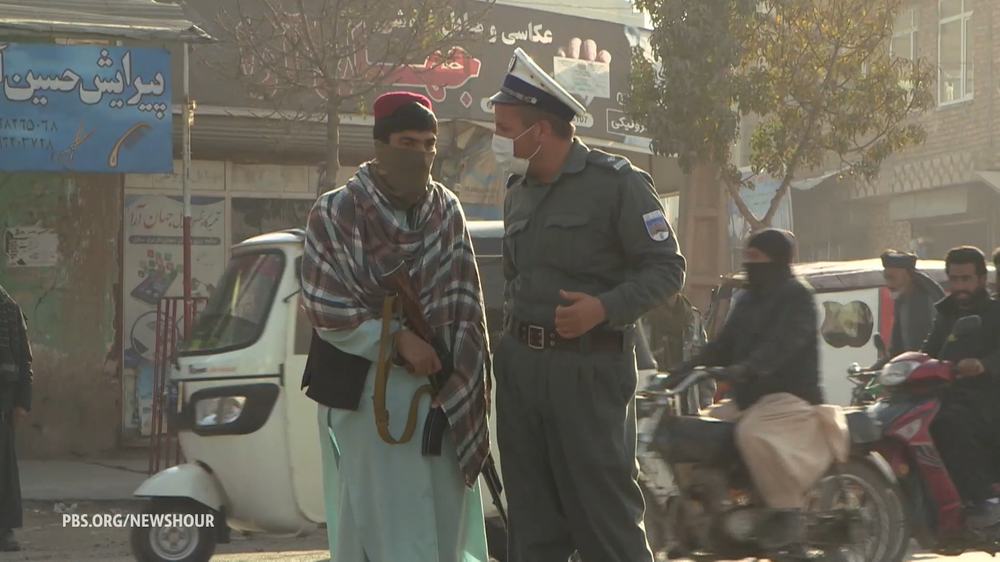
social studies Objective Background In addition to the war's devastating effect on the nation as a whole, the Liberian conflict has also brought to the world's attention the use of children in combat. The United Nation's Children's Fund (UNICEF) recently reported that upwards of 60 percent of the soldiers in Liberia's civil war are under 18 years of age, including children as young as nine-years-old. Liberia, however, is not unique. It has been estimated that there are at least 300,000 children under 18 directly involved in armed conflicts worldwide. Some nations that have regularly used children in combat are Angola, Burma, Colombia, Lebanon, Liberia, Sierra Leone and Sri Lanka. Even the United States has acknowledged using 17-year-old soldiers in recent conflicts in the Persian Gulf, Somalia and Bosnia. Measures have been taken since then, though, to cease the practice. Of course, the use of children in combat is not strictly a contemporary phenomenon. The American Civil War saw drummer boys lead troops directly into the line of fire, and numerous nations of both World War I and World War II used children to bolster their oft-depleted ranks. Active efforts are being made, however, to curb the use of children as soldiers. Many countries have either signed or ratified the Optional Protocol on the Involvement of Children in Armed Conflict to the Convention on the Rights of the Child, which calls for nations to "take all feasible measures" to assure that no children under 18 years old are used as combatants. (http://www.unhchr.ch/html/menu2/6/protocolchild.htm). Media coverage as well has brought the issue into clearer focus, as popular magazines and daily newspapers such as People and The Washington Post have recently featured articles on the topic. Materials
Correlation to National Standards Procedure 2. As the students refer to the readings, have them answer the following questions (either in small groups or individually). Possible answers are provided in the teacher key, but the link to UNICEF will significantly deepen your knowledge.
3. Discuss the responses as a class. Extension Activity I To further their understanding of the life of a child soldier, have the students read and discuss the personal testimonies provided. Please keep in mind that the material is often stark and explicit in its descriptions. To address
the following questions, the students should then envision themselves
(at their current age) as participants in combat situations -the
responses may be given in small groups, as a class, or in essay format.
Extension Activity II Assign the students to follow and analyze the media coverage (newspapers, magazines, television, Internet, etc.) of children in combat. You may wish to have them begin with the conflict in Liberia, but there are, of course, numerous points of departure. Questions to guide their research could include:
For detailed
explanations, please consult Thematic
Standards Disciplinary
Standards
To find out more about opportunities to contribute to this site, contact Leah Clapman at extra@newshour.org. |
More Social Studies lesson plans from PBS TeacherSource
![]()
Copyright © MacNeil-Lehrer Productions All Rights Reserved