the Online NewsHour
E-mail This Page   Print This Page  
the Online NewsHour EXTRANews for Students AND Teacher Resources MAIN: ONLINE NEWSHOUR
7 - 12 grade level
SEARCH
ALL OR STUDENT VOICES LESSON PLANS VIDEO GO
Main: NewsHour ExtraU.S.WorldScienceEconomicsHealthArts and MediaStudent VoicesTeacher Center
Posted on June 8, 2009

Full Extent of Nazi Prison Camp System Still Emerging

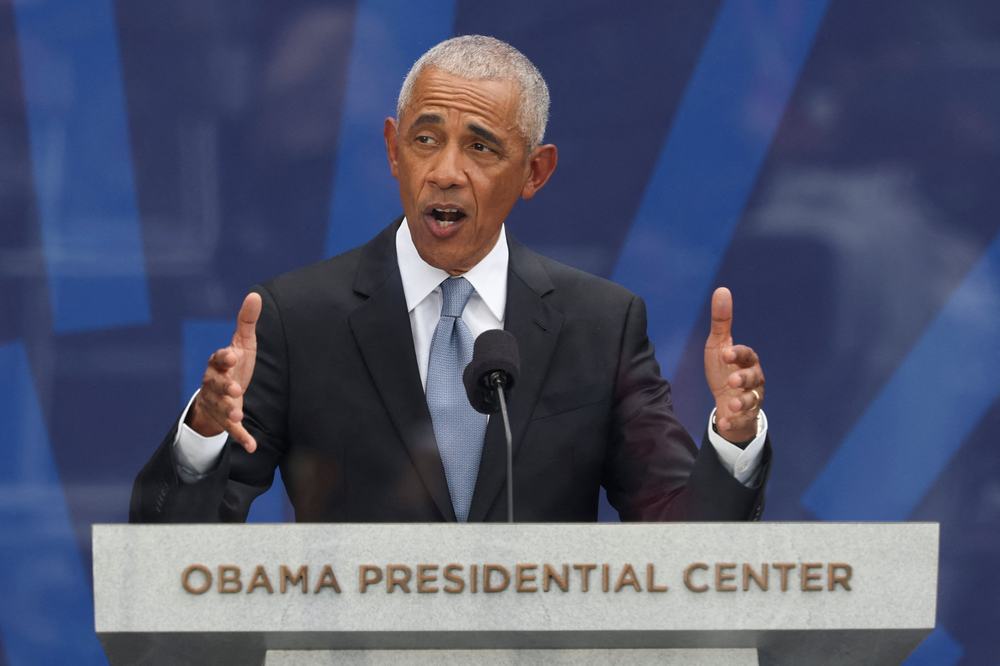
Sixty-five years after the landing of Allied forces at Normandy Beach, now known as D-Day, President Obama and German Chancellor Merkel toured the Buchenwald concentration camp in Germany with Holocaust survivor and Nobel Prize winner Elie Wiesel over the weekend.

More than 250,000 were imprisoned by the Nazis at the camp and roughly 56,000 died, including some 11,000 Jews. The camp was in operation for almost eight years until its liberation by Allied forces in 1945.

Many of the famous camps are already known but scholars are still working to uncover the full extent of the Nazi camp and ghetto system used in the Second World War. It's part of ongoing research at the United States Holocaust Memorial Museum.

The museum has just released the first volume of its "Encyclopedia of Camps and Ghettos." It's an attempt to document and catalog each forced-labor, prisoner-of-war, and death camp.

"What most people are familiar with are the major camps, Auschwitz, and Dachau, and Buchenwald, places like that. Most people don't realize that, for every one of those, there were dozens, hundreds, even thousands of other camps." Geoffrey Megargee, U.S. Holocaust Memorial Museum

"When we started the encyclopedia project, we thought we were dealing with 5,000 or 7,000 sites. That number is now at 20,000 or more, depending on what you count." Geoffrey Megargee, U.S. Holocaust Memorial Museum

"[The camps were] all part of the war effort for the Nazis. This was not a separate issue; it was not a separate effort. This was part of winning the war for them, both in terms of eliminating the Jews, in terms of enslaving millions of people for war production, and in terms of racially rearranging Europe, which was one of their primary war goals." Geoffrey Megargee, U.S. Holocaust Memorial Museum

1. What was the Holocaust?

2. Define concentration camp. Define a ghetto.

1. Does it surprise you to learn of more camps and ghettos from Nazi Germany? Why or why not?

2. Did you know about all of the different kinds of camps? Does this change your understanding of the war? Does it change your understanding of the Nazis?

3. The researcher said that this new evidence means that "no one could've ignored this at the time." Do you think that is true? Why or why not?

4. Why do you think that all this evidence is coming out now?

5. Do you think it is important to find out about all of these camps and ghettos? Why or why not?

6 Do you see any similarities between this research and other wars or conflicts you know about? What are they?

Comments

Post a Comment:

This is a teacher community that thrives on your thoughts, suggestions and comments. We would love to have a free ranging discussion in this space about the resources and how we can all encourage young people to think about current events and the world around them.

So, dive in. Tell other teachers what you like about this video, what you wish was different and what you hope to accomplish.

Especially helpful? Come back after using the video and let us know how it worked!

To ensure a productive and civil discourse, we pre-moderate comments, so it might take a little time for your comment to appear.

Thanks for waiting.

Name: (required, pseudonym ok)
E-mail address: (required, will not be published)
Comment:


Welcome
Video Packages
Compiled from over 30 years of NewsHour archives, video packages provide historical context to topical issues.
Black Monday

NewsHour Coverage of Financial Turmoil

A selection of NewsHour coverage of past turmoil in financial markets.

Oil

Oil Prices: a Brief History

Four decades of NewsHour coverage on the price of oil.

NewsHour Coverage of Immigration Issues

As an increasing number of people enter the U.S. illegally, the United States has struggled to address the immigration issue.

Bridge

Examining the State of U.S. Infrastructure

Ray Suarez examines the state of bridges, ports, airports and roads across the U.S. in Blueprint America, a collaboration with WNET New York.

More resources: Blueprint America

Hurricane photo

A Look Back: Hurricane Katrina

NewsHour reports from the days immediately following the hurricane, detailing the storm\'s damage, broken levees, evacuations and the relief efforts.

Mao watch

NewsHour Coverage of Modern China

This video package focuses on modern Chinese history and how some of the biggest developments from the country have influenced the world.

Mars lander

NASA Celebrates Fifty Years

NASA was established on July 29, 1958. Watch recent NewsHour interviews with NASA scientists and reports on NASA research.

Radovan Karadzic

NewsHour Coverage of Radovan Karadzic

A collection of NewsHour coverage of former Bosnian Serb leader Radovan Karadzic, who was captured in July 2008 on war crimes charges.

Benazir Bhutto

NewsHour Interviews with Pakistani Leader Benazir Bhutto

A series of interviews with assassinated Pakistani politician Benazir Bhutto, the first woman elected to lead a Muslim country.

 
FRIDAY
A Timely Drop in Gas Prices for Memorial Day Trips
News Wrap: SpaceX 'Dragon' Reaches Space Station
Partial Vote Count in Egypt Reveals Public Rift
What a Muslim Brotherhood Win Might Mean for U.S.
The Legacy of Etan Patz
Are U.S. Nuclear Plants Ready for a Meltdown?
Brooks, Marcus on Coming Economic 'Chaos,' Bain
When the Ancient Past Reaches Out and Touches Us
An hour-long daily news broadcast.