the Online NewsHour
E-mail This Page   Print This Page  
the Online NewsHour EXTRANews for Students AND Teacher Resources MAIN: ONLINE NEWSHOUR
7 - 12 grade level
SEARCH
ALL OR STUDENT VOICES LESSON PLANS VIDEO GO
Main: NewsHour ExtraU.S.WorldScienceEconomicsHealthArts and MediaStudent VoicesTeacher Center
Posted on November 24, 2010

North, South Korea Clash

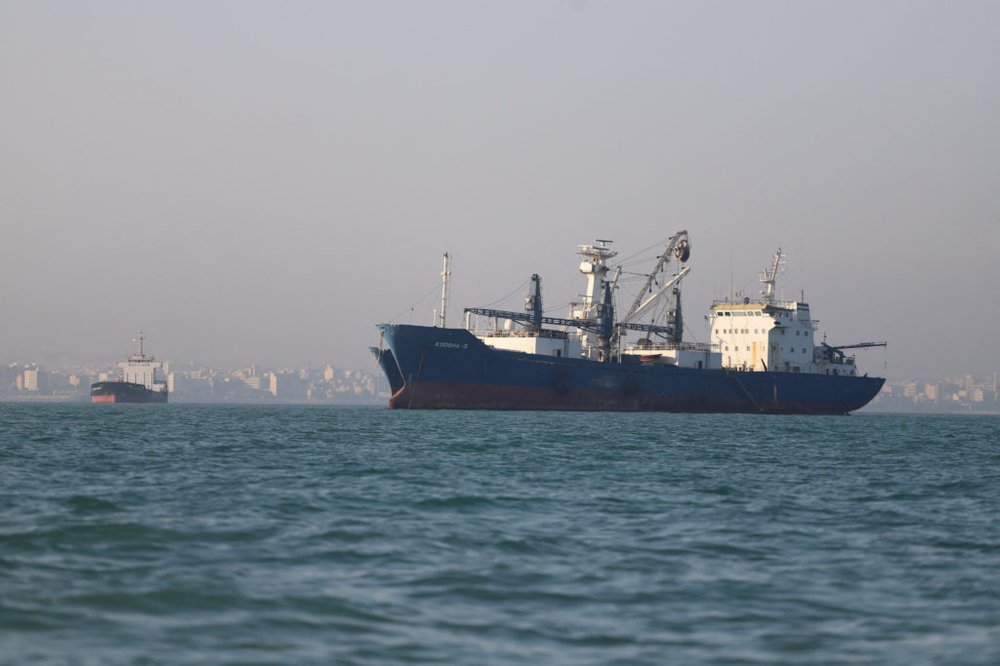
Tensions between North Korea and South Korea came to a head once again on Tuesday as the two nations exchanged deadly rounds of artillery fire. The shooting lasted for about an hour, killing two South Korean marines and two civilians on the country's Yeonpyeong Island--located in the Yellow Sea.

Both nations blame the other for starting the conflict. North Korea contests that South Korea fired first, while South Korea says its shots were part of a scheduled military exercise performed every year. The United States, an ally of South Korea, condemned the deadly North Korean attacks.

The deadly exchange is the latest in a recent string of conflicts between the two nations. In March an investigation unveiled that a North Korean torpedo sunk a South Korean ship, killing 46 sailors. And in August, the North Koreans set-off artillery shells into an area of the Yellow Sea where South Korean Navy had just wrapped up live exercises.

It's a reminder that the two nations are technically still at war, some 57 years after the Korean War armistice. The armistice called for a cease fire and created a demarcation line--on land and sea--between North and South Korea. However, North Korea to this day disputes the maritime (sea) border, contending its territorial waters expand further to the south.

"I thought the South Korean military was carrying out a heavy artillery exercise. When the bomb went off near my house, which collapsed, I realized it was North Korea who had fired. I thought I would die if I left the house." --Lee Chun-Ok, a resident of Yeonpyeong Island

"The U.S. strongly condemns this aggression on the part of North Korea. And we stand firmly with our allies." --Stephen Bosworth, U.S. Special Representative for North Korea Policy


1. Where is Asia? What countries are in Asia?

2. Why are there two Koreas: North Korea and South Korea?

3. How do wars end? How do you know when a war is really over?

1. If these small conflicts between North Korea and South Korea continue, what do you suppose might be the end result?

2. How could this latest conflict between North Korea and South Korea be resolved?

3. Have you ever been in a conflict with a person or a group? What was the eventual outcome of that conflict?

4. Read this story on the government in North Korea [ http://www.pbs.org/newshour/extra/features/world/july-dec10/korea_10-05.html ]

5. How might this transfer of leadership affect the military's behavior?

Comments

Post a Comment:

This is a teacher community that thrives on your thoughts, suggestions and comments. We would love to have a free ranging discussion in this space about the resources and how we can all encourage young people to think about current events and the world around them.

So, dive in. Tell other teachers what you like about this video, what you wish was different and what you hope to accomplish.

Especially helpful? Come back after using the video and let us know how it worked!

To ensure a productive and civil discourse, we pre-moderate comments, so it might take a little time for your comment to appear.

Thanks for waiting.

Name: (required, pseudonym ok)
E-mail address: (required, will not be published)
Comment:


Welcome
Video Packages
Compiled from over 30 years of NewsHour archives, video packages provide historical context to topical issues.
Black Monday

NewsHour Coverage of Financial Turmoil

A selection of NewsHour coverage of past turmoil in financial markets.

Oil

Oil Prices: a Brief History

Four decades of NewsHour coverage on the price of oil.

NewsHour Coverage of Immigration Issues

As an increasing number of people enter the U.S. illegally, the United States has struggled to address the immigration issue.

Bridge

Examining the State of U.S. Infrastructure

Ray Suarez examines the state of bridges, ports, airports and roads across the U.S. in Blueprint America, a collaboration with WNET New York.

More resources: Blueprint America

Hurricane photo

A Look Back: Hurricane Katrina

NewsHour reports from the days immediately following the hurricane, detailing the storm\'s damage, broken levees, evacuations and the relief efforts.

Mao watch

NewsHour Coverage of Modern China

This video package focuses on modern Chinese history and how some of the biggest developments from the country have influenced the world.

Mars lander

NASA Celebrates Fifty Years

NASA was established on July 29, 1958. Watch recent NewsHour interviews with NASA scientists and reports on NASA research.

Radovan Karadzic

NewsHour Coverage of Radovan Karadzic

A collection of NewsHour coverage of former Bosnian Serb leader Radovan Karadzic, who was captured in July 2008 on war crimes charges.

Benazir Bhutto

NewsHour Interviews with Pakistani Leader Benazir Bhutto

A series of interviews with assassinated Pakistani politician Benazir Bhutto, the first woman elected to lead a Muslim country.

 
FRIDAY
A Timely Drop in Gas Prices for Memorial Day Trips
News Wrap: SpaceX 'Dragon' Reaches Space Station
Partial Vote Count in Egypt Reveals Public Rift
What a Muslim Brotherhood Win Might Mean for U.S.
The Legacy of Etan Patz
Are U.S. Nuclear Plants Ready for a Meltdown?
Brooks, Marcus on Coming Economic 'Chaos,' Bain
When the Ancient Past Reaches Out and Touches Us
An hour-long daily news broadcast.