the Online NewsHour
E-mail This Page   Print This Page  
the Online NewsHour EXTRANews for Students AND Teacher Resources MAIN: ONLINE NEWSHOUR
7 - 12 grade level
SEARCH
ALL OR STUDENT VOICES LESSON PLANS VIDEO GO
Main: NewsHour ExtraU.S.WorldScienceEconomicsHealthArts and MediaStudent VoicesTeacher Center
Posted on January 7, 2011

Months After Massive Floods, Pakistan Still Recovering

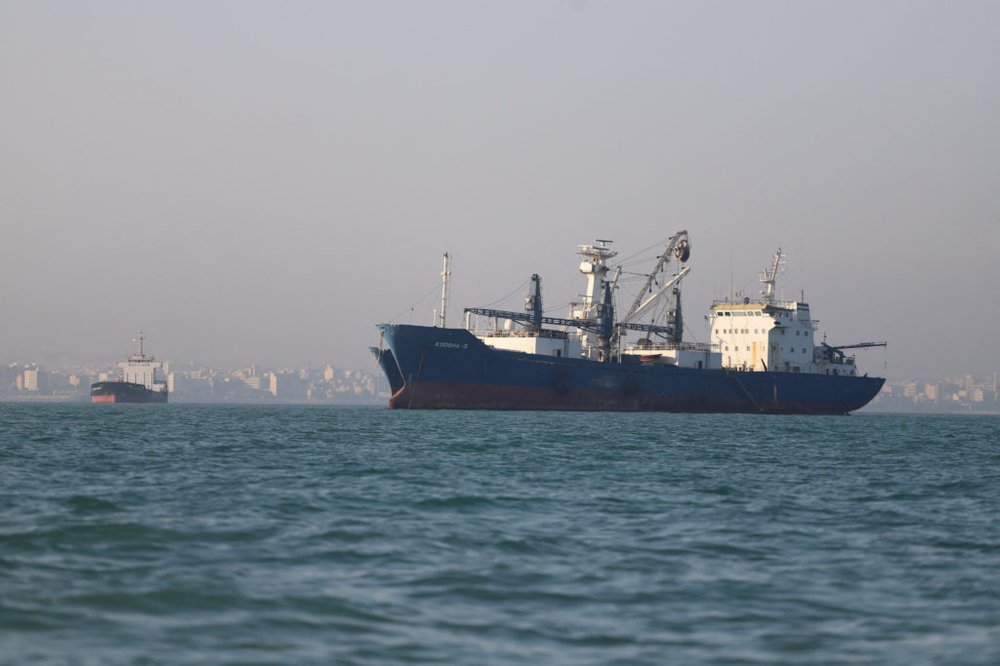
Five months after massive floods in Pakistan killed and displaced hundreds of thousands some parts of the country remain underwater. Sindh Province, located in Pakistan's southern region, still consists of areas that are inundated with 10 feet of water. Because Pakistan is now in its winter season, the ability for the land to soak up the flooding has dwindled.

"It's not a sponge anymore. The sponge is loaded, and on top of which we're in the winter season, so our evaporation rates have gone down," says Kamal Majidulla, a special assistant to the Pakistani prime minister.

Another reason parts of the country remain underwater and the recovery is slow is because of the lack of international aide, asserts Majidulla. He blames this on the tarnished image Pakistan has around the world, that depicts it as place of refuge for terrorists or other extremist groups. Even within Pakistan, the Pakistani military is hesitant to assist certain areas, such as Kyber Pakhtunkhwa, a place believed to be a safe haven for Taliban extremists.

"Initially, some groups did come with rations and food, but they disappeared. One of the reasons is, the location of this area is tribal-troubled, so people are not very willing to come and work in these parts," says a man who lives in Kyber Pakhtunkhwa province.

Farmers throughout Pakistan have begun to sew the land; however, much of it is no where near ready to grow crops. No where in Pakistan is the recovery from the floods great. But, of course, some places have faired much better than others. Some farmers have received government grants, seeds and fertilizer which have given them the opportunity to rebuild their farms and earn an income. Still, Pakistan, like other underdeveloped countries that have faced natural disasters, is months if not years away from normalcy.

"I saw on TV that, some places, the floods were so drastic, not only did people's crops and homes get washed away, but also their children. So, I'm thankful to God for sparing our lives."--Kala Khan

"The ability of the land to soak up that water is not there anymore. It's not a sponge anymore. The sponge is loaded, and on top of which we're in the winter season, so our evaporation rates have gone down." --Kamal Majidulla


1. On what continent does Pakistan reside?

2. What is a natural disaster?

3. How do floods occur?

1. Why is a quick response time crucial to the relief efforts immediately following a natural disaster?

2. Give a few examples of "relief aid" that would be helpful to those displaced by the floods in Pakistan.

3. Can you think of some natural disasters that have affected the United States? In what ways were they similar to the Pakistan floods? How were they different?

Comments

Post a Comment:

This is a teacher community that thrives on your thoughts, suggestions and comments. We would love to have a free ranging discussion in this space about the resources and how we can all encourage young people to think about current events and the world around them.

So, dive in. Tell other teachers what you like about this video, what you wish was different and what you hope to accomplish.

Especially helpful? Come back after using the video and let us know how it worked!

To ensure a productive and civil discourse, we pre-moderate comments, so it might take a little time for your comment to appear.

Thanks for waiting.

Name: (required, pseudonym ok)
E-mail address: (required, will not be published)
Comment:


Welcome
Video Packages
Compiled from over 30 years of NewsHour archives, video packages provide historical context to topical issues.
Black Monday

NewsHour Coverage of Financial Turmoil

A selection of NewsHour coverage of past turmoil in financial markets.

Oil

Oil Prices: a Brief History

Four decades of NewsHour coverage on the price of oil.

NewsHour Coverage of Immigration Issues

As an increasing number of people enter the U.S. illegally, the United States has struggled to address the immigration issue.

Bridge

Examining the State of U.S. Infrastructure

Ray Suarez examines the state of bridges, ports, airports and roads across the U.S. in Blueprint America, a collaboration with WNET New York.

More resources: Blueprint America

Hurricane photo

A Look Back: Hurricane Katrina

NewsHour reports from the days immediately following the hurricane, detailing the storm\'s damage, broken levees, evacuations and the relief efforts.

Mao watch

NewsHour Coverage of Modern China

This video package focuses on modern Chinese history and how some of the biggest developments from the country have influenced the world.

Mars lander

NASA Celebrates Fifty Years

NASA was established on July 29, 1958. Watch recent NewsHour interviews with NASA scientists and reports on NASA research.

Radovan Karadzic

NewsHour Coverage of Radovan Karadzic

A collection of NewsHour coverage of former Bosnian Serb leader Radovan Karadzic, who was captured in July 2008 on war crimes charges.

Benazir Bhutto

NewsHour Interviews with Pakistani Leader Benazir Bhutto

A series of interviews with assassinated Pakistani politician Benazir Bhutto, the first woman elected to lead a Muslim country.

 
FRIDAY
A Timely Drop in Gas Prices for Memorial Day Trips
News Wrap: SpaceX 'Dragon' Reaches Space Station
Partial Vote Count in Egypt Reveals Public Rift
What a Muslim Brotherhood Win Might Mean for U.S.
The Legacy of Etan Patz
Are U.S. Nuclear Plants Ready for a Meltdown?
Brooks, Marcus on Coming Economic 'Chaos,' Bain
When the Ancient Past Reaches Out and Touches Us
An hour-long daily news broadcast.