the Online NewsHour
E-mail This Page   Print This Page  
the Online NewsHour EXTRANews for Students AND Teacher Resources MAIN: ONLINE NEWSHOUR
7 - 12 grade level
SEARCH
ALL OR STUDENT VOICES LESSON PLANS VIDEO GO
Main: NewsHour ExtraU.S.WorldScienceEconomicsHealthArts and MediaStudent VoicesTeacher Center

Watch the full episode. See more PBS NewsHour.

Posted on April 14, 2011

Chinese Factory Workers Claim Illness from iPhone Production

The Apple iPhone, used by millions in the U.S., has come under scrutiny in China because many Chinese workers who work on its production say they have become ill from the chemicals used in the manufacturing process. The issue brings to light some of the problems workers face in China's rapidly industrializing society that provides the electronic gadgets used by much of the Western world.

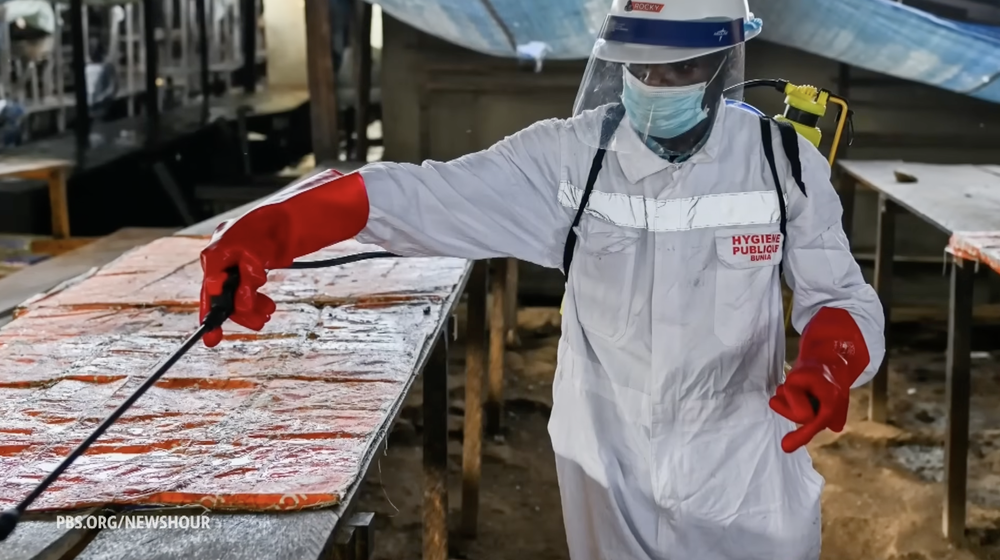
Wintek, a company that manufactures screens for the iPhone, GPS systems and other electronics, allegedly uses a substance called n-hexane, a toxic chemical made from crude oil, to clean screens before they are packaged and sold. Workers whose job it was to clean those screens for hours a day say they have suffered neurological damage from the harsh chemicals.

Ma Jun, an activist who fights for workers' rights in China's increasingly industrial society, says Apple in particular didn't respond to workers' complaints about health problems. For its part, Apple released a statement saying it had worked with Wintek to resolve ventilation problems, continues to monitor workers' health and provides for their care.

However, Jun says Apple should be also be responsible for any health effects the workers suffer after they leave the factory, since they could be dealing with symptoms for the rest of their lives.

"I used my left hand to hold the iPhone screen when it came down the work line. And with my right hand, I used a cotton cloth dipped in hexane to wipe the screen.” - Factory worker

"At the very beginning, I didn't know I was sick. I just felt weak and tired. Then, slowly, I found it difficult to walk or go up the steps of the bus. Then, one day, I fell over and decided I needed to check what was wrong with me." - Factory worker

"Wintek represents the fact that China is now the workshop of the world. We're manufacturing for the entire Western world. And while we are exporting all these cheap products overseas, millions of workers are exposed to some of the unhealthy working conditions." - Ma Jun, Institute of Public and Environmental Affairs

1. Where do you think the electronics you use every day are made?

2. What is manufacturing? How does the assembly line process work?

3. What is "cheap labor?" How does it reduce the cost of things you buy?

1. If workers in a U.S. factory had gotten sick like the workers in this report, do you think the outcome would have been different? Why or why not?

2. Why do companies like Apple manufacture their goods outside of the U.S. in countries like China? How is the work environment in the U.S. different for the environment in China?

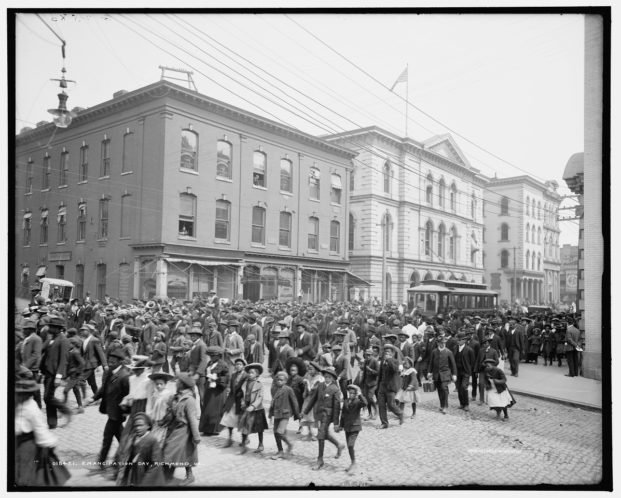
3. Compare the workers' situation in China today to the conditions of factory workers in the U.S. at the turn of the century. According to what you saw in the video, how are they similar? How are they different?

Comments

Post a Comment:

This is a teacher community that thrives on your thoughts, suggestions and comments. We would love to have a free ranging discussion in this space about the resources and how we can all encourage young people to think about current events and the world around them.

So, dive in. Tell other teachers what you like about this video, what you wish was different and what you hope to accomplish.

Especially helpful? Come back after using the video and let us know how it worked!

To ensure a productive and civil discourse, we pre-moderate comments, so it might take a little time for your comment to appear.

Thanks for waiting.

Name: (required, pseudonym ok)
E-mail address: (required, will not be published)
Comment:


Welcome
Video Packages
Compiled from over 30 years of NewsHour archives, video packages provide historical context to topical issues.
Black Monday

NewsHour Coverage of Financial Turmoil

A selection of NewsHour coverage of past turmoil in financial markets.

Oil

Oil Prices: a Brief History

Four decades of NewsHour coverage on the price of oil.

NewsHour Coverage of Immigration Issues

As an increasing number of people enter the U.S. illegally, the United States has struggled to address the immigration issue.

Bridge

Examining the State of U.S. Infrastructure

Ray Suarez examines the state of bridges, ports, airports and roads across the U.S. in Blueprint America, a collaboration with WNET New York.

More resources: Blueprint America

Hurricane photo

A Look Back: Hurricane Katrina

NewsHour reports from the days immediately following the hurricane, detailing the storm\'s damage, broken levees, evacuations and the relief efforts.

Mao watch

NewsHour Coverage of Modern China

This video package focuses on modern Chinese history and how some of the biggest developments from the country have influenced the world.

Mars lander

NASA Celebrates Fifty Years

NASA was established on July 29, 1958. Watch recent NewsHour interviews with NASA scientists and reports on NASA research.

Radovan Karadzic

NewsHour Coverage of Radovan Karadzic

A collection of NewsHour coverage of former Bosnian Serb leader Radovan Karadzic, who was captured in July 2008 on war crimes charges.

Benazir Bhutto

NewsHour Interviews with Pakistani Leader Benazir Bhutto

A series of interviews with assassinated Pakistani politician Benazir Bhutto, the first woman elected to lead a Muslim country.

 
FRIDAY
A Timely Drop in Gas Prices for Memorial Day Trips
News Wrap: SpaceX 'Dragon' Reaches Space Station
Partial Vote Count in Egypt Reveals Public Rift
What a Muslim Brotherhood Win Might Mean for U.S.
The Legacy of Etan Patz
Are U.S. Nuclear Plants Ready for a Meltdown?
Brooks, Marcus on Coming Economic 'Chaos,' Bain
When the Ancient Past Reaches Out and Touches Us
An hour-long daily news broadcast.