
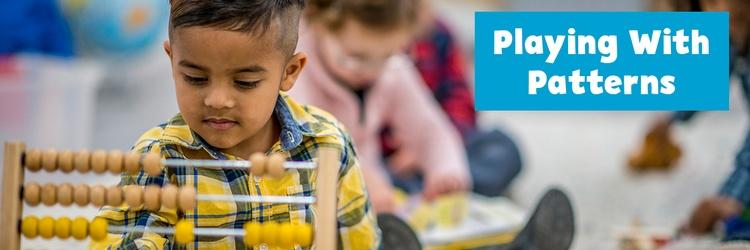
Patterns are everywhere! Recognizing patterns helps kids build basic math skills, so exploring these ideas now sets the stage for bigger, more complex algebraic thinking later. Search for patterns in colors, shapes, sounds, dances, and even routines. Encourage your child to be on the lookout for patterns in your everyday life — the brickwork on a building, the layers of a pinecone, the stripes on a bird, or the pickets on a fence — these patterns also help to build science skills! Try some simple, fun activities to help them understand, identify and create patterns. With toddlers and preschoolers, sing songs that use movement patterns, like "Head, Shoulders, Knees and Toes" and "The Wheels on the Bus.” Early elementary-age children will enjoy hand-clapping games, like "Miss Mary Mack," to repeat and grow patterns.
Questions to Ask Your Child
- Where can we find patterns in our home? Do you have any patterns on your clothes? Can you spot any patterns on the rugs, curtains, or blankets?
- What patterns do we use in math? How does that help us?
- Is there a way to hear or feel patterns?
Play and Learn Together With Children 2 to 5
Young children can explore very simple repeating patterns in a call and response or imitating fashion. Encourage your child to copy patterns that you can make, and then copy your child's patterns. Little ones might still lack the fine motor control to draw, but stickers, blocks, and dance are great ways to create different patterns. Try making sound patterns! Patterns produced by tapping on a table or the floor is another way to create patterns.
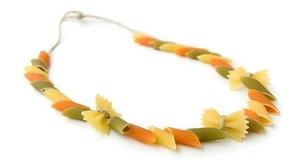
Pasta Patterns
Make and wear colorful pasta necklaces to explore patterns and pattern games.
Practice Patterns With Your Preschooler
20 min activityBlue... green... blue... green... blue… green… Use blocks — or other materials! — to practice making patterns with your preschooler.
Playing With Patterns
30 min activityTry these simple fun activities to help your child understand, identify and create patterns.
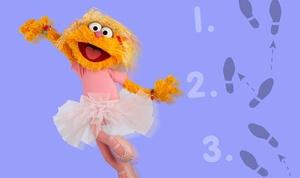
Learning Memorization Strategies Through Dance
Give your mind and body a workout by choreographing a multi-step dance with your child.
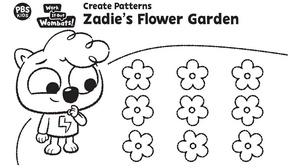
Create Patterns
Practice making patterns as you color Mr. E's shell garden and Zadie's flower garden in this Work It Out Wombats printable.
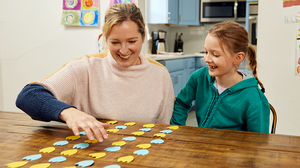
Make a Paper Flower Garden
20 min activityUse colorful paper to make a flower garden with a beautiful pattern!
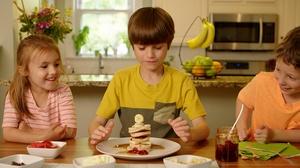
Make Patterned Pancake Stacks
20 min activityMake a growing pattern with pancakes and different toppings.
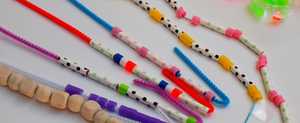
Create Pattern Jewelry for Mother's Day or Any Day!
Here’s a craft that doubles as a fun math learning opportunity!
Play and Learn Together With Children 6 to 8
This age group can often begin to work with more complex patterns and figure out what comes next or what's missing in a pattern. Play a board game, such as dominoes, Mastermind, or Guess Who?, that involves using patterns to make assumptions and draw conclusions. You can also explore number patterns with your older child through skip-counting. Say, "Two, four, six…what comes next?" See if your child can guess — and then try counting by threes, fours, fives, etc.
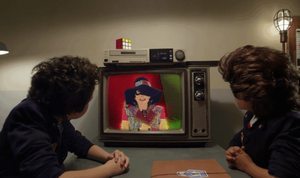
Create and Crack Codes for Pattern Practice
It's training time for agents everywhere! Help solve some of the oddest cases at Odd Squad Headquarters.
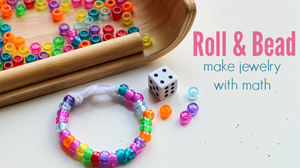
Roll & Bead: Make Jewelry With Math
Children will learn number skills while designing their own cool bracelets.
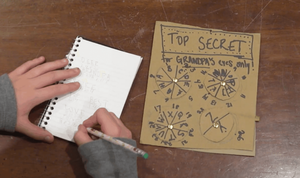
Craft a Secret Message Card
Your spy kid can practice math, spelling and writing skills while creating a secret message for a loved one!
Make Your Own Dominoes Game
Make your own set of dominoes and enjoy a craft that keeps on giving!
Odd Squad Number Line
Challenge your child to discover number patterns and solve number problems.
Play and Learn By Myself
Odd Squad Crest: Color By Number
Use the color key to color the Odd Squad Crest.
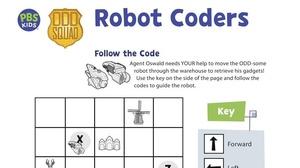
Robot Coder Activity
Follow and write your own code with this fun activity!

Planet Pal
Learn about patterns with Pal!
Cyber Pattern Player
Musical beats are a great way to learn about mathematical patterns. Join your child in making visual patterns that play sounds.
Chicken Dance
In this Peg + Cat game, your child can learn about patterns by helping create a dance for Peg's chickens.
Sorta-ma-gogo
Nick and Sally are sorting items by type and color. Your child can help them by gathering items based on attribute and then sorting them into their proper bins.
Read More

Using Patterns to Boost Your Child's Math Skills
Learn how patterns can help your preschool or early elementary school student build serious math skills!
Helping Your Child Get Back to School with Math
Your child is beginning a new school year, which means new math lessons. Use these playful activities and lessons from Cyberchase to help your child get back to school with math.
“Break It Down” and Other Ways Preschoolers Can Practice Computational Thinking
Computational thinking is a creative and organized way to solve problems using a toolbox of skills from computer science. Try these three ways to support this type of thinking with your preschooler.
8 Fun Ways to Help Kids Learn Patterns
From building with blocks to learning dance moves, patterns are a big part of your child’s daily life! Here are fun ways to help children strengthen their problem-solving skills by playing with patterns.
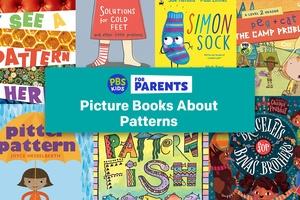
7 Picture Books About Patterns
Finding and following patterns helps young kids understand the world around them. Check out these picture books to help your kid spot patterns — and use them to solve everyday problems.
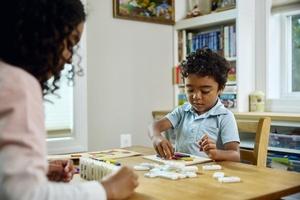
Add These Math Activities to Your Family Routine
Building early math skills can be easily worked on at home as part of your daily routine! Here are simple activity ideas your family can do based off of six different types of math skills.