
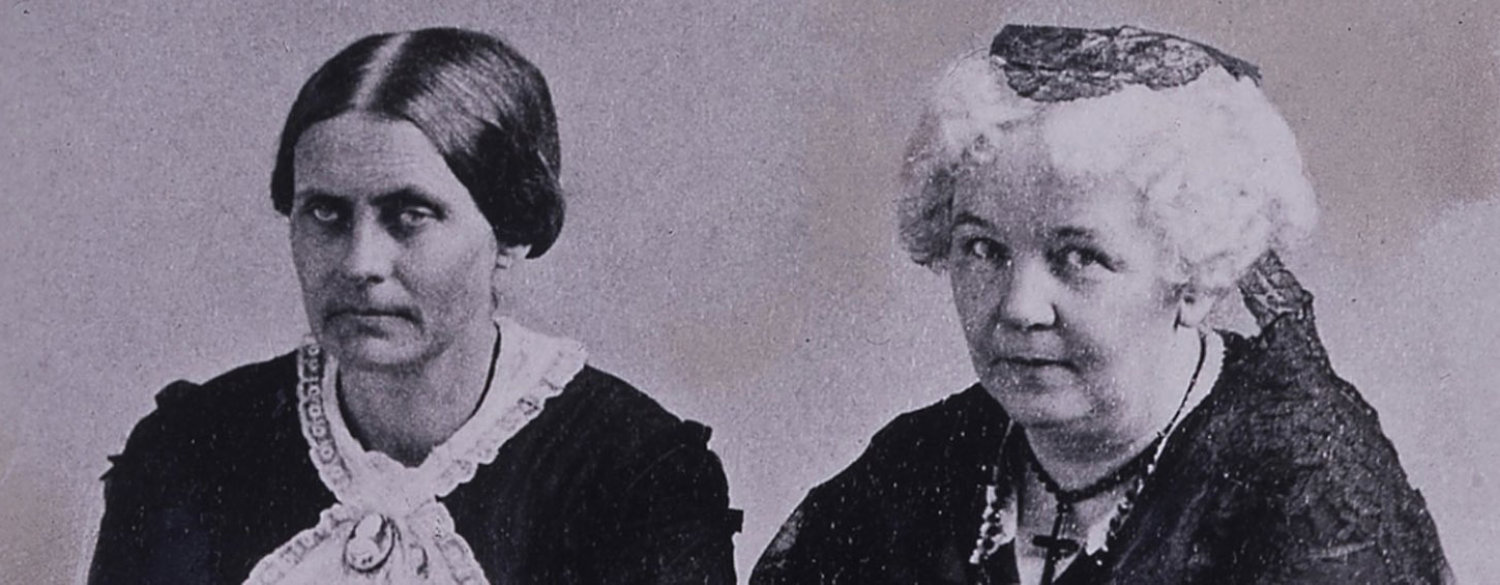

Watch Not For Ourselves Alone
A Documentary about Elizabeth Cady Stanton & Susan B. Anthony
Seneca Falls Convention: The First Convention on Women's Rights
When Susan B. Anthony introduced the Declaration of Sentiments at the first convention on women's rights, she prompted a passionate response from the audience.
Clip
6m 56s

Clip
Seneca Falls Convention: The First Convention on Women's Rights
6m 56s
When Susan B. Anthony introduced the Declaration of Sentiments at the first convention on women's rights, she prompted a passionate response from the audience.
Full Length
Revolution
93m 59s
Two women, one allegiance. Together Elizabeth Cady Stanton and Susan B. Anthony fought for women everywhere, and their strong willpower and sheer determination still ripple through contemporary society. Part 1 of Ken Burns's Emmy® Award-winning documentary recounts the trials, tribulations, and triumphs of two pioneers striving to give birth to the women's movement.
Full Length
Failure is Impossible
89m 21s
Two women, one allegiance. Together Elizabeth Cady Stanton and Susan B. Anthony fought for women everywhere, and their strong willpower and sheer determination still ripple through contemporary society. Part 2 of Ken Burns's Emmy® Award-winning documentary recounts the trials, tribulations, and triumphs of two pioneers striving to give birth to the women's movement.
Clip
A Great Partnership
2m 51s
Susan B. Anthony and Elizabeth Cady Stanton may have been very different people, but together they formed a great – and complementary – partnership.
Clip
Seneca Falls Convention: The First Convention on Women's Rights
6m 56s
When Susan B. Anthony introduced the Declaration of Sentiments at the first convention on women's rights, she prompted a passionate response from the audience.
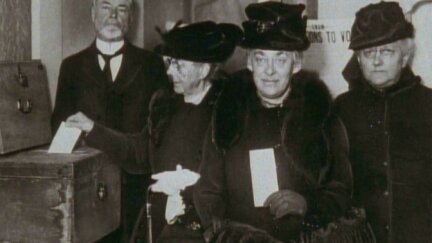
Clip
Women's Suffrage
3m 2s
Suffragettes fought for voting rights for American women, but some people struggled with the social changes that this brought.
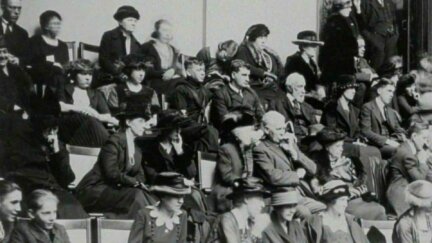
Clip
Winter Wheat
6m 9s
Suffragettes fought tirelessly for a woman's right to vote, but it was a difficult endeavor. Susan B Anthony and Elizabeth Cady Stanton did not live to see the laws change, but their efforts made ripples throughout history.
- Prev
- 1
- 2
- Next
About the Film
Two women. One allegiance. Together they fought for women everywhere, and their strong willpower and sheer determination still ripples through contemporary society.
Recount the trials, tribulations and triumphs of Elizabeth Cady Stanton and Susan B. Anthony as they strive to give birth to the women’s movement. Not until their deaths was their shared vision of women’s suffrage realized.
Watch Clips from the Film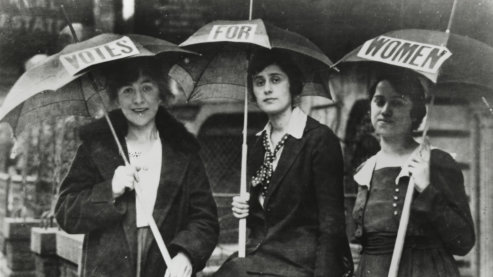
Explore Related Films
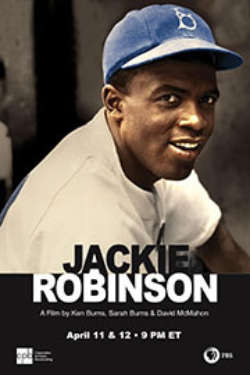
Jackie Robinson [2016]
The story of an American icon whose battle for first class citizenship for African Americans transcends sports.
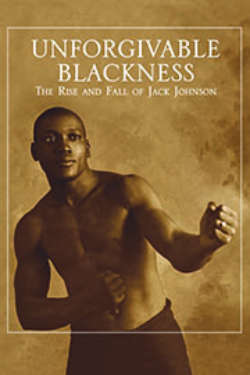
Unforgivable Blackness [2005]
The first African American Heavyweight Champion whose dominance challenged previous stigmas.
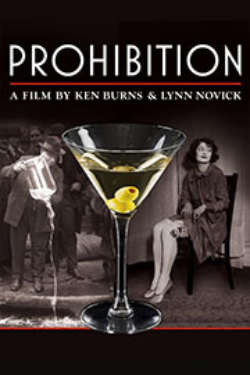
Prohibition [2011]
Prohibition tells the story of the rise, rule, and fall of the 18th Amendment and the era it encompassed.
Central Park Five [2013]
A story about five black and Latino teenagers whose lives were upended by a miscarriage of justice.

See All Films