A Return to School Segregation in America?
July 2, 2014
Share
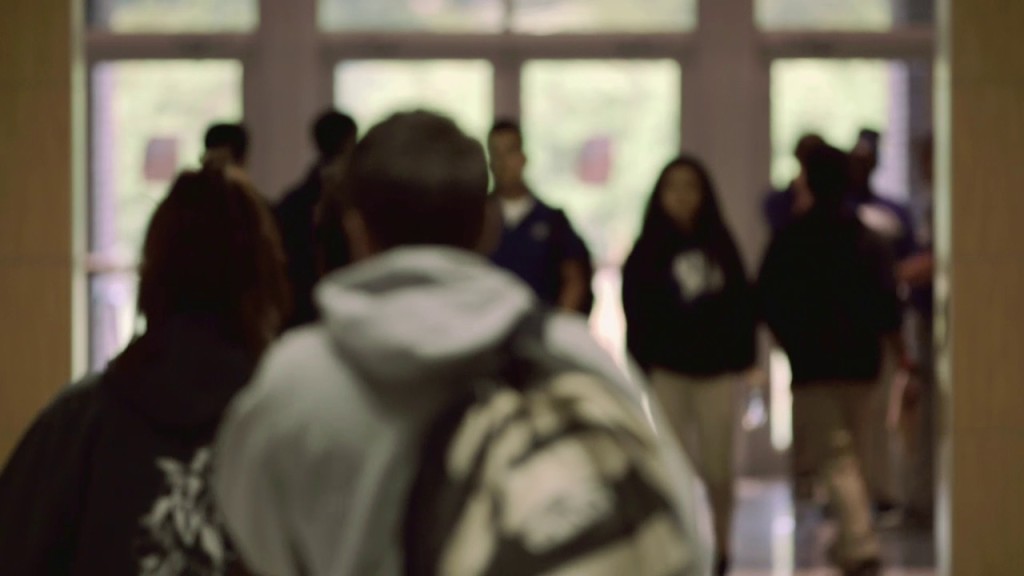
Fifty years ago today, President Lyndon Johnson signed the Civil Rights Act, a landmark piece of legislation that guaranteed all Americans equal protection under the law. That meant that the nation’s public schools, still largely segregated despite a Supreme Court order banning the practice in 1954, would have to allow black children to attend school alongside white children.
Under Johnson, the federal government began an aggressive push to integrate schools, threatening recalcitrant districts with federal funding cuts and lawsuits. By 1988, the percentage of black children in white schools in the south had risen from zero to nearly 44 percent, according to a recent report by the UCLA Project on Civil Rights, the first major national evaluation of school segregation in decades.
But, according to the report, a spate of lawsuits filed by the Reagan and George H.W. Bush administrations, and a 1991 Supreme Court decision releasing districts from such orders helped erode that progress. By 2011, the percentage of black students in majority white schools was 23.2 percent — slightly lower than it was in 1968.
One of the longest battles over school integration was fought in Baton Rouge, Louisiana.
Now, a group of citizens, frustrated by their district’s many low-performing schools, wants to form their own city, with separate schools. It’s one of several breakaway efforts in cities around the country.
If the plan succeeds in Baton Rouge, the new district is expected to be more wealthy and largely white, and will likely leave behind a population of mostly black students from less affluent households. But supporters say it’s about quality education, not race.
“We’ve had enough of failing our children,” said Lionel Rainey, the group’s spokesperson. We’re not going to do it anymore. And we’ll go to the length of creating our own city, to create our own education system to take control back from the status quo.”
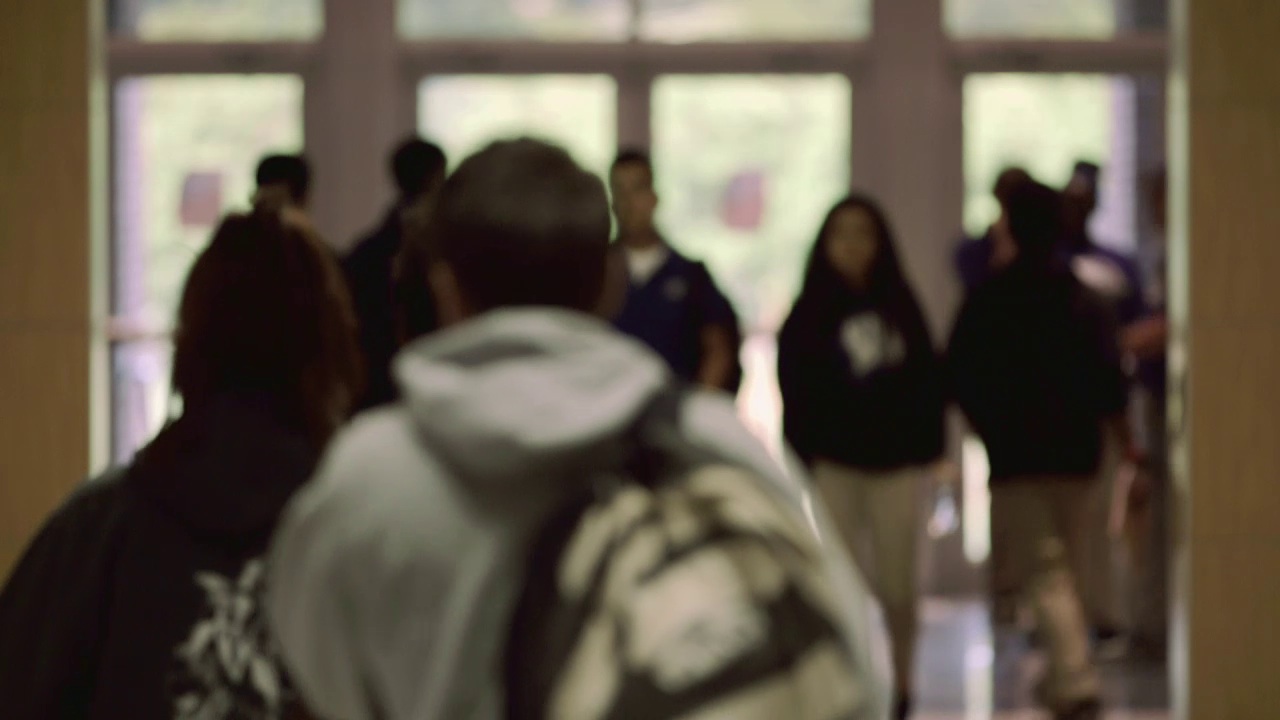
In Separate and Unequal, which will air on July 15, FRONTLINE goes inside the fight in Baton Rouge to understand the current tensions between race, class and education in America.
Watch the trailer below, and tune in July 15 for the full film. (Check local listings here.)
Former Series Senior Editor, FRONTLINE
Support provided by:
Learn More
Related Documentaries
Latest Documentaries





Related Stories
Separate and Unequal
Related Stories
Separate and Unequal
Explore
Policies
Teacher Center

Jon and Jo Ann Hagler on behalf of the Jon L. Hagler Foundation
Corey David Sauer
Koo and Patricia Yuen
FRONTLINE is a registered trademark of WGBH Educational Foundation. Web Site Copyright ©1995-2025 WGBH Educational Foundation. PBS is a 501(c)(3) not-for-profit organization.
Funding for FRONTLINE is provided through the support of PBS viewers and by the Corporation for Public Broadcasting, with major support from Ford Foundation, and Fialkow Family Foundation. Additional funding is provided the Abrams Foundation, Park Foundation, John D. and Catherine T. MacArthur Foundation, Heising-Simons Foundation, and the FRONTLINE Trust, with major support from Jon and Jo Ann Hagler on behalf of the Jon L. Hagler Foundation, and Corey David Sauer, and additional support from Koo and Patricia Yuen. FRONTLINE is a registered trademark of WGBH Educational Foundation. Web Site Copyright ©1995-2026 WGBH Educational Foundation. PBS is a 501(c)(3) not-for-profit organization.