Unpacking the Alan Greenspan Era — and the Crisis That Followed
In the wake of the former Federal Reserve chair's death at age 100, these three documentaries illuminate his decades of influence on the U.S. economy, the hands-off approach to regulation that ruled Wall Street at the time — and the financial crisis that followed.
June 22, 2026
Share
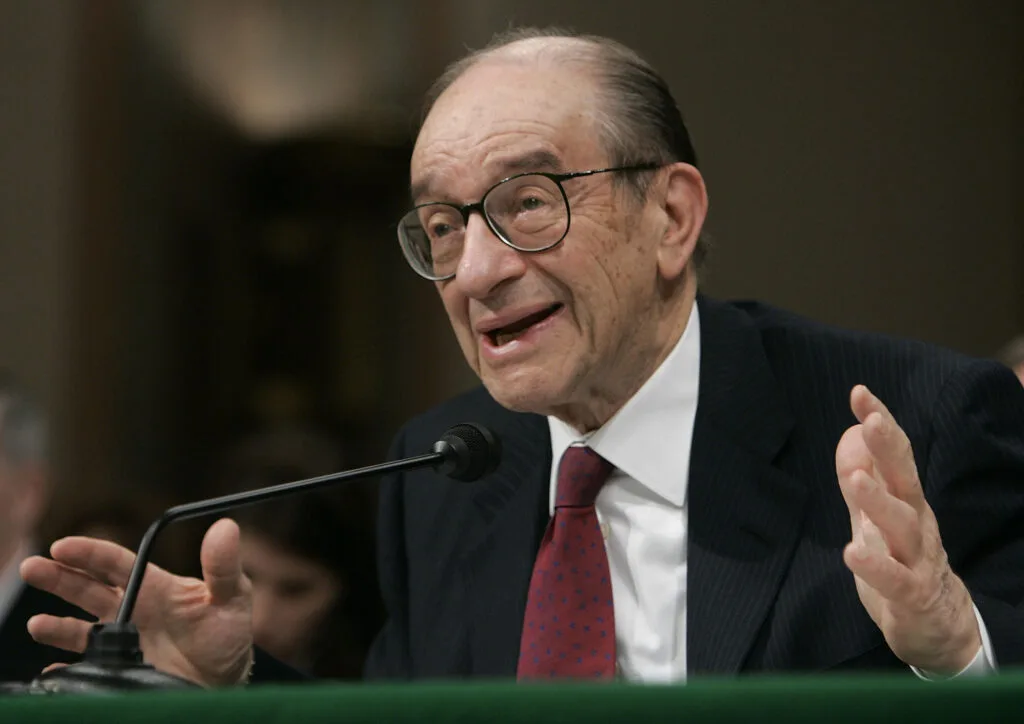
In 2006, when Alan Greenspan stepped down after nearly two decades as chair of the Federal Reserve, he was regarded as an economic superstar, his ideas seen as virtually unassailable.
Then known as “the wizard” and “the maestro,” Greenspan had led the U.S. central bank under four presidents, received the country’s highest civilian honor, and was credited with helping to steer the domestic economy towards booming growth and prosperity despite turmoil that included the largest terror attack on U.S. soil in history.
But a different element of his legacy would soon emerge as defining, seen as helping to unleash the forces behind the worst financial crisis for the U.S. since the Great Depression.
Central to Greenspan’s approach, as multiple FRONTLINE documentaries examined, was the then-dominant idea that Wall Street and the economy could be left alone to regulate themselves.
“Alan Greenspan was coming from a very libertarian tradition: Keep your hands off everything. The markets will sort themselves out. And if there’s a problem, then we’ll clean up afterwards,” MIT economist Simon Johnson said in the 2012 documentary series Money, Power & Wall Street. “That really was the way the Federal Reserve operated under his leadership for almost 20 years.”
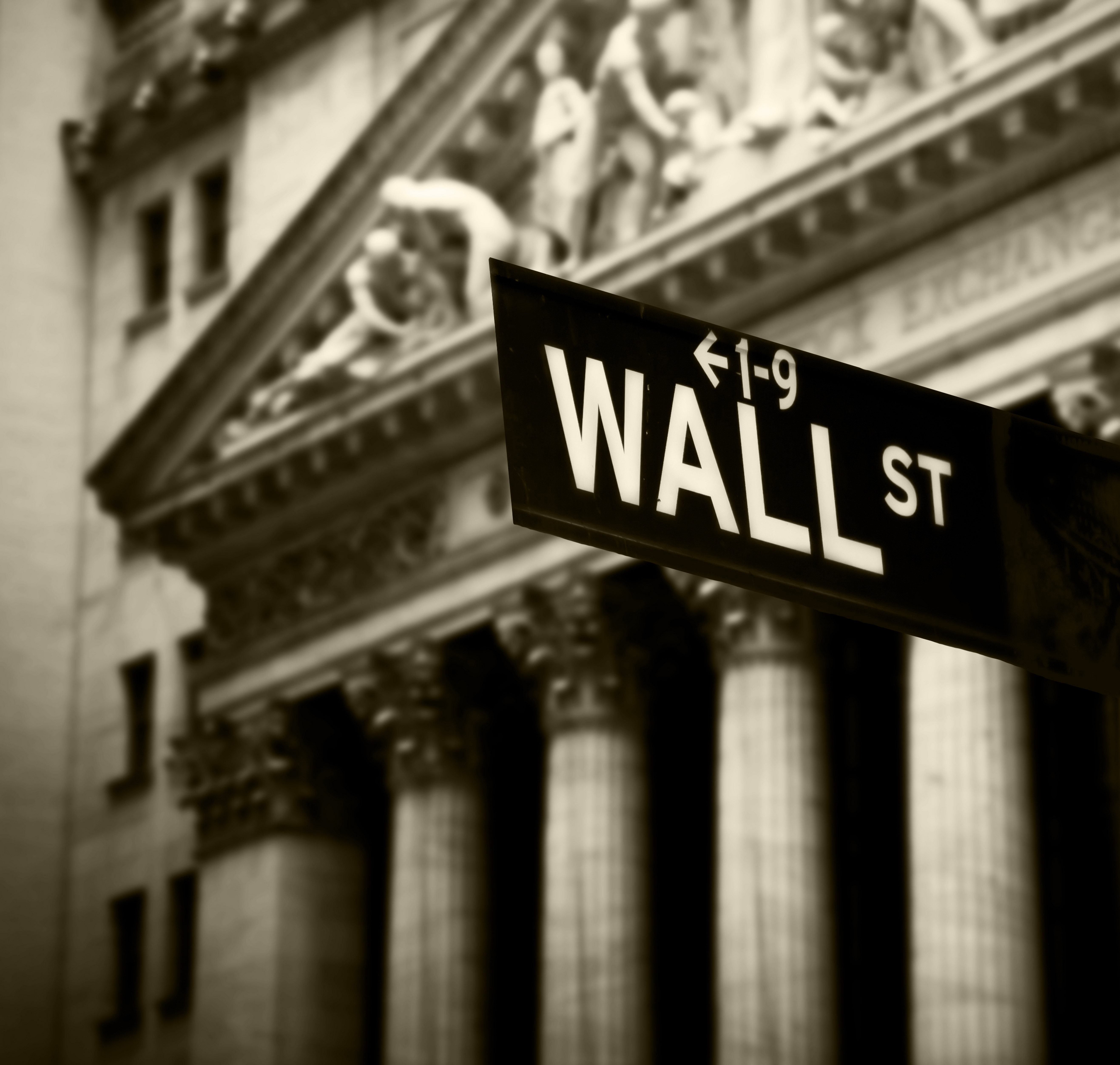
Greenspan’s view was that the banks and big investors “were sophisticated. They had a lot at stake, and if things were going wrong, it would be in their interest to do something about it,” author and journalist David Wessel told FRONTLINE in an interview for the 2009 documentary The Warning.
But with little regulation, banks began to take on now-notorious amounts of risk. And the housing, tech and derivatives bubbles that had grown while Greenspan was Fed chair soon burst, part of a chain of events that would result in the Great Recession.
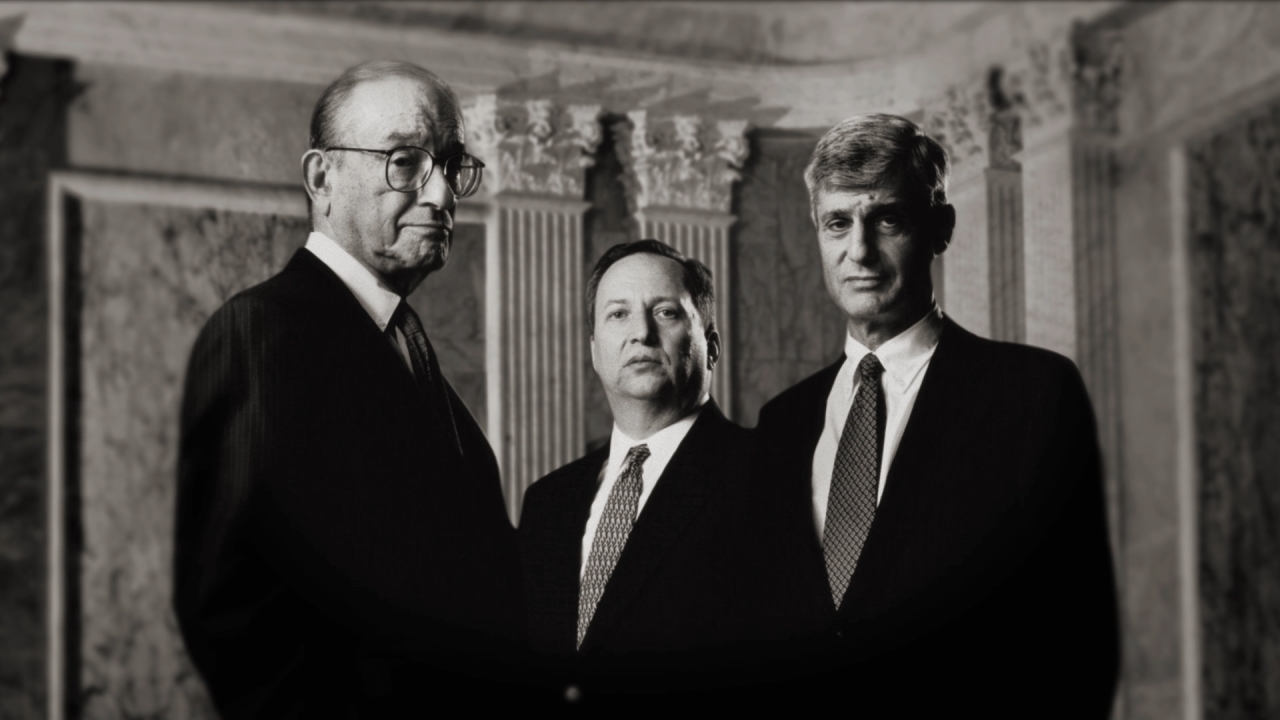
In 2008, two years after he resigned, Greenspan was no longer viewed as an oracle — and he testified before Congress that his ideology of letting markets regulate themselves had been flawed.
When asked if he had been wrong, he replied, “yes,” adding that he was “very distressed.”
“I was shocked because I’ve been going for 40 years or more with very considerable evidence that it was working exceptionally well,” Greenspan said.
The admission, observers told FRONTLINE, was remarkable.
“It struck me as someone admitting that the core belief that had animated, you know, basically, a 20-year, 18-year career as Fed chief was wrong,” journalist and author Roger Lowenstein said in The Warning. “It’s stunning, but it doesn’t undo the damage.”
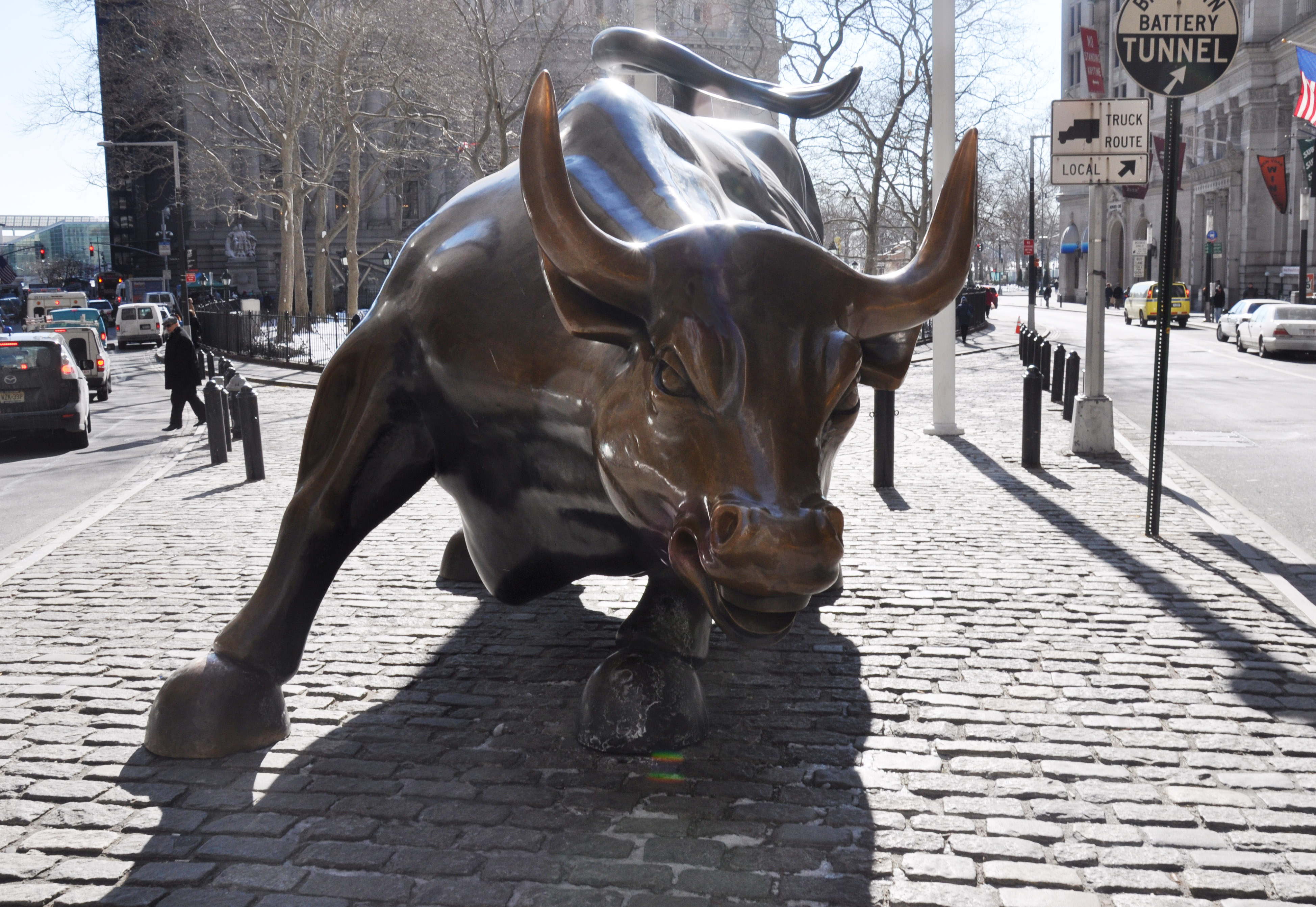
“I think it’s a tribute to him that he had some hindsight,” Sheila Bair, former chair of the Federal Deposit Insurance Corporation, said in an interview for the 2009 documentary Inside the Meltdown. “I’m probably more regulatory than he is, particularly on the consumer side, but he’s a very smart person, and I think whatever he did, I think it was truly what he believed to be in the best interest of the economy.”
In the wake of Greenspan’s death in June 2026 at age 100, these three documentaries and two interview collections illuminate his economic philosophy, his decades of influence on the U.S. economy — and how a financial crisis followed.
The Warning (2009)
Watch the Documentary
The Warning
Looking back to the 1990s, filmmaker Michael Kirk and his team discovered early warnings of the coming 2008 financial crash. At the center, they found Brooksley Born, former chair of the Commodity Futures Trading Commission, who spoke for the first time on television about her failed campaign to regulate the secretive, multitrillion-dollar derivatives market whose crash helped trigger the financial collapse in the fall of 2008. This documentary traces a concerted effort not to regulate the emerging, highly complex, and lucrative derivatives markets — which would become a ticking time-bomb within the American economy. A chief opponent of regulating derivatives: Greenspan.
The Alan Greenspan Era: Interview Collection (2009)
Read a collection of interview excerpts with sources from the making of The Warning, including:
- Former SEC commission chair Arthur Levitt: “I would say that more often than not, I had to prove to Alan why this regulation or that regulation made sense”
- Former Clinton economic adviser Joseph Stiglitz: “I think Greenspan was honestly doing what he thought was best for the economy for a long period of time”
- Former director of the CTFC Division of Trading and Markets Michael Greenberger: Greenspan was “a total believer that the markets were self-correcting”
- Journalist and author David Wessel: “I think it’s wrong to say that one person is responsible for the worst calamity to hit the U.S. economy since the Great Depression itself. What makes it extraordinary is the number of people and institutions that failed.”
Inside the Meltdown (2009)
Watch the Documentary
Inside the Meltdown
From the Bear Stearns deal, to Lehman Brothers’ collapse, to the propping up of insurance giant AIG, to the $700-billion bailout, this documentary from Michael Kirk and his team is a definitive examination of key moments during the financial crisis that followed Greenspan’s tenure. The documentary goes inside the behind-the-scenes debates between economists, government officials and bankers as they struggled to stave off the collapse and tried to save the U.S. economy.
Greenspan’s Legacy: Interview Collection (2009)
Read a collection of interview excerpts with sources from the making of Inside the Meltdown, including:
- Then-Rep. Barney Frank (D-MA), former chair of the House Financial Services Committee: “We are going to be adopting regulation now, which people like Alan Greenspan used to resist. Greenspan’s acknowledgement that the market is not as self-correcting as he thought is now going to be a very important piece of that argument.”
- Sheila Bair, former chair of the Federal Deposit Insurance Corporation: “There’s some very good things that had happened during his tenure at the Fed.”
Money, Power and Wall Street (2012)
Watch the Video
Money, Power & Wall Street: Part 1
In this Polk- and Emmy Award-winning four-hour investigation of the global financial crisis, FRONTLINE told the inside story of the struggles to rescue and repair a shattered economy — exploring key decisions, missed opportunities, and the unprecedented and uneasy partnership between government leaders and titans of finance that would affect the fortunes of millions of people around the world. From Michael Kirk, Jim Gilmore, Mike Wiser, Marcela Gaviria and Martin Smith, the four-part series probes the story of the big banks — how they developed, how they were regulated, how they profited, and how the model that produced unfathomable wealth planted the seeds of financial destruction. Watch part one above and parts two through four here.
Plus: Explore some of Greenspan’s thoughts about market regulation and derivatives in his own words.
Senior Digital Writer, FRONTLINE
Related Documentaries


Latest Documentaries
Related Stories
Money, Power and Wall Street
The Warning
Inside the Meltdown
Related Stories
Money, Power and Wall Street
The Warning
Inside the Meltdown
Explore
Policies
Teacher Center

Jon and Jo Ann Hagler on behalf of the Jon L. Hagler Foundation
Corey David Sauer
Koo and Patricia Yuen
FRONTLINE is a registered trademark of WGBH Educational Foundation. Web Site Copyright ©1995-2025 WGBH Educational Foundation. PBS is a 501(c)(3) not-for-profit organization.
Funding for FRONTLINE is provided through the support of PBS viewers and by the Corporation for Public Broadcasting, with major support from Ford Foundation, and The Fialkow Family Foundation. Additional funding is provided the Abrams Foundation, Park Foundation, John D. and Catherine T. MacArthur Foundation, Heising-Simons Foundation, and the FRONTLINE Trust, with major support from Jon and Jo Ann Hagler on behalf of the Jon L. Hagler Foundation, and Corey David Sauer, and additional support from Koo and Patricia Yuen. FRONTLINE is a registered trademark of WGBH Educational Foundation. Web Site Copyright ©1995-2026 WGBH Educational Foundation. PBS is a 501(c)(3) not-for-profit organization.