Making a Documentary About What Was Behind Trump and Bukele’s CECOT Deal
Filmmakers Juan Ravell and Jeff Arak, in partnership with El Faro, unpacked what was behind a deal to send U.S. deportees to a Salvadoran prison and President Nayib Bukele’s tangled history with gangs like MS-13.
April 28, 2026
Share
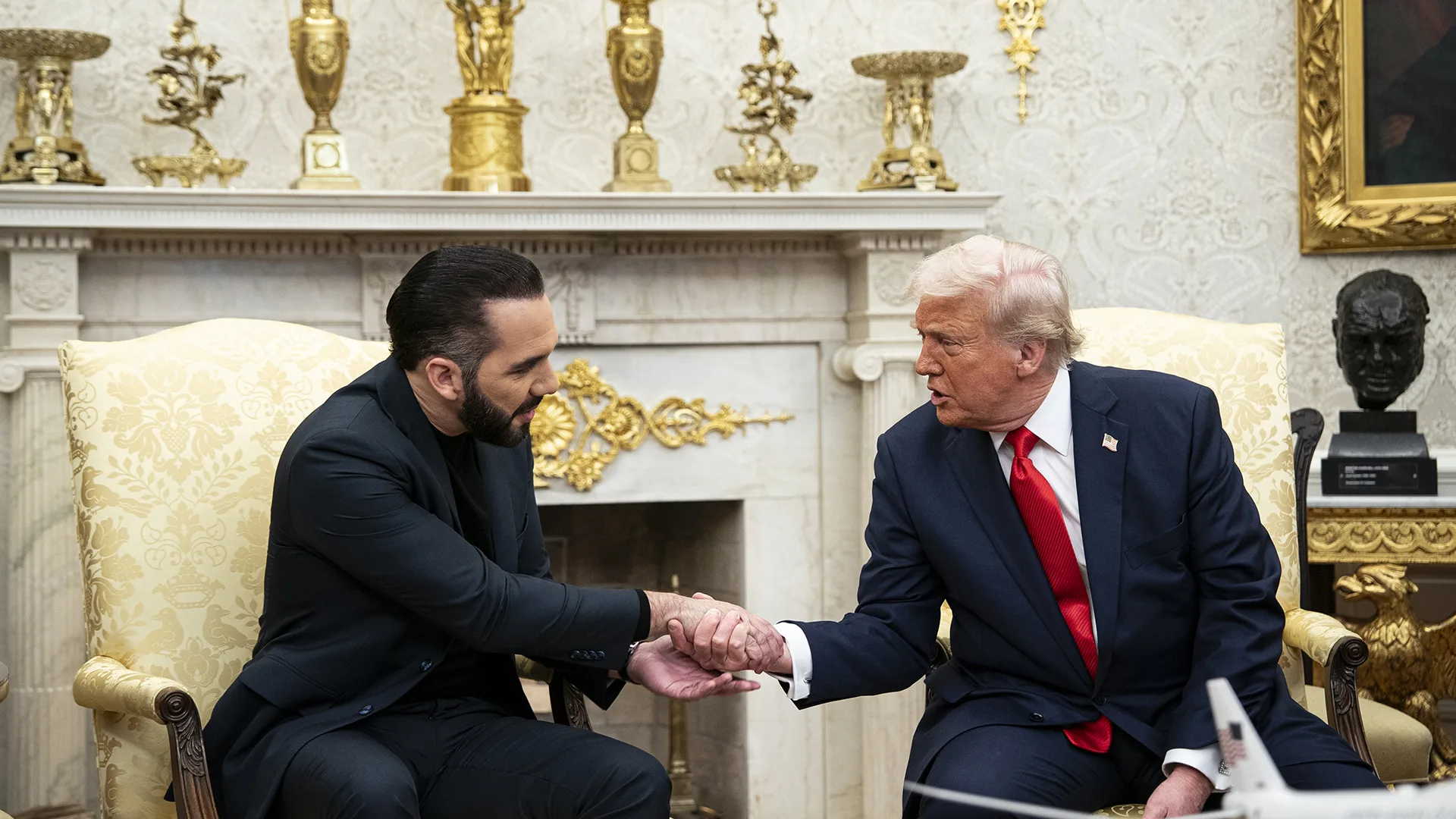
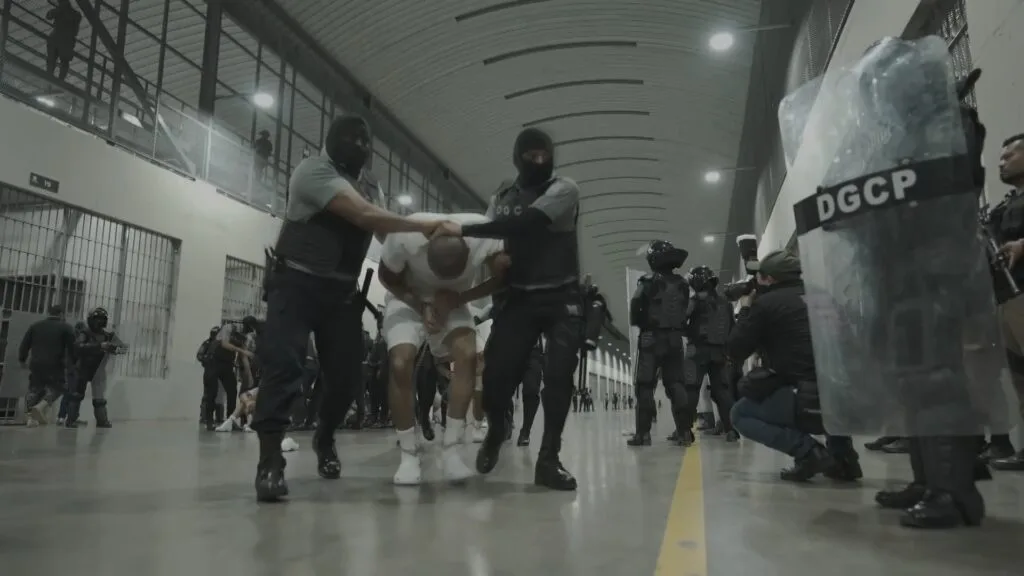
In March 2025, a sweeping immigration crackdown under President Donald Trump led to hundreds of individuals being deported from the U.S. to a notorious prison in El Salvador known as CECOT. Behind the deportations was a deal worked out between Trump and President Nayib Bukele — a popular Latin American leader who had once called himself the world’s coolest dictator and built a reputation for being tough on gangs in El Salvador and lowering homicide rates.
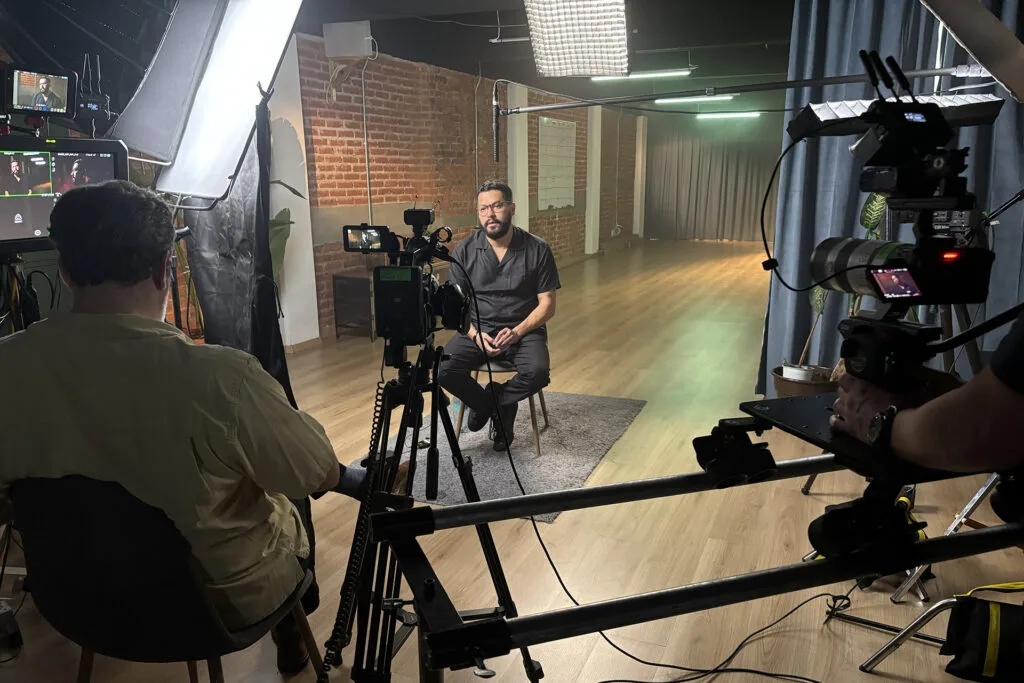
Drawn to the implications of this deal, director Juan Ravell and producer Jeff Arak set out to examine and document the story behind the headlines.
A collaboration with the Salvadoran investigative news outlet El Faro, their documentary The Deal: Trump, Bukele & the Gangs of El Salvador delves into what Bukele stood to gain from the deal and documents his rise and his handling of violent Salvadoran gangs like MS-13.
Ravell and Arak spoke to FRONTLINE about working with the journalists at El Faro, capturing the complexity of the story, and the importance of press freedom.
“It’s a complex story, a complex society, but we try to make it as clear as possible,” Ravell said.
This interview has been edited for clarity and length.
How did this documentary and partnership with El Faro come about?
Ravell: When the planes with deportees from the U.S. arrived in El Salvador and were taken into CECOT, a maximum security prison, Jeff and I said we want to do something about this. This is so interesting. Why is the U.S. sending people to El Salvador?
From there we started reporting, talking to lawyers and family members of the people being sent to CECOT. And we soon realized that many of them didn’t have criminal convictions and didn’t have any proven gang affiliation. That piqued our interest. We did some shoots around the subject, with our main focus being the Venezuelans being jailed in CECOT. But since so many people were reporting on this at the same time, we were trying to find the story and find a new angle.
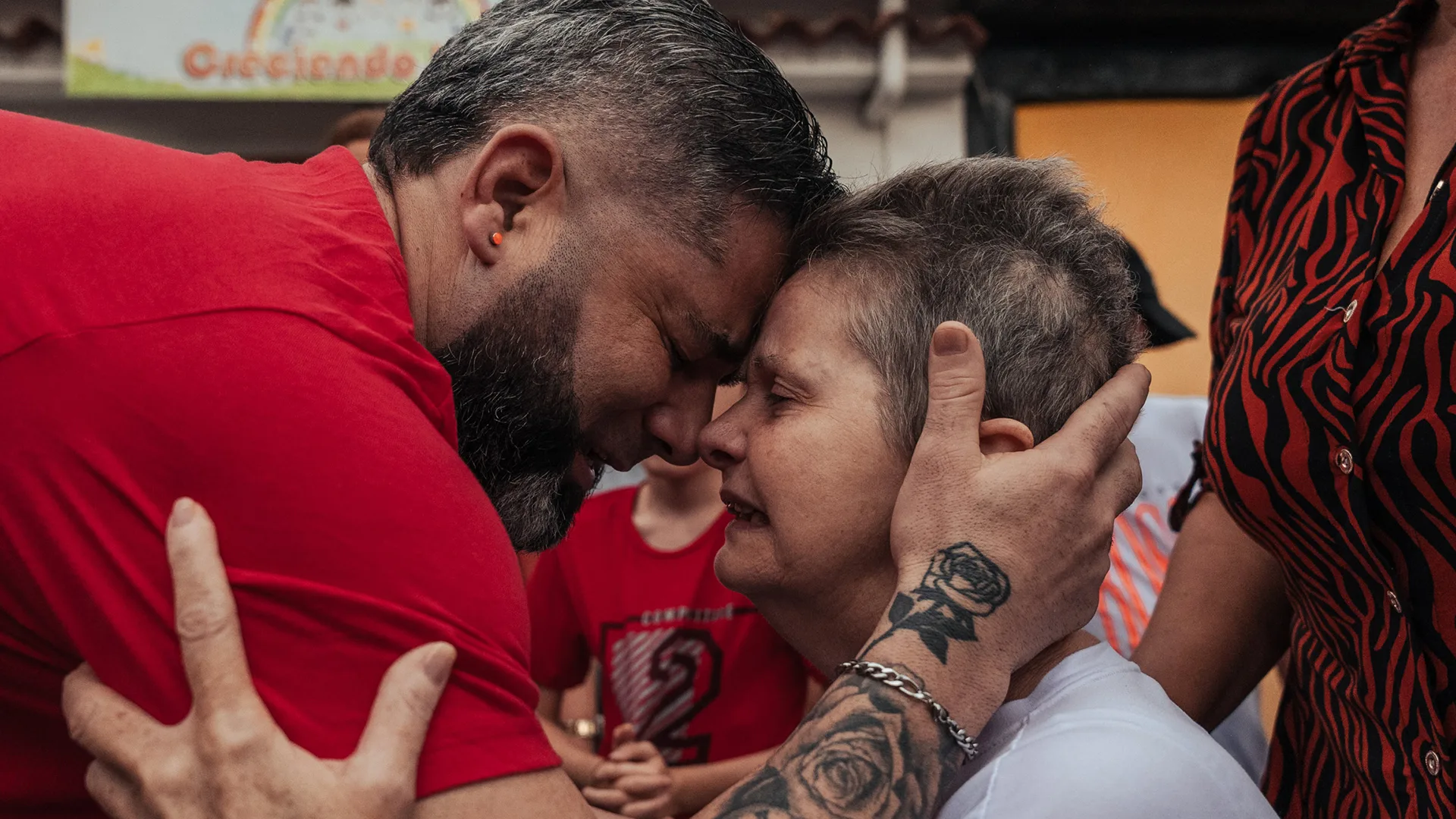
I had met the El Faro journalists at a journalism conference in the past. We set up a Zoom call with reporter and managing editor Óscar Martínez. We asked him, from the Salvadoran perspective, what is this thing happening with CECOT and the Venezuelans? And he said, “Yeah, it’s troubling. It’s notable, not just that Venezuelans are being sent, but also that this former gang leader, Greñas [César Humberto Larios], is being returned by Trump to Bukele. He likely holds information Bukele would rather keep from public view.” And from there, our story just changed.
You open the documentary by introducing President Nayib Bukele through his relationship with President Donald Trump. Why did you choose that as the starting point? How did it help frame the narrative that followed?
Arak: We started the film a number of ways over the course of working on it, and I think we settled on this one because, if you look at the title — The Deal — we really wanted to make sure it was front and center that what you’re going to see is the backstory to something that made a lot of news in the U.S. By focusing on the meeting between Trump and Bukele, I think it’s not only a good news hook, but it also lets the audience know that everything you’re going to hear in the next 50 minutes is going to come back to that meeting.
Most people heard about the Oval Office visit with Bukele and maybe know some facts. But many outlets just don’t have the time to go deep into Bukele’s ties to the gangs. We wanted to make sure that the meeting was really contextualized. That’s essentially what we spent the whole film doing.
How did you approach portraying the growing strain between El Faro and Bukele’s government?
Ravell: When we started doing research, it was interesting because we found that Bukele was initially a follower and a big fan of El Faro. That’s one of the reasons why, in one of the opening scenes, we show Bukele being interviewed by reporter Carlos Martínez from El Faro. We weren’t able to include it in the film, but in that interview he had gracious words to say about El Faro and was glad to be invited there. He was a mayor at the time and El Faro had done some reporting on him. He was criticizing the governments of the past, the same governments El Faro had been investigating. In that sense, some might think he liked El Faro because they had investigated the people he was going to run against in the future.
So, the film notes a lot of the social, economic and political shifts in El Salvador under Bukele. How did you approach portraying him as a leader while contextualizing his widespread popularity as well as criticisms of his tenure?
Ravell: One thing we mention in the film several times is that Bukele is really popular — one of the most popular leaders in the region. That’s something you have to take into account: the sensibilities of Salvadorans who in large numbers support him.
Bukele is a political survivor, a shapeshifter, a very smart politician who can adapt to circumstances. There is not one single Bukele. The Bukele of his mayorship, from the progressive FMLN party on the left, is one person. Bukele in the presidential campaign, an anti-establishment crusader, an avenger, as Carlos Martínez calls him in the film, is another.
Then, there’s Bukele as elected president, presenting himself as a crime fighter with the Plan Control Territorial. In El Salvador and abroad, he was celebrated for his stance on crime and for lowering crime rates, but what El Faro’s reporting uncovered at the time is that while he was cracking down, he was also making deals with the gangs to lower crime. And finally, there’s the Bukele from 2022 onward following the launch of his “state of exception” — still super popular, even amid accusations of mass incarcerations and allegations of human rights abuses. He cracked down on gangs and dismantled most of them, to our knowledge. It’s a complex story, a complex society, but we try to make it as clear as possible.
Arak: El Salvador suffers from the same political polarization we have in the United States, where people feel they need to take sides and become very defensive of politicians they see as their champions. One thing we’ve been repeating over the course of producing this film is that two things can be true at the same time. Bukele can be responsible for exiling journalists and for the alleged human rights violations; his government can be guilty of collaborating with the gangs throughout his political career, as outlined by U.S. federal prosecutors and El Faro’s reporting. At the same time, he also dismantled the organized crime infrastructure in El Salvador.
It wouldn’t be fair to paint him as a single thing. Despite the fact that his administration wouldn’t speak with us, I think we did a good job laying all of that out and allowing the audience to come to their own multifaceted conclusions about this very iconoclastic and complex politician.
What drew you to filming the Martínez brothers’ story as a way to tell the larger story about Bukele’s deal?
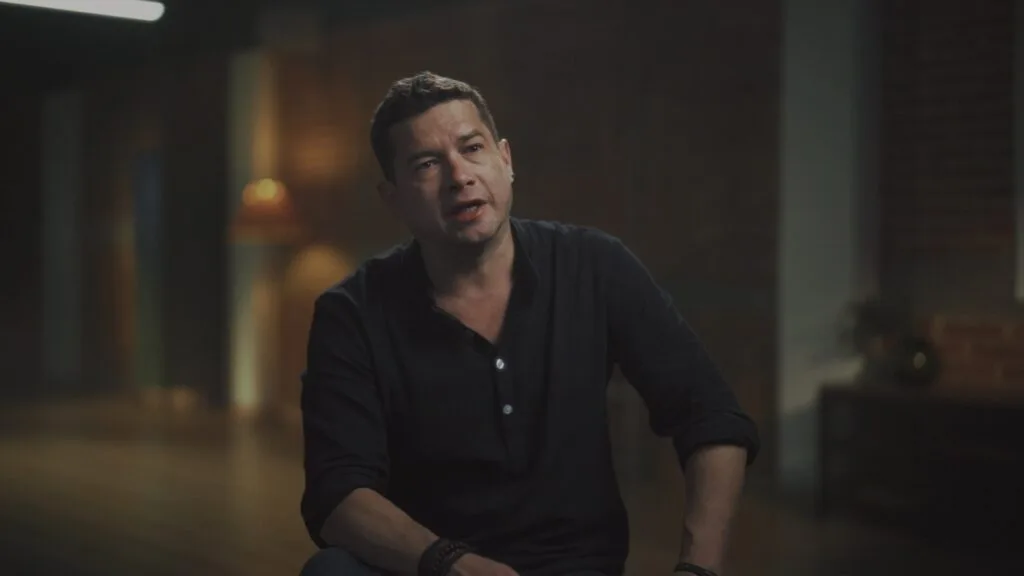
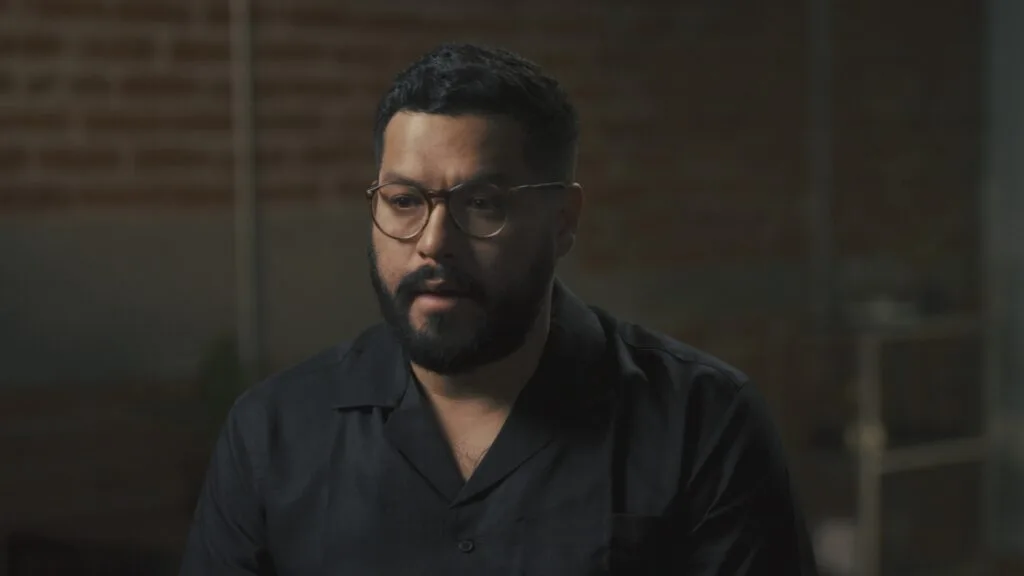
Arak: Everyone we spoke to said El Faro has done the quintessential reporting on this story. They are cited in other reporters’ work as well as in court documents written by federal prosecutors, and their work spans the longest time period. They’ve been writing about Bukele since he was mayor. They were the logical partners for this film, and we’re so grateful they agreed.
Not only are they some of the most courageous and dedicated reporters — as evidenced by their continuing to publish from exile — but they are eloquent and charismatic, and they do justice to the topic in the seriousness with which they approach their work.
The film weaves together multiple threads — gang leadership structures, international foreign policy agreements, Bukele’s political strategy and U.S. investigative teams like Task Force Vulcan, which was created during the first Trump administration to go after MS-13 leadership and extradite them to the U.S. How did you structure the film to make these interconnected elements understandable for viewers?
Arak: The investigation is the backbone of the film, and it’s dual-faceted. There’s the investigation the El Faro reporters are engaged in, which reveals the Salvadoran government’s ties to gangs, and there’s the investigation federal prosecutors in the U.S. are engaged in to take down MS-13 leaders — and they’re intertwined. Information that El Faro is reporting is making its way into court documents in the U.S., and sources connected to Vulcan are feeding El Faro’s reporting as well.
"Not only are they some of the most courageous and dedicated reporters — as evidenced by their continuing to publish from exile — but they are eloquent and charismatic ..."
You find out near the end that both investigations become inconvenient to both presidents, and both are targeted. The El Faro team is targeted through surveillance and ultimately, reported drafts of arrest warrants, and the U.S. investigation is targeted by the dismissal of cases against the very suspects Vulcan spent years building prosecutions against — citing “sensitive and important foreign policy considerations.” You see what can happen to investigations that are inconvenient to power — and the job of journalism is to expose, which is why FRONTLINE was the right home for this film.
When portraying the surge in killings in El Salvador in March 2022, how did you approach framing it as a turning point in the relationship between Bukele’s government and the gangs?
Ravell: As Óscar Martínez and Carlos Martínez say in the film, this is the gangs’ way of saying: we can control murder rates. We can make them go up and down. It’s very interesting to see Bukele’s response. Even in the audios El Faro obtained, where a gang member and a government official discuss this, it’s interesting what they reveal about the inner workings of the decision-making process that led to the state of exception.
This is journalism doing the first draft of history. There are many unknown things. We don’t know every single detail about why this relationship changed or why this breakdown happened. We know some elements and we show that in the film, but we don’t have all the information yet. El Faro is still reporting on it.
How did you use archival footage and stills to push the story forward? The partnership with El Faro must also have helped with access to video and photo archives?
Ravell: Yes, El Faro has been documenting El Salvador for years, so we have access to their great library of great photographs and videos. But we also did some digging ourselves.
Arak: When you’re telling a story about the past, I think it’s important to think outside of the internet and think outside things that have already been published. We love telling stories that are ongoing and unfolding. And when you have to tell a story about something that’s already happened, thinking outside the box and investing time in locating independent producers who have their own libraries really helps provide layers of context and understanding to stories people think they may have already heard or seen.
"Our job is not to align with any political narrative. Our job is not to say who's right and who's wrong. Our job is to report on the facts. And these are the facts. If they're uncomfortable, so be it."
We had an amazing archival producer named Claudia Lopez, who is bilingual and has great relationships that allowed us to find material outside of the El Faro library. We were also able to work with independent photographers and filmmakers who live in El Salvador and had their own archives. That was a priority for us, and I think it makes the film more interesting.
World Press Freedom Day is coming up. In your view, why is a free press important?
Arak: So we can agree on what reality is. There used to be less contention about whether what you read or see on the news is real. We used to have at least some agreement on what’s happening. I think a free press is important because we need to agree on what’s going on in order to make decisions as a society.
Ravell: One thing that Óscar has said to us many times during our conversations is: even if people support Bukele, I’d rather have people know than not know. Whatever you do with that information is up to you. Our job is not to align with any political narrative. Our job is not to say who’s right and who’s wrong. Our job is to report on the facts. And these are the facts. If they’re uncomfortable, so be it.
The more free journalists a society has, the more informed people are, and the better decisions they make. To be honest, I think it strengthens the democratic ground on which we stand. It’s not only important — it’s essential.
Watch the documentary
The Deal
100% Independent. 100% Undeterred.
One year after federal funding was cut, FRONTLINE’s journalism remains fierce, paywall-free and independent. Your support makes it possible for us to keep reporting in the public interest, and to make our work accessible to all.
Former Tow Journalism Fellow, FRONTLINE/Columbia Journalism School Fellowship, FRONTLINE
Email:
jala_everett@wgbh.orgRelated Documentaries
Latest Documentaries
Related Stories
The Deal
Related Stories
The Deal
Explore
Policies
Teacher Center

Jon and Jo Ann Hagler on behalf of the Jon L. Hagler Foundation
Corey David Sauer
Koo and Patricia Yuen
FRONTLINE is a registered trademark of WGBH Educational Foundation. Web Site Copyright ©1995-2025 WGBH Educational Foundation. PBS is a 501(c)(3) not-for-profit organization.
Funding for FRONTLINE is provided through the support of PBS viewers and by the Corporation for Public Broadcasting, with major support from Ford Foundation, and Fialkow Family Foundation. Additional funding is provided the Abrams Foundation, Park Foundation, John D. and Catherine T. MacArthur Foundation, Heising-Simons Foundation, and the FRONTLINE Trust, with major support from Jon and Jo Ann Hagler on behalf of the Jon L. Hagler Foundation, and Corey David Sauer, and additional support from Koo and Patricia Yuen. FRONTLINE is a registered trademark of WGBH Educational Foundation. Web Site Copyright ©1995-2026 WGBH Educational Foundation. PBS is a 501(c)(3) not-for-profit organization.