Four Years After Fukushima, Japan Makes a Return to Nuclear Power
August 11, 2015
Share
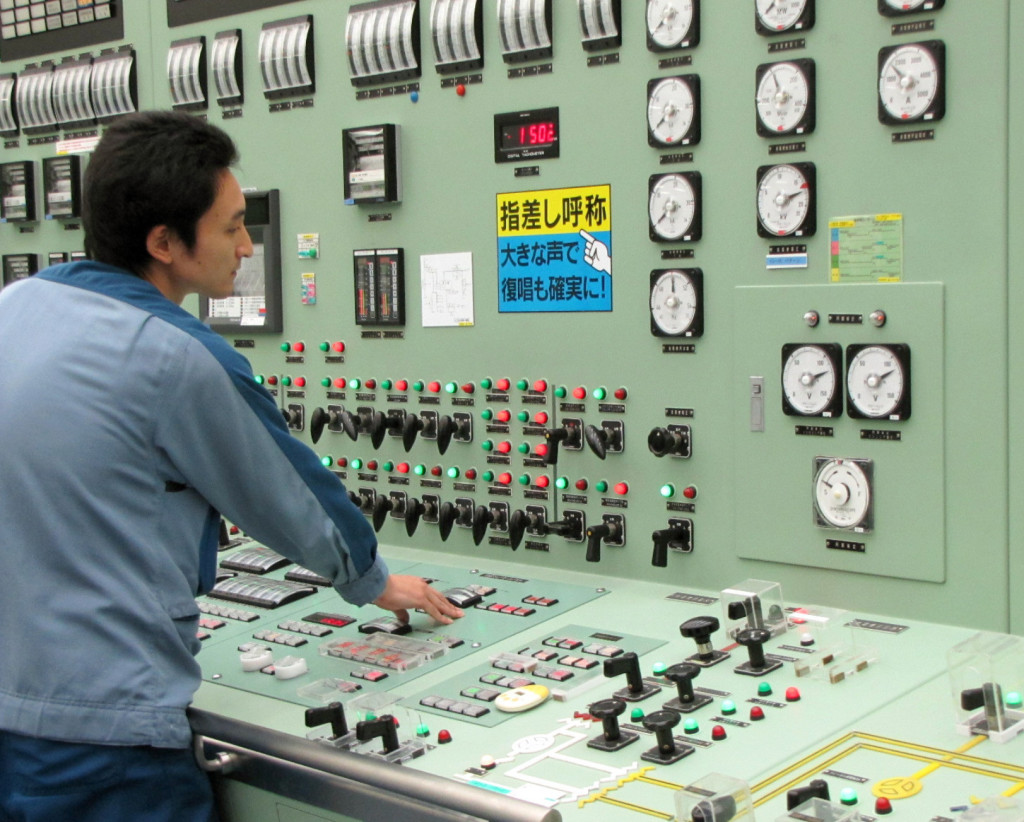
For the first time since nuclear disaster in the city of Fukushima led Japan to freeze its entire nuclear energy industry, the island nation on Tuesday took the step of restarting its first reactor despite widespread unease and fears of another meltdown.
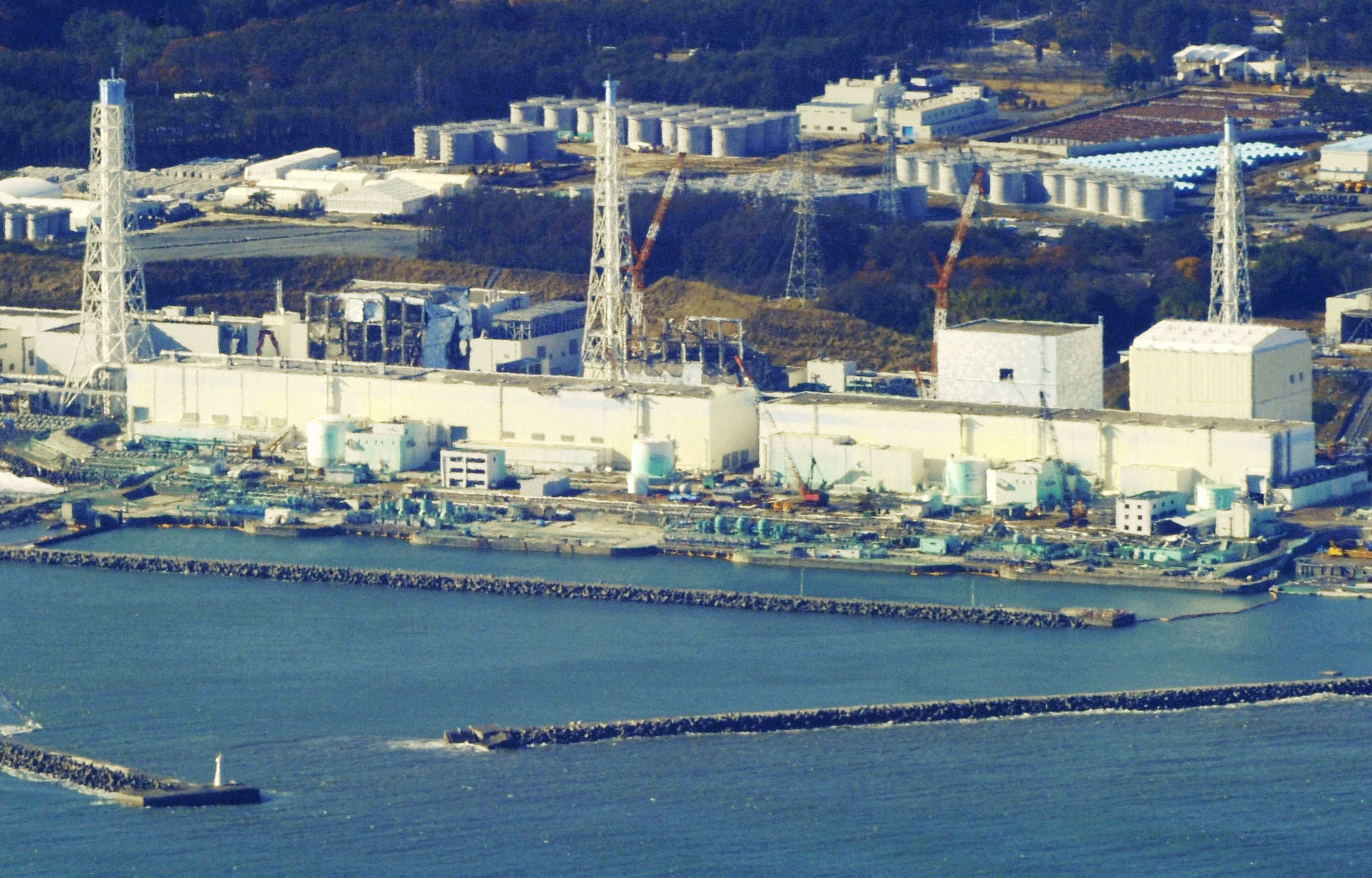
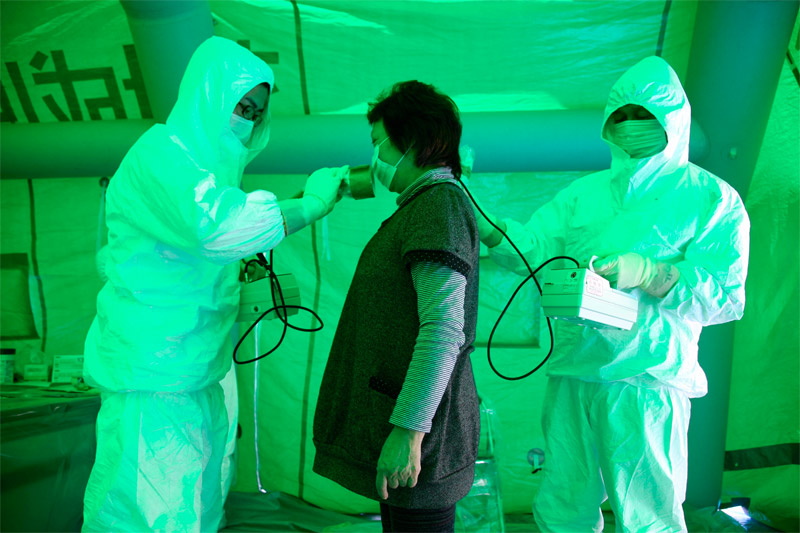
The reactor at the Sendai Nuclear Power Plant, located on the southern top of Kyushu, one of Japan’s four main islands, is the first to be brought back online since the nation took the unprecedented step of mothballing all 48 of its reactors in the wake of the Fukushima disaster. The 2011 meltdown there caused a release of radioactive material that contaminated hundreds of square miles in northeastern Japan and forced 160,000 from their homes.
Before the meltdown, nuclear power supplied about 30 percent of Japan’s energy needs, with plans to increase that share to around 50 percent. The move away from nuclear has pushed the nation to overwhelmingly rely on imports for its energy sources. That’s driven electricity costs up by 20 percent, squeezing consumers and making the return to nuclear a priority for Prime Minister Shinzo Abe’s government.
But national polls show that a majority of Japanese citizens oppose nuclear restarts, despite the introduction of new safety regulations for the industry more than two years ago. In one recent poll by Kyodo News — Japan’s primary national news wire — around 6 in 10 respondents said they were against a return to nuclear power.
Such opposition, however, hasn’t done much to slow down the process. Already operators for 25 reactors have applied for restart permits. To win approval, plants need to be relicensed, refitted with new equipment and systems and vetted under safety standards that Abe has described as “the world’s toughest.”
But history shows that restarting reactors can be tricky to accomplish without complication, and never have so many reactors been brought back online at precisely the same time. As Bloomberg News recently pointed out:
One lesson learned elsewhere is that the process rarely goes smoothly. Of 14 reactors that resumed operations after being offline for at least four years, all had emergency shutdowns and technical failures, according to data from the International Atomic Energy Agency and regulators in the U.S. and Canada.
One reactor in Sweden, for example, had six emergency shutdowns in the year after it was restarted, while a refueling process that should have taken 38 days lasted for more than four months.
The stakes will be high as nations prepare for international climate talks in Paris later this year. In nations like Germany and Japan, Fukushima helped reverse a nuclear renaissance that was years in the making. There’s little debate that nuclear is a clean energy source. The question that Japan’s return to nuclear could help answer is whether it can ever be made truly safe.
Related films: Inside Japan’s Nuclear Meltdown
An unprecedented account of the crisis inside the Fukushima Daiichi nuclear complex.
Nuclear Aftershocks
FRONTLINE travels to three continents to explore the debate about nuclear power.

Former Digital Editor
Latest Documentaries


Related Stories
Inside Japan’s Nuclear Meltdown
Nuclear Aftershocks
Related Stories
Inside Japan’s Nuclear Meltdown
Nuclear Aftershocks
Explore
Policies
Teacher Center

Jon and Jo Ann Hagler on behalf of the Jon L. Hagler Foundation
Corey David Sauer
Koo and Patricia Yuen
FRONTLINE is a registered trademark of WGBH Educational Foundation. Web Site Copyright ©1995-2025 WGBH Educational Foundation. PBS is a 501(c)(3) not-for-profit organization.
Funding for FRONTLINE is provided through the support of PBS viewers and by the Corporation for Public Broadcasting, with major support from Ford Foundation, and The Fialkow Family Foundation, as part of the Plum Bush Foundation. Additional funding is provided the Abrams Foundation, Park Foundation, John D. and Catherine T. MacArthur Foundation, Heising-Simons Foundation, and the FRONTLINE Trust, with major support from Jon and Jo Ann Hagler on behalf of the Jon L. Hagler Foundation, and Corey David Sauer, and additional support from Koo and Patricia Yuen. FRONTLINE is a registered trademark of WGBH Educational Foundation. Web Site Copyright ©1995-2025 WGBH Educational Foundation. PBS is a 501(c)(3) not-for-profit organization.