Obama Asks for $1.1 Billion to Fight Opioid and Heroin Abuse
February 3, 2016
Share
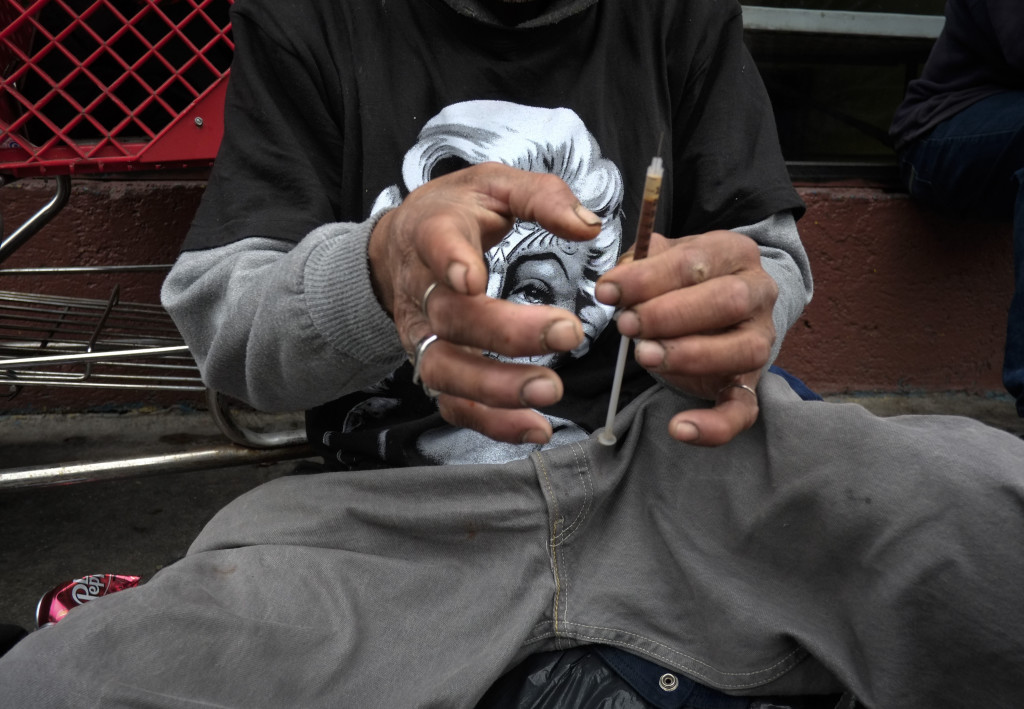
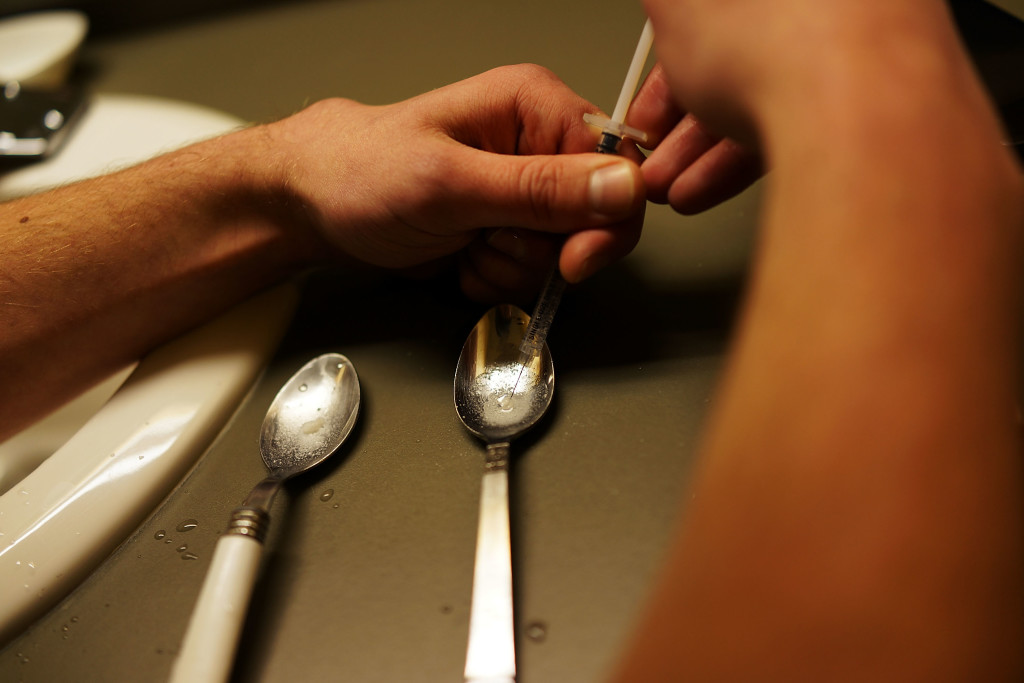
Fifteen years ago, heroin use and abuse of prescription opioids led to 7,000 overdose deaths annually. In the years since, such deaths have surged — quadrupling to 28,648 in 2014, according to the Centers for Disease Control and Prevention.
On Tuesday, the Obama administration said it would ask Congress for $1.1 billion over the next two years to combat the growing health crisis — funds mostly aimed at expanding treatment for the addicted.
According to the White House, $920 million would go toward helping states expand access to medication-assisted treatment programs. More than 2 million Americans are in need of treatment, administration officials said in a news conference, but only 1 million currently have access to it.
“We’ve heard countless stories about people who encounter long waiting lines to get into treatment, to find a bed,” White House drug czar Michael Botticelli said.
The plan would devote around $30 million to evaluating how effective treatment programs are in “real-world conditions,” and another $50 million in funding for treatment providers.
The proposed budget would also direct attention to overdose prevention strategies, including improving access to naloxone, a drug that reverses overdoses, and training health care providers on the right way to prescribe opioid painkillers.
Opioid abuse is one of the rare issues receiving bipartisan attention, with Republicans and Democrats alike calling for reform on the 2016 election campaign trail. President Obama listed prescription drug abuse as one of the “bipartisan priorities” he hoped both parties could work together on during his last State of the Union address.
Sen. Rob Portman, R-Ohio, co-authored a bipartisan piece of legislation with Sen. Sheldon Whitehouse, D-R.I., to tackle the opioid crisis. The proposed legislation would expand prevention and education efforts, increase the availability of naloxone — the overdose-reversing drug — to law enforcement and first responders, expand treatment for addiction, including to individuals in prison, and increase monitoring of prescription drugs.
The Senate Judiciary Committee considers the bill this Thursday. Portman responded to Obama’s plan with a statement saying, “If the White House is serious about fighting the heroin epidemic, the president will signal his support for the bipartisan Comprehensive Addiction & Recovery Act.”
For more on the heroin epidemic, tune into FRONTLINE on Feb. 23 for Chasing Heroin, a special two-hour investigation from veteran producer Marcela Gaviria. Watch the trailer:

Digital Editor, FRONTLINE
Related Documentaries
Latest Documentaries






Related Stories
Related Stories
Explore
Policies
Teacher Center

Jon and Jo Ann Hagler on behalf of the Jon L. Hagler Foundation
Corey David Sauer
Koo and Patricia Yuen
FRONTLINE is a registered trademark of WGBH Educational Foundation. Web Site Copyright ©1995-2025 WGBH Educational Foundation. PBS is a 501(c)(3) not-for-profit organization.
Funding for FRONTLINE is provided through the support of PBS viewers and by the Corporation for Public Broadcasting, with major support from Ford Foundation, and The Fialkow Family Foundation. Additional funding is provided the Abrams Foundation, Park Foundation, John D. and Catherine T. MacArthur Foundation, Heising-Simons Foundation, and the FRONTLINE Trust, with major support from Jon and Jo Ann Hagler on behalf of the Jon L. Hagler Foundation, and Corey David Sauer, and additional support from Koo and Patricia Yuen. FRONTLINE is a registered trademark of WGBH Educational Foundation. Web Site Copyright ©1995-2026 WGBH Educational Foundation. PBS is a 501(c)(3) not-for-profit organization.