Study of Former NFL Players Shows Risks for Brain from Youth Football

August 12, 2015
Share
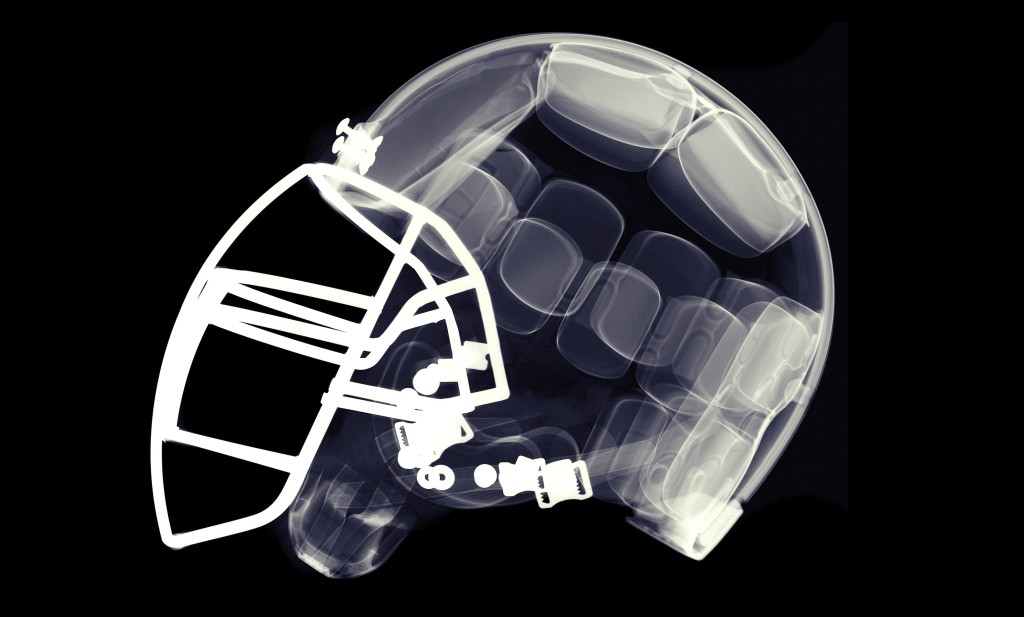
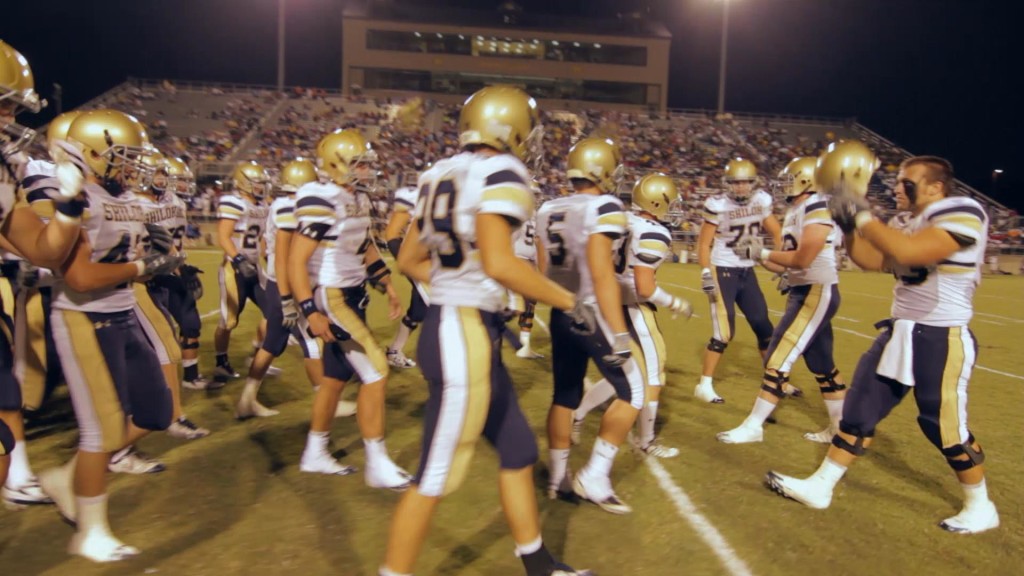
In any given season, a youth football player might experience hundreds of hits to the head. Most of the time, these routine impacts won’t be straight-on collisions that cause a concussion, but research has shown that players as young as nine can still be vulnerable to blows that carry the same amount of force that’s more typical for college football.
So what might this mean for their health later in life?
A study of former NFL players published this week by researchers at the Boston University School of Medicine and Brigham and Women’s Hospital has offered some important new clues.
The research found a bigger risk of alterations in brain development for players who played tackle football between the ages of 10 and 12 — a critical window in the development of a child’s brain — than for those who waited longer to start playing the game. The study is the first of its kind to show an association between early exposure to repetitive head impacts and structural brain changes later in life.
In practical terms, those alterations could result in a variety of challenges. A separate study from the same group of researchers found that men who started tackle football before age 12 were more likely to struggle with fundamental cognitive function — like memory, reasoning and planning. They were also three times more likely to face “clinically-meaningful depression.”
The study, which was published in the Journal of Neurotrauma, drew on brain imaging for 40 former NFL players between the ages of 40 and 65. Each player in the study had more than 12 years of organized football experience, with at least two of those years spent in the NFL. Half started tackle football before turning 12. Half started after.
The research team — led by Boston University’s Robert Stern and Julie Stamm and Inga Koerte and Martha Shenton of Brigham and Women’s Hospital in Boston — caution against overstating their findings. To be sure, they say, the study is too small to justify sweeping changes in rules or policy, and the research doesn’t prove a direct link between starting football at too young an age and changes to the brain later in life. Rather, it only shows an association.
They also note that the players in the study started football decades ago, during a much different climate in terms of the sensitivity around football and head injuries. In 2012, for example, the national Pop Warner football organization adopted new rules designed to reduce the risk of concussions in games and practices.
Still, that doesn’t mean the findings can or should be ignored, said Stern, who serves as director of the clinical core of Boston University’s Alzheimer’s Disease Center and clinical director of the school’s Chronic Traumatic Encephalopathy Center.
“Regardless of the results of this study, it makes sense to me that children, that during those ages of around 10 to 12 whose brains are rapidly developing, shouldn’t be hitting their heads over and over again,” he said. “This study supports that idea and suggests that there might be later in life consequences.”

Former Digital Editor
Related Documentaries
Latest Documentaries








Related Stories

League of Denial: The NFL’s Concussion Crisis
Related Stories
League of Denial: The NFL’s Concussion Crisis
Explore
Policies
Teacher Center

Jon and Jo Ann Hagler on behalf of the Jon L. Hagler Foundation
Corey David Sauer
Koo and Patricia Yuen
FRONTLINE is a registered trademark of WGBH Educational Foundation. Web Site Copyright ©1995-2025 WGBH Educational Foundation. PBS is a 501(c)(3) not-for-profit organization.
Funding for FRONTLINE is provided through the support of PBS viewers and by the Corporation for Public Broadcasting, with major support from Ford Foundation, and The Fialkow Family Foundation. Additional funding is provided the Abrams Foundation, Park Foundation, John D. and Catherine T. MacArthur Foundation, Heising-Simons Foundation, and the FRONTLINE Trust, with major support from Jon and Jo Ann Hagler on behalf of the Jon L. Hagler Foundation, and Corey David Sauer, and additional support from Koo and Patricia Yuen. FRONTLINE is a registered trademark of WGBH Educational Foundation. Web Site Copyright ©1995-2025 WGBH Educational Foundation. PBS is a 501(c)(3) not-for-profit organization.