At the beginning of 2016, artificial intelligence engineers passed a significant milestone: A computer won a “Go” match against a professional human player for the first time.
It was a human victory disguised in human defeat, and it set the tone for the year ahead—a year that pushed bots further, automation wider, and algorithms deeper.
AlphaGo, a robot trained via machine learning techniques, imitates the way the human brain solves problems and learns from experience. It was spoon-fed 30 million positions from 160,000 human-only rounds of the ancient Chinese game “Go” and then used that information to practice against itself and solidify its strategy. AlphaGo
Machine learning isn’t limited to complex board games—but AlphaGo highlighted what Wired characterized as the “sadness and beauty” of artificial intelligence. Smart systems learn from humans in order to function, but they have a potential to surpass what even the most intelligent of humans can understand. A Go player might even call AlphaGo’s technique “artful,” which is as unnerving as it is awesome. Games are just the beginning. Machine learning could reduce carbon footprints , stop sex trafficking , and
help automate emergency response systems .

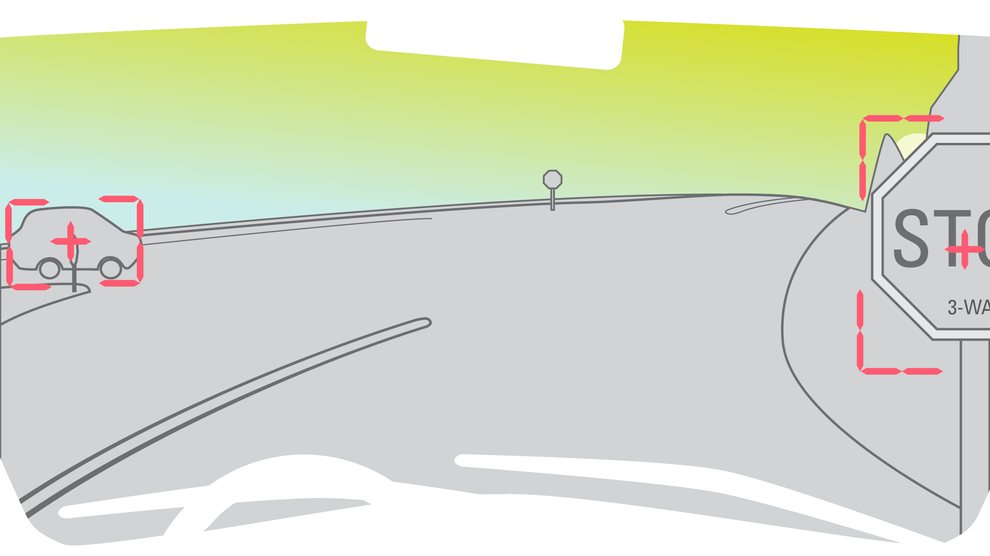
Automation itself was another area of growth for 2016, specifically with regard to self-driving cars . Though there have been some bumps in the road—one of Google’s cars crashed in February, and in May, a Tesla driver was killed—researchers are working out the kinks in hopes that self-driving cars will revolutionize cities and the economy. Uber introduced autonomous vehicles to the streets of Pittsburgh in September, and Intel says it’s putting $250 million toward the technology. Apple has skin in the game, too; the company announced through regulatory filings in December that it’s working on self-driving cars. Some big questions lie ahead for these companies: Is an autonomous vehicle a legal driver ? Can we train self-driving cars to be moral ?
And speaking of morality, sophisticated algorithms will almost certainly require sophisticated ethics. Toward the end of the year, we saw that computers can inherit implicit bias , resulting in very real problems . Any endeavor involving artificial intelligence, machine learning, or complex algorithms will undoubtedly grapple with these issues in 2017.
