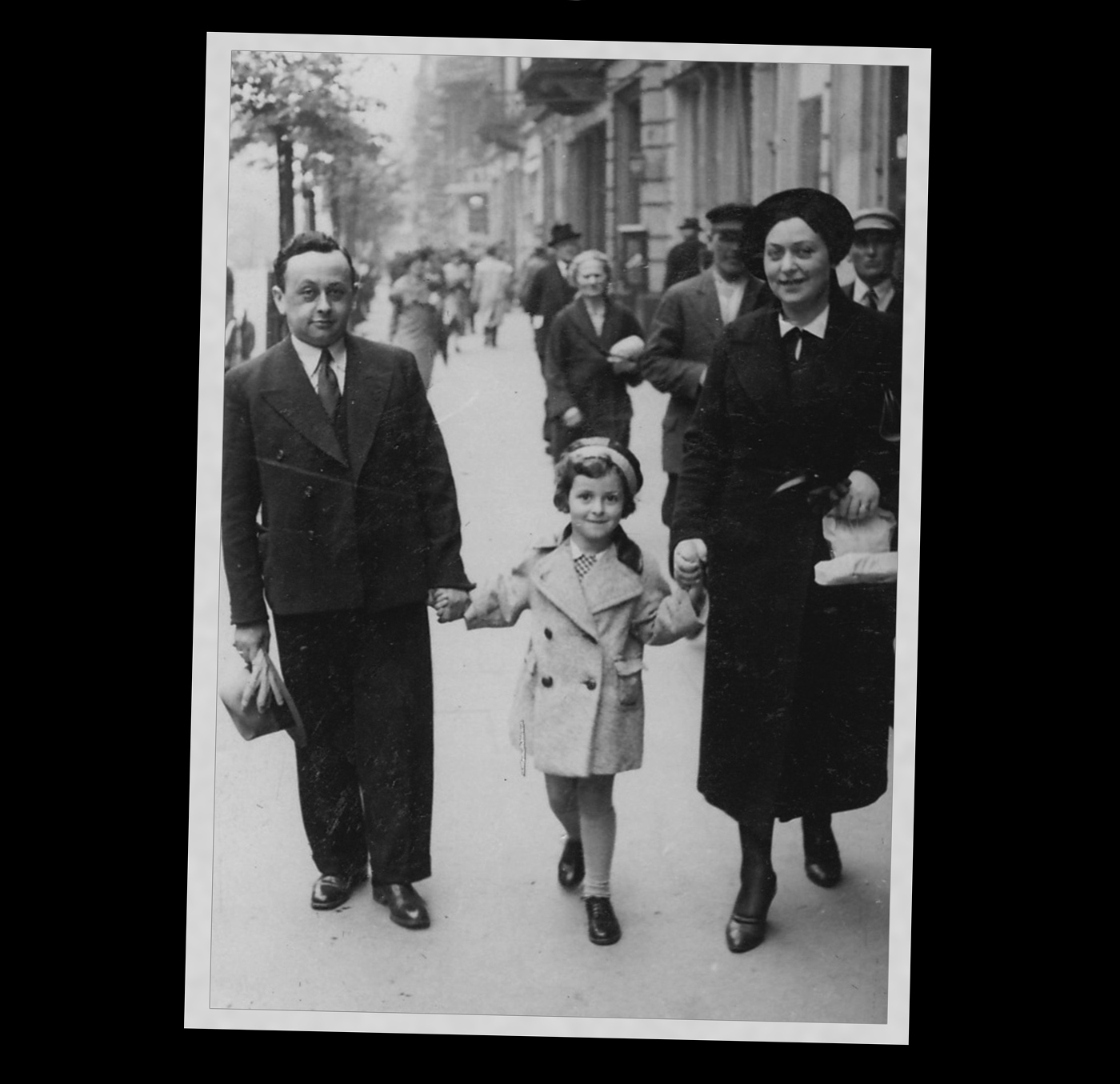
As many as 1.5 million children were killed in the Holocaust. But some managed to survive, at times because they hid with their families, because relatives sacrificed themselves to protect them, or because they pretended not to be Jewish.
Before World War II, Poland’s capital was home to the country’s largest Jewish community. More than 350,000 Jews lived in the city. No more than 20,000 of them survived the Holocaust.
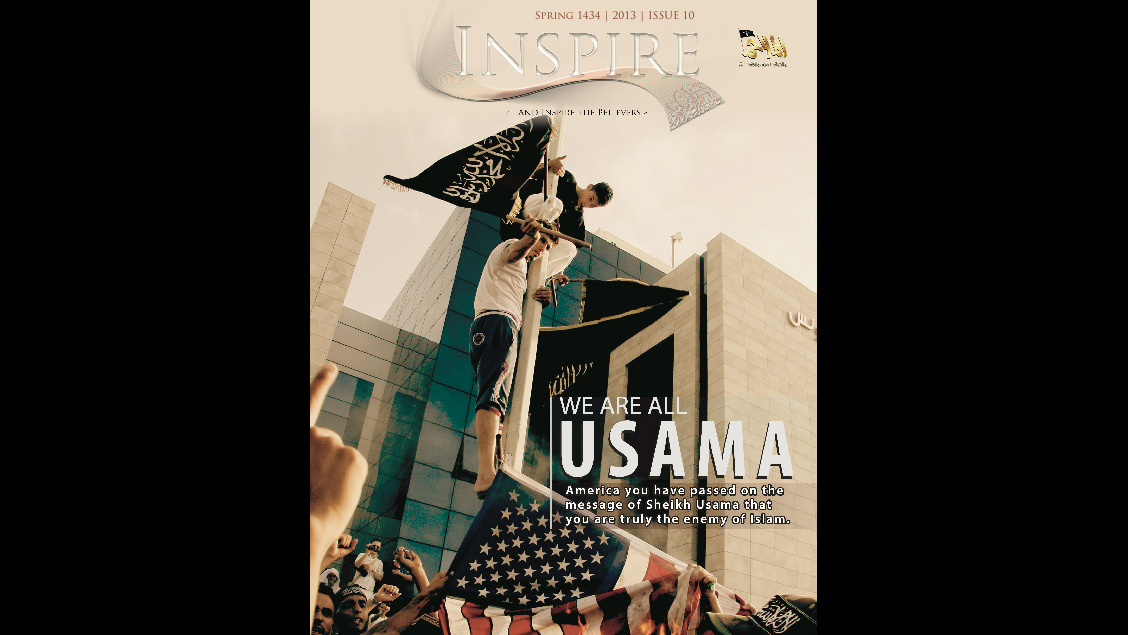
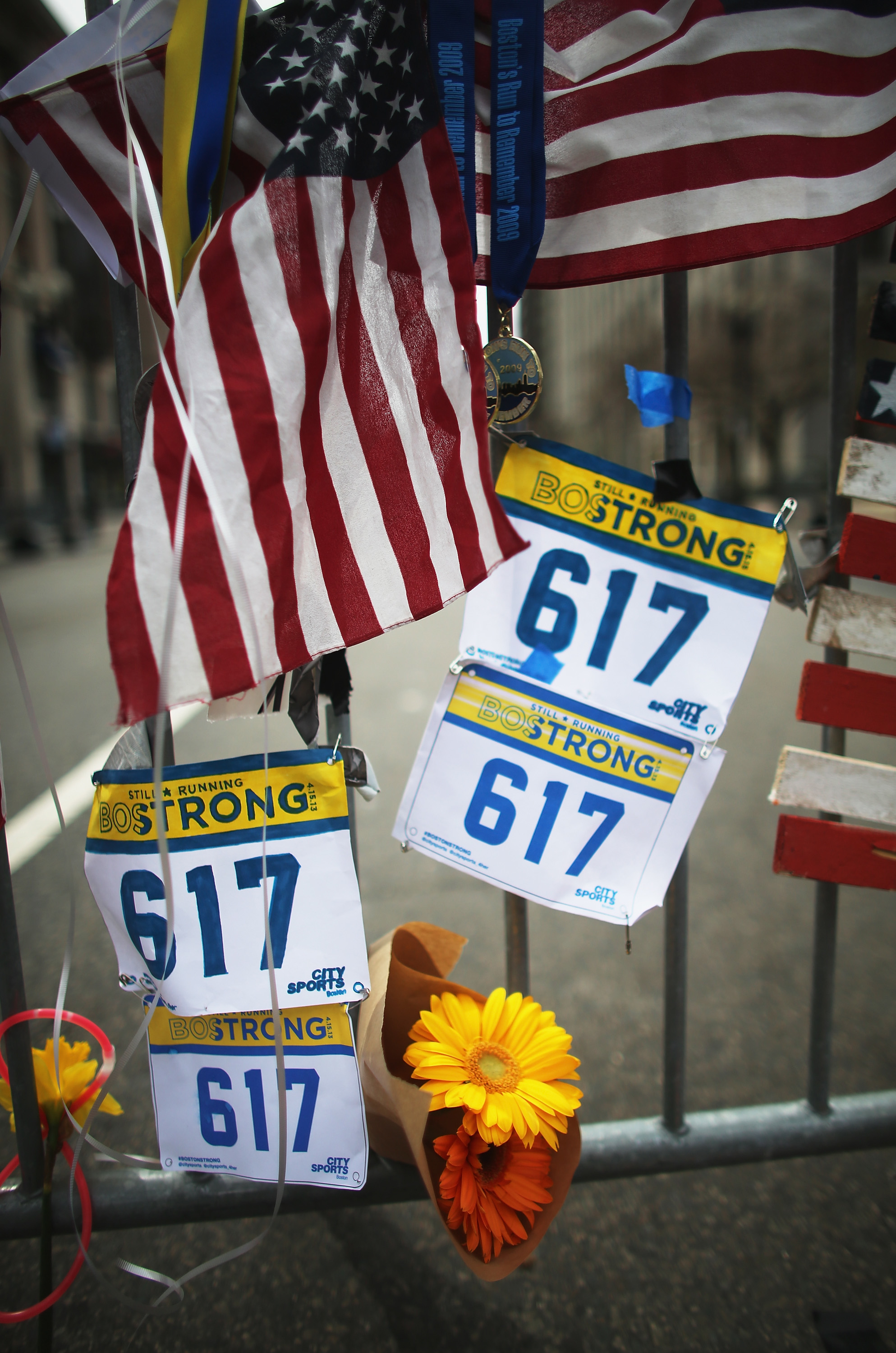
As investigators uncover details about what motivated the Boston Marathon bombing suspects, an early report suggests the two brothers learned their violent tactics online from an English-language Al Qaeda propaganda magazine.
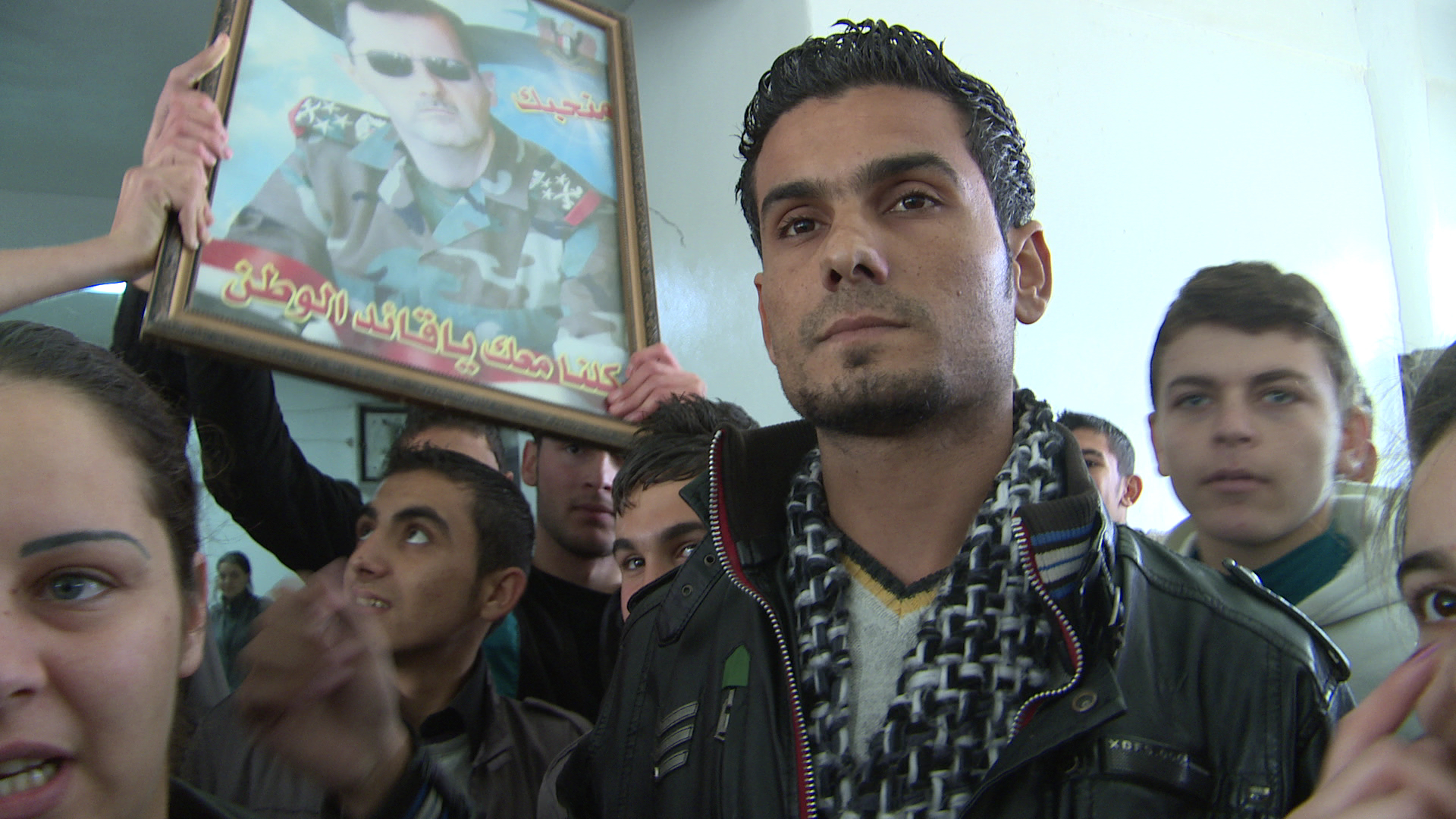
Everyone at the public high school in Aziziya knows that the senior boys may soon be drafted in President Bashar al-Assad’s army to take up the fight in the country’s escalating civil war.
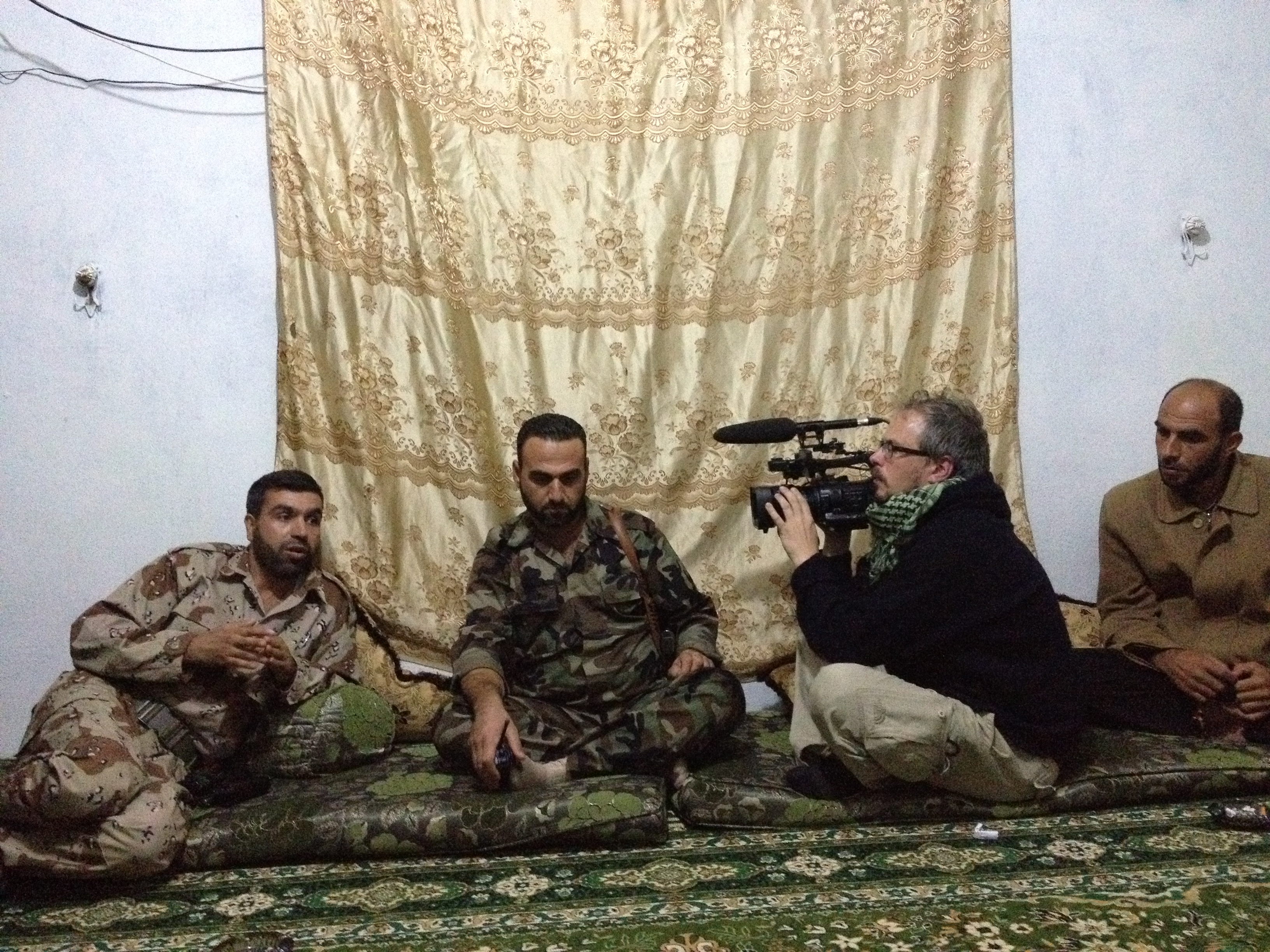
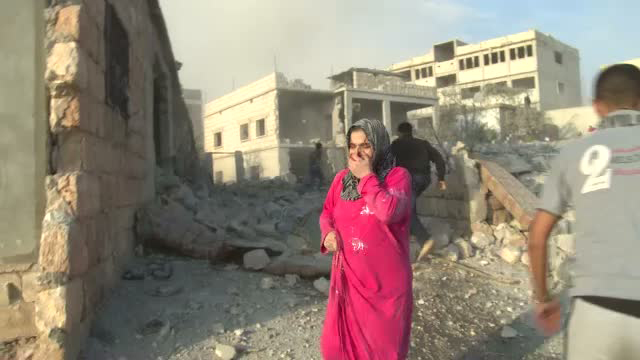
When FRONTLINE filmmaker Olly Lambert sat to interview Jamal Maarouf, a Syrian rebel commander, he did not anticipate that bombs from government jets would begin to fall just 300 meters away.
The Syrian revolution started two years ago today in Dara’a, a small farming town 60 miles south of Damascus. But what began as peaceful protests has grown into a bloody civil war with no end in sight.
Articles and documents related to several mass murderers were found in one of two bedrooms Adam Lanza used in the house he shared with his mother, Nancy.
How the Barden family is coping with the loss of their 7-year-old son Daniel, who was killed at Sandy Hook Elementary School, and trying to encourage acts of compassion in his memory.
Marian Marzynski was on WBUR Radio’s “Here & Now” program today to discuss why he decided to make “Never Forget to Lie,” the vivid memories of other child survivors and the unfinished business of his own Holocaust story.
Earlier this week, Moaz al-Khatib, the leader of the Syrian opposition coalition, had no intention of meeting with leaders from the U.S. and Europe at today’s “Friends of Syria” gathering in Rome.
When President Obama tried to push for legislation on climate change during his first term, he encountered such fierce political opposition that it quickly became clear Congress wouldn’t be the avenue to reform.
Alabama businessman and conservative activist Shaun McCutcheon donated $33,088 to 16 candidates during the 2012 election cycle, but he wanted to give much more. So he took his case to the courts.
“Hartford Courant” reporters Alaine Griffin and Josh Kovner have spent the last two months digging deep into the story of troubled shooter Adam Lanza and his relationship with his mother.
The U.N. says Syria’s rising death toll is approaching a staggering 70,000 people killed since the rebellion broke out almost two years ago. But determining an accurate death count amidst a conflict is fraught with challenges.
Our interactive “Guide to the Gridlock” breaks down the dramatic two-year saga of Washington’s failure to address the country’s debt and deficit problems, and lets you track how it all broke down at every turn.
After Republicans rallied around an austere budget proposed by the party’s numbers wunderkind Rep. Paul Ryan of Wisconsin, President Obama delivered a speech condemning the plan. What he didn’t realize, his aides insist, was that Ryan was sitting in the front row.
On one of the biggest nights of his political career, House Speaker John Boehner didn’t have the votes he needed from his own party. So he gathered House Republicans in a closed-door meeting and led a prayer.
In the days leading up to tomorrow’s Senate confirmation hearing, several national security-related leaks have intensified pressure on the administration to become more transparent.
FRONTLINE sat down with filmmaker Marian Marzynski to discuss why he made “Never Forget to Lie,” the emotional pain it wrought and what viewers can learn from the last remaining witnesses of the Holocaust.
Well before the 2008 financial meltdown, mortgage industry insiders discovered a ticking time-bomb that they say went up to the very top of Wall Street. What did they find? Who did they warn? And what happened to their warnings?
On the night of Barack Obama’s inauguration, a group of top GOP luminaries quietly gathered in a Washington steakhouse to develop plans for taking on the new president.
Tomorrow, as Obama’s second inauguration nears, FRONTLINE will air a probing look at the first four years of his presidency. FRONTLINE and Longreads have partnered to cull the best long-form reporting and reading on President Obama’s first term.
The debate over how to improve K-12 public education in America has long been highly charged and contentious, but in recent years, it’s taken on a polarizing either or mentality.
Today the education reform group StudentsFirst, led by former D.C. public schools chancellor Michelle Rhee, released a report grading states based on adherence to its platform, giving 11 states failing grades of F. The highest grade any state received was a B-.
Earlier this week the State Department announced that two former Pakistani intelligence directors are immune from the wrongful death lawsuit filed by the families of Americans killed in the 2008 Mumbai attacks.
Mountaineer & filmmaker David Breashears has created a stunning interactive image that lets you explore Mt. Everest in intimate detail and compare changes for yourself.
While conventional wisdom suggests that an individual’s right to bear arms is enshrined in the Second Amendment of the Constitution, it is, in fact, a relatively recent interpretation, according to New Yorker writer and legal analyst Jeffrey Toobin.
Director, producer and editor Jezza Neumann reflects on making “Poor Kids,” what he’s learned while making films about children living in poverty over the last decade and what he hopes viewers will take away from the film.
Studies suggest that Americans are concerned about the influence of wealthy donors in politics. But when it comes to finding feasible solutions for reforming campaign finance, there’s little consensus, and plenty of challenges.
Oil giant British Petroleum announced today that it will pay $4.5 billion to settle charges for the April 2010 explosion at its Deepwater Horizon rig that killed 11 workers and unleashed more than 5 million barrels of oil into the Gulf of Mexico.
FRONTLINE’s cameras stopped filming Joan Foley Butterstein in May, just three days before the terminally ill grandmother “hastened” her death with the support of her husband Art and daughter Kathleen. Here, her daughter reflects on their journey.
The stigmas associated with what they do can make the work of the volunteers, activists and advocates involved in the right-to-die movement challenging and risky. So why do they do it?
Eight years after Cameron Todd Willingham was executed for the 1991 arson-murder of his three young children, his surviving family members asked the Texas Board of Pardons and Paroles to pardon him posthumously yesterday.
Last election season, presidential hopefuls Barack Obama and John McCain agreed that climate change was a critical issue demanding urgent attention. Four years later, both candidates Obama and Mitt Romney barely discuss climate change.
When it premiered at the Sundance Film Festival in 2006, “An Inconvenient Truth” — the blockbuster documentary about former Vice President Al Gore’s crusade to draw attention to the threat of global warming — received three standing ovations.
As the world closely watches the fate of Malala Yousafzai, the 14-year-old Pakistani schoolgirl fighting for her life after being gunned down by the Taliban last week, the pressure is on Pakistan to bring her attackers to justice.
Barack Obama and Mitt Romney have spent years crafting their campaign narratives. Tonight, FRONTLINE takes you behind the slogans and behind the spin to present definitive portraits of the two men competing to lead this country.
Mitt Romney’s official gubernatorial portrait depicts him casually perched on a desk next to two objects: a photo of his beloved wife Ann and a bound copy of the 2006 health care reform law that was his crown policy achievement while in office.
Today a Senate committee published the searing results of a two-year investigation concluding that fusion centers have “not produced useful intelligence to support Federal counterterrorism efforts” and have “too often wasted money and stepped on Americans’ civil liberties.”
A juvenile when he was arrested, Omar Khadr’s case has been a lightning rod in the debate over post-9/11 detention policies. His treatment in detention and his family’s connections to Al Qaeda have only added to the controversy.
By 1999, following a crushing defeat in his bid to take the Senate seat of Ted Kennedy (D-Mass.) almost five years earlier, Mitt Romney felt he had only one option left to remain in public life: becoming the CEO of the 2002 Salt Lake City Winter Olympic Games.
We released four more “Artifacts of Character” this week, looking back at Mitt Romney and Barack Obama’s early debates — and losses, and at the lessons they taught others. Now, a small group of the country’s leading journalists covering the candidates weigh in on this week’s artifacts.
In a 1978 talk at Harvard Business School, Mitt Romney aimed to teach young Mormon students how lessons from the business world can also apply to personal pursuits, and a path to self-improvement.
August was the deadliest month since the Syrian rebellion began a year-and a-half ago — and more deadly for civilians than the bloodiest months in the Iraq and Afghanistan wars, as well as the recent uprisings in the Middle East.
Starting Sunday, more than 20,000 HIV researchers and activists will gather in Washington, D.C. for the first international AIDS conference to take place in the country in 22 years.
Relatives of three Americans killed in U.S. drone strikes in Yemen last fall filed a wrongful-death lawsuit against top CIA and military officials today.
Director, producer and writer Renata Simone reflects on making ENDGAME, what she’s learned over the last two decades in covering the AIDS epidemic and what she hopes viewers will take away from the film.
The Supreme Court is expected to deliver its ruling on the Affordable Care Act (ACA) within the next two weeks, a decision that could possibly overturn the health care reform bill passed in 2010 that has been a cornerstone of the Obama presidency.
The Syrian government has cut off U.N. observers from accessing the site of a reported mass killing that took place yesterday in a village outside Hama, Syria’s fourth-largest city, where 30 years ago then-Syrian President Hafez al-Assad launched what’s known as one of the bloodiest chapters of modern Arab history.
When Ghaith Abdul-Ahad and his director Safa al-Ahmed met up with their Al Qaeda contact Fouad in the southern Yemeni town of Ja’ar, they had their cameras ready. What they didn’t expect was that Fouad — a fighter and political officer with Al Qaeda’s local franchise Ansar al Sharia — would as well.
The escalating campaign of U.S. air strikes targeting suspected Al Qaeda militants in Yemen has brought ”a marked radicalization of the local population” and is “driving tribesmen to join a network linked to terrorist plots against the United States,” according to a new study.
FRONTLINE’s interactive map illustrates two critical elements of the war in Yemen: drone and other air strikes believed to have been carried out by the U.S., and the major terror plots since 2000 directed at foreign targets for which Al Qaeda is suspected of involvement.
How did Yemen become Al Qaeda’s new stronghold? And how are American efforts to combat the threat against the U.S. homeland playing out on the ground there? FRONTLINE turned to several experts — diplomats, journalists working on the ground, academics, activists and others — to understand.
Led by the United Kingdom and Saudi Arabia, a block of 20 countries and intergovernmental organizations dubbed the “Friends of Yemen” met in Riyadh today to pledge $4 billion in assistance to the Arab world’s poorest country.
In what was the most deadly terrorist attack in Yemen in years, a suicide bomber disguised as a Yemeni soldier detonated explosives during a military parade rehearsal near the Presidential palace in Sana today, killing more than 90 people and wounding 300 others.
Yemen’s government intensified a campaign of air and ground strikes in the south of the country this week in an effort to recapture towns from Al Qaeda in the Arabian Peninsula (AQAP) and affiliated insurgents.
In 1999′s Snitch, FRONTLINE producer Ofra Bikel told the story of Clarence Aaron, a 23-year-old student who was sentenced to three concurrent life sentences after being convicted of conspiring to distribute crack cocaine — despite the fact that he did not buy, sell or supply the drugs, nor did he have a previous criminal record.
In July 2010, President Barack Obama signed what became known as the Dodd-Frank bill, the financial reform package aimed at overhauling the financial regulatory system and ending the risky practices that led to the 2008 financial crisis.
A less well-known part of Fahd al-Quso’s saga is that he was also at the center of a debate about whether American intelligence agencies could have prevented 9/11.
Afghanistan’s former spy chief Amrullah Saleh told NPR this morning that the new strategic partnership agreement with the U.S. is a good step, but warns of the consequences if the U.S. engages in talks with the Taliban.
Well, it’s like a lot of things, according to some of the economists, journalists, bankers, activists and officials we interviewed for our four-hour series on the global financial crisis, “Money, Power and Wall Street.”
A scene from Money, Power and Wall Street generated a lot of feedback on Twitter during last night’s broadcast, and we’ve curated some of the most interesting reactions…
The Obama administration arrived in Washington in early 2009 facing the worst financial crisis since the Great Depression — and an American public outraged by bailouts for the financial institutions that had gotten them there.
While today’s renewed protests are getting a lot of attention, a small group of activists has been quietly working within the financial system to change America’s regulatory processes.
Khalil Dale, a British aid worker employed by the International Committee of the Red Cross (ICRC), was found dead in Pakistan yesterday, almost four months after he was kidnapped while he was driving home from his office in Quetta.
An explosion ripped through a poor neighborhood in the opposition stronghold of Hama this morning, disrupting the fragile Syrian ceasefire agreement brokered by U.N. envoy Kofi Annan last month.
Financial journalists, Occupy Wall Street activists and even a senior economic adviser to President Obama all took to the internet to talk about last night’s broadcast of the first half of “Money, Power and Wall Street.”
Money, Power and Wall Street continues next Tuesday (watch a preview above), with an inside look at how the Obama administration, including a divided economic team, has handled the crisis and how the financial world has returned to many of the practices that created the meltdown in the first place.
“‘Money, Power and Wall Street’ is demanding — this isn’t Finance for Dummies, but it’s a compact and thorough lesson,” Bloomberg’s Greg Evans writes in his review of FRONTLINE’s new special on the global financial crisis.
Amid the fiercest financial crisis since the Great Depression, FRONTLINE has been at the forefront of investigating the roots of the meltdown, the hidden stories of those who warned about what was to come and the lessons moving forward.
Two years after an explosion at BP’s Deepwater Horizon rig killed 11 workers and unleashed more than 5 million barrels of oil into the Gulf of Mexico, deepwater drilling is back up at the levels it was before the April 20, 2010 accident…
Opium production will rise across Afghanistan in 2012, spreading to more parts of the country than it has in the last few years, according to a new UN assessment.
Despite apprehensions in the lead-up to yesterday’s deadline, a tenuous ceasefire agreement brokered by U.N. envoy Kofi Annan took effect in Syria this morning.
After months of negotiations, the U.S. and Afghanistan reached an agreement on Sunday that will transfer more control of controversial night raid operations to Afghan forces, allowing the two governments to move ahead in negotiating a broader strategic-partnership agreement.
The U.S. and Afghanistan are near reaching a deal that would give Kabul greater control over night raids — the controversial signature tactic of the U.S.-led kill/capture campaign in the country — and allow the two governments to move ahead in negotiating a broader strategic-partnership agreement.
The day after the U.S. announced up to a $10 million reward “for information leading up to the arrest and conviction of Hafiz Mohammad Saeed,” the suspected mastermind of the 2008 Mumbai terror attacks brazenly took to the media to defend himself.
Today marks the one-year anniversary of Ai Weiwei’s arrest for “economic” crimes – and China’s most famous dissident artist continues to provoke the authorities.
For at least four years, federal agents used Muslim community outreach meetings at mosques in Northern California as a guise to collect intelligence and catalog the identities, personal information, religious views and travel of religious leaders and congregants, FBI documents obtained by the American Civil Liberties Union revealed yesterday.
“He presides over a campaign that has killed thousands of Islamist militants and angered millions of Muslims,” wrote The Washington Post’s Gregg Miller, in a rare profile of the head of the CIA’s Counterterrorism Center (CTC). “But he is himself a convert to Islam.”
Signed yesterday, the new rules will allow the government to hold data on U.S. citizens who are not suspected of terrorist activity for 10 times longer than before.
After months of diplomatic stalemate resulting from the the objections of Russia and China, the U.N. Security Council unanimously adopted a statement on the crisis in Syria today.
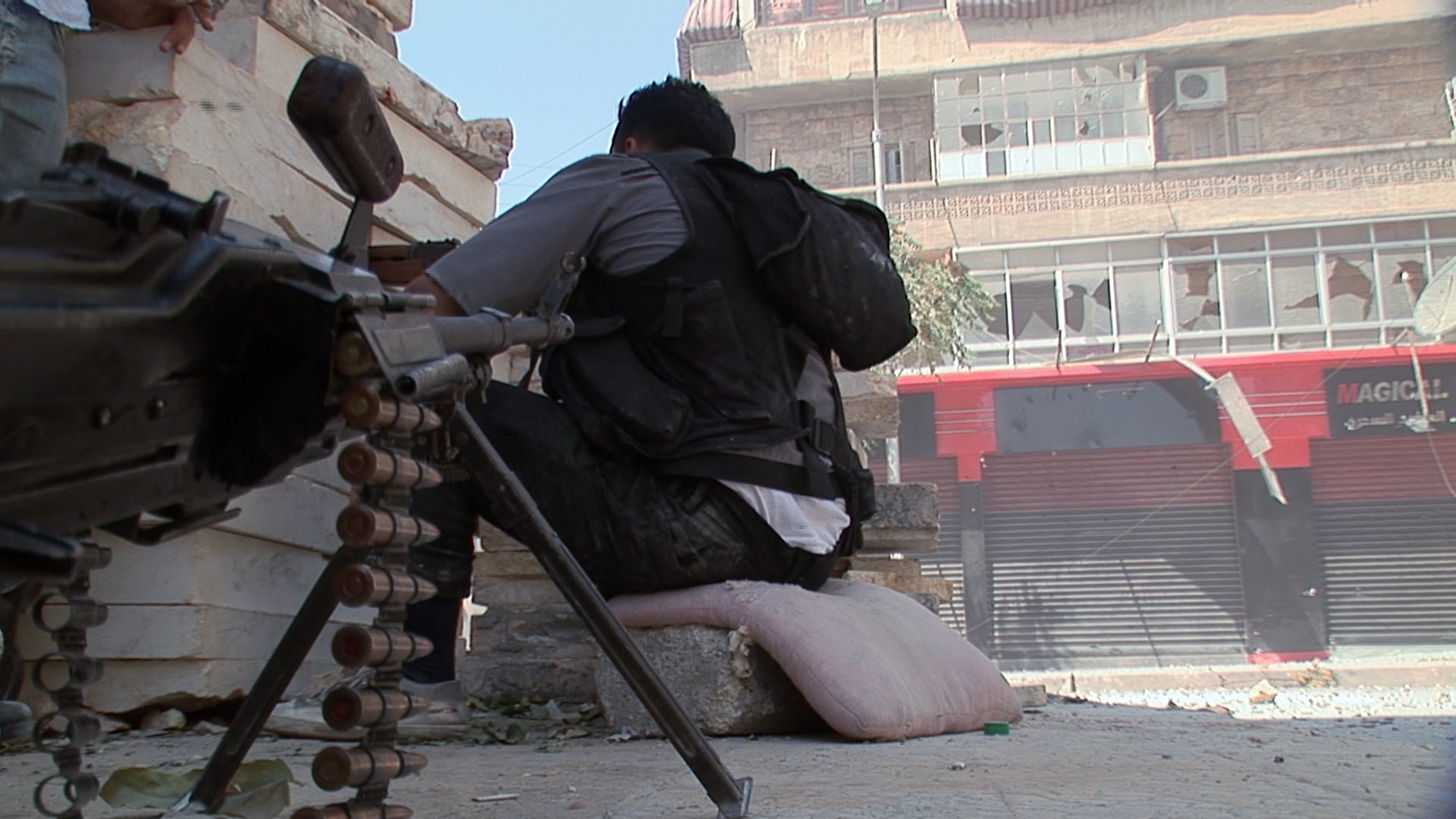
Against the backdrop of the Syrian government’s brutal crackdown, the tactics of the country’s armed opposition groups have received considerably less scrutiny.
In the wake of the March 11 bloody shooting rampage allegedly carried out by Army Staff Sgt. Robert Bales, the U.S. has found itself in a vulnerable position as it attempts to negotiate a strategic-partnership agreement with the Afghan government.
Yesterday, Chinese lawmakers enacted a number of revisions to the country’s criminal code ostensibly designed to bring some Western-style protections to the country’s legal process.
Bisat al-rih is Arabic for “flying carpet,” but for those detained by the Syrian regime, it can mean being blindfolded, stripped down to the underpants and strapped to a foldable wooden board.
Syria’s embattled president Bashar al-Assad could fit the category of a war criminal, Secretary of State Hillary Clinton said yesterday. But officially designating him one, she added, could “complicate” options for persuading him to step down from power.
More Americans are visiting the emergency room for toothaches and routine dental problems — at 10 times the cost of preventative care and with far fewer treatment options than a dentist’s office, according to a new report out today.
A nearly-six-month-long investigation published by the Associated Press on Friday tracks with earlier studies that found 70 to 80 percent of those killed in CIA drone strikes in Pakistan are militants.
There’s no shortage of thorny issues currently facing Pakistan’s intelligence chief — and Lt. Gen. Ahmed Shuja Pasha’s term as director-general of the Inter-Services Intelligence (ISI) is set to expire on March 18.
Yesterday, Iraqi forces arrested the head of Ansar al-Sunna, an Iraqi insurgent group Iraqi leaders say has links with Al Qaeda, as he tried to enter the country through its border with Syria.
The Syrian state has committed “gross human right violations” amounting to crimes against humanity a panel of independent U.N. investigators concluded in a 72-page report released today.
Shakila was just 8 years old when a group of men abducted her and her cousin from their beds as they slept in Naray district in Afghanistan’s Kunar province.
Award-winning director, producer, and co-editor of the critically acclaimed film Hoop Dreams, Steve James reflects on making The Interrupters, what he’s learned through the experience and what he hopes viewers will take away from the film.
“I’m most proud of when I see kids sitting on their porch on the streets, not worried about nobody,” says Tio Hardiman, the director of CeaseFire Illinois. “It just feels good when you see the kids running up to the ice cream truck, when you see a community coming back to normal.”
On Sept. 24, 2009, Derrion Albert, a 16-year-old honors student, was walking home from school when he found himself amidst a violent confrontation between two rival groups from his school.
Medical marijuana proponents have long argued that taxing pot dispensaries could provide sizable revenue to local governments, ushering in a so-called “new green rush.”
“Chicago has always been notoriously known for street organization, crimes and murders and all that, but what’s so profound for me is to see that, as I’m growing up, that death is inevitable and we’re not afraid of it.”
Eleven months into a violent uprising that has taken the lives of more than 5,400 Syrians, how has President Bashar al-Assad managed to hold onto power while his counterparts in Tunisia, Egypt and Libya were toppled?
CIA drone strikes in Pakistan have killed “dozens of civilians” who had gone to help rescue victims of drone strikes or were attending funerals for the victims of previous strikes, a new report by British and Pakistani journalists asserts.
Diplomatic efforts to resolve the 11-month-long crisis in Syria have stalled after a resolution condemning the regime’s crackdown on protesters failed in the United Nations Security Council on Saturday.
News that the NYPD recommended increasing the surveillance of thousands of Shiite Muslims and their mosques, based solely on religion, is the latest report in the AP’s ongoing investigation into the department’s controversial intelligence unit and its questionable tactics.
Thirty years ago today, the regime of then-Syrian President Hafez al-Assad launched what’s known as one of the bloodiest chapters of modern Arab history: the Hama Massacre.
The BBC reports today that a classified NATO report leaked to the news organization “fully exposes for the first time the relationship between the Pakistani intelligence service (ISI) and the Taliban.”
In a rare break with the usual silence regarding the CIA’s covert drone program, President Obama yesterday defended the controversial strikes that target suspected Al Qaeda and Taliban leaders abroad.
Calling it a “conspiratorial scheme” hatched against the country, the Syrian government rejected an Arab League peace plan yesterday proposing that embattled President Bashar al-Assad cede power.
Sources now say the target of resumed U.S. drone strikes in Pakistan’s tribal areas was Aslam Awan, an “external operations planner” for Al Qaeda who was planning attacks against the West.
It’s an arresting sight: A Pakistani Taliban commander confidently rolls into a village in an American Humvee his forces have just captured. He turns to the journalists he has come to address and delivers a stark warning.
As international inspectors confirmed Monday that Iran has begun enriching uranium at its underground Fordo plant, presidential hopeful Rick Santorum laid out a bold claim that Iran’s leadership deliberately located the plant to hasten an apocalyptic “end-of-times” scenario. FRONTLINE asked some experts to assess his claim.
It’s been more than three years since the 2008 Mumbai terror attacks — a slaughter carried out by Pakistan-based terrorist group Lashkar-i-Taiba that left 166 dead, including six Americans — but there is still little to show that its masterminds in Pakistan are being held accountable.
Afghanistan produces 90 percent of the world’s illicit opium, bringing billions of dollars a year into the country’s economy, fueling the global heroin trade, funding both the Taliban and government-linked warlords, and exacerbating government corruption.
The practice of trading girls for debt is hardly new to Afghanistan, and goes far beyond debts incurred from opium eradication policies. And efforts to address the issue are constrained by many factors.
Treacherous territory, hostility to foreigners and high personal risk keep most Western journalists from working from the most dangerous parts of Afghanistan.
From investigating the sexual abuse of young boys to embedding with a group of insurgents allied with Al Qaeda, veteran Afghan reporter Najibullah Quraishi takes FRONTLINE cameras where few Western journalists can go.
As the U.S.-Pakistan relationship continued to descend to new, new lows over the past year, the U.S. has become increasingly vocal in expressing frustrations with its supposed ally in the fight against terror — and vice versa.
Nearly half of the military’s drone operators report high stress levels, according to a new Air Force survey, the first one to assess the psychological state of the people who operate one of the signature weapons of the campaign in Afghanistan and elsewhere.
Drone strikes in Pakistan are “on hold” at the moment, U.S. intelligence officials involved in the CIA drone program told the Long War Journal Monday, out of fear the strikes would further harm the fragile relationship. But this isn’t the first time this has happened.
Almost every single known U.S. drone strike in Pakistan has taken place in the country’s isolated, underdeveloped tribal areas. Off limits to most, evidence of America’s operations here is scant, but recently published photos of what appears to be the aftermath of the strikes raise important questions.
In his first interview with an American journalist since the uprising broke out, Syrian President Bashar al-Assad denied he’d ever heard of a popular anti-regime singer whose body — sans vocal cords — was found in a river last July.
Though the schism between Sunnis and Shia Muslims arose from a succession dispute after the prophet’s death, a historic seventh century battle cemented it. The photos below illustrate how many Shias around the world spend the Islamic month of Muharram in remembrance of an event they believe saved Islam.
The Associated Press and German public television, ARD Panorama, exposed stunning details today about a secret CIA prison in Romania, just minutes from the capital Bucharest.
Today U.N. High Commissioner for Human Rights Navi Pillay called for international intervention to protect Syrians from the government’s brutal nine-month crackdown, which the organization estimates has now killed more than 4,000 civilians, including 307 children.
Congratulations to filmmaker Alison Klayman, whose full-length film on China’s most famous artist and provocateur, Ai Weiwei Never Sorry, will premiere at the 2012 Sundance Film Festival in Utah this January.
Amidst a federal crackdown, the governors of Rhode Island and Washington petitioned the federal government yesterday to reclassify marijuana as a drug with acceptable medical purposes.
Liberal parties and youth activists may have sparked Egypt’s revolution, but the country’s Islamists seem to be walking away the biggest winners in the first parliamentary elections since the fall of Hosni Mubarak last February. But what do we – and don’t we – know about Egypt’s Islamists?
Turkey, one of Syria’s top trading partners, announced wide-ranging sanctions against its neighbor today. But it’s not just Turkey: Below is a round-up of the various sanctions issued against theincreasingly isolated nation.
David Coleman Headley isn’t a household name in the United States. But he’s as well known to Indians as Osama bin Laden is to Americans. Through our slidehsow, explore how Headley -– born Daood Gilani in the U.S. –- followed a path that led to the 2008 terror attacks in Mumbai — and a plea bargain that both saved his life and put his best friend behind bars.
This Saturday marks the three-year anniversary of what’s often referred to as India’s 9/11 — the 2008 Mumbai terror attacks, a slaughter carried out by Pakistan-based terrorist group Lashkar-i-Taiba that left 166 dead, including six Americans.
It took the 2008 Mumbai attacks for much of the world to recognize Lashkar-i-Taiba’s threat, but renowned French investigative judge Jean-Louis Bruguière had for years warned of the Pakistan-based terrorist group’s evolving international ambitions.
The Arab League formalized Syria’s suspension from the 22-member organization yesterday and threatened to impose economic sanctions if the government did … Continue reading →
Syria’s foreign minister Walid al-Moallem called the Arab League’s vote on Satuday to suspend Syria’s membership in the 22-nation organization “an extremely dangerous step” and announced that the government has taken actions to comply with the terms of a peace plan proposed by the league. His statement comes as international pressure on the Syrian regime mounts.
Human Rights Watch called on the Arab League today to suspend Syria’s membership and to support a move by the United Nations Security Council to impose an arms embargo and refer Syria to the International Criminal Court.
The disparate opposition groups that have materialized during the eight months of Syria’s uprising have been criticized as fragmented, disorganized and lacking a clear vision for the country. And recent evidence of growing schisms within the movement have only raised doubts.
“If we didn’t shoot at protesters, they would shoot us,” a Syrian Army defector told FRONTLINE reporter Ramita Navai. “I saw with my own eyes when my friend beside me refused to shoot at the protesters. A sniper shot him in the head.”
Syria’s mass protests, which began in the rural farming town of Dara’a in mid-March, have since spread to more heavily populated cities like Homs and Hama, where the regime has responded with brutal military assaults. In this interactive map of the uprising, explore where the unrest has spread, and where it has yet to reach.
As the international community mulls how to respond to the crisis in Syria, it faces a complex and changing web of geopolitical alliances, heated rivalries and strategic interests. Here’s a closer look at the key international players.
Because their secret tenets and practices are known only to the few males deemed worthy to undergo instruction, the Alawites, Syria’s long-persecuted minority sect, remain a mystery to most.
Calling it a chilling “you-are-almost-there primer on the Syrian uprising,” Newsday’s Verne Gay gives FRONTLINE’s two-part Syria special airing tonight an “A.”
Reporter Ramita Navai, who spent two weeks undercover with Syrian activists in September, at one point found herself trapped in a safe house for 72 hours while militias loyal to the government raided the house next door.
Arab-Americans in Michigan, African-Americans in Georgia and “broad swaths” of Latino-Americans communities across multiple states are some of the groups … Continue reading →
After years of criminality and deception that included scouting targets for the 2008 Mumbai terrorist attacks — a slaughter that left 166 people dead — Pakistani-American David Coleman Headley was arrested by U.S. authorities in October 2009.
In the past several months, unmanned aerial aircraft drones have been successful in killing some of America’s top enemies, including … Continue reading →
Frustrated by the lack of aggregate data released by ISAF about its kill/capture missions in Afghanistan, two Kandahar-based researchers decided to examine … Continue reading →
President Hamid Karzai’s provocative two-day trip to India this week continues to resonate across the subcontinent. His announcement of an unprecedented strategic partnership with India has put Pakistan on edge, with potentially significant consequences for the region.
Update — 7p.m.: The IRS ruling described below may be the least of medical marijuana dispensaries’ worries. Federal prosecutors have … Continue reading →
We know Pakistan is important. Every day headlines raise questions about Pakistan’s stability: its military’s alleged ties to terrorism, the … Continue reading →
Last week, Joint Chiefs of Staff Adm. Mike Mullen set off a landslide when he testified before Congress that the Haqqani network – a group U.S. officials call the most deadly insurgent group in Afghanistan — was a “veritable arm” of Pakistan’s main intelligence agency, the ISI. How bad is this new, new low in U.S.-Pakistan relations?
During the peak of the controversy last summer over plans to build a mosque and community center in Lower Manhattan, you probably saw or heard of Imam Abdul Feisal Rauf, then the spiritual leader and public face of the project.
American Muslims are ethnically and racially diverse, and see themselves as well integrated in line with American ideals, according to the latest polling data.
As part of her investigation into Top Secret America back in December, Dana Priest reported that some of the trainers hired by local … Continue reading →
Last week the Washington Post published an investigation into the CIA’s operational shift to focus increasingly on “the cold counterterrorism objective of finding targets to capture or kill.” We talked to Stephen Grey about the expansion of the CIA’s counterterrorist apparatus and what it means, and discovered a significant development.
A billing dispute between contractors in an upstate New York courthouse has revealed documents detailing sensitive information about the CIA’s … Continue reading →
At least 33 people were killed in northwestern Pakistan on Saturday. The Pakistani Army says Afghanistan-based militants staged a cross-border … Continue reading →
The intelligence failure of the 9/11 attacks leveled intense criticism at the FBI. While some critics declared the agency completely … Continue reading →
For the past 18 months, dozens of tortured, bullet-riddled bodies have mysteriously turned up in Pakistan’s southwestern province of Balochistan. … Continue reading →
Today the Associated Press published a months-long investigation into secret efforts by the New York City Police Department (NYPD) and … Continue reading →
Ever wonder how police might be collecting information from your Facebook profile? If recent Freedom of Information Act (FOIA) requests [PDF] … Continue reading →
During one weekend in 2008, 37 people were shot in Chicago, seven of them fatally. It was the year Chicago became a posterchild city of America’s gang problem.
A controversial new report has reignited debate on the effectiveness of covert CIA drone strikes targeting Al Qaeda and Taliban militants in Pakistan’s tribal areas.
The Spill, a joint investigation by FRONTLINE and ProPublica into the trail of problems — deadly accidents, disastrous spills, countless … Continue reading →
After a four-month Twitter hiatus, Chinese dissident artist Ai Weiwei is back to tweeting and has posted the strongest anti-government … Continue reading →
Four days after he was taken into custody, the Chinese government officially announced on Thursday it is investigating famed artist Ai Weiwei for suspected “economic crimes.”
WikiLeaks U.S. embassy cables offer this footnote to FRONTLINE’s recent report on BP, The Spill: A year and a half before their Gulf of Mexico disaster, the company had a giant gas leak halfway across the world at a gas platform in Azerbaijan.