Lobbying for an Accidental Death?
August 30, 2011
Share
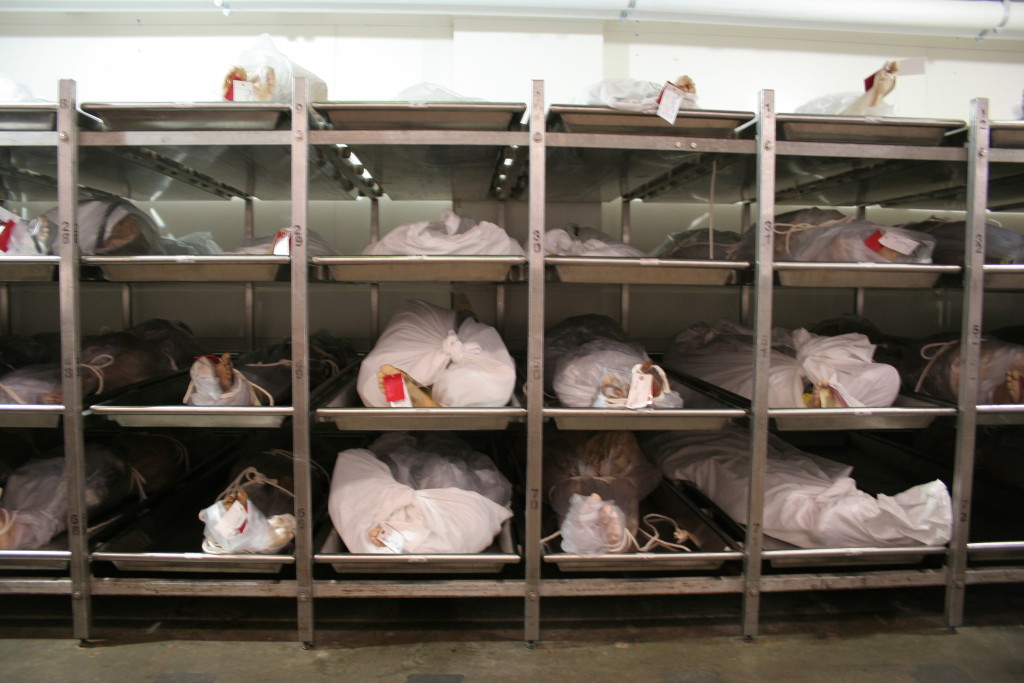
The manner of a person’s death is statistically less likely to be deemed suicide in California counties that rely on elected sheriff-coroners, according to a new study conducted by Temple University sociologists.
California Watch reporter Ryan Gabrielson explains why that may be significant:
“The significant, albeit small, effects of office type on official suicide rates in our results support the notion that elected coroners are more susceptible to pressure from family or friends to report the death as something other than suicide and that medical examiners’ greater professionalism shields them from such influences,” the report states.
Suicide continues to carry a stigma in society, at times compelling relatives to lobby coroners to make a change or even file lawsuits to overturn such a ruling.
In California, 48 of its 58 counties rely on elected sheriffs to determine the manner of someone’s death. This is different than cause of death, Gabrielson points out:
Forensic pathologists set out the causes of death based on findings from the autopsy and toxicological tests. This is often a number of conditions, from longtime illnesses to sudden traumatic injuries, listed in order of importance.
Manner of death, which is printed on death certificates, is a far more subjective conclusion. All deaths fall into one of five categories: natural, accident, homicide, suicide and undetermined.
The subjectivity of elected officials is not just a California issue; a number of states rely on coroners to determine manners of death, and there’s virtually no national oversight.
Some other startling standards:
+ In Nebraska coroners are often also the county attorney.
+ Indiana and Wyoming require completion of a basic coroner-training course and some additional annual training. An 18-year-old made headlines when she was elected deputy coroner in Jay County, Ind. while still in high school.
+ North Dakota requires that coroners be licensed physicians, but only in counties of more than 8,000 people.
A 2009 report from the National Academy of Sciences recommended abolishing coroners in favor of new offices, run by medical examiners, establishing new offices, run by medical examiners, with national standards for accreditation.
Many states are moving towards a medical examiner system, but the process has been slowed by the reality that coroners are usually written into a state constitution, are often backed by a local constituency and generally don’t have large enough populations or budgets to support the conversion.
Related Documentaries

Latest Documentaries





Related Stories
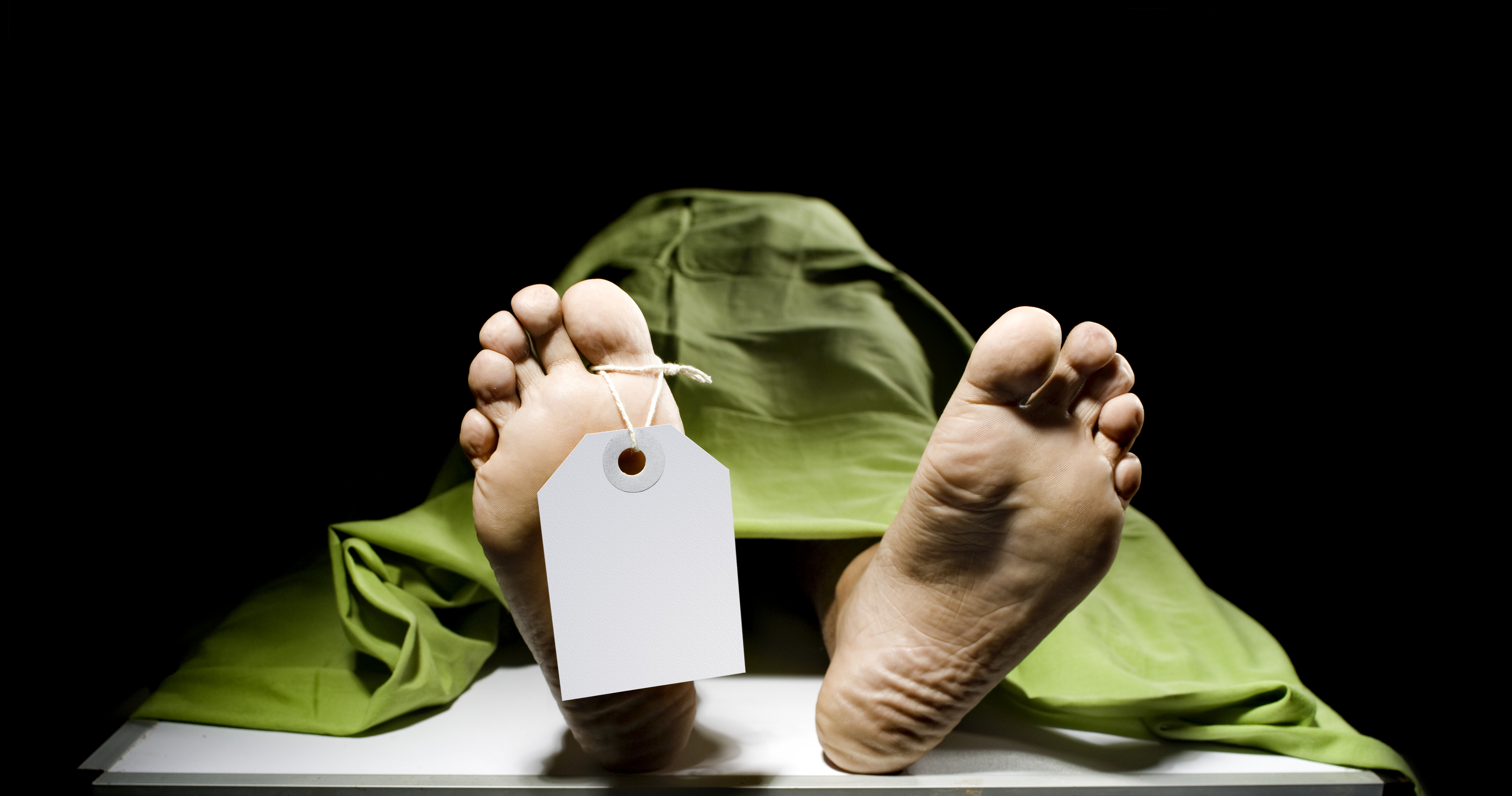
Post Mortem
Related Stories
Post Mortem
Explore
Policies
Teacher Center

Jon and Jo Ann Hagler on behalf of the Jon L. Hagler Foundation
Corey David Sauer
Koo and Patricia Yuen
FRONTLINE is a registered trademark of WGBH Educational Foundation. Web Site Copyright ©1995-2025 WGBH Educational Foundation. PBS is a 501(c)(3) not-for-profit organization.
Funding for FRONTLINE is provided through the support of PBS viewers and by the Corporation for Public Broadcasting, with major support from Ford Foundation, and The Fialkow Family Foundation. Additional funding is provided the Abrams Foundation, Park Foundation, John D. and Catherine T. MacArthur Foundation, Heising-Simons Foundation, and the FRONTLINE Trust, with major support from Jon and Jo Ann Hagler on behalf of the Jon L. Hagler Foundation, and Corey David Sauer, and additional support from Koo and Patricia Yuen. FRONTLINE is a registered trademark of WGBH Educational Foundation. Web Site Copyright ©1995-2026 WGBH Educational Foundation. PBS is a 501(c)(3) not-for-profit organization.