Syria One Year Later: Growing Evidence of Torture, Detainee Abuse
March 14, 2012
Share
Bisat al-rih is Arabic for “flying carpet,” but for those detained by the Syrian regime, it can mean being blindfolded, stripped down to the underpants and strapped to a foldable wooden board. Each end of the board is then elevated so that the victim’s head and feet are brought closer and closer together, causing immense pain in the lower back. All the while, he or she is beaten.
The “flying carpet” is one of 31 “methods of torture and other ill treatment” described by Amnesty International in a new report [PDF] out today. Last month, the group documented accounts from 25 former detainees who had fled to Jordan.
In addition to beatings, electric shocks and sexual violence, witnesses described other systemic methods, including:
- Dulab, Arabic for “tire,” in which a victim is forced into a vehicle tire, hoisted up and beaten.
“The first session they beat me, with cable, and suspended me upside-down and beat me all over my body for two hours. On other days they did the same upside-down beating, and the dulab. In the dulab they took it in turns beating me with cable, one at a time until they tire. I had the dulab several times.” — Adnan, a 35-year-old painter from Dara’a governorate.
- Falaqa, when suspects are beaten or whipped on the soles of the feet.
“At my second interrogation I was kneeling, blindfolded. ‘Did you write everything [in your confession]?’ I was asked. I said, ‘Yes’. For 60 seconds he read it, then said, ‘You didn’t understand us’. Then I felt my feet struck with a plastic stick, for five minutes. I couldn’t believe they were doing this to me, I am a civil engineer, known in my community.” — Al Shami, a 40-year-old opposition activist from Damascus.
- Shahbeh, when a suspect is suspended in the air by their wrists or feet and beaten.
“I was left hanging over two or three days, for many hours at a time, sometimes from my raised wrists tied above my head. My mind and body were exhausted… If I asked what the time or date was, they beat me.” — Tareq, aged 27, a businessman and activist from Tartus.
According to the report, gender-based torture and sexual violence “appear to have become more common in the last year.”
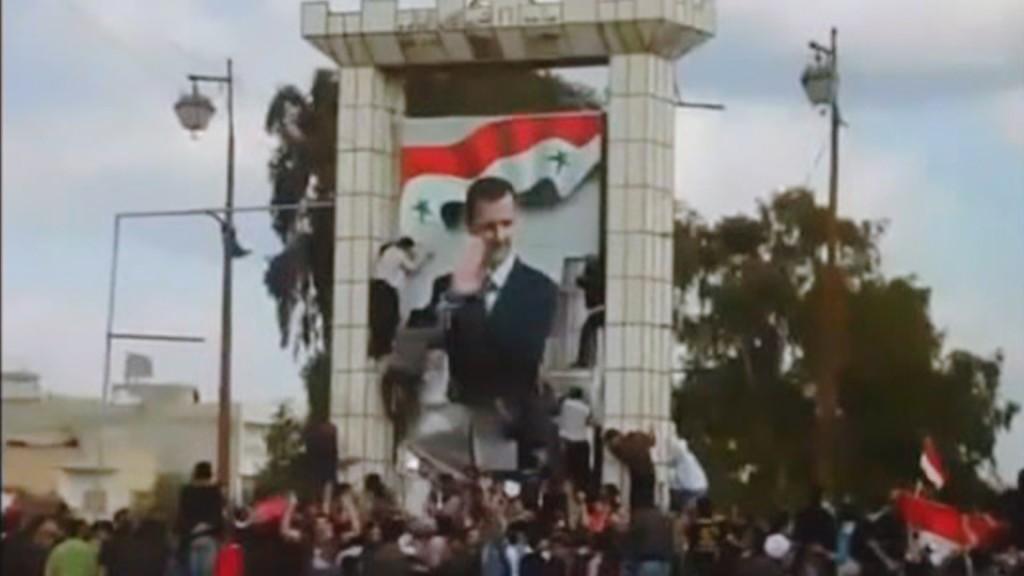
Tomorrow marks the one-year anniversary of the revolt, which began in Dara’a, a small farming town 60 miles south of Damascus. As shown in an excerpt from our film The Regime, embedded above, residents of Dara’a took the streets after schoolchildren were reportedly tortured by secret police, the Mukhabarat, for scribbling anti-government graffiti.
Today, the Syrian Army launched its biggest raid on Dara’a in months, in what analysts suggest is an attempt to crush the rebellion in the symbolic area where it began. Yesterday, the army took most of the northern city of Idlib, where activists reported 30 Syrians were killed from shelling.
While other international efforts to intervene in the crisis have failed or stalled, recently appointed U.N. peace envoy to Syria Kofi Annan met with President Bashar al-Assad in Damascus over the weekend and with Syrian opposition members in Turkey this week. Annan’s proposals to end the violence have not been publicly disclosed, but his spokesman said he has received a reply from Syria. He is expected to make a statement in Geneva today.
Meanwhile President Assad appears confident in his regime’s survival and announced yesterday that parliamentary elections will be held May 7, a plan U.S. State Department spokeswoman Victoria Nuland dismissed yesterday in Washington.
“Parliamentary elections for a rubber-stamp parliament in the middle of the kind of violence that we’re seeing across the country? It’s ridiculous,” she said.
Support provided by:
Learn More
Related Documentaries

Latest Documentaries

Related Stories
Syria Behind the Lines
The Battle for Syria
The Regime Responds
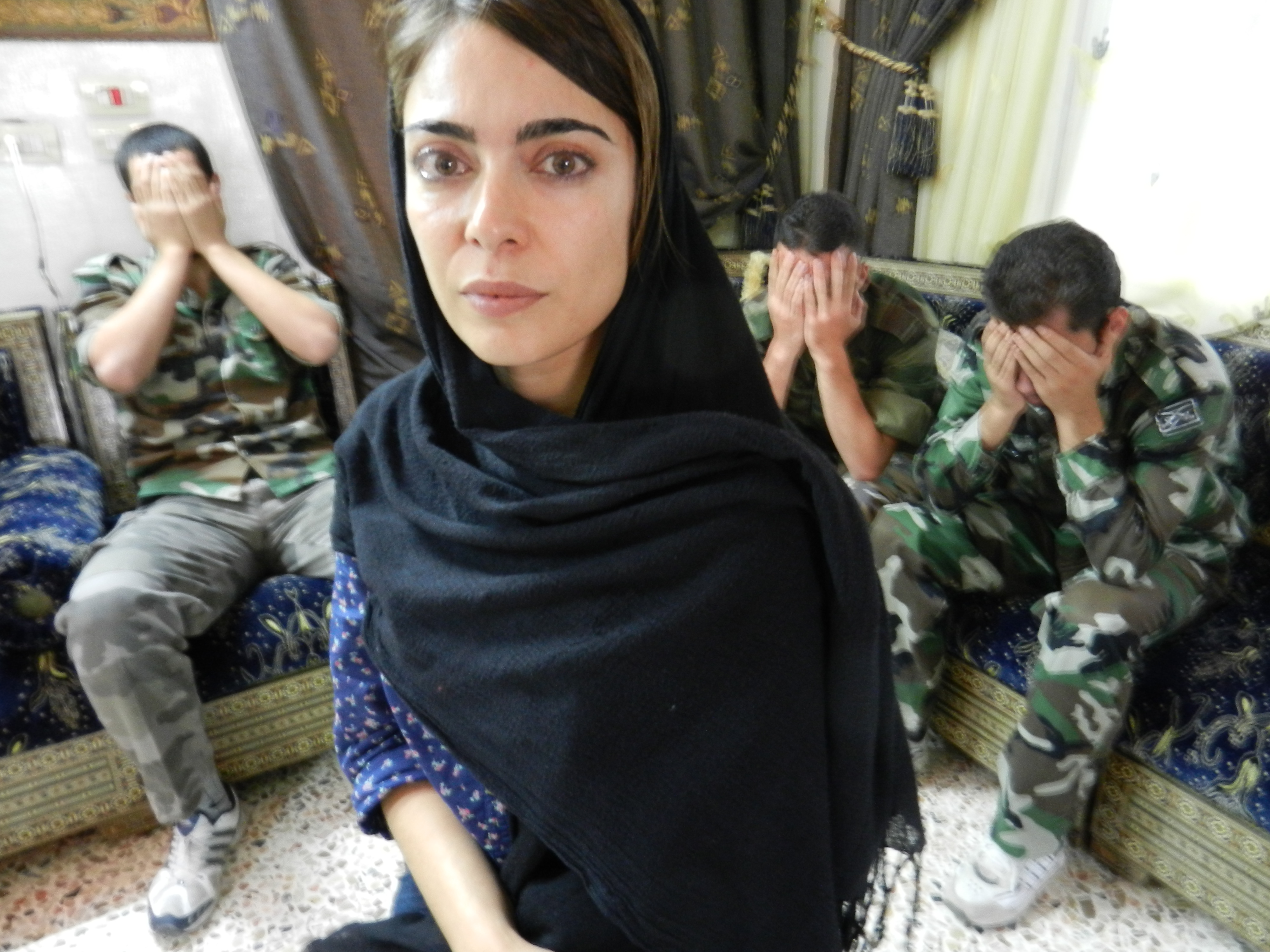
Syria Undercover

The Regime
Related Stories
Syria Behind the Lines
The Battle for Syria
The Regime Responds
Syria Undercover
The Regime
Explore
Policies
Teacher Center

Jon and Jo Ann Hagler on behalf of the Jon L. Hagler Foundation
Corey David Sauer
Koo and Patricia Yuen
FRONTLINE is a registered trademark of WGBH Educational Foundation. Web Site Copyright ©1995-2025 WGBH Educational Foundation. PBS is a 501(c)(3) not-for-profit organization.
Funding for FRONTLINE is provided through the support of PBS viewers and by the Corporation for Public Broadcasting, with major support from Ford Foundation, and Fialkow Family Foundation. Additional funding is provided the Abrams Foundation, John D. and Catherine T. MacArthur Foundation, Park Foundation, Heising-Simons Foundation, and the FRONTLINE Trust, with major support from Jon and Jo Ann Hagler on behalf of the Jon L. Hagler Foundation, and Corey David Sauer, and additional support from Koo and Patricia Yuen. FRONTLINE is a registered trademark of WGBH Educational Foundation. Web Site Copyright ©1995-2026 WGBH Educational Foundation. PBS is a 501(c)(3) not-for-profit organization.