Why WikiLeaks Hasn’t Led to a “Golden Age” for Whistleblowers
December 15, 2011
Share
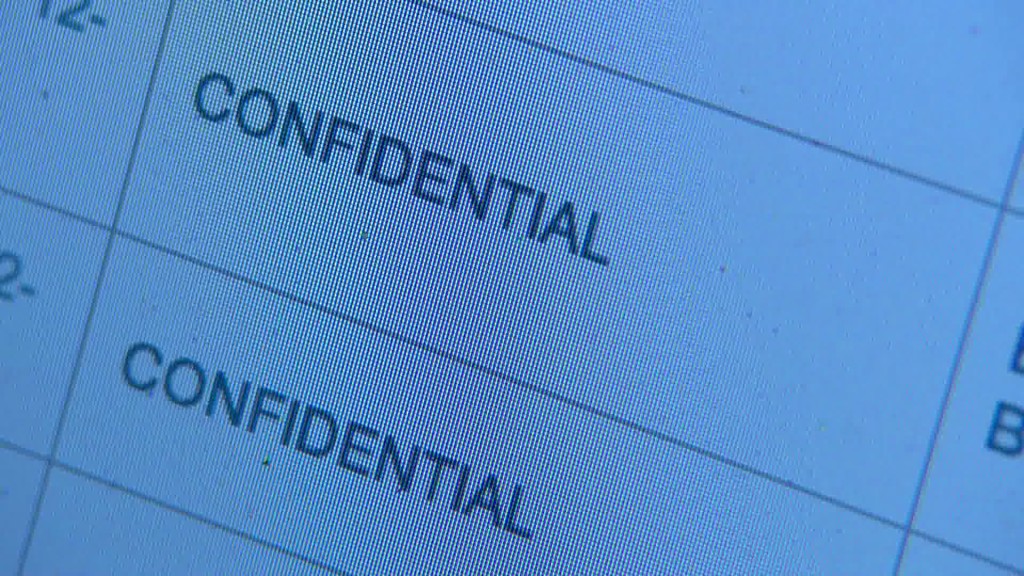
A year ago, following the leak of a quarter of a million classified State Department cables, pundits proclaimed that journalism would never be the same. In a post-WikiLeaks era, tyrants would shudder, because this was the beginning of a golden age for whistleblowers.
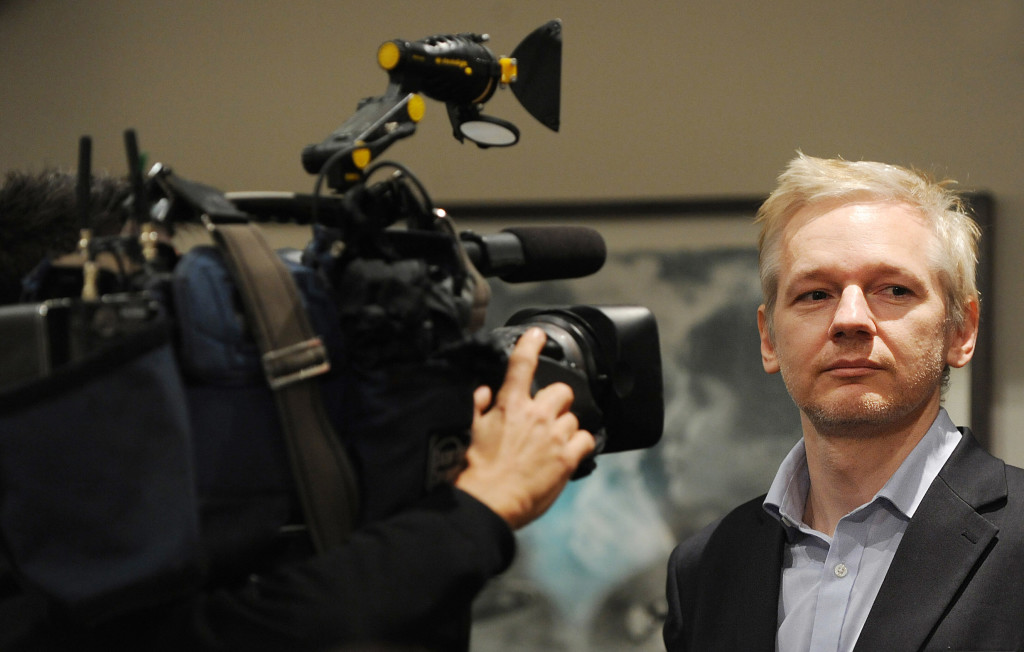
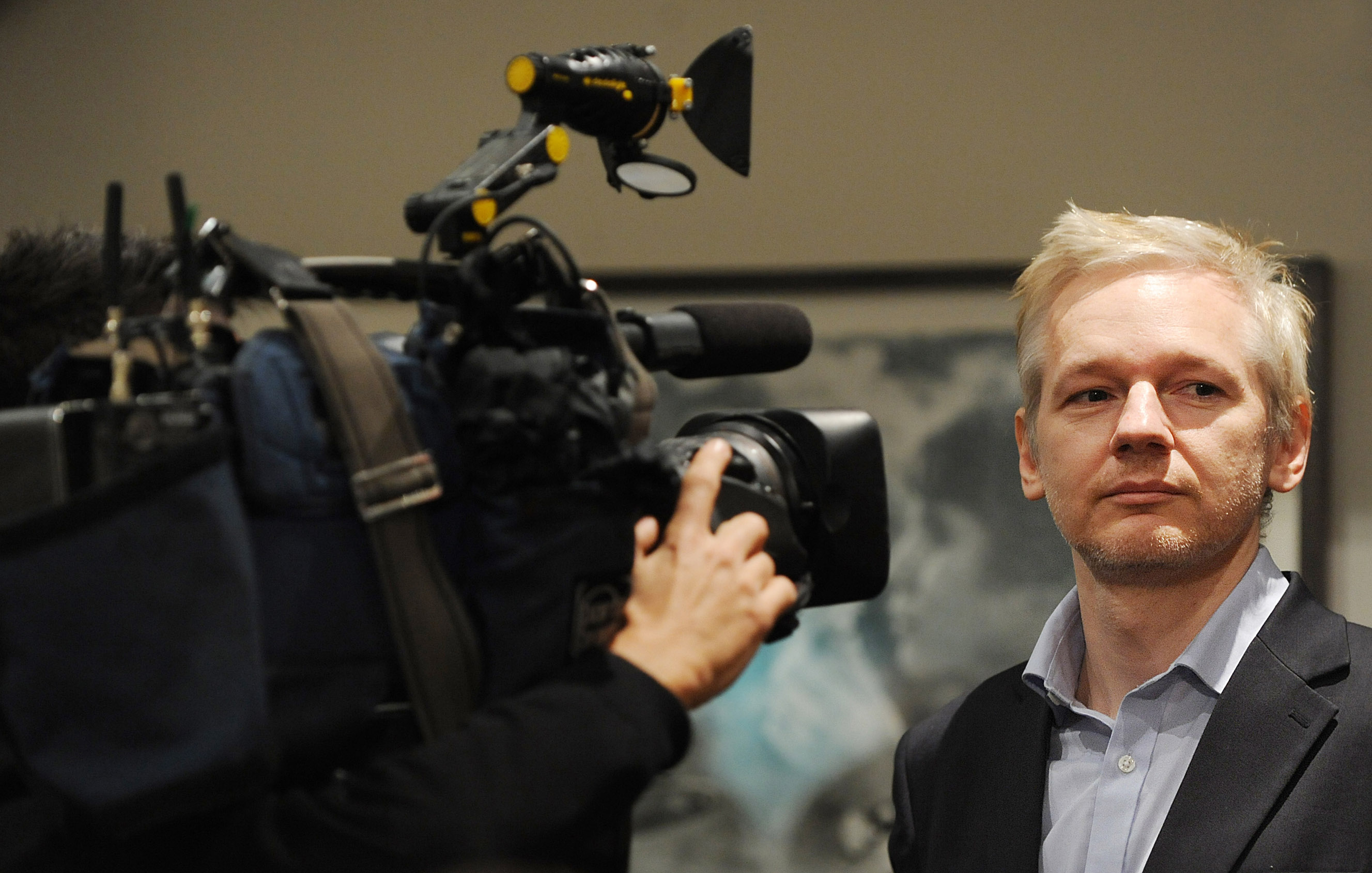
But as FRONTLINE’s Arun Rath reported today on PRI’s The World, the sea changes many were expecting have yet to occur. Instead, attempts to recreate WikiLeaks-like systems for whistleblowing have largely failed, with WikiLeaks itself unable to reproduce its early success. Though Julian Assange claims this is largely because banking blockades have impeded donations, there are likely several other factors in this post-“Cablegate” world.
One is the reluctance of potential whistleblowers and leakers to come forward after seeing the fallout from the Bradley Manning case. Steven Aftergood, director of the Project on Government Secrecy, which promotes public access to government information explains:
They’re either thinking twice or they’re taking more sophisticated measures to protect themselves or in some cases less sophisticated measures in the sense of not dealing with e-mail or any kind of Internet-based communication and simply sharing information in much more old-fashioned ways.
These ways, says Washington Post investigative reporter Dana Priest, include how national security journalists have obtained scoops for years: “People might think that [information] comes in a package anonymously. It doesn’t really — it’s the relationship-building.”
And while some, like President George W. Bush’s “classification czar” J. William Leonard, hoped the leaks would push the U.S. to rethink how it classifies documents, the opposite has occurred. Despite a 2009 executive order signed by President Obama to stop overclassification, Rath reports that the government classified 40 percent more documents this year than in 2010.
For more, listen to the full story from The World:

Stay tuned for more from Arun Rath in the coming days; he’ll be reporting for FRONTLINE at Bradley Manning’s pretrial hearing tomorrow.
Related Documentaries
Latest Documentaries
Related Stories
WikiSecrets
Related Stories
WikiSecrets
Explore
Policies
Teacher Center

Jon and Jo Ann Hagler on behalf of the Jon L. Hagler Foundation
Corey David Sauer
Koo and Patricia Yuen
FRONTLINE is a registered trademark of WGBH Educational Foundation. Web Site Copyright ©1995-2025 WGBH Educational Foundation. PBS is a 501(c)(3) not-for-profit organization.
Funding for FRONTLINE is provided through the support of PBS viewers and by the Corporation for Public Broadcasting, with major support from Ford Foundation, and The Fialkow Family Foundation. Additional funding is provided the Abrams Foundation, Park Foundation, John D. and Catherine T. MacArthur Foundation, Heising-Simons Foundation, and the FRONTLINE Trust, with major support from Jon and Jo Ann Hagler on behalf of the Jon L. Hagler Foundation, and Corey David Sauer, and additional support from Koo and Patricia Yuen. FRONTLINE is a registered trademark of WGBH Educational Foundation. Web Site Copyright ©1995-2026 WGBH Educational Foundation. PBS is a 501(c)(3) not-for-profit organization.