Rules of Engagement
February 19, 2008
56m
What happened that November day in Haditha, Iraq gets to the heart of the war U.S. troops are fighting
Rules of Engagement
February 19, 2008
56m
Share
FRONTLINE cuts through the fog of war to reveal the untold story of what happened in Haditha, Iraq — where 24 of the town’s residents were killed by U.S. forces in what many in the media branded “Iraq’s My Lai.” With accusations swirling that the Marines massacred Iraqi civilians “in cold blood,” the Haditha incident has led to one of the largest criminal cases against U.S. troops in the Iraq war. But real questions have emerged about what really happened that day, and who is responsible. Through television interviews with Iraqi survivors and Marines accused of war crimes, FRONTLINE investigates this incident and what it can tell us about the harrowing moral and legal landscape the U.S. military faces in Iraq. [Explore more stories on the original website for Rules of Engagement.]
Produced by
Journalistic Standards
Support provided by:
Learn More
Most Watched


The FRONTLINE Newsletter
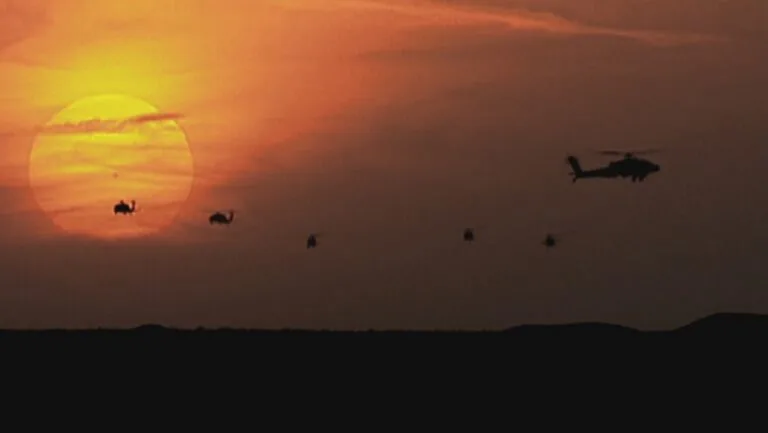
Related Stories
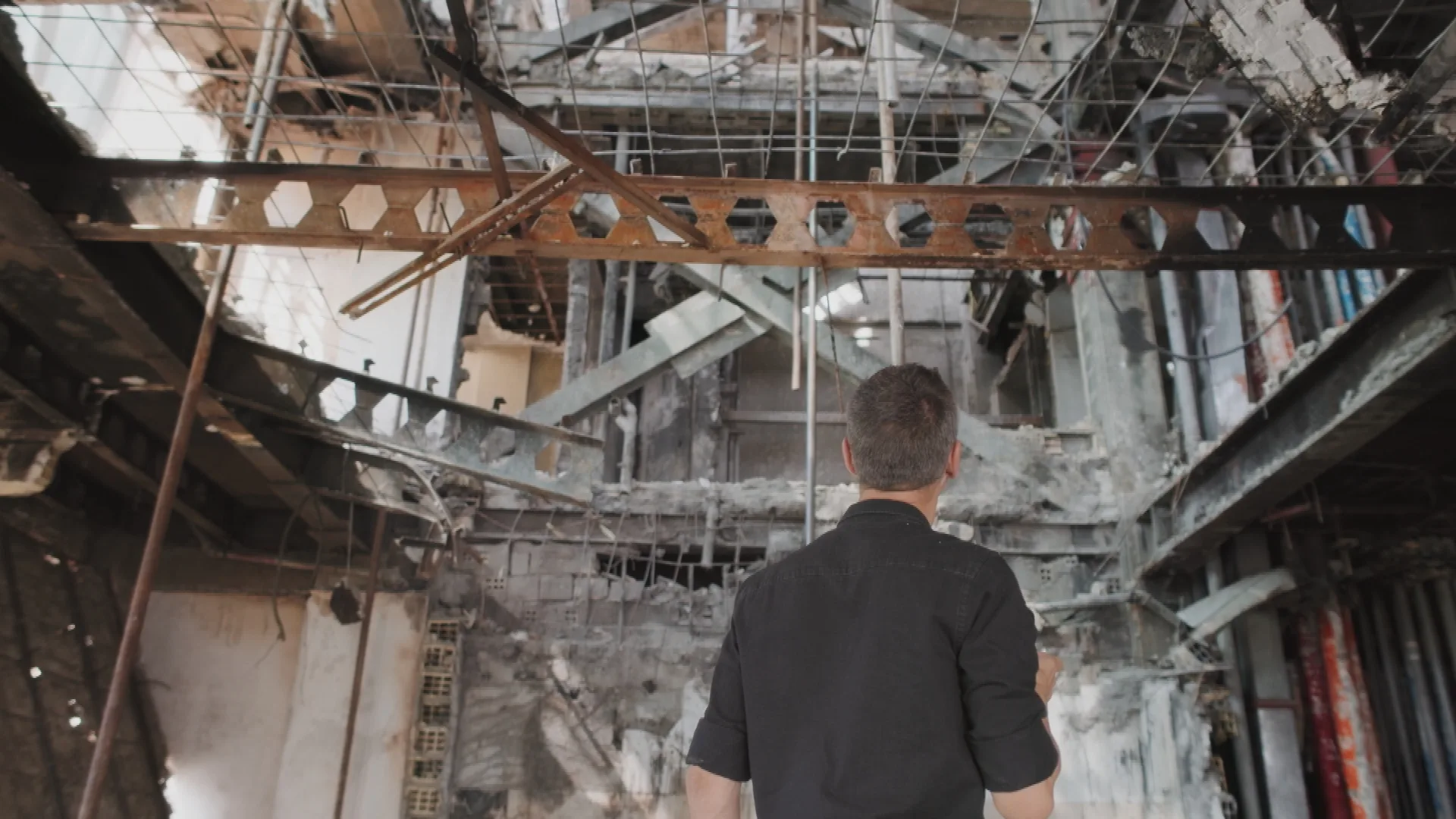
The U.S.-led Invasion of Iraq, 20 Years Later
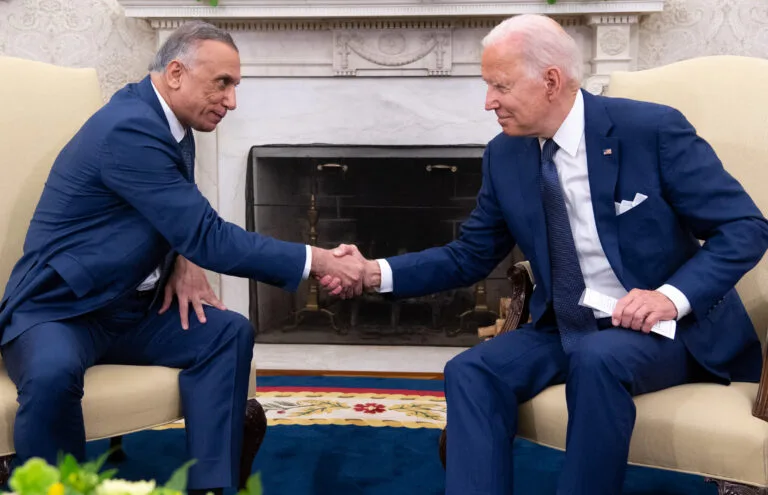
As Biden Announces End of U.S. ‘Combat Mission’ in Iraq, 21 FRONTLINE Docs Provide Context
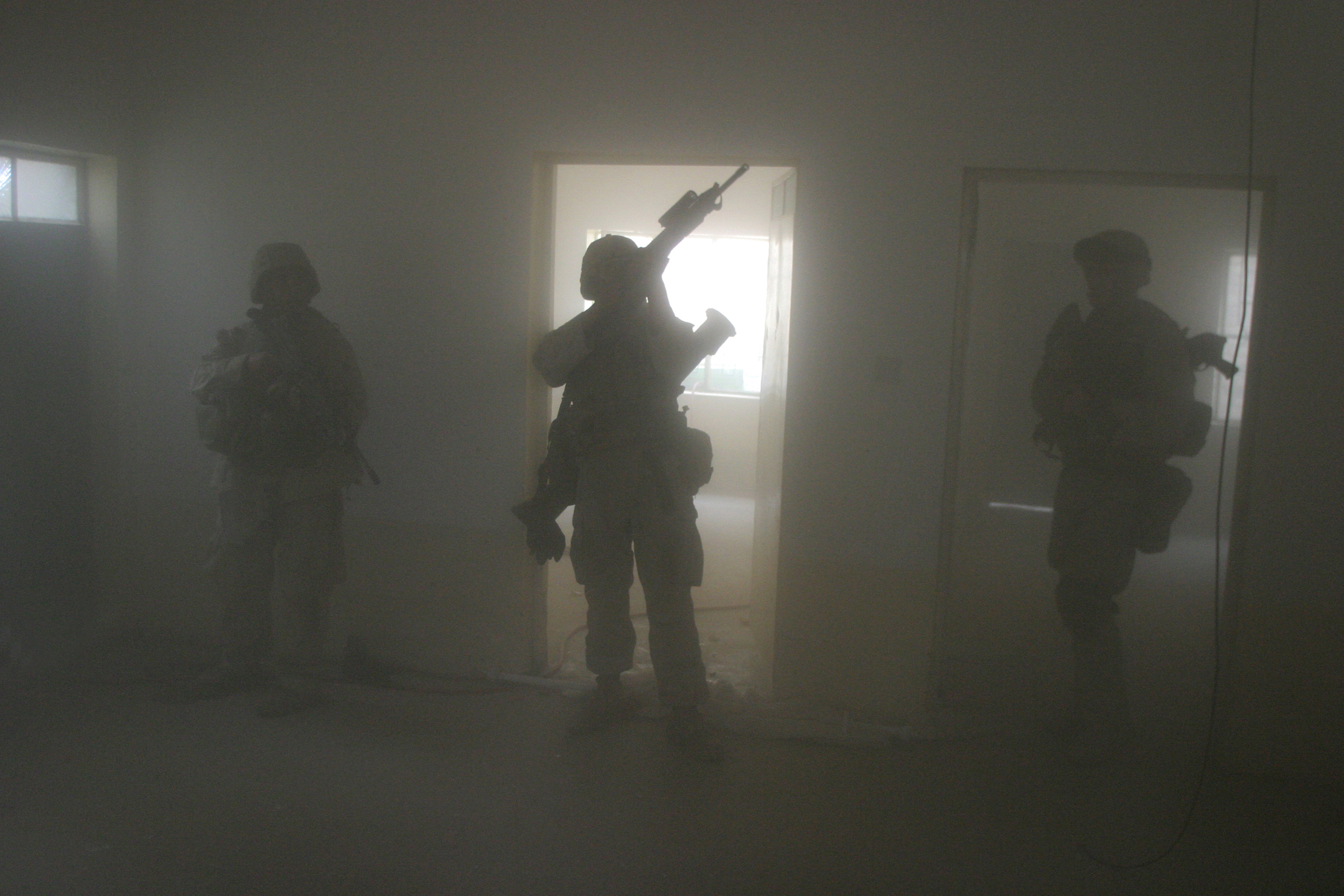
What Are the Ramifications of the Haditha Case?

Marine to Serve No Time in Haditha War-Crimes Case
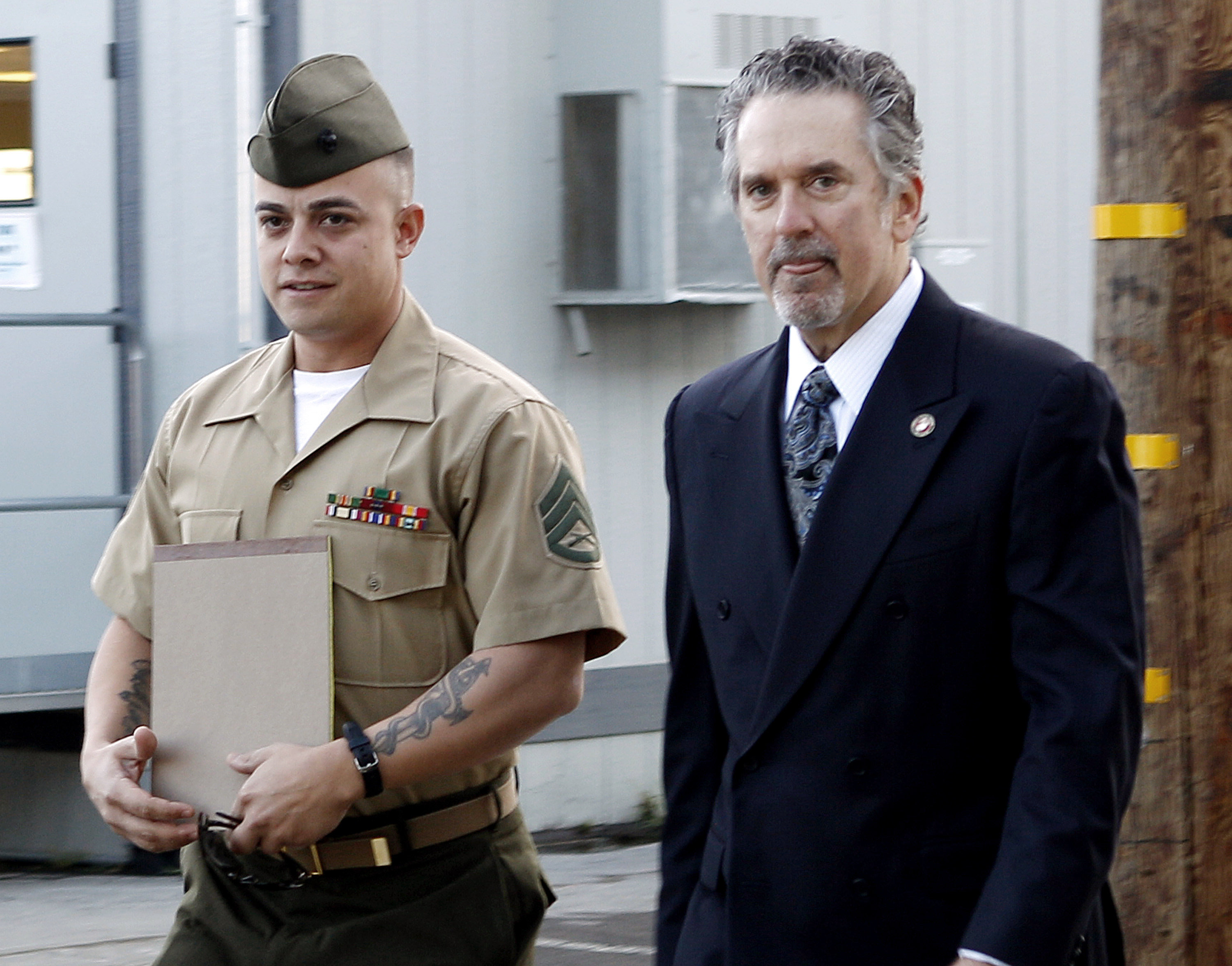
Marine Pleads Guilty in Haditha War-Crimes Trial
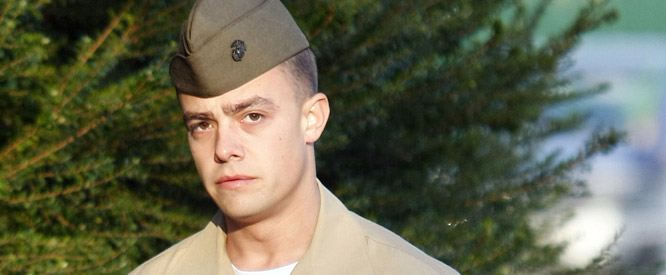
Trial Resumes of Marine Accused in Haditha Killings
Possible Deal for Last Suspect in Haditha Court-Martial?
Newly Discovered Documents Recount Killing of Iraqi Citizens in Haditha
Related Stories
The U.S.-led Invasion of Iraq, 20 Years Later
As Biden Announces End of U.S. ‘Combat Mission’ in Iraq, 21 FRONTLINE Docs Provide Context
What Are the Ramifications of the Haditha Case?
Marine to Serve No Time in Haditha War-Crimes Case
Marine Pleads Guilty in Haditha War-Crimes Trial
Trial Resumes of Marine Accused in Haditha Killings
Possible Deal for Last Suspect in Haditha Court-Martial?
Newly Discovered Documents Recount Killing of Iraqi Citizens in Haditha
Explore
Policies
Teacher Center

Jon and Jo Ann Hagler on behalf of the Jon L. Hagler Foundation
Corey David Sauer
Koo and Patricia Yuen
FRONTLINE is a registered trademark of WGBH Educational Foundation. Web Site Copyright ©1995-2025 WGBH Educational Foundation. PBS is a 501(c)(3) not-for-profit organization.
Funding for FRONTLINE is provided through the support of PBS viewers and by the Corporation for Public Broadcasting, with major support from Ford Foundation, and Fialkow Family Foundation. Additional funding is provided the Abrams Foundation, John D. and Catherine T. MacArthur Foundation, Park Foundation, Heising-Simons Foundation, and the FRONTLINE Trust, with major support from Jon and Jo Ann Hagler on behalf of the Jon L. Hagler Foundation, and Corey David Sauer, and additional support from Koo and Patricia Yuen. FRONTLINE is a registered trademark of WGBH Educational Foundation. Web Site Copyright ©1995-2026 WGBH Educational Foundation. PBS is a 501(c)(3) not-for-profit organization.