Reported by Najibullah Quraishi
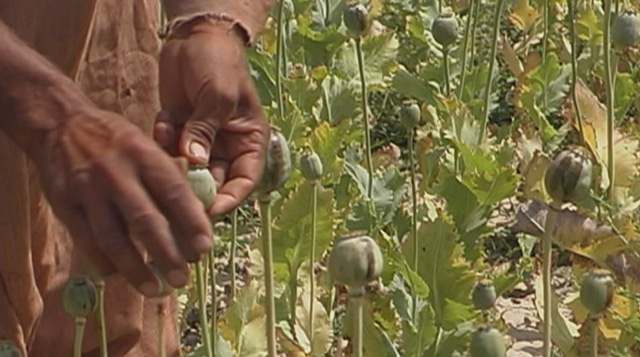
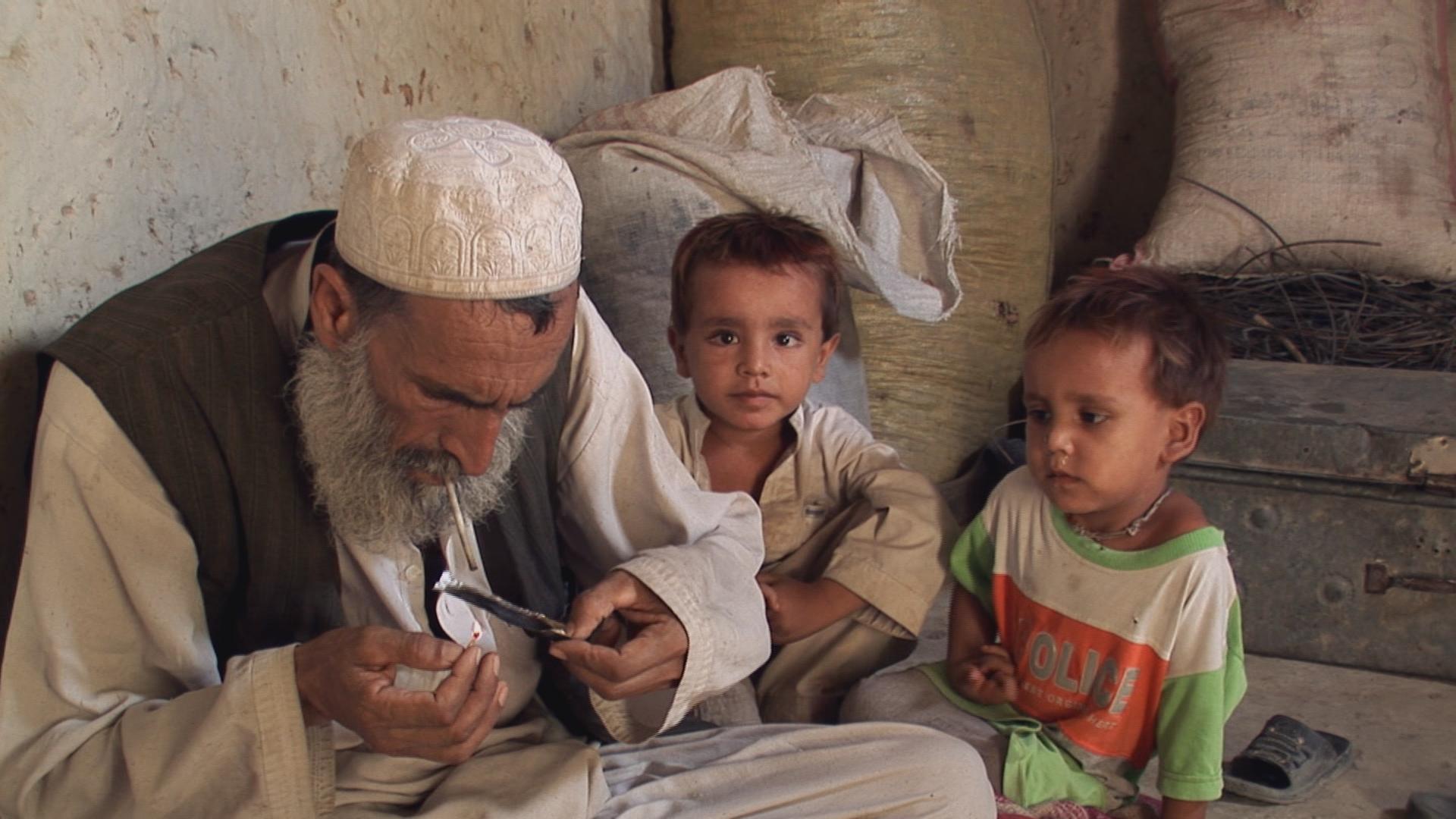
NARRATOR: In a remote part of Nangarhar province in eastern Afghanistan, journalist Najibullah Quraishi has come to hear a story about opium— about money, hostages, and a terrible trade in young children. It’s a story that begins in this village with a poor farming family. The father had borrowed money from drug traffickers to plant a crop of opium poppies, intending to pay it back at harvest time.
MOTHER: [through interpreter] The smugglers gave us money to grow opium. They said, “When the opium is harvested, we will take it from you.” When we grew the opium, the government people came and destroyed it.
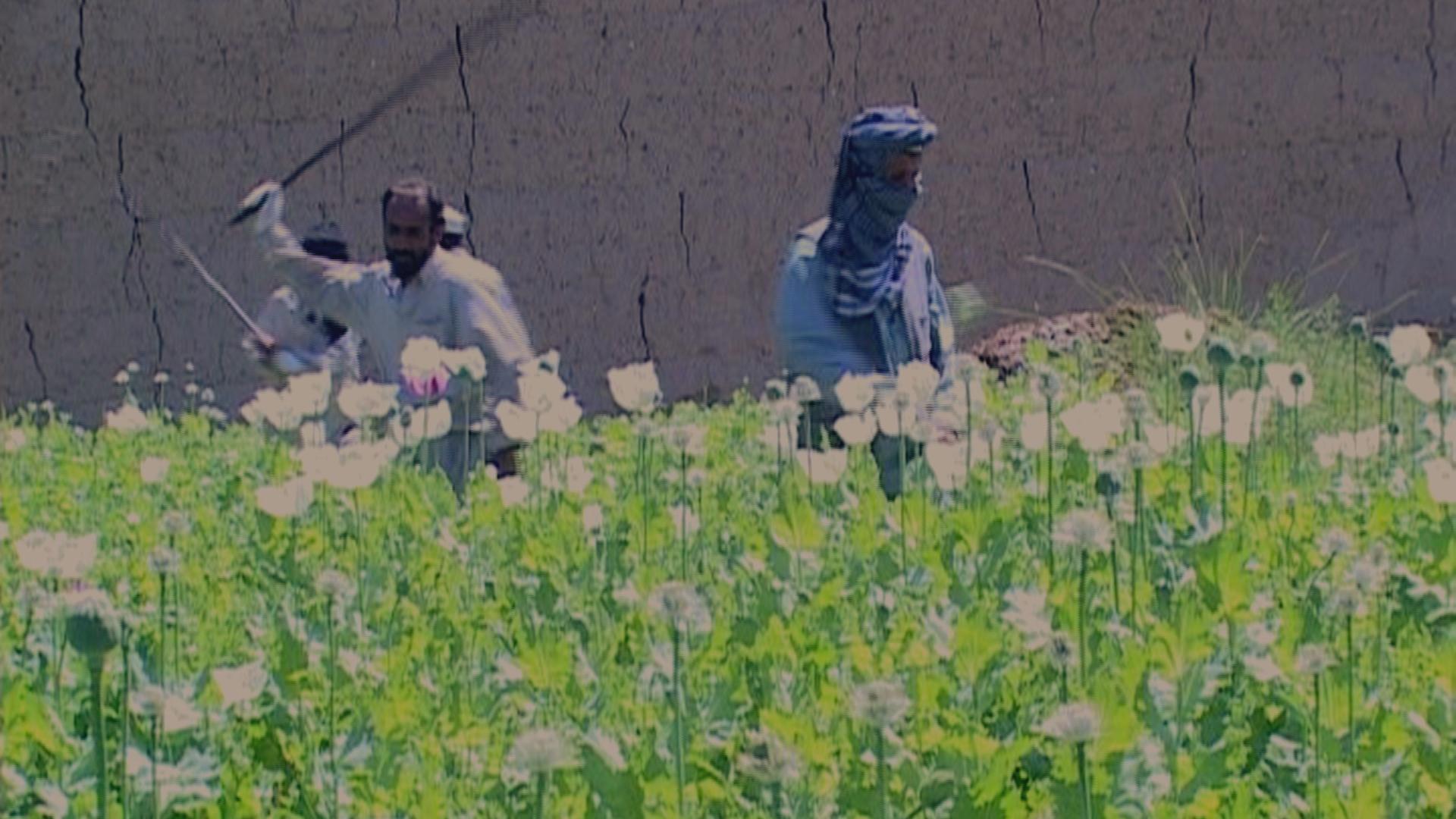
NARRATOR: Their opium crop was destroyed in an eradication program ordered by the Afghan government.
MOTHER: [through interpreter] When they destroyed the opium, the debt remained with us. The smugglers took my husband and imprisoned him. They took him by force. They said, “Give us the money, or we will take him.” I said, “What are we going to do when you take him?” They said, “I don’t care how you do it. Give us our 20,000 dollars. We asked you to grow opium. Why did you allow the government to destroy it? You should have stood against them and fought them.”
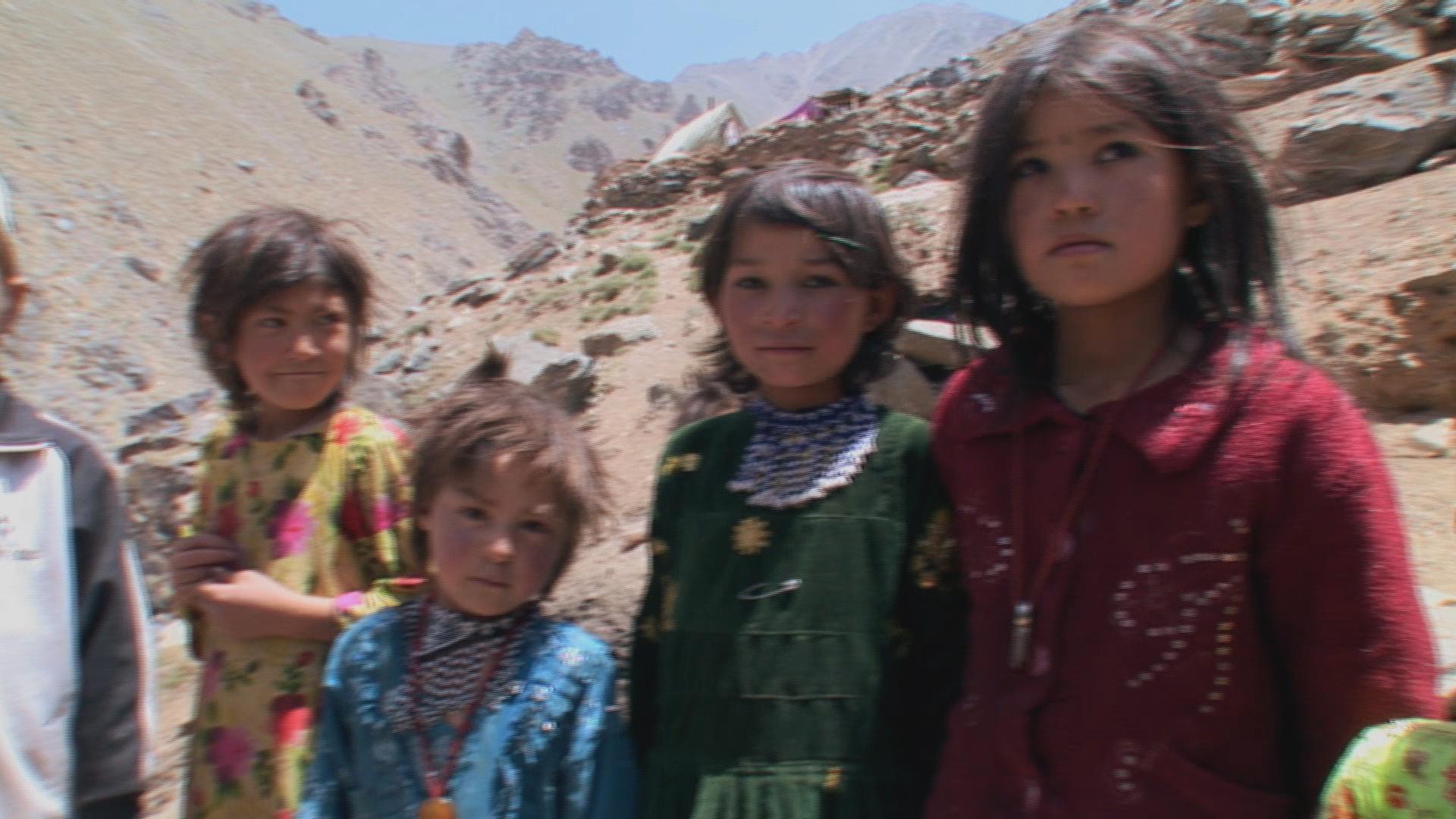
NARRATOR: Now the traffickers are offering a deal, the money or hand over this girl, their 7-year-old daughter.
MOTHER: [through interpreter] They have given me two months. If I don’t find the money by then, I will have to give them my daughter to free my husband. It is the only way I can afford releasing him. NARRATOR: It’s not an isolated story. In a village near the Pakistan border, Quraishi meets another young girl facing the same fate.
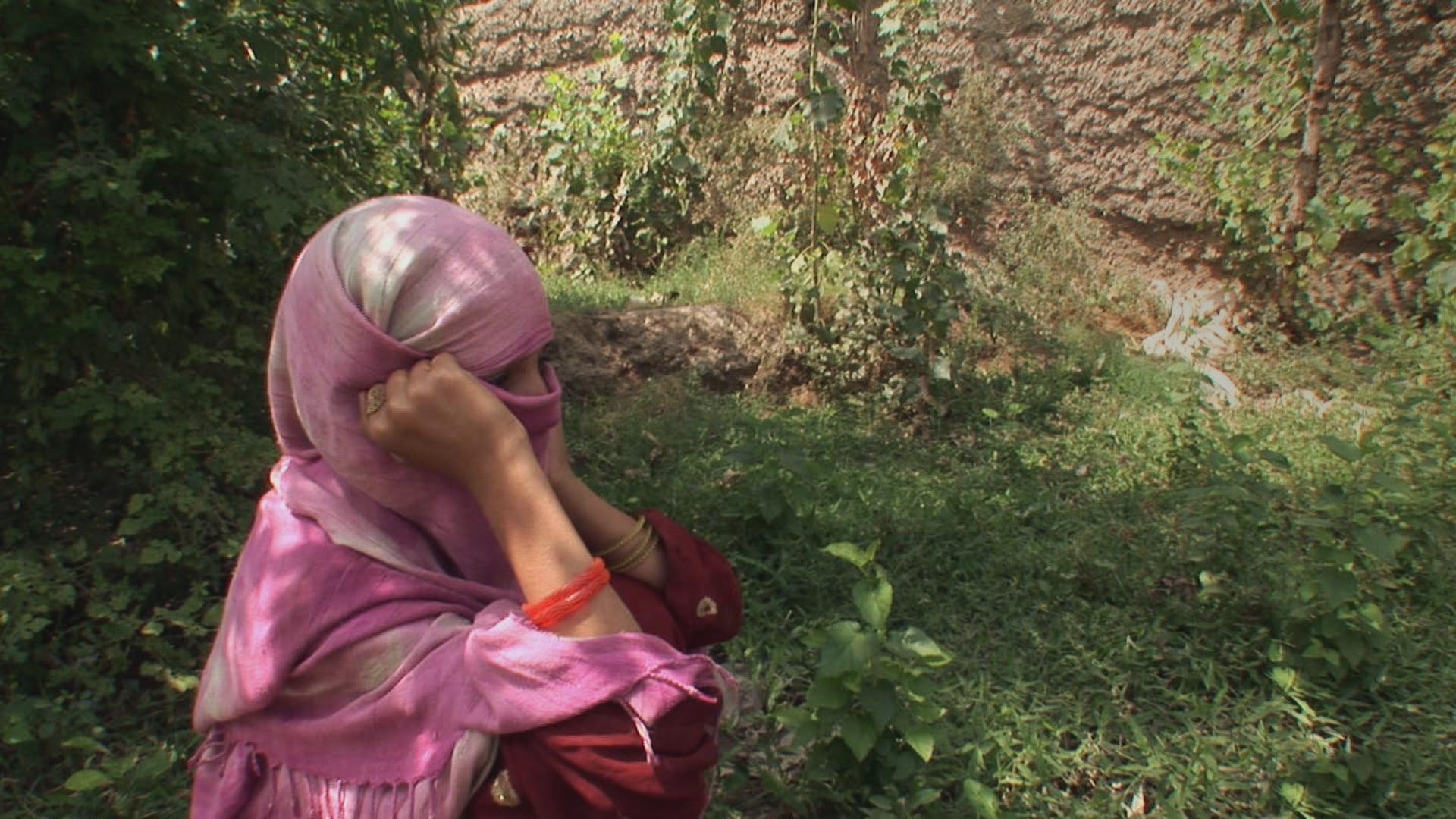
MINA: [through interpreter] I wake up early and sweep. I wash the dishes, then bring tea and bread for my brothers. I prepare a meal for them. My mom goes out and works for an organization. The smugglers have given us money, and we can’t repay them. Now they want to take me by force.
NARRATOR: Eleven-year-old Mina and her family are now in hiding from the drug traffickers.
MINA: [through interpreter] When they take me, they’ll make me do the poppy and opium work. They will make me sweep and do the dishes. And one of these days, they will ask me to marry one of the smugglers.
NARRATOR: Mina’s mother says the only thing she can do is to keep one step ahead of the traffickers.
MOTHER: [through interpreter] My husband had taken money from them. He had taken it from them, saying that “When the harvest comes, I will pay you back.” Then the government people came and destroyed it. So we fled because of the debt. Now we keep moving from one place to another.
NARRATOR: Near the village, Quraishi meets a farmer who months ago was forced to give up his young daughter to drug traffickers His name is Sharif.
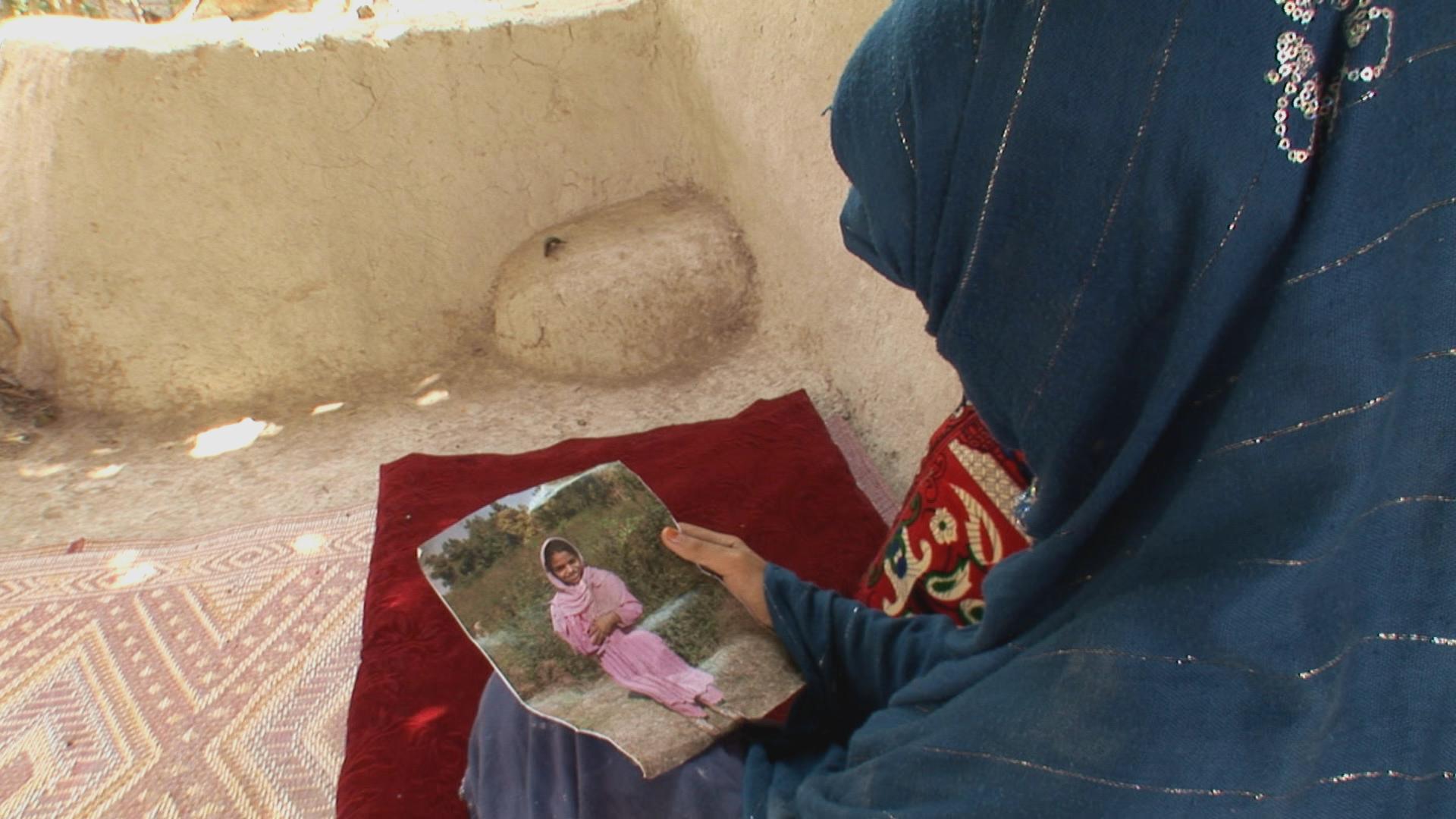
SHARIF: [subtitles] The government came and destroyed the opium fields. The smugglers came after us to get their money back. We didn’t have any money. I had a girl. She was 8 years old. They took her with them. We don’t know where.
NAJIBULLAH QURAISHI: [subtitles] If you didn’t give them your daughter, what would they have done?
SHARIF: [subtitles] They would have killed me. I begged them. My daughter, my son, my wife were all crying. I couldn’t cry. I was just sitting there. I couldn’t say anything. That was the day I put opium in my mouth for the first time. The next day, I did it again. Because of sorrow for her, I became addicted to this powder.
NARRATOR: Across Afghanistan, nearly 200,000 farm families produce over 90 percent of the world’s opium output. The opium trade funnels upwards of $2 billion annually into Afghanistan, about a tenth of the country’s entire economy. But for most farmers at the bottom of the business, it provides an average income of about $2,500 a year, still more than most Afghans earn.
Nangarhar province has been a prime target of the Afghan government’s opium eradication program. Quraishi got hold of this footage of Afghan police and local people destroying poppy crops shot by a freelance cameraman. The footage includes an interview with a district official who says the farmers support eradication.
OFFICIAL: [subtitles] We decided the local people should help destroy the opium crops. They’re here to work with us and they’re happy. It wouldn’t matter if they were unhappy, we have to implement the law.
NARRATOR: But the footage also shows that some of the locals are upset. This elderly woman complains that eradication will make it impossible for her to pay back the loan she took for her crop.
OLD WOMAN: [subtitles] I am begging you to leave those two patches for me, for my son, for God’s sake! God knows I have taken money as a loan. I took it because I am poor.
NARRATOR: And this elderly man complains the leaders keep all the money and seeds for alternative corps the government offers to compensate farmers for the eradication.
OLD MAN: [subtitles] They divide it among themselves. The district chiefs were handed a lot, but they didn’t give any to the needy.
NARRATOR: The opium eradication program may be an Afghan government policy, but security for the operations is often provided by NATO ISAF troops, according to the officer in charge.
Adm. TONY JOHNSTONE-BURT, ISAF Counter Narcotics: That relationship is really, really important to get right. The— and I’m sure you know it’s not ISAF’s mandate to eradicate poppy. It is done by the Afghans for the— you know, with the Afghans. And it sounds a sort of rather confrontational, destructive thing, and I’m sure you’ve come across unhappy farmers. But the point is that it’s done by them. It’s an alternative livelihood program. It’s more than just getting rid of poppy. It’s actually giving them a realistic substitute.
JAMIE DORAN, Producer: Aren’t we getting involved in semantics here?
NARRATOR: Producer Jamie Doran questioned the role of NATO troops in the eradication program.
JAMIE DORAN: —give them the protection. We couldn’t do it without you.
Adm. TONY JOHNSTONE-BURT: That is true.
JAMIE DORAN: The guns and the armored cars, as well.
Adm. TONY JOHNSTONE-BURT: We don’t eradicate poppy, and—
JAMIE DORAN: I’m sorry. It really is semantics here.
Adm. TONY JOHNSTONE-BURT: Well, that— you may call it that, but I would disagree. We do not eradicate poppy. What we do do is provide the secure environment, the stability to enable them to have an alternative livelihood.
NARRATOR: That “alternative livelihood” is an ambitious infrastructure program for growing substitute crops, like wheat or maize. But it’s slow in coming, and meanwhile, these farmers say they’ve been unable to earn what they once got from opium.
FARMER: [subtitles] Opium gives the best harvest and better money than any other crop. These days, I think one kilo opium might be [$2,000 – $2,500] or even higher. It depends on the daily market. It goes up and down.
NARRATOR: The farmers say they would all grow opium again if they could.
FARMER: [subtitles] We can’t grow opium because we are close to the city and the government will come and destroy it.
NAJIBULLAH QURAISHI: [subtitles] If you weren’t so close to the city, would you?
FARMER: [subtitles] Yes, we could. People did it in the past, and we will, too. We need to do it. We have no other option.
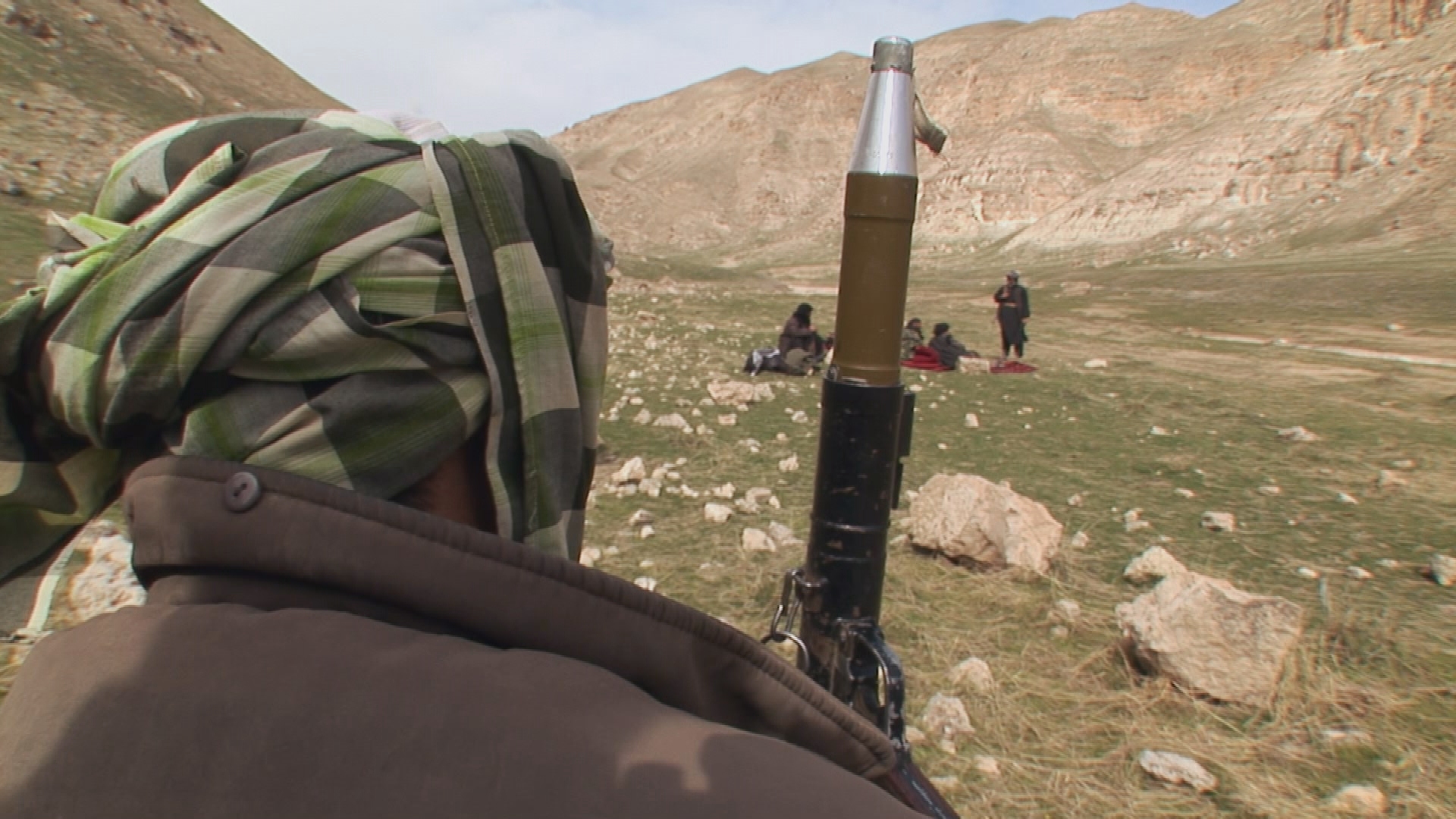
NARRATOR: Not surprisingly, some farming communities are beginning to fight back. This footage, also taken by the freelance cameraman, documents farmers in Nangarhar demonstrating against the police to get the right to grow their opium crops again. The police, unable to quell the demonstrations, finally begin firing on the farmers. While some farmers battle the police, there are others growing opium poppies far from the reach of the government. To get to them, you have to travel towards the Pakistan border, into Taliban territory.
Drug smuggling is a primary source of income for the Taliban, estimated at hundreds of millions of dollars a year from producing opium themselves or forcing traffickers to pay bribes for safe passage through their territory. Deep inside Taliban-controlled countryside, Quraishi is able to meet with some opium farmers, who all say they have no intention of switching to other crops.
FARMER: [subtitles] As long as we are alive, we will grow opium. We will not stop because we have no choice.
NARRATOR: He calculates his two-acre opium crop will earn him more than 20 times what wheat would bring.
FARMER: [subtitles] No matter how much the government tries, we will not give up our poppy harvests. We will die for it.
NARRATOR: These farmers say that with the protection of the Taliban, their crops are safe, that the Afghan police rarely come near this district. But they also say they know what happens to families whose fields are destroyed by the government.
NAJIBULLAH QURAISHI: [subtitles] We’ve heard that smugglers take their children away when they’ve failed to give their opium.
FARMER: [subtitles] That is true. There is no lie in it. They’d taken the money, so they have to give their children.
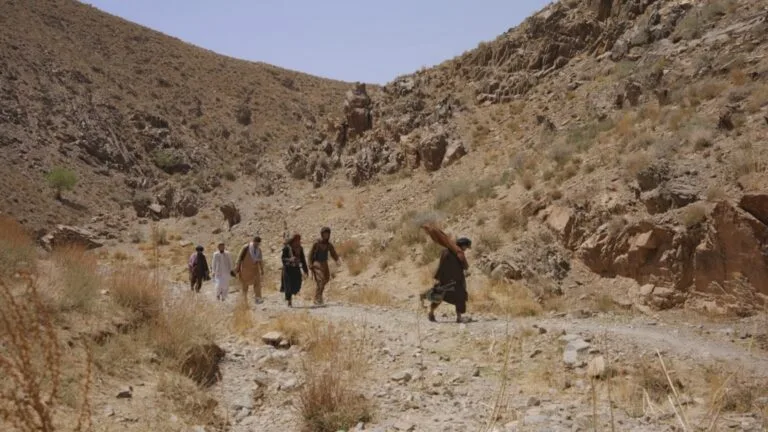
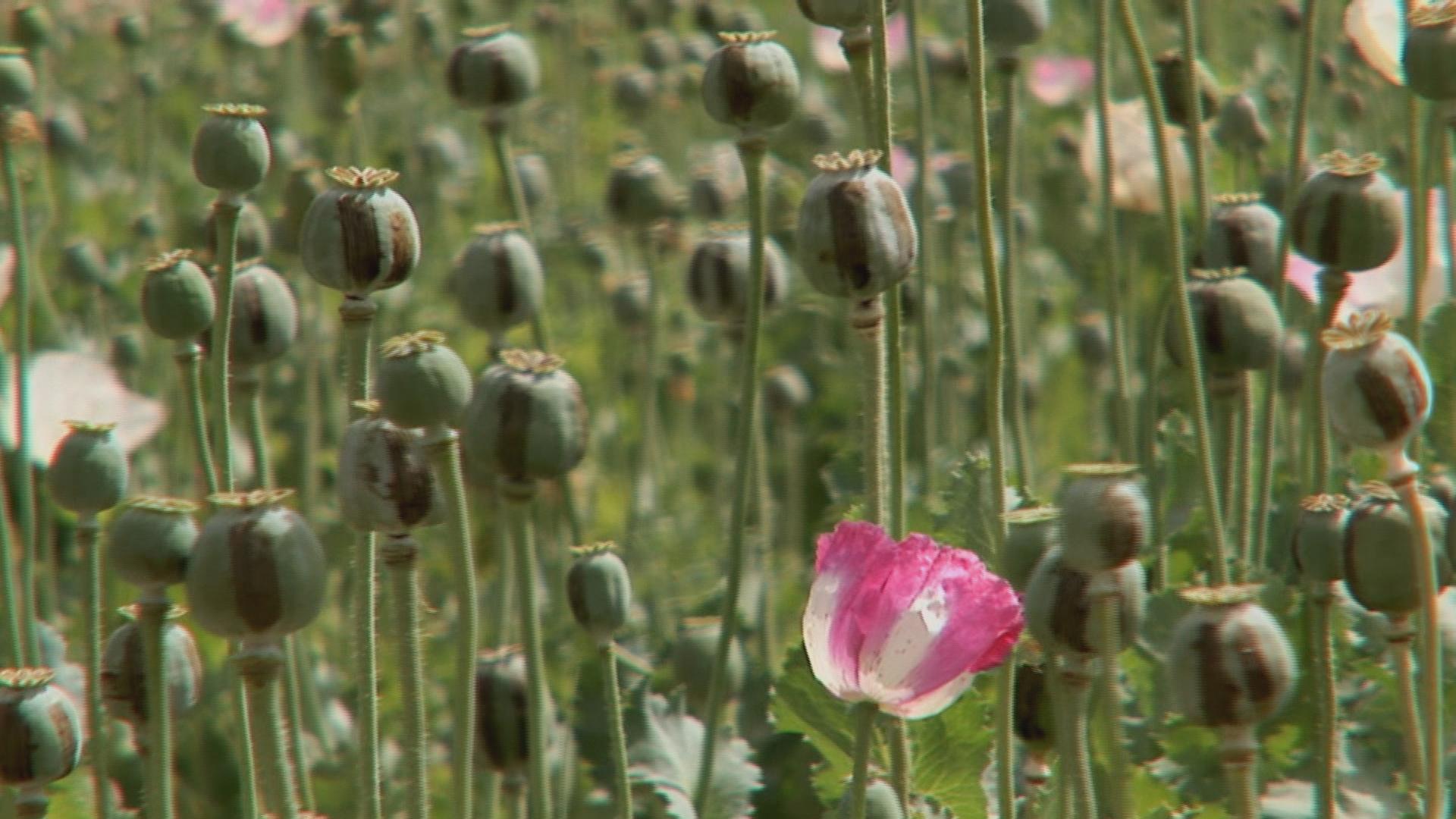
NARRATOR: The practice of trading children for debts is an old one. Quraishi had come across it when he hiked into these remote mountains in north central Afghanistan to film opium farmers. Walking for days, in valley after valley, he sees fields and fields of poppies. These plants will need another two months to mature before harvesting. Then the drug traffickers will arrive to buy the raw opium. Visitors with cameras are not common in these parts.
FARMER: [subtitles] I am 75 years of age. In all those 75 years, no one has come to talk to us. No journalists have come to these remote areas.
NAJIBULLAH QURAISHI: [subtitles] Is this the first time you’ve seen a camera?
FARMER: [subtitles] Yes. No one has ever brought one here before.
NARRATOR: These small villages are a world apart, with their own traditional ways of settling disputes.
NAJIBULLAH QURAISHI: [subtitles] Do you have any laws here? VILLAGER: [subtitles] If there is disagreement or someone kills somebody for their land, the elders of the community get together and give two or three girls or some land in return. This is our way. It is too far for the government to reach.
NARRATOR: Debts are settled in the same way, with girls traded for unpaid loans, sold off to become wives at an early age. It’s a tradition exploited by the drug traffickers in places like Nangarhar province, with a devastating impact on families
JAMILA: [through interpreter] We have been devastated. Anything that we had, my little daughter, we lost them all to the smugglers. We took the money and bought some land. First we worked as farm laborers, but then we worked on our own land. We bought a house. Our lives improved a little after taking the money.
Then there was chaos. Those people came and crushed all the poppy crops. All our money and everything we had were gone, and we became desperate.
NARRATOR: Jamila says the traffickers took her husband hostage and also took her eldest daughter in payment for their debt.
JAMILA: [through interpreter] They took my 14 year-old daughter away to Iran. Now they say they will take my other daughter, who is sitting here by my side.
NARRATOR: Twelve-year-old Farishta says she is terrified the traffickers will soon come for her, too.
FARISHTA: [through interpreter] If they take me, I will kill myself. What else can I do? Death is better than sorrow and sadness. If we give them money, they will let me go. We don’t have any money for living. How can we pay their money?
NARRATOR: When Quraishi met 11-year-old Zarmina, she had just escaped from the drug traffickers who had taken her, a rare event. She told Quraishi she was trying to forget the hardships of her captivity.
ZARMINA: [through interpreter] They wouldn’t allow me to change my clothes. They wouldn’t give me soap to wash them. The clothes became worn out on my body. They did every possible cruelty to me. I really fear that those smugglers will take me again.
NARRATOR: It’s not clear what happened to her. Zarmina says some strangers helped her to escape.
ZARMINA: [through interpreter] They had been beating me for no reason. Then some nomads came, and I went with them. By asking and asking, people agreed to help me. That way, I made it to my parents. Now I fear that they will kill me and kill my parents.
NARRATOR: It’s taboo to talk about sexual abuse in a country where females are often presumed at fault, even when raped. Safia Sidiqqi, a former member of parliament, was reluctant to talk about the sexual use of the girls by the traffickers.
SAFIA SIDIQQI: [subtitles] They are using them. We hear different stories. Maybe they can sell these girls for cash or use them in other ways.
NAJIBULLAH QURAISHI: [subtitles] For example?
SAFIA SIDIQQI: [subtitles] I can’t say it.
NAJIBULLAH QURAISHI: [subtitles] You mean they’ll be used physically?
SAFIA SIDIQQI: [subtitles] Yes. It happens.
NAJIBULLAH QURAISHI: [subtitles] And what other ways? What have you heard?
SAFIA SIDIQQI: [subtitles] What we have heard is the sexual use. They also use them as dancers and in other ways I can’t mention.
NARRATOR: But the local director of counter-narcotics claimed to know nothing about the practice of so-called “opium brides.”
NAJIBULLAH QURAISHI: [subtitles] We heard that the smugglers demand their children in return. Is it true?
SAYED ABADULLAH, Counter Narcotics, Jalalabad: [subtitles] Officially, we haven’t heard anything like this yet.
NARRATOR: He suggests Quraishi speak to his superiors, but intimates there will probably be no official acknowledgement of the practice.
SAYED ABADULLAH: [subtitles] We don’t have any official information regarding this matter yet.
NARRATOR: Off-camera, Abadullah admitted to Quraishi that of course he knew about it but that it’s not something government officials are supposed to talk about. Quraishi had another lead to follow, a story he first heard from several high Afghan officials about a man they knew who had been kidnapped by drug traffickers. He is seen in this video, which was shot by the traffickers and sent to his family to convince them to pay their debts.
“RAZIM”: [subtitles] I’m asking you— whatever they want, I’m asking that you give it to them, for God’s sake.
NARRATOR: He was a school teacher who said he had no idea that his father and brother had taken $40,000 from drug traffickers to expand their farm. When Afghan police destroyed the farm’s opium crop, his father fled into hiding and his brother was captured by the traffickers. When the school teacher showed up on the farm, he too was suddenly surrounded by armed men.
“RAZIM”: [through interpreter] I was imprisoned by them for over six months. During those six months, I faced many ordeals. The first one was when they took me with them in a car.
NARRATOR: He says after being imprisoned for two months in Afghanistan, he was turned over to a second group of smugglers and driven into Pakistan, where, he says, the traffickers forced him to watch the execution of an old man.
“RAZIM”: [through interpreter] They made an old man sit in the middle of the road. They put his election card, I think, in his mouth, and then shot the poor guy in public, in the bazaar, and then we left.
NARRATOR: He says he was then forced to watch a second execution, this time of several Afghan border policemen.
“RAZIM”: He shot them in the head one by one, all five or six on the spot, and killed those poor people. They told me, “These people stop us when we transport drugs, and anyone who tries to stop us will face the same consequences. If you don’t accept our conditions, either give us back the money or a sister or daughter, we will do the same to you.”
NARRATOR: Finally, the school teacher, who we’ll call “Razim,” says the traffickers forced him to watch the beheading of a man they said had not paid his debts.
“RAZIM”: [through interpreter] They threw the poor guy over there, grabbed a knife and slit his throat. I was looking at him. And they said, “If you don’t give money, or your sister or daughter or son, then you’ll face the same fate.”
NARRATOR: Razim says he finally decided that if he were killed, his family would still be in danger. So he agreed to a deal.
“RAZIM”: Finally, I was forced to tell them I would give them one daughter, who is 5 or 6 years old, and one son, who is 11 or 12 years old. I was forced to give them as a guarantee for my own life so that they would release me.
NARRATOR: Razim said he made the painful decision so he could come back and raise money to rescue his children, begging loans from his family and selling off the little land he owned.
“RAZIM”: These people are demanding $40,000 from me, $20,000 for my son and daughter’s release and $20,000 for my brother. I have collected about $14,000 or $15,000, about that much.
NAJIBULLAH QURAISHI: [subtitles] You first want to save your children?
“RAZIM”: [through interpreter] Yes, because my children are just little kids.
NARRATOR: While Razim kept trying to raise the money, Quraishi headed back to the villages deep in Nangarhar province. Two months had passed since he last saw Farishta. The family still had no news of her sister.
NAJIBULLAH QURAISHI: [subtitles] Have you heard anything about your sister who was taken to Iran?
FARISHTA: [through interpreter] I don’t know where she is. She was really good with me. We always played together. When Dad was busy in the opium fields, we would take food to him. She played with me on the way. We played in the stream together. She really loved me and I loved her. We studied in a madrassa and went to school. The drug smugglers came after us at school saying, “We will meet you.” When we came home, they took my sister by force. I still remember that my sister was crying as they were pulling her. She was shouting.
NARRATOR: There are few places for girls like Farishta to turn to. In a country where the government rarely acknowledges the abuse of girls, there are only a handful of private shelters like this one Quraishi is taken to. He meets a teenager who had been rescued just as her father was about to hand her over to a 70-year-old man as an “opium bride.”
NAJIBULLAH QURAISHI: [subtitles] What is your name, and how old are you?
AMINA: [through interpreter] Amina, and I am 14 years old. My father wanted to sell me to drug smugglers, but I didn’t want to get married.
NARRATOR: She says her father was so angry when she tried to resist that he beat her.
AMINA: [through interpreter] My father would beat me and pull my hair and my mom’s hair. He would kick me and my mother. He would threaten to throw us out of the house. My father had taken cash from that person and promised that I would marry him.
NARRATOR: The shelter promised to care for her for as long as is necessary, until she is able to safely move away to another part of the country.
NAJIBULLAH QURAISHI: [subtitles] What are you doing?
SHARIF: [subtitles] Nothing. I’m just waiting for somebody.
NARRATOR: For Sharif, the farmer who turned over his young daughter, the guilt of giving her up has become overwhelming.
NAJIBULLAH QURAISHI: [subtitles] What is up?
SHARIF: [subtitles] Nothing. You see how our life is.
NAJIBULLAH QURAISHI: [subtitles] Do you have any news from your daughter yet?
SHARIF: [subtitles] Not yet. If I knew anything, I would tell you.
NAJIBULLAH QURAISHI: [subtitles] No news at all?
SHARIF: [subtitles] Not at all. I don’t know if she is alive or dead.
NARRATOR: His addiction to heroin is getting out of control.
SHARIF: [subtitles] I can’t resist smoking it, and if I smoke, the kids will die from starvation. If I don’t smoke, I will die. If I don’t smoke, my heart moves like this. [gestures] I feel like it is falling, falling, falling from my body. And when I smoke it, my heart becomes like this.
NAJIBULLAH QURAISHI: [subtitles] Your heart calms down.
SHARIF: [subtitles] Yes, it calms down.
CHILD: [subtitles] Father? Father, Father— chocolate?
SHARIF: [subtitles] Don’t come after me anymore, OK, because I have become miserable and you may become miserable, too. Why are you following me? Wherever I sit, you pop up there right away. Why?
CHILD: [subtitles] Mother says so.
SHARIF: [subtitles] Mother is wrong. Don’t follow me because I am unlucky. Whether today or tomorrow, in the future, you will also get addicted and become miserable like me. Do you understand?
NARRATOR: Then Quraishi hears some terrible news— that Farishta has disappeared.
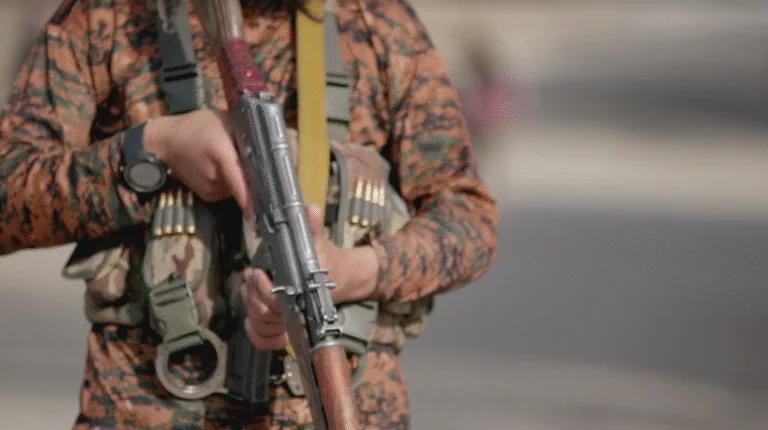
NAJIBULLAH QURAISHI: She told us that she would commit suicide if she was taken away. Today, after two weeks, I came here and there’s no sign of her. Her neighbors told us that a group of gunmen with Kalashnikov gun came here, took her away. And the second day, or the following day, her family disappeared. And no one knows where they are.
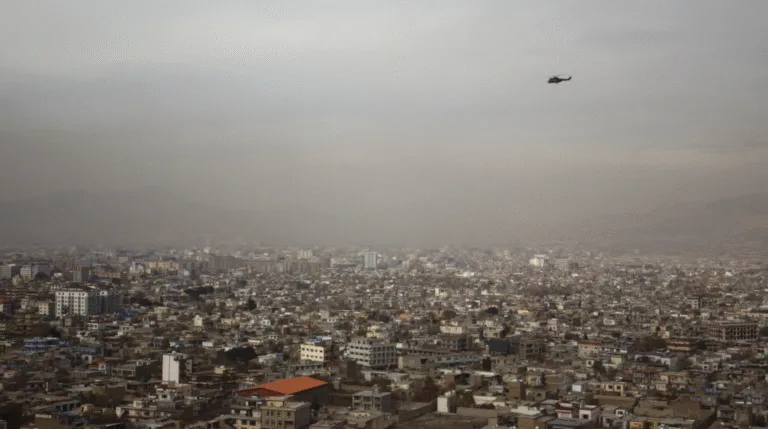
NARRATOR: Quraishi goes looking for the other girls. It seems two of them have escaped to other parts of the country. But there is news of the family he first met. Their mother has been forced to hand over her 7-year-old daughter to the drug traffickers.
Back in Jalalabad, Razim has finally managed to raise $20,000 from relatives and friends to buy back his children.
“RAZIM”: [through interpreter] They will call me today, or anytime soon. Then I’ll go to the location they’ve shown me. I’ll give them the money and they’ll give me my children.
NARRATOR: Razim is expecting a call at any moment. It comes as Quraishi is interviewing him.
NAJIBULLAH QURAISHI: [subtitles] What do you hear about your family? [sound of buzzer] What is it?
“RAZIM”: [subtitles] I don’t know. It’s a call.
NAJIBULLAH QURAISHI: [subtitles] Connect it to the loudspeaker.
MAN ON PHONE: [subtitles] Do not fool around. I am not that type of person. Come and get your goods. Just bring me that $20,000. Bring it to the specific place I have shown you. If you don’t bring it, you can’t blame me. I am not going to call you again. Now it’s up to you. You’re on your own. This was my last call. I won’t have a another word with you. That’s it. Goodbye.
“RAZIM”: [subtitles] That was them.
NAJIBULLAH QURAISHI: [subtitles] What did they say? I couldn’t get it.
“RAZIM”: [subtitles] It was the same story. He told me, “Come, bring the money and collect your children.” He said, “Come alone and bring the money. Don’t talk to anyone else.”
[through interpreter] They just want money. They don’t want anything else. The smugglers are totally beyond the bounds of humanity. They have no mercy. I will give them the money and get my children back alive and healthy so we’re together again.
NARRATOR: For two hours, Quraishi waits. But when Razim returns, there is only one child with him in the car, his 6-year-old daughter.
“RAZIM”: [subtitles] I gave it to them and they gave me her. I got her back.
NAJIBULLAH QURAISHI: [subtitles] But why didn’t your son come, too?
“RAZIM”: [subtitles] He wasn’t with them. I didn’t have all the money with me. I had half of it. They didn’t bring him. They only brought her. My child is upset and I am upset, too. I can’t say any more.
NARRATOR: For seven weeks, Razim heard nothing more about his son. Then, suddenly, the boy was returned. He was terribly ill. He died two days later
[To protect the rest of his family from the traffickers, Razim left Afghanistan. Mina and Zarmina and their families have moved away from their villages. Both girls remain free but are still under threat from the traffickers.]