Study: 5,100 Kids in Foster Care After Parents Deported
November 3, 2011
Share
“Even if the [immigration] law is executed with perfection, there will be parents separated from their children,” White House Director of Intergovernmental Affairs Cecilia Muñoz told us when we interviewed for her our recent film Lost in Detention.
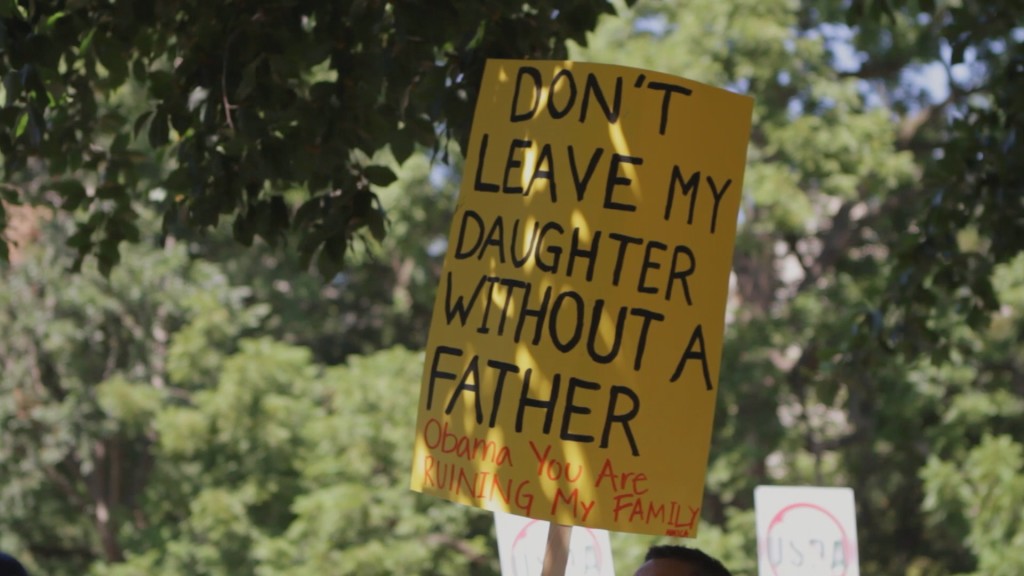
And while she stressed that the solution is comprehensive immigration reform, a new report from the Applied Research Center [ARC], which advocates for immigration reform, has found that, in the meantime, an increasing number of children are being placed into foster care when a parent is deported.
At least 5,100 children in 22 states are currently in foster care, and if the current pace of deportations continue, ARC expects that number to rise to 15,000 children in the next five years. Nearly 397,000 people were deported in fiscal year 2011 — up from more than 392,000 in 2010. Since Obama took office, his administration has deported more than a million people.
The record number of deportations is in part attributed to federal-local partnership programs like Secure Communities and 287(g), which track the immigration status of people booked in jails across the country. According to ARC, foster care children in counties participating in 287(g) are 29 percent more likely to have parent who has been detained or deported.
This trend worries some, including Lake County, Ill., Sheriff Mark Curran, who was an initial supporter of Secure Communities. The Republican and devout Catholic has become an outspoken critic of the program, however, in part because of what he’s seen it do to families:
If we’re going to have any sense of fairness, shouldn’t we take care of the people that have thrown down roots? They have a stake in this country. They have brought their children up in this country. Or should we deport them and leave their families, who have been here and [who] are U.S. citizens, behind? …
If the future of this country is the young people, causing that many more children to be raised without their nuclear, two-parent family, that is not something that I believe our Lord would bless, ultimately.
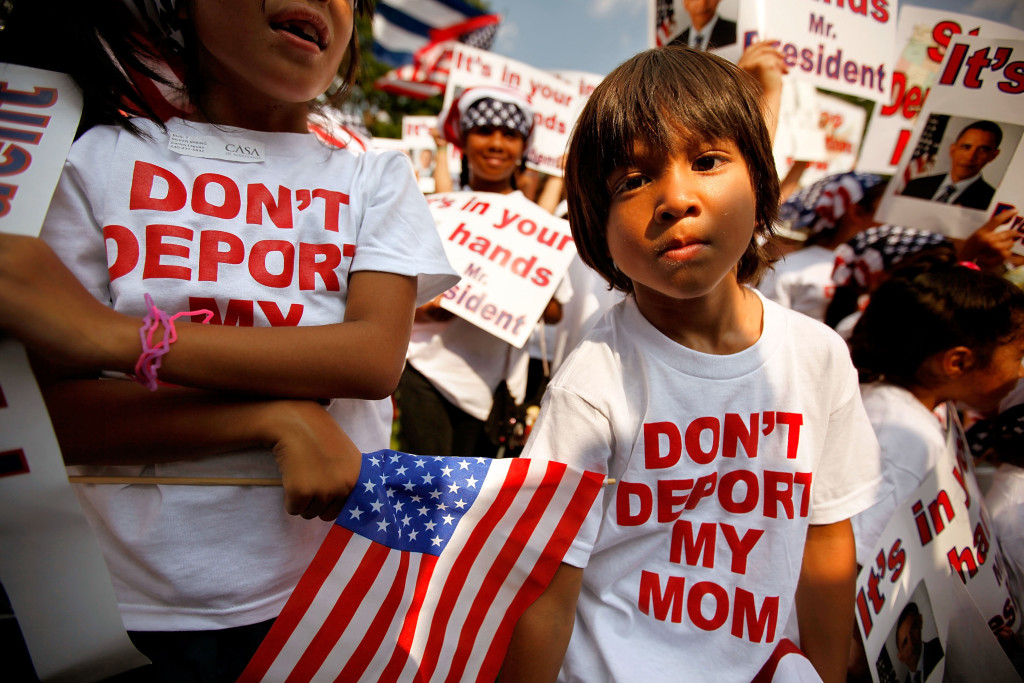
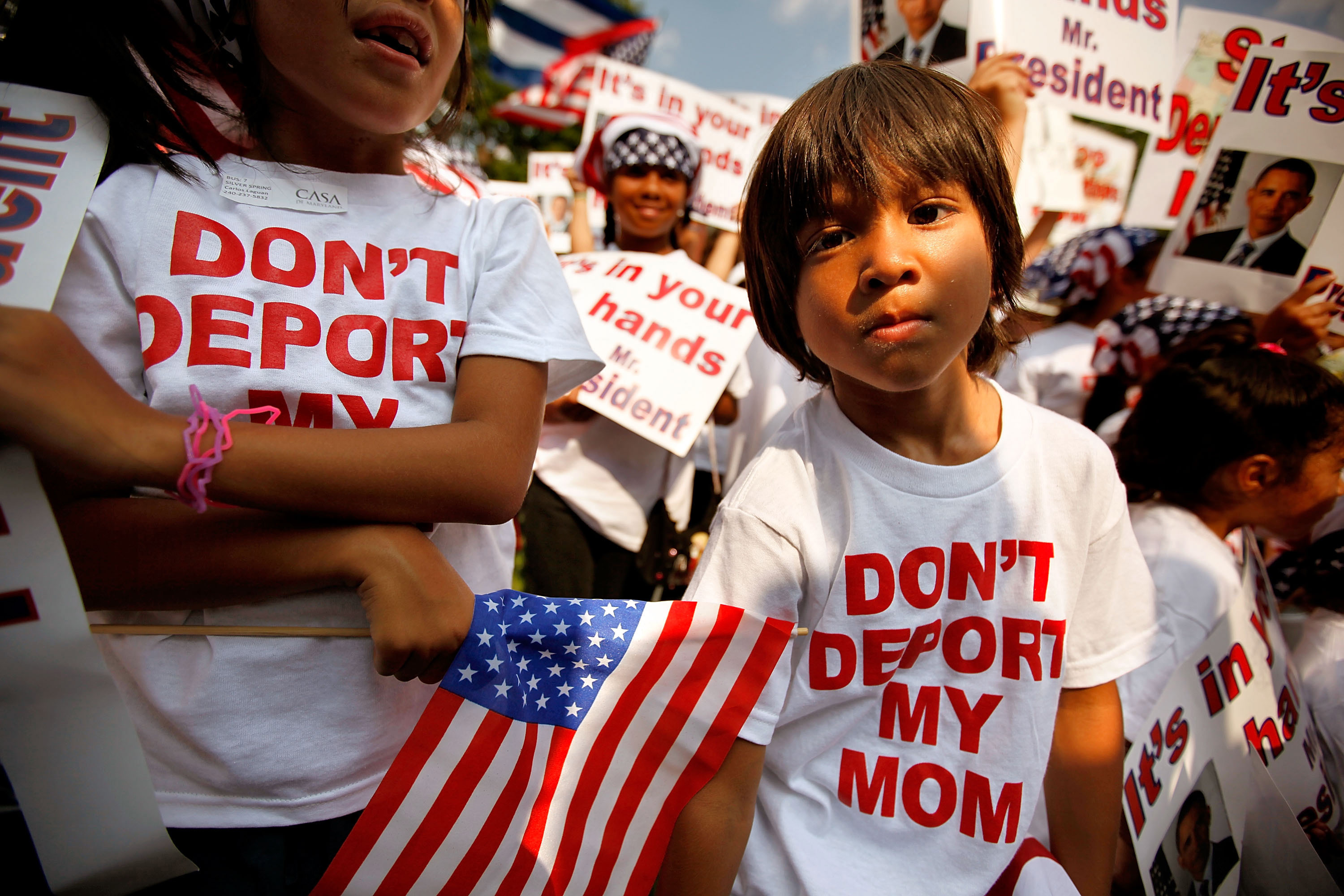
Approximately 5.5 million children in the U.S. have a parent who is here illegally — 4.5 million of them are U.S. citizens.
When a parent is deported, opportunities to house their child with other family members or friends often prove elusive. “Our research found time and again that families are being left out of decision-making when it comes to the care and custody of their children,” says Seth Freed Wessler, the study’s author. “As a result, children of detained and deported parents are likely to remain in foster care when they could be with their own family.”
In a statement, however, Immigration and Customs Enforcement [ICE] spokesperson Gillian Christensen told FRONTLINE that the agency is working hard with families to make informed decisions about care:
While ICE has not reviewed the contents of the report, our agency does work with individuals in removal proceedings to ensure they have ample opportunity to make important decisions regarding the care and custody of their children. Furthermore, as outlined in the agency’s June 2010 Civil Enforcement Priorities memo [PDF], ICE will typically not detain individuals who are the primary caretakers of children, unless they are legally subject to mandatory detention based on the severity of their criminal history or their risk of flight.
Overall, ICE is focused on smart and effective immigration enforcement which prioritizes the removal of convicted criminal aliens, threats to national security, recent border crossers, illegal re-entrants and immigration fugitives.
Read ARC’s full “Shattered Communities” report here [PDF].
Dig Deeper: The Harvard Educational Review recently released “Growing Up in the Shadows of Illegal Immigration,” a study on the developmental implications of having a parent who is in the U.S. illegally. The report found that these children suffer from educational delays, health problems trouble entering the workforce and more.
Support provided by:
Learn More
Related Documentaries
Latest Documentaries





Related Stories
Lost in Detention
Related Stories
Lost in Detention
Explore
Policies
Teacher Center

Jon and Jo Ann Hagler on behalf of the Jon L. Hagler Foundation
Corey David Sauer
Koo and Patricia Yuen
FRONTLINE is a registered trademark of WGBH Educational Foundation. Web Site Copyright ©1995-2025 WGBH Educational Foundation. PBS is a 501(c)(3) not-for-profit organization.
Funding for FRONTLINE is provided through the support of PBS viewers and by the Corporation for Public Broadcasting, with major support from Ford Foundation, and Fialkow Family Foundation. Additional funding is provided the Abrams Foundation, John D. and Catherine T. MacArthur Foundation, Park Foundation, Heising-Simons Foundation, and the FRONTLINE Trust, with major support from Jon and Jo Ann Hagler on behalf of the Jon L. Hagler Foundation, and Corey David Sauer, and additional support from Koo and Patricia Yuen. FRONTLINE is a registered trademark of WGBH Educational Foundation. Web Site Copyright ©1995-2026 WGBH Educational Foundation. PBS is a 501(c)(3) not-for-profit organization.