The War Briefing
October 28, 2008
56m
Can the war in Afghanistan be won? A hard, inside look at the real policy choices facing Barack Obama
The War Briefing
October 28, 2008
56m
Share
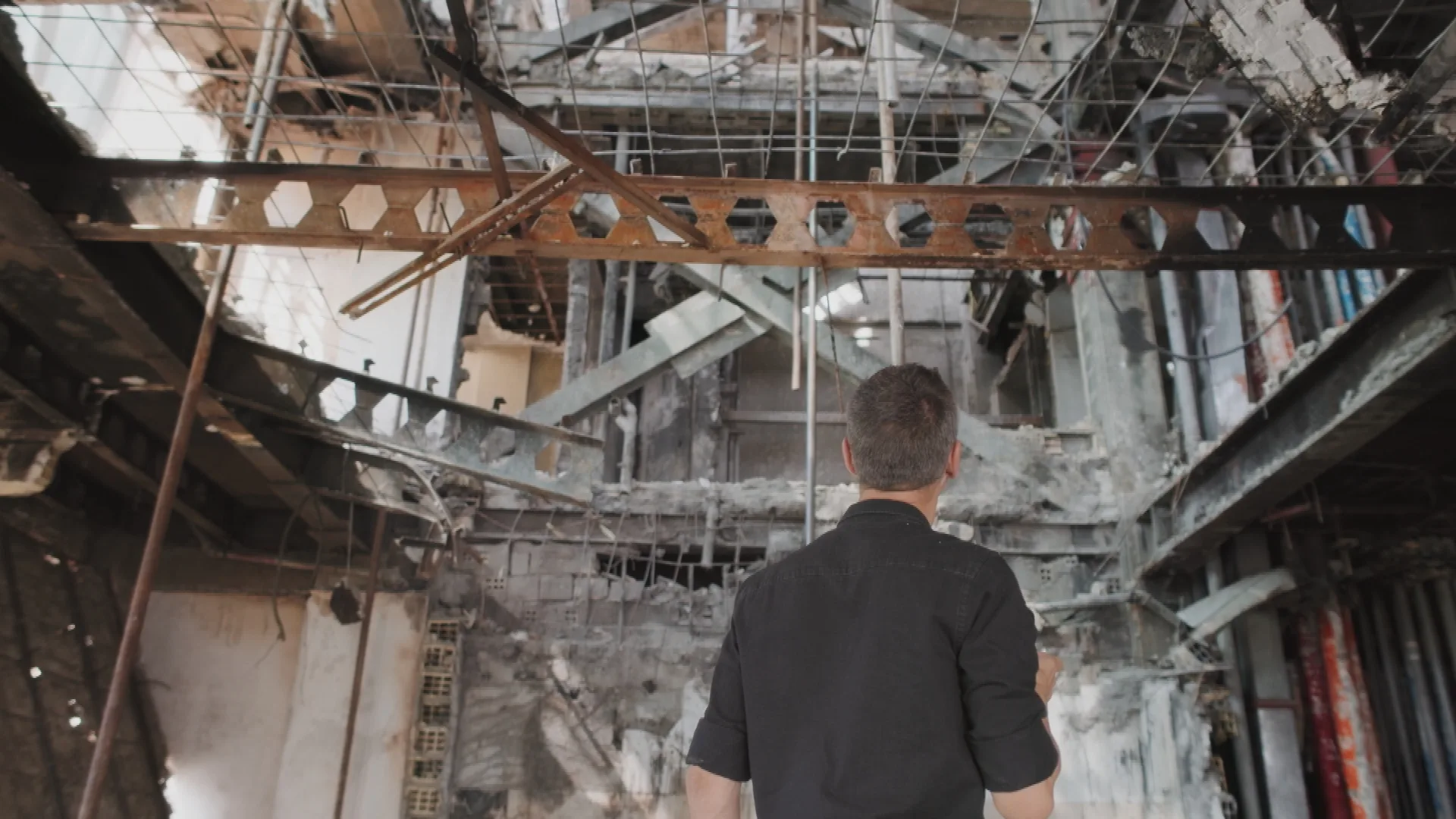
The next president of the United States will inherit some of the greatest foreign policy challenges in American history — an overstretched military, frayed alliances, and wars on two fronts. FRONTLINE gives viewers a hard, inside look at the real policy choices the next president will face. The report features strategists and diplomats giving their best advice about how to correct past failures and how to shape a realistic foreign policy approach in Iraq, Afghanistan and Pakistan. [Explore more on the original website for The War Briefing.]
Produced by
Journalistic Standards
Support provided by:
Learn More
Most Watched




The FRONTLINE Newsletter
Related Stories
18 Essential Documentaries on Afghanistan and the Taliban
17 Essential Documentaries on the War in Afghanistan — and Its Consequences
Amid the U.S. Withdrawal From Afghanistan, 14 Documentaries Explore the Two-Decade War and Its Impact
The War in Afghanistan: As Biden Sets U.S. Withdrawal Date, 13 Documentaries Explore the Conflict and Its Impact
Related Stories
18 Essential Documentaries on Afghanistan and the Taliban
17 Essential Documentaries on the War in Afghanistan — and Its Consequences
Amid the U.S. Withdrawal From Afghanistan, 14 Documentaries Explore the Two-Decade War and Its Impact
The War in Afghanistan: As Biden Sets U.S. Withdrawal Date, 13 Documentaries Explore the Conflict and Its Impact
Explore
Policies
Teacher Center

Jon and Jo Ann Hagler on behalf of the Jon L. Hagler Foundation
Corey David Sauer
Koo and Patricia Yuen
FRONTLINE is a registered trademark of WGBH Educational Foundation. Web Site Copyright ©1995-2025 WGBH Educational Foundation. PBS is a 501(c)(3) not-for-profit organization.
Funding for FRONTLINE is provided through the support of PBS viewers and by the Corporation for Public Broadcasting, with major support from Ford Foundation, and The Fialkow Family Foundation. Additional funding is provided the Abrams Foundation, Park Foundation, John D. and Catherine T. MacArthur Foundation, Heising-Simons Foundation, and the FRONTLINE Trust, with major support from Jon and Jo Ann Hagler on behalf of the Jon L. Hagler Foundation, and Corey David Sauer, and additional support from Koo and Patricia Yuen. FRONTLINE is a registered trademark of WGBH Educational Foundation. Web Site Copyright ©1995-2025 WGBH Educational Foundation. PBS is a 501(c)(3) not-for-profit organization.