You can move through the gallery by clicking on the “PREV” and “NEXT” buttons that appear in the upper left and right of each image.
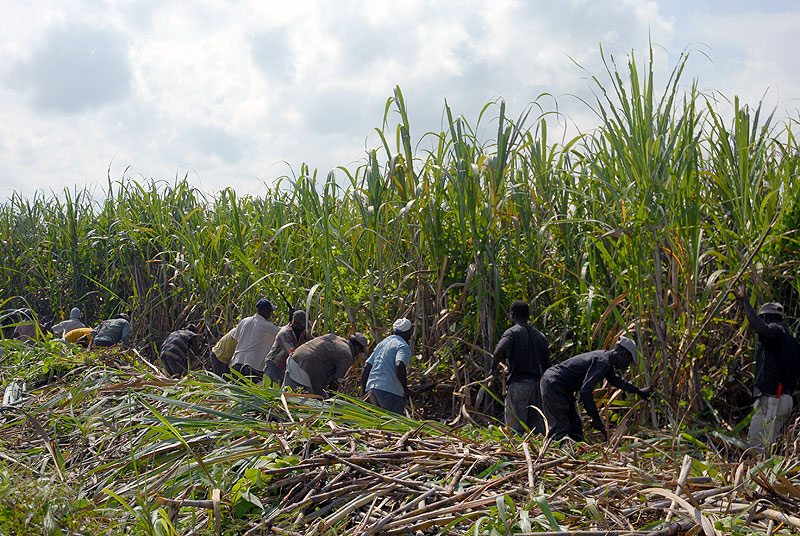
- Workers cutting sugar cane in the Dominican Republic.
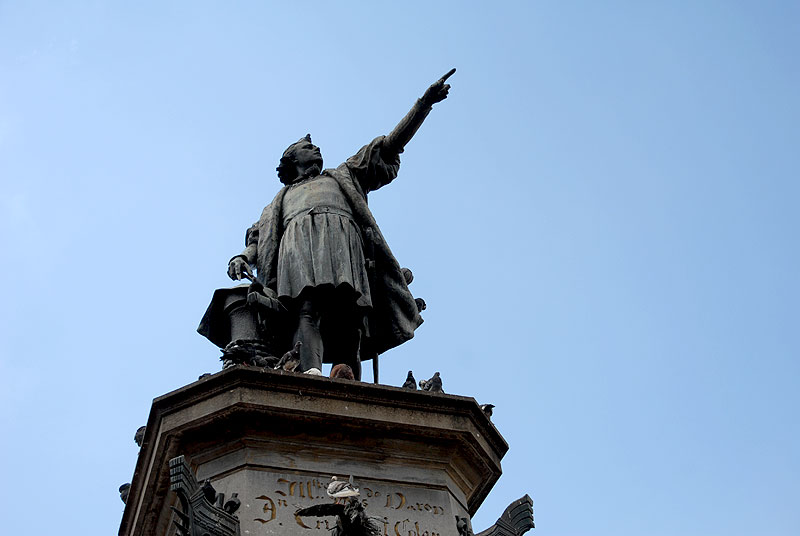
- A statue of Christopher Columbus in Santo Domingo, Dominican Republic.
- Dajabón Market in the Dominican Republic. Dajabón province is located on the border with Haiti.
- Little Haiti in the Dominican Republic.
- Professor Gates with Merengue singers in the Domincan Republic.
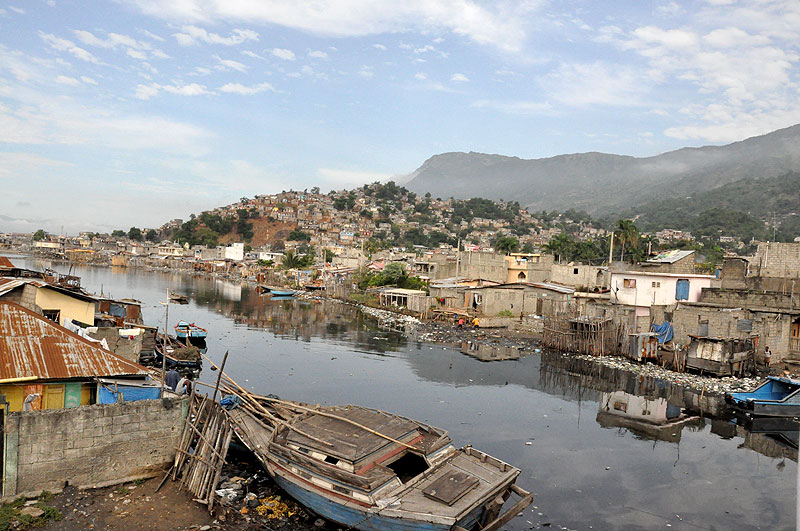
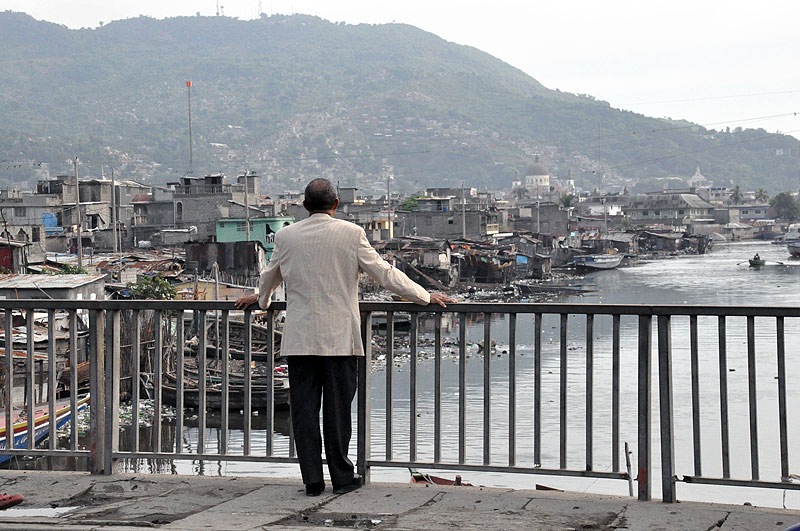
- A river town in Haiti.
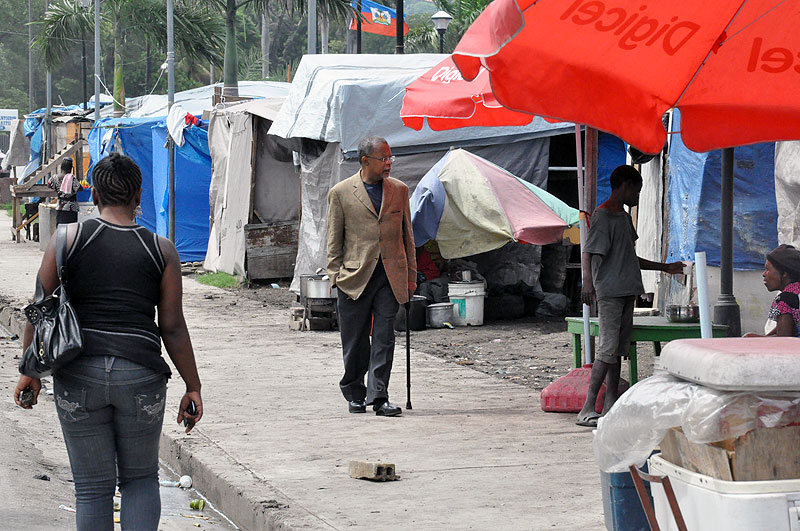
- Professor Gates on the streets of Haiti.
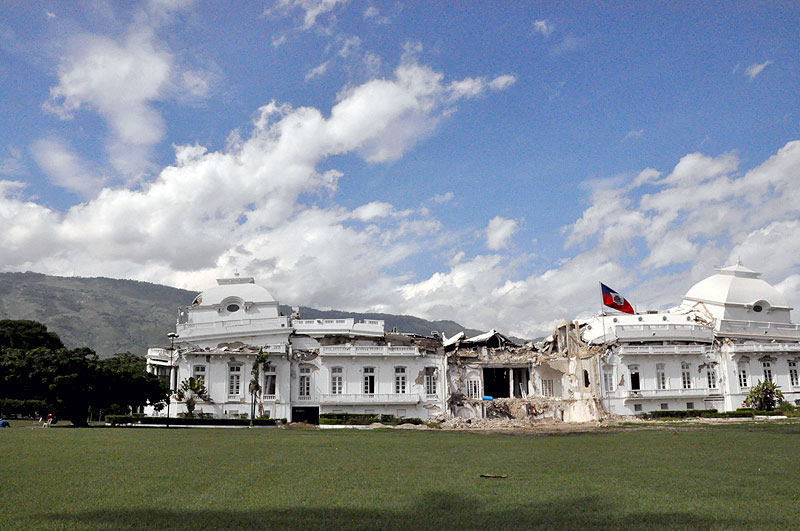
- Haiti's Presidential Palace, still in ruins after the earthquake.
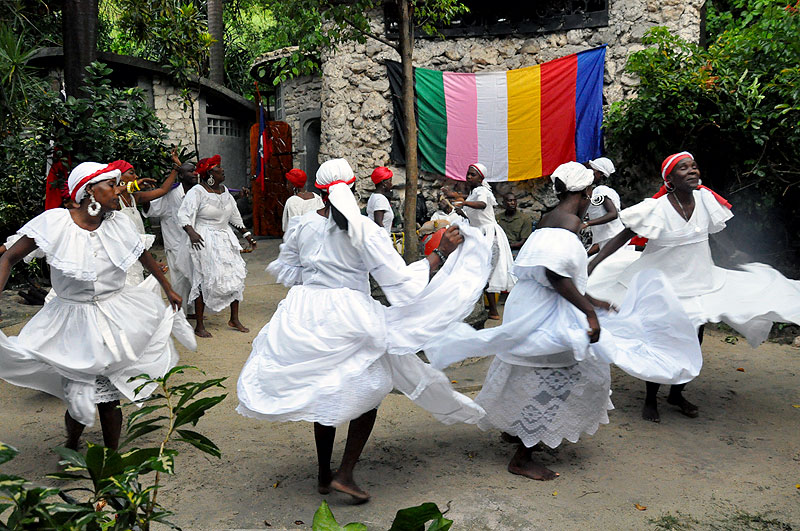
- Vodoo dancers in Haiti.
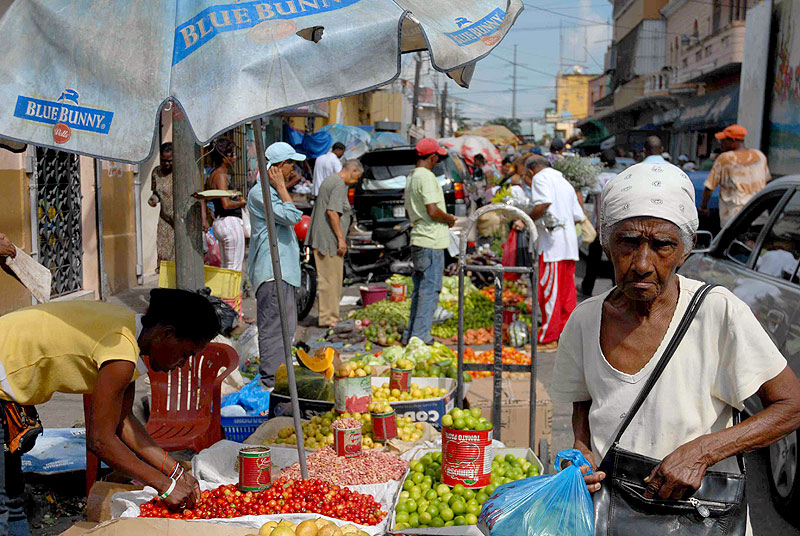
- Women selling fruits and vegetables in the streets of Haiti.
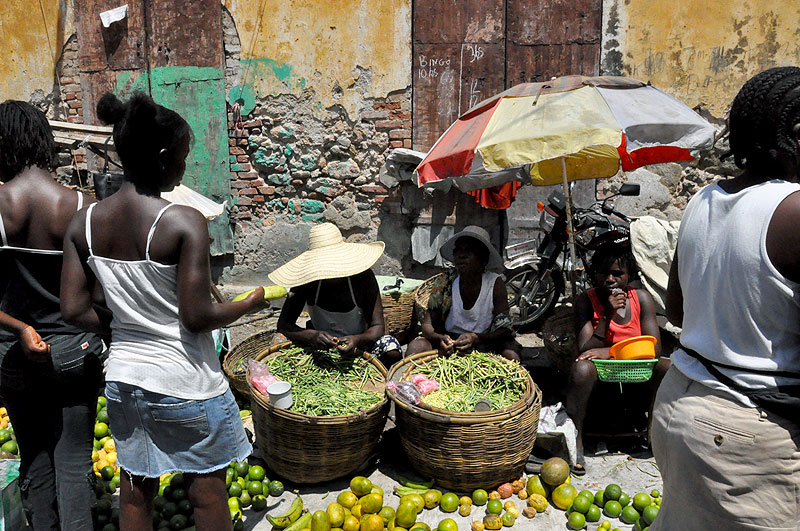
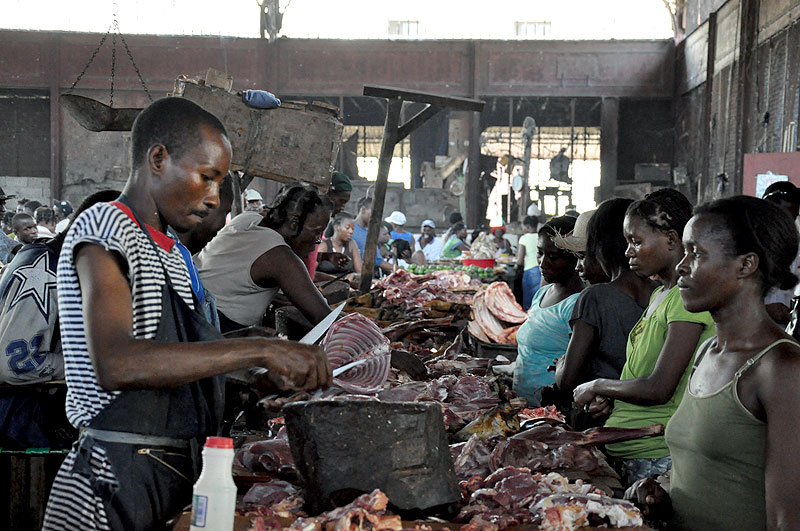
- A market in Haiti.

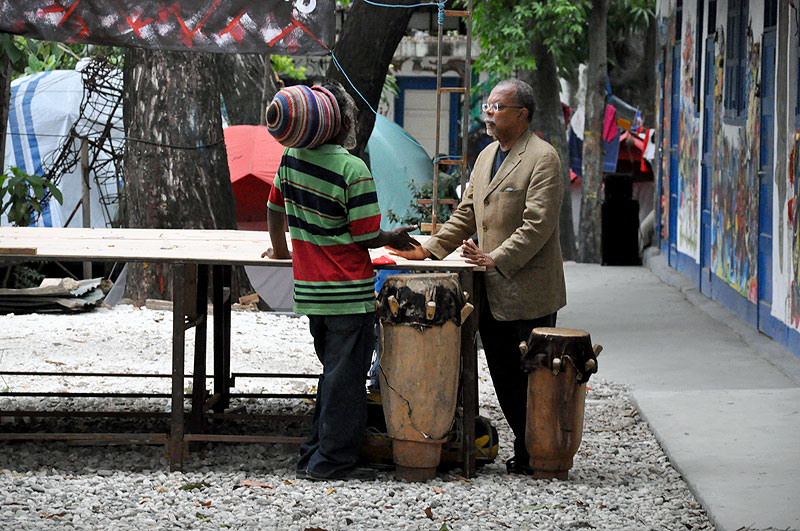
- Professor Gates talks with musician and teacher Louis Lesly "Zao" Marcelin.
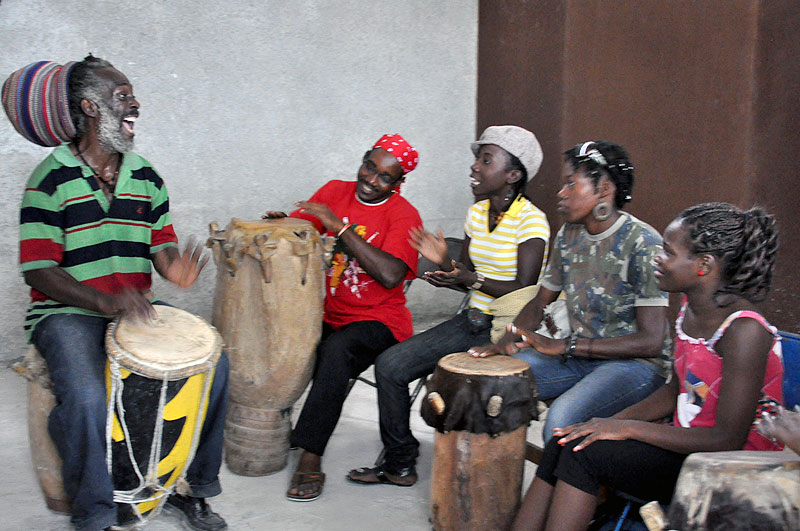
- A drumming class with Zao.
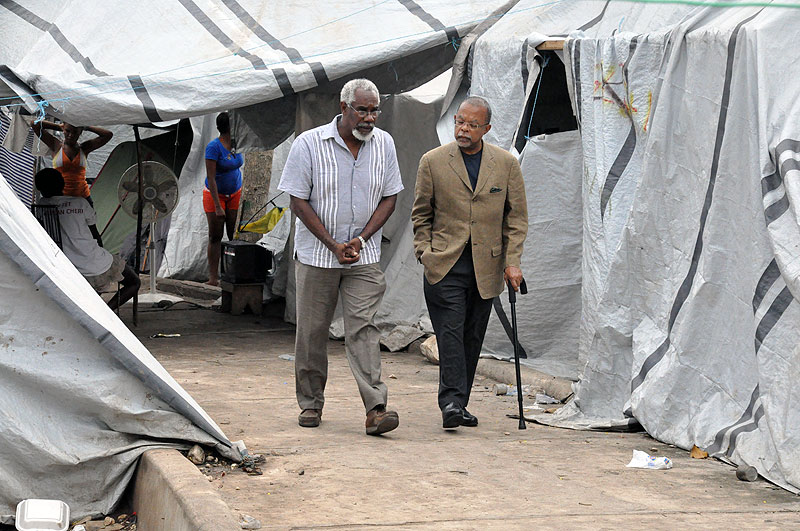
- Professor Gates with Guy Alexandre, who served as the Ambassador of the Dominican Republic for eight years.
- Professor Gates in a Haitian church.
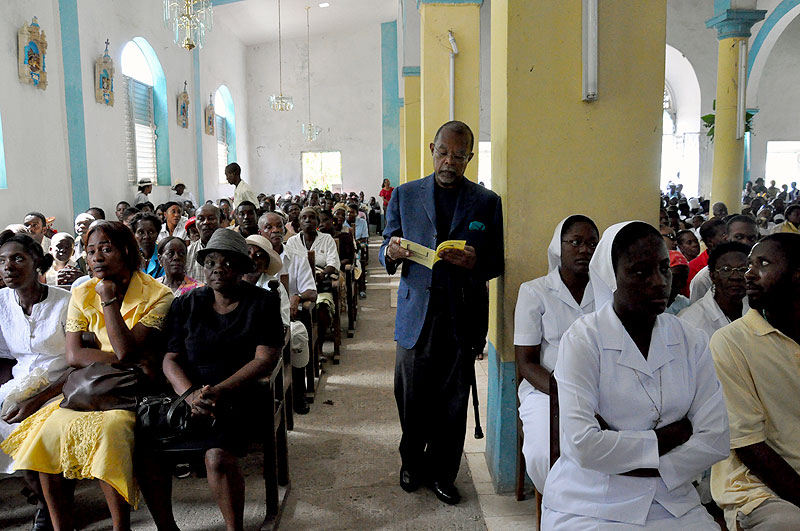
- Professor Gates talks with Bernard Diederich at Haiti's Fort Dimanche.
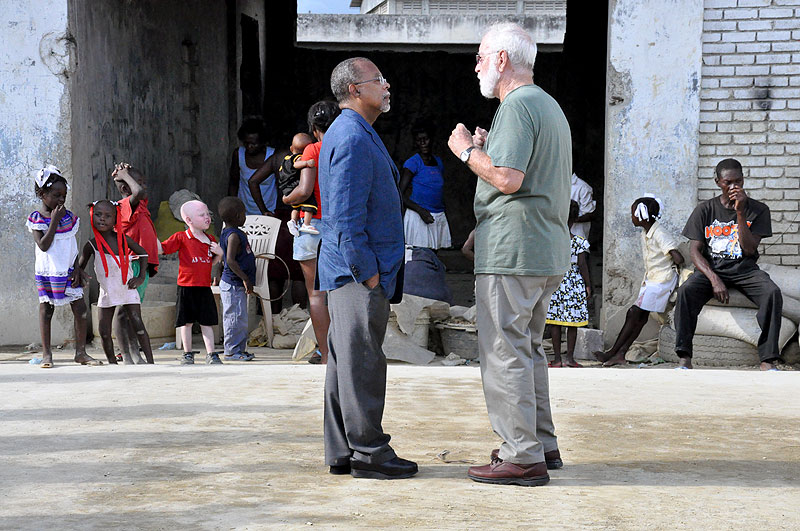
- Professor Gates in Haiti.
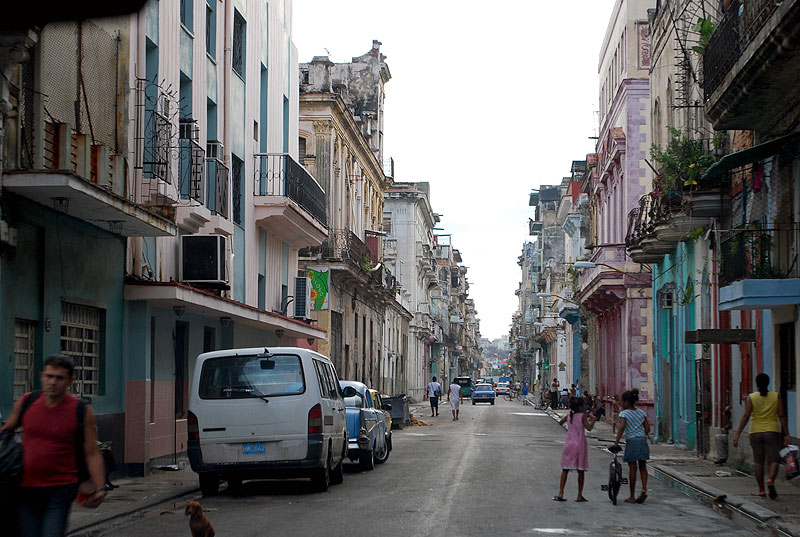
- The streets of Cuba.
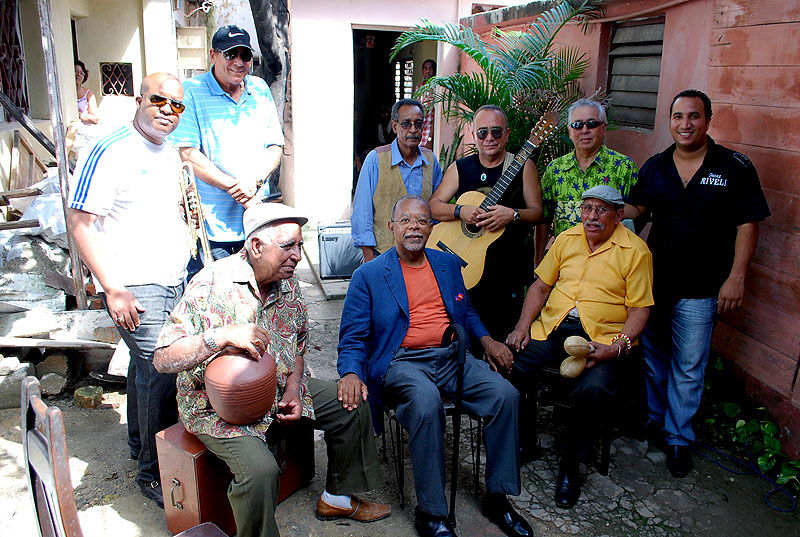
- Professor Gates in Cuba with the son music group, Septeto Tipico de Sones.
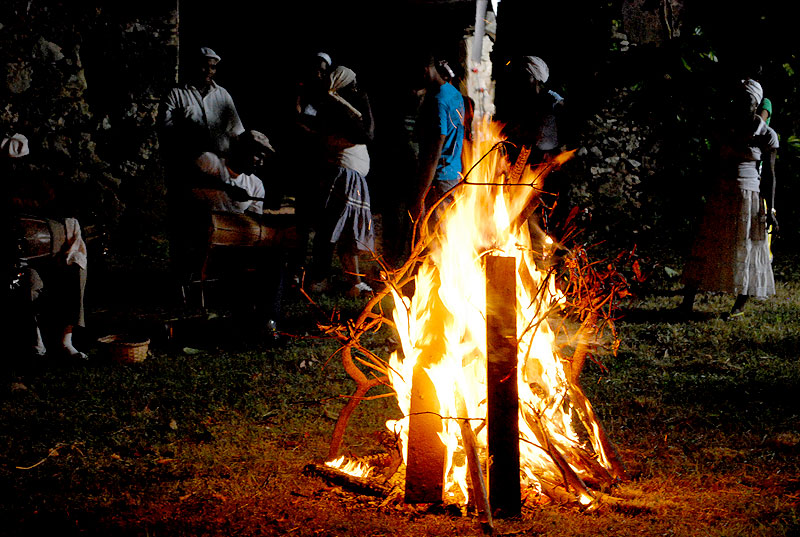
- A Santería ceremony in Cuba. Santería is a system of beliefs that merge African religions with Roman Catholic and indigenous American traditions.
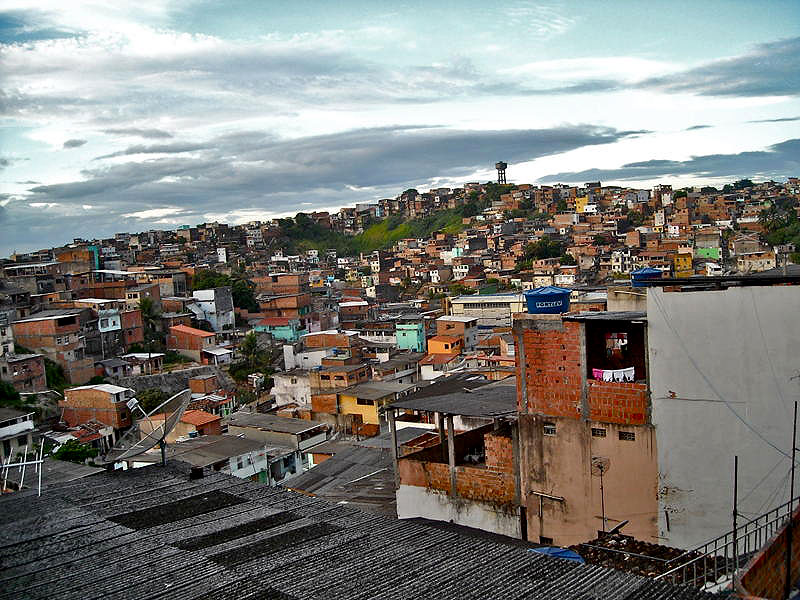
- A favela in Salvador, Brazil. Favelas are poor communities of shacks built on the outskirts of major cities.
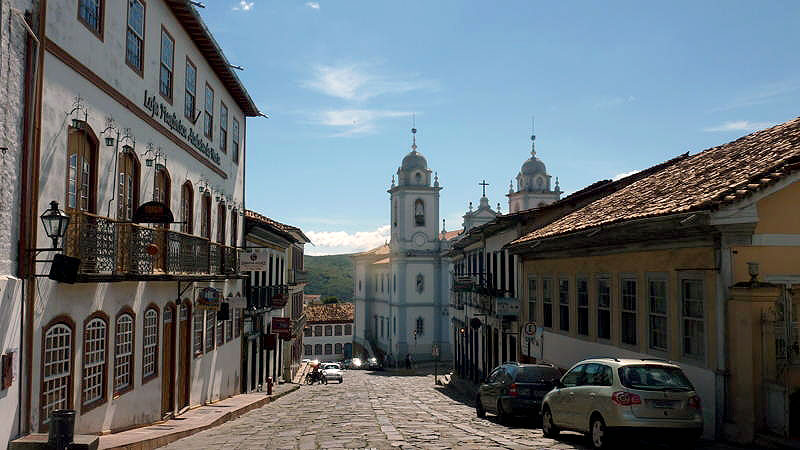
- The colonial town of Diamantina, Brazil.
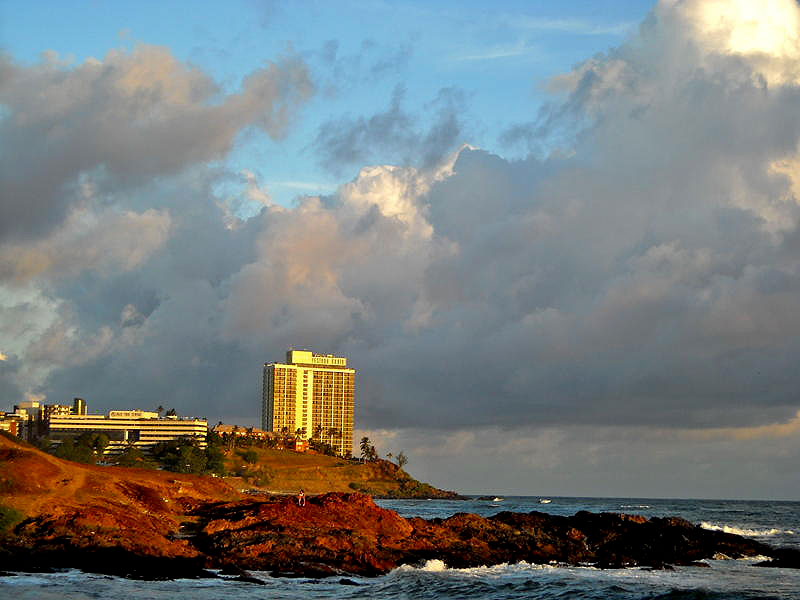
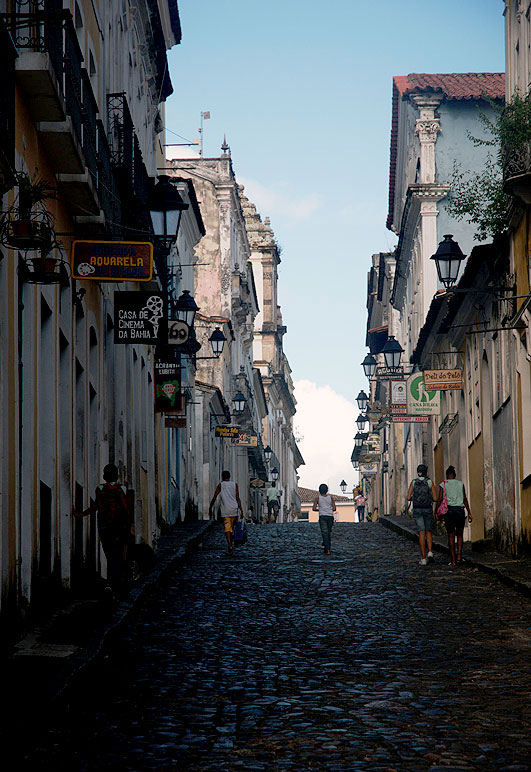
- Salvador, Brazil.

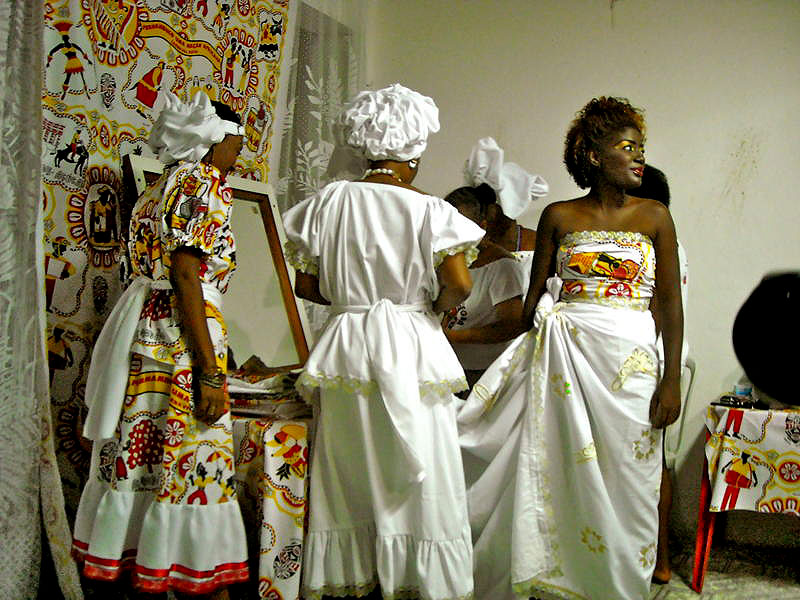
- A group of women get ready for the Carnival in Salvador, Brazil.
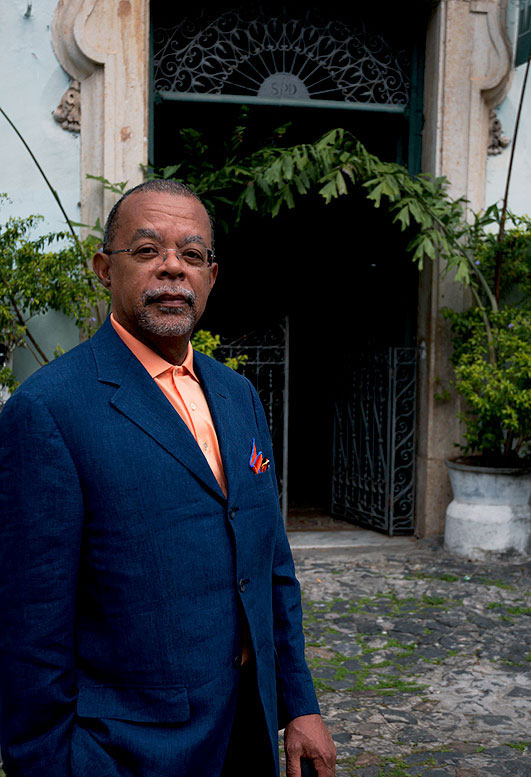
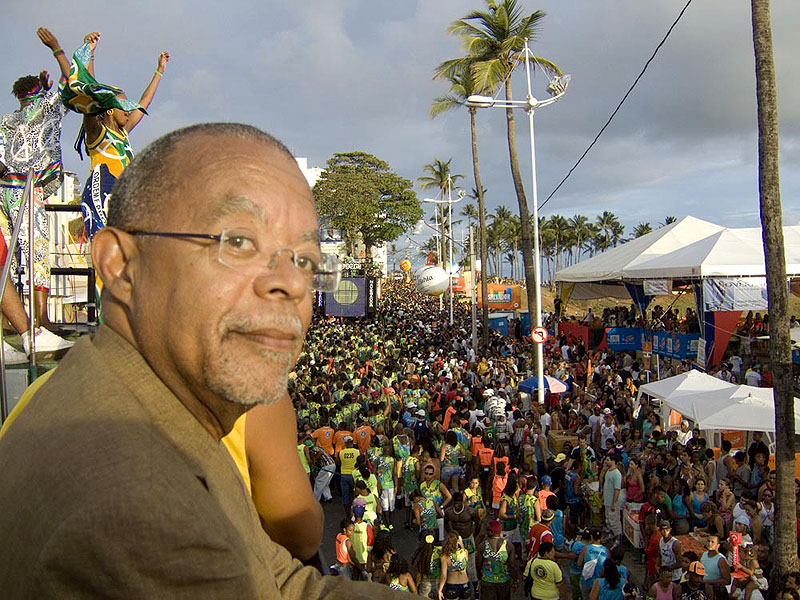
- Professor Gates at the Carnival in Salvador.
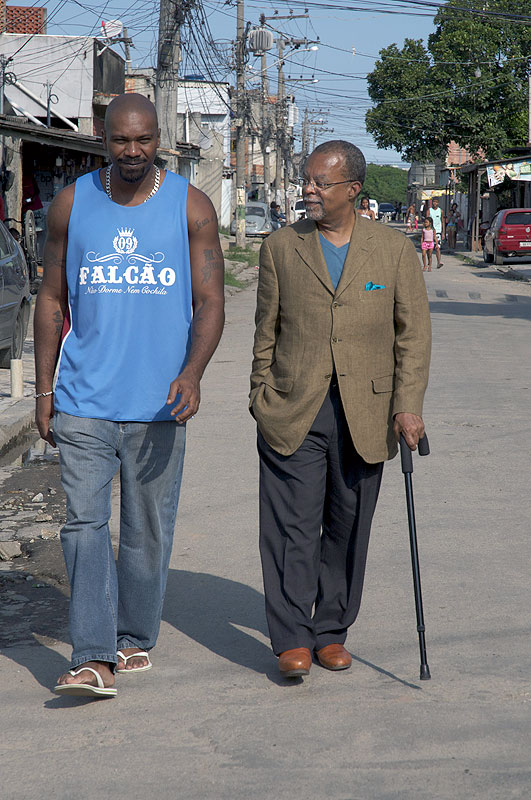
- Professor Gates talks with Brazilian rapper, MV Bill.
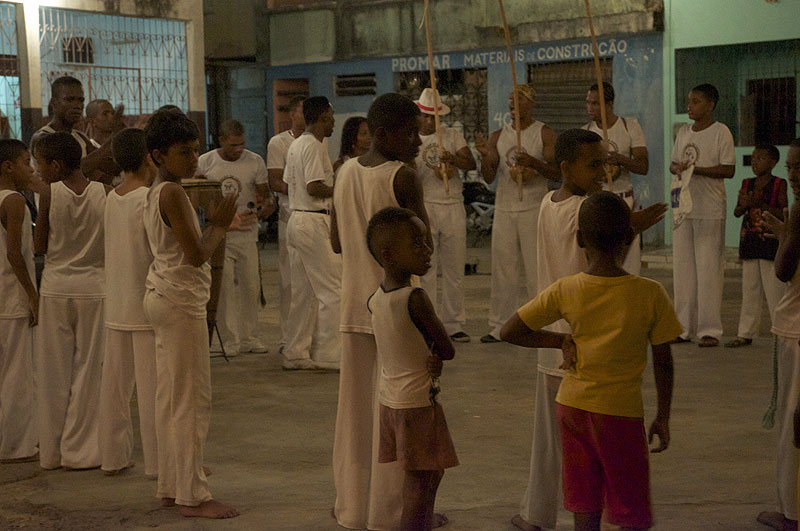
- A capoeira group in Brazil.
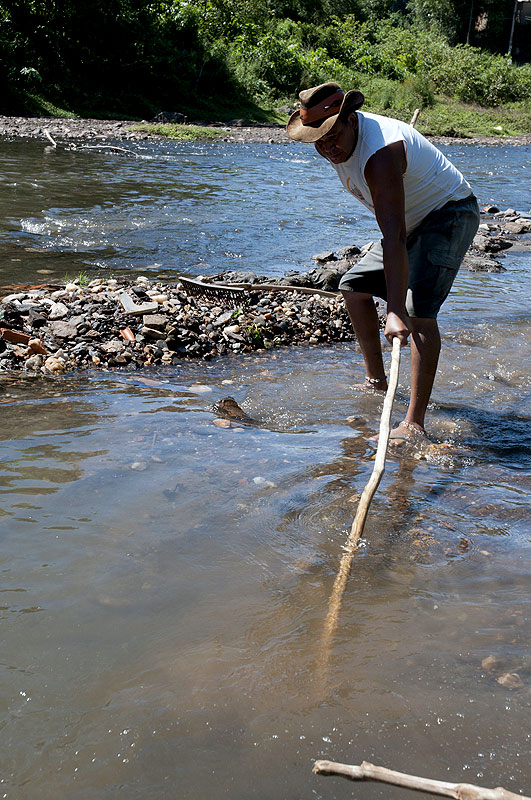
- A man in a river in Brazil.
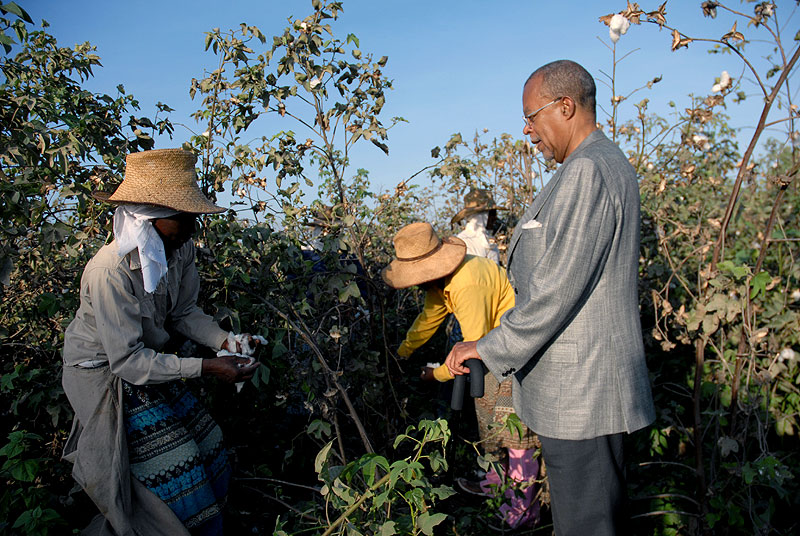
- Professor Gates speaks with a group of Peruvian women picking cotton.
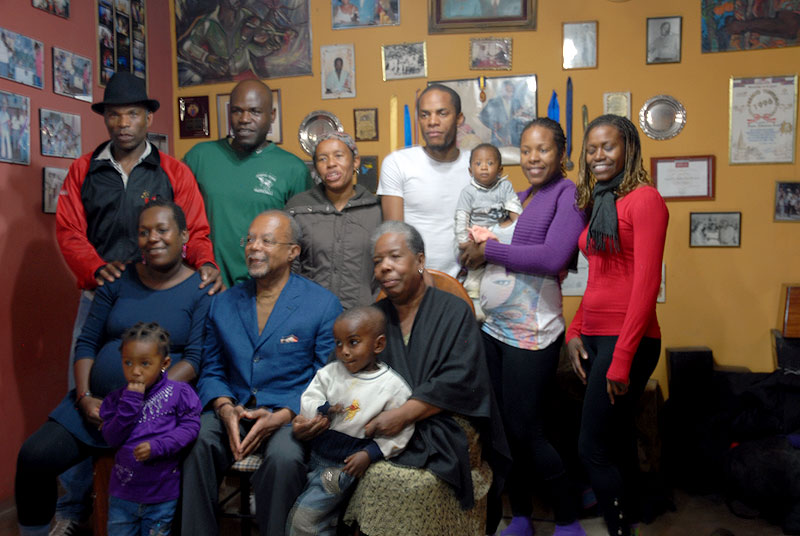
- Chebo Ballumbrosio and his family with Professor Gates.
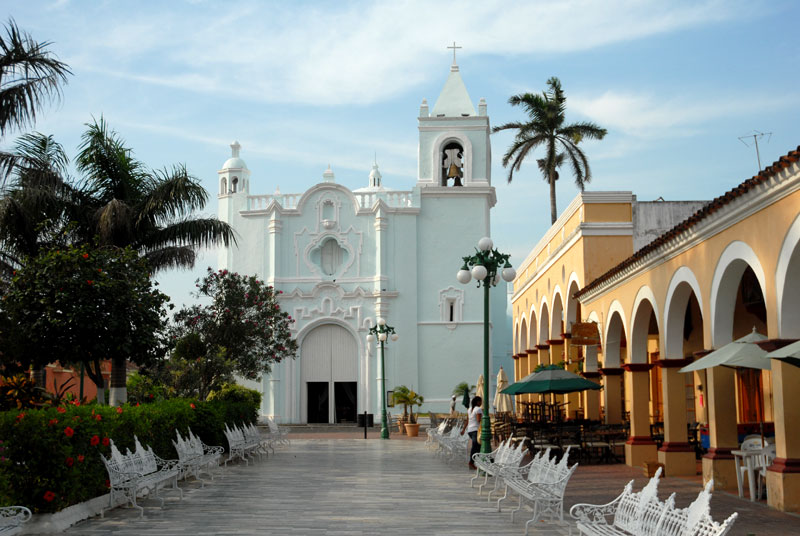
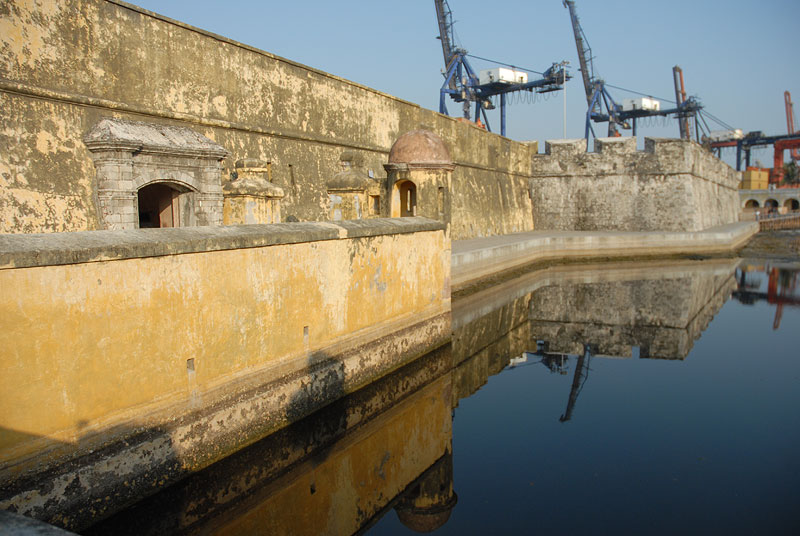
- Port of San Juan de Lua in Veracruz, Mexico.

- Veracruz, Mexico.
- The Mexico radio station where Israel Reyes Larrea records his show that celebrates Afro-Mexican culture.
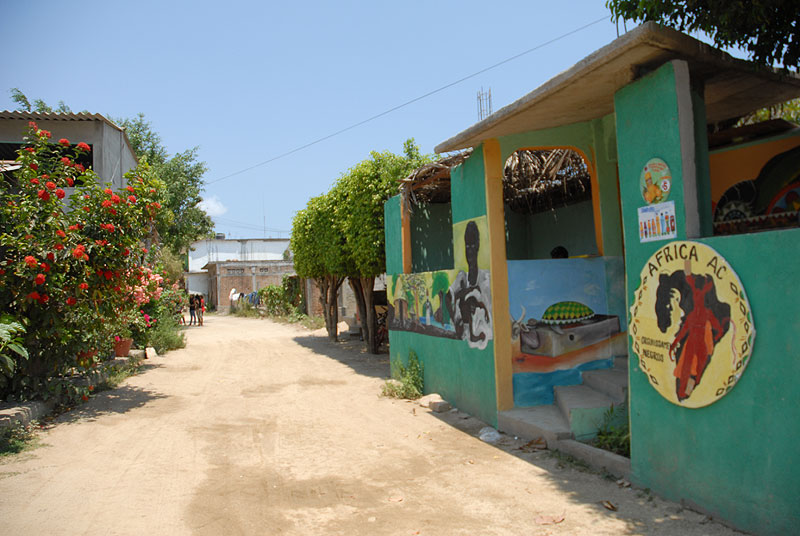
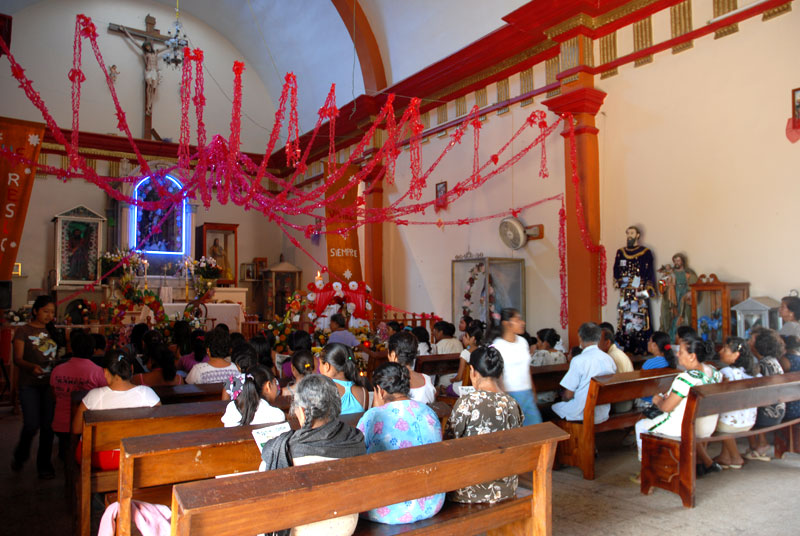
- A church in Oaxaca, Mexico.
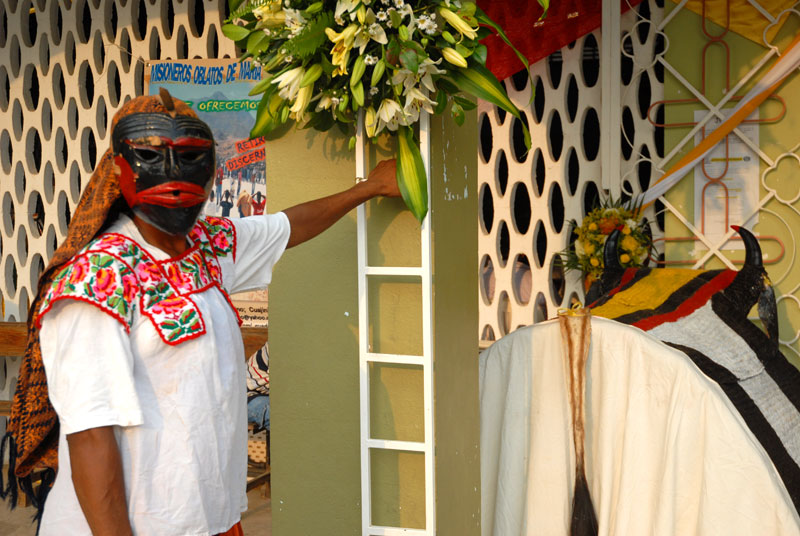
- A participant in the Toro de Patate — a Mexican bull celebration.
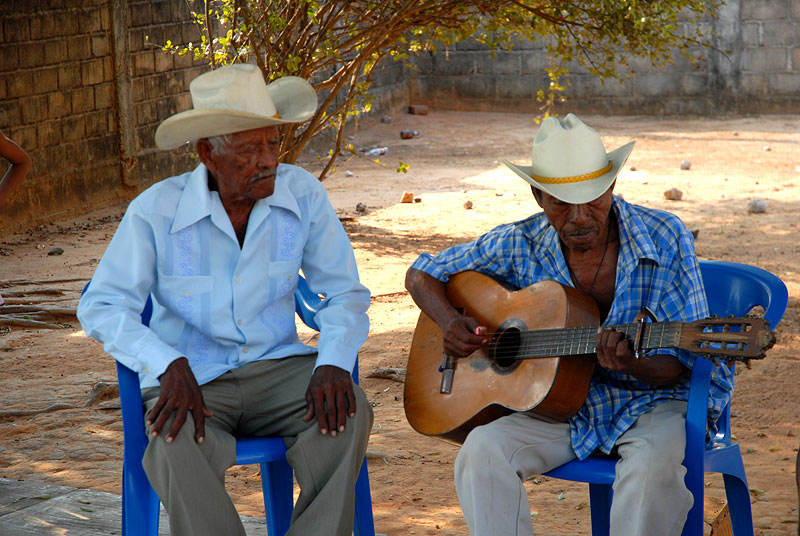
- Musicians perform at the Toro de Patate.
87 Responses to “Photo Gallery”
Leave a Reply
Please note that the THIRTEEN editorial staff reserves the right to not post comments it deems to be inappropriate and/or malicious in nature, as well as edit comments for length, clarity and fairness. No solicitations or advertisements will be allowed. Users may link to other Web sites relevant to discussion, but most often links to commercial Web sites will not be permitted.


Before I watch this I thought Dominican Republic were a bunch of self hating blacks, but yours series have given me a better perspective about people from DR!
This documentary is truly very awe inspiring being that i am Haitian male that was born here in America ,it is interesting though how we often forget that the african never asked to leave there country ,but instead despite there circumstance maintained there identity in these seemingly different cultures .What is wonderful though is that now a dominicans and haitians are beginning to mend there differences . Thank You Dr.Gates
I have been to the Citadel and i came back a changed man .
Great series. I’ve only seen one so far, but am looking forward to more. Colombia has a vary vibrant Afro-Colombian community many of whom live on the Pacific and Atlantic coasts. They are not well represented by the government and are the most marginalized population. They have contributed greatly to Colombian culture and society and I hope that this is captured in the series or in a future episode. Also, not many people know that in Colombia, the English speakers are Afro-Colombians found on the islands of San Andres y Providencia. They are known as Raizals (roots). Please visit Colombia. Don’t believe the hype.
The series is wonderful and very informative. However, after reading many of the posts it seems like there is still much work to be done. There seems to be a reluctance to acknowledge the African roots or that “Latin” tendency to want to dismiss any discussion of race or racial equality with that “we are all mixed and happy” comments when the series have shown that people of African ancestry whether mixed or not still occupy the bottom rungs of society.
Whenever anyone points out these obvious contradictions they are denigrated or accused of “applying” North American racial standards to the Latin American situation. I have even read a comment that black Brasilians are not like black Americans who are always “whining and playing the race card and putting whites on guilt trips” over something that “happened a long time ago.” With this deep level of denial and hush hush its no wonder that it has taken so long to produce a series on the BLACK presence in Latin America. I guess because according to some of the comments there are NO blacks in Latin America so why talk about them and racism. After all we are all one big happy mixed race family. Any social or economic inequality is not due to race but class.
This comment goes to Ramon who wrote at 11:45pm on April 20th. These documentaries are highlighting Latinos of African descent such as myself. Latinos are Euro descent are always in the public. All day every day. On novelas. At award galas. In the English and Spanish speaking media. The one time us Latinos and Dominicans of African descent get to shine and you complain about the lack of Euro talk? Are you serious? I bet you if this series was to highlight the Euro side of Latin America, no one would complain, bet let us black Spanish speaking folks finally get credit for the huge contributions we have made and sacrificed for the Americas and now there is a problem. Gates said that 90% of Dominicans have African ancestry. This is true. he didn’t say 90% was %100 African. He simply said that 90% had African ancestry in us. That means it could be just a quarter, half or whole. You are so quick to shut down the blackness of us yet you are just as easily able to highlight the Euro and the Native American indigenous population that doesn’t even exist anymore!!! The white man killed off the natives 500 years ago dude! You also said “Native Dominicans”? only natives were the original tribes before the whites and blacks came. Gates who is a black man although not entirely African is standing up for us Spanish speaking black folks because no one ever has. I will not speak for other countries in the Americas, but in DR, we have a huge hatred for our black skin and other black groups. DR and United States Americans of Dominican descent go through color issues every day. We hate our kinky hair we hate our black skin. Now there are Dominicans like myself who loves my color and hair texture, but i am rare. For every black Dominican who loves his color, there are 10 other black Dominicans who don’t and even more White Dominicans who can’t stand our color even more. We finally have someone standing up for us. be happy. Yes he may need to address more countries in this study, but this is a great step. Always trying to keep a brotha down.
What an amazing and eye opening show – as Gates traveled from town to town and I saw a sea of all of those gorgeous black faces, I cried at the amazement of it all. It still troubles me that in 2011, we continue to disguise and ignore the blatant racial divide that permeates many parts of the U.S. and even though we have an African American president, it means nothing because there are many detractors who can’t see beyond his beautiful hue and how ignorantly unfortunate.
I have taken many African American courses and yet, never heard or knew very little about the slave trade and Brazil – 75M blacks and yet, no voice……………..Mr. Gates, THANK YOU for your passion and determination in unleashing many hidden stories regarding our illustrious Black History.
I love this series. I had recently become interrested about blacks in latin America and this series basically confirmed what I knew to be true. Im afro american and im dating a dominican man who is obviously malotto. When I told him he was mixed he replied no im dominican or spanish. His parents never told him about his indian and african heritage. just sad! I hope this type of ignorance will become a thing of the past.
Keep doing what your doing Dr. Gates.
and what about Colombia, I’m afro-colombian and this is the third country with black population in the Americas, 1. Brazil, 2. USA, 3. Colombia
Thanks very much Dr. Gates for continuing to educate the world on the rich history of black people. Please you consider doing a second series that covers the rest of latin america, It will be an injustice if you don’t.
I have watched all your documentaries and I will love for your next documentary to be on the West Indies, I am from Trinidad.
Please do not stop pursuing the truth, it needs to be told!
I saw the complete series and found it very informative. I studied Latin America History in College and read about Blacks in Latin America. But not until I retired from work and actually went to South America (like Dr. Gates), that my eyes were completely wide opened to the contribution of Blacks in Latin America. Reading is one thing, seeing with your own eyes is completely different. And what is still sad is how much ignorance in the US their is to the contributions of Blacks in the Americas, and to a great degree this “great silence” is still perpetrated in the school systems across the US. Keeping one race in ignorance of one’s history is still a form of racial discrimination. Sometimes, I now realized how backwards the US is compared to other countries in regards to racial integration and racial harmony. That is not to say that their is no racial discrimination in Latin America, which their is, and as Dr. Gates pointed out. But, Black contribution to Latin Societies is acknowledged and the debate is in the open, versus the US, which is still going through the integration process. My hat is off to Dr. Gates for a great indepth Program.
I happened to change the channel and found out about the series. Dr. Gates did a great job! I am from Puerto Rico and would’ve liked to see him vist the island. We were taught in school about slavery, the discovery and how the indians, Europeans and slaves melted. I applaud the fact that someone is exploring this. People do not understand the extend of slavery and that there are Black Latinos and how as in America, they suffered and still to this day get discriminated. Yes, even the Latina magazine was told to show all ethnicities and looks of latinas and not just the mainstream look one. It is ture on how the black and indian looking latinos always play the help in novelas. Ignorance is everywhere and as we see, some countries do not even want to acknowledge their African roots. It shows in the beats of our music, the dances, the food… just look around. It would be great to show our children born in the states, who did not receive the social studies education from our country, the history of what makes us.
Thank You Dr. Gates. You seek the truth with a smile. This makes all the difference.
Great job Dr.Gates this live documented research was neededand as an African American man I love this. Our American history and world educational systems have failed in telling this story. J.A. Rogers tried to tell this history but you showed this on PBS. Thank You and Congratulations Dr. Gates!!!
Richly colorful African Culture with a touch of Spanish..a beautiful combination…my point of view.
Great job on this series! My only complain as a Colombian is that Colombia was not covered, which surprised me considering the statistics. Colombia has the 3rd largest black population in the western hemisphere after Brazil and the US at 21% or 10 million people, in a nation of 47 million people. They have contributed significantly to the cultural development of Colombia. I was disappointed because Colombia, a very conservative and racist country (coming from a Mestizo) is in need of such awareness. Choco is 95% Afro-Colombian and the most undeveloped department, yet it’s rich in natural resources that is only finally getting attention because multi-nationals want to exploit its resources and the government vis-a-vis criminal gangs and armed groups have forced many to leave their ancestral lands. I think it’s very important to showcase the contributions of Afro-Colombians in the media because Colombian society is ignorant of this history.
I was a student at the University of Pernambuco Brazil under Prof. Gilberto Freyre and I enjoyed his analysis of the black heritage in Brazil, which he highly extolled. Prof. Freyre made an effort to rehabilitate the black culture.
He often mentioned the fact that he taught in France and many Frenchmen would ask him what was his ethnicity. He said that he always answered: I am part Black, Indian and European. I look white, but I am not. I miss Professor Gilberto Freyre and the invitations to his home in Recife where I always learned something new. I also appreciate the research that Dr. Gates has done in order to enlighten us.
Great… you should make a video or a documentary from Black comunitys in Colombia, there are many topics to work with in this country, I agree with Orlando, I’m from Colombia and racism is still strond there.
Henry Louis Gates, congratulations on an excellent series but you made a HUGE omission… How do you make a series on Afro Latinos and not include the largest Spanish speaking Afro Latino community in the entire world – Afro-Colombians? Afro-Colombians have had a profound effect on the culture of Colombia and South America in general (just look at how popular the Cumbia is the US, Mexico, Central America, and South America. There are many landmark Afro-Colombian cities in Colombia, like Cartagena, Barranquilla, Santa Marta, Quibdo, Cali etc… There are many amazing Afro-Latin artists like Toto La Momposina, Joe Arroyo, Niche, Guayacan etc…. Then there are the problems of the displaced Afro-Colombian communities and their plight as refugees in their own country… You really need to do another episode. Your series is woefully incomplete.
Respectfully,
Martin Franco
It is a serious oversight when you’re doing a story about the Dominican Republic and you’re talking about Merengue music in the piece and WHILE you’re talking about merengue, the band in the background is singing Cuban SON. Where is the editor? Don’t you guys hire any Latinos to check your work and make sure you’re not committing any serious errors. That one was pretty ridiculous.
Dr Gates next series include the GARIFUNA/SANbos/Misquitos people of Central AMERICa who are the product of West Africans who were brought to the Americas intended for Slave Labor but got away one way or another into the mountains of St. Vincent and Grenadines and intermarried with the natives Arawaks/Caribs. Like Haitian, the Garifuna people fought the British invaders during slavery time but eventually were defeated and exiled to Honduras. The Garifuna people till this day speak their ancestors arawakan/taino/carib Languge, along with spanish, english and krio depending on what country they live in. The music PUNTA, PARANDA clearly African in origin. AFRICA IS alive in Central America please come and visit
Arawakan/Carib natives+West African=Garifuna people=Caribean=South America=Africa=Central America
It is wonderful to know that the african descendent in latin america is aknowledge. Their rich culture that was mixed with the natives and europens is a worth to see and appreciate. The dance like in Brasil we have the samba, capoeira and others originate from Africa. Bahia in Brasil is the capital of the African in Brasil the Porto Seguro was the the entrance of the eslaves in Brasil. The religion of camdomble is a mixed of catholiscism and African’s religious. Brasil is the country in latin america that has more african descendents and also is the land of the famous Zulu tribe. The Zulus were a slave fugitives fro North east farms who organized to survive against the slave’s owners.
As a black woman from America who has been ‘fighting for the rights of Afro-latinos’ from ALL segments, I deeply applaud Mr. Gates for doing this particular segment, and pray it will “expand” if enough people write to him (and perhaps put together a petition as well for more show???) and tell him so.
What I’ve come to learn is that the “media” is the largest way to get your point across here, but I’m NOT so certain that enough in the latino community (especially the ‘white’ latino community) would be willing to “join in the fight”, because it seems as I’ve been told over and over again, “We don’t see skin color the way you blacks do back in America”, or “negra latinos” only make up about 1 % in each community (which I KNOW is an out and out lie, because just like American blacks, people tend to forget that negra latinos come in “various shades as well”).
Also when it comes to the media, networks such as ‘Telemundo’, ‘Telefutura’, and a few others might show a negro latino here or there (WITHOUT even adding their names to the rosters for the shows they appear in, so that you’ll search for months and perhaps even years to find out who they are, it’s as if they do their jobs but don’t really exist while all others who appear on these shows names are listed right out front), but they REFUSE TO HAVE EVEN ONE “LEAD” ROLE in a telenovela, movie, etc. (there have only been “6″ so far to date, and this is “2011″), and ‘Telemundo’ doesn’t seem to care if they ever have a negra latina/latino because it seems “the whiter the better” sadly. Just wanted to ask if there’s anyone here who could name even 10 negra latina/latino actors or actresses on both hands??? How about an actress who’s been in the business for over 25 years but has yet to even win one ‘TVyNovela’ award (negra latinos don’t even get the chance to appear on the shows by the way).
Lastly, I’d love to see these and other negra latinos get their due, but as long as those who “hold the upper hand” won’t learn how to share and care about their “brothers and sisters”, sadly I don’t believe there can ever be any “real progress” for those who deserve it just like their counterparts do. A special “thanks” to the following individuals: Muriel Ricard (formerly Muriel Fouilland), Evelyn Jimenez, Walter Diaz, Adrian Makala, Yoraya Mejia, Carmen Marina Torres, and others who continue the ‘fight’ to be recognized just like all the others.
I’m so glad that this was presented to the public, I understand that we cannot tell everything in a few minutes but waooo great info. Please Mr Gates take a trip to Panama and come up with a similar segment about the racism which to my opinion is hidden with something “clase social”
Kudos Dr. Gates!!! You have done it yet again!!! Thank you!!!! As an African-American (Black and proud of it!!!) I am so tickled to see that Dr. Gates started the discussion for all of us about our African ancestry and to love who we really are in part. Yes, African ancestry is just one part of who we are but it is a part that has been thoroughly downplayed, ignored and taught to hate that crucial part of ourselves. It should make us wonder if this part of our ancestry is so downplayed, ignored, and taught to hate this profound part of our ancestry, there certainly must be something extremely special about it in some crucial way. Regardless of the discrimination of our African ancestry, the essence and beauty of our African ancestry displays itself in the food, the music, the language, the dance, etc. The truth can never been hidden. It always finds away to divulge itself. *Smile*
I purchased the triology (3-DVD series of Wonders of the African World, Blacks in Latin America and America Beyond the Color Line) for my family. These DVDS will be a must-see for my two daughters and my husband who is Nigerian. Trust and believe that a thorough education will be conducted in our home.
P.S. Dr. Gates: Have you considered researching Blacks in the Asias? Japan, India, China, Thailand, Indonesia, etc.? Just a thought.
Wonderful and moving series… I really felt the absence of Puerto Rico though since the other latin caribbean islands were so prominently examined. I encourage you to revisit this endeavor and include Puerto Rico to show you can how black culture has developed under both Spanish and U.S.colonial experiences.
Please mr Gates try and make a series about the Caribbean as a Jamaican I taught I know some history about the slave trade but you widen my knowledge a lot please keep up the good work and let me see what Jamaica was and is like thanks.