NOTE: If you are short on time, watch the video and complete this See, Think, Wonder activity: What did you notice? What did the story make you think about? What would you want to learn more about?
SUMMARY
It may sound like the stuff of sci-fi movies, but diverting food waste from the landfill and converting it into electricity has become a real thing. William Brangham visited Ben & Jerry’s Vermont ice cream factory and the operations next door to find out how it works.
View the transcript of the story.
News alternative: Check out recent segments from the NewsHour, and choose the story you’re most interested in watching. You can make a Google doc copy of discussion questions that work for any of the stories here.
WARM-UP QUESTIONS
- Who has to figure out what to do with the waste ice cream products?
- What produces methane, a greenhouse gas and contributor to climate change?
- Where does Ben & Jerry’s send its food waste instead of sending it to landfills?
- When in the alternative process of waste management does waste turn into electricity?
- How is the alternative process beneficial, beyond just producing electricity?
FOCUS QUESTIONS
What role do businesses play in helping their communities transition to more clean and sustainable practices?
Media literacy: Why is it important to seek out multiple sources before forming an opinion on a topic like this?
NEWS: THEN & NOW
Using this News: Then & Now section, based on News Hour's Journalism in Action website, a project supported by the Library of Congress, students can engage with a more dynamic display of how communities address civic issues over time, inviting them to consider their ability for intervention in their own context.

Then:
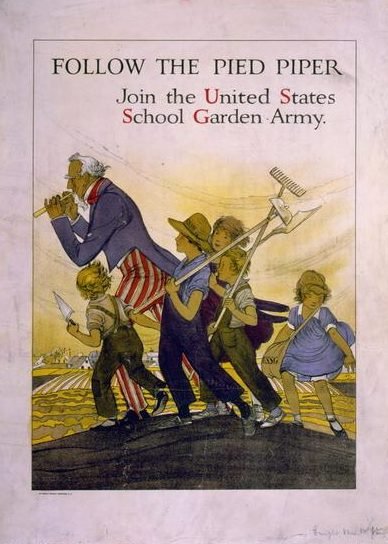
Students joined the School Garden Army during WWI to reduce waste and encourage locally grown food. Click here to view the poster below on the Library of Congress website.
Now:
Ben & Jerry's food waste is responsibly turned into reusable energy through anaerobic digestion, reducing the release of greenhouse gases, a contributor to climate change.
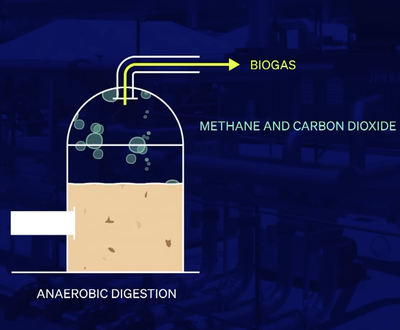
Screenshot from the PBS News Hour segment, How Ben & Jerry’s is recycling food waste into energy (July 28, 2025).
Discussion questions:
- Using the Then & Now comparison, how have our approaches to sustainability changed over the years?
- Why was it important then to grow locally? Why is it important now to employ greener practices?
Written by Kevin Roodnauth, PBS News Hour Classroom's intern and senior at Amherst College, and News Hour's Vic Pasquantonio.
Fill out this form to sign up for News Hour Classroom's weekly newsletter or to share your thoughts on Classroom’s resources.