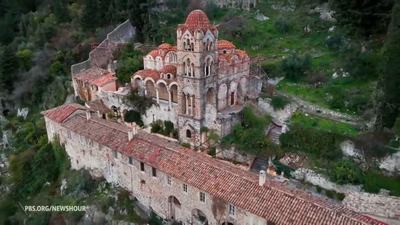
NOTE: If you are short on time, watch the video and complete this See, Think, Wonder activity: What did you notice? What did the story make you think about? What would you want to learn more about?
SUMMARY
This Christmas, many children welcomed a familiar visitor – a jolly man in a red suit and a sleigh full of gifts. But the bearded figure Americans recognize today as Santa Claus is a relatively modern creation, shaped over centuries by folklore, art and evolving tradition. Stephanie Sy reports. And a warning for parents and younger viewers: this story contains some spoilers about Santa Claus.
View the transcript of the story.
News alternative: Check out recent segments from the NewsHour, and choose the story you’re most interested in watching. You can make a Google doc copy of discussion questions that work for any of the stories here.
WARM-UP QUESTIONS
- Who is Jerry Bowler, and what is his background?
- What historic figure is Santa Claus based on?
- When and Where did the bishop that Santa is based on live?
- How did Saint Nicholas become the patron saint of children?
- Why did stories surrounding Saint Nicholas transform into the Santa Claus stories we know today?
ESSENTIAL QUESTIONS
Do you ever wonder about where other holiday traditions came from? If so, which ones?
Media literacy: How can you find out more about the stories and customs that accompany the holidays you celebrate?
NEWS: THEN & NOW
The News: Then & Now section of the Daily News Lessons allows students to see connections between current and past news events. The activity provides historical context using primary sources from the Library of Congress.
Then
This segment explores the way stories about a bishop living in the Roman Empire somehow became a pop icon after many centuries. The segment also explores how Santa is imagined in different countries and cultures. The man in the red suit and fuzzy white beard may be more of an American tradition, with earlier European depictions lacking the familiar look.
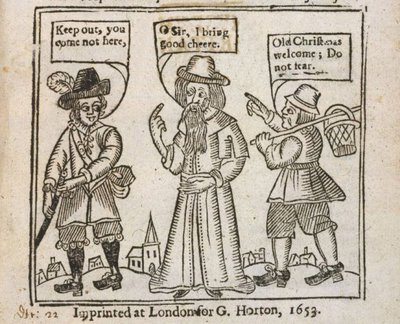
The 1653 cover art for "The Vindication of Christmas" courtesy of the Library of Congress
While the outfit didn't come together until popular representations in the 20th century, some other traditions about Santa's routine emerged earlier, such as the idea that he slid down chimneys to deliver presents.
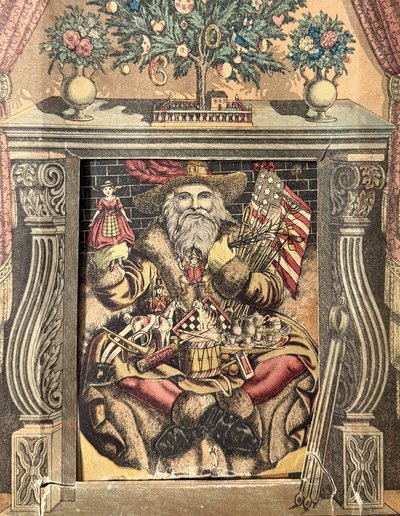
J. G. Chandler. "Santa Claus Presents his Compliments to All the Little Folks." Roxbury: S. A. Chandler, 1858. Rare Book and Special Collections Division. Courtesy of Library of Congress
Of course, other countries had other traditions, including "Krampus" in parts of northern Europe — a demonic figure who scares children just as Saint Nicholas or Father Christmas rewards them with presents and treats.
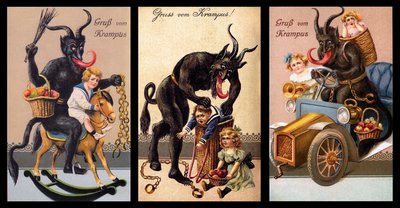
Three views of Krampus. Public domain images of vintage postcards. Courtesy of the Library of Congress
Today
In the United States, depictions of Santa are usually quite similar, partly due to popular songs, poems, films and more pop culture that describe him in detail.

Santa Mark, a Santa Claus impersonator from Ansonia in Connecticut, sits in Times Square in the Manhattan borough of New York City, November 28, 2015. REUTERS/Andrew Kelly - RTX1W8YT
Still, there is no reason our idea of Santa Claus won't continue to evolve.
- If you were to give Santa a new look to reflect our current culture, what would you change? Sketch your idea and share with the class.
Sign up to receive our weekly newsletter with Daily News Lessons and community events.
To provide feedback on News Hour Classroom's resources, including this lesson, click here.