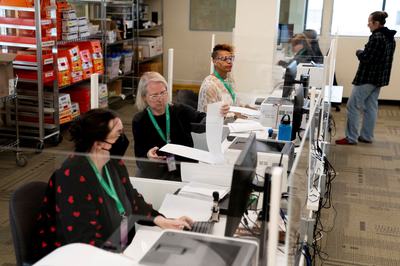
NOTE: If you are short on time, watch the video and complete this See, Think, Wonder activity: What did you notice? What did the story make you think? What would you want to learn more about?
SUMMARY
In Minnesota, clashes between protesters and federal immigration officers continue into a third week. It comes as the Department of Justice announced its plan to pursue charges against protesters in Minneapolis, while confirming it does not plan to investigate the circumstances surrounding the fatal shooting of Renee Good by an ICE agent. Special correspondent Fred de Sam Lazaro reports.
News alternative: Check out recent segments from the News Hour, and choose the story you’re most interested in watching. You can make a Google doc copy of discussion questions that work for any of the stories here.
View the transcript of the story.
WARM-UP QUESTIONS
- Where are Minneapolis and St. Paul located?
- When did protests start in Minnesota?
- Why did protests break out in Minnesota in recent weeks?
- How did Mayor Jacob Frey react to news of active duty troops potentially being deployed to Minnesota?
- What did the federal judge in Minnesota rule last week regarding treatment of protestors? What was the reaction of Kristi Noem, DHS secretary, to this decision?
ESSENTIAL QUESTIONS
- Do you think an investigation into the shooting death of Renee Good would lessen tensions and fears in Minnesota? Explain.
- The right to protest is guaranteed under the First Amendment of the Constitution. Why is this considered a fundamental (basic) right in a democracy?
Media literacy: Additional information or context is often needed in news stories. How could you find out more about the other incidents mentioned in this story, including the disruption at the church and the anti-Islam pro-ICE rally?
WHAT STUDENTS CAN DO
Watch and discuss this daily news lesson with a family member, friend or neighbor. Some of you may do this already, and others may not. Believe it or not, people in your life want to know what you are learning at school and will be interested in hearing your thoughts on the news. Be sure to listen to their thoughts, too.
You might be wondering what happens if you don't agree on the issue or even the facts of the matter? That's okay! In fact, that is what living in a democracy is all about — finding common ground and learning from others through civil discourse.
Need some tips on how to have a thoughtful conversation about current events? Check out these discussion norms from Cato Institute's Sphere Education:
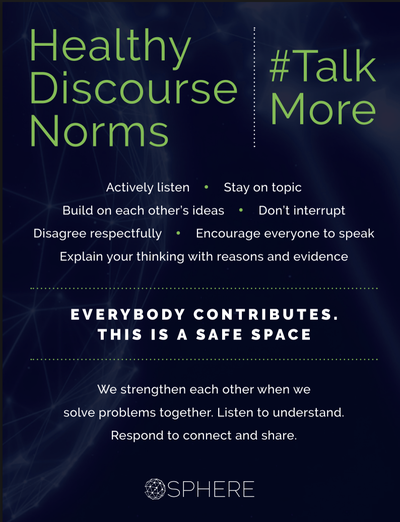
Credit: Sphere Education
You can also use Sphere's Sentence Starters to get started.
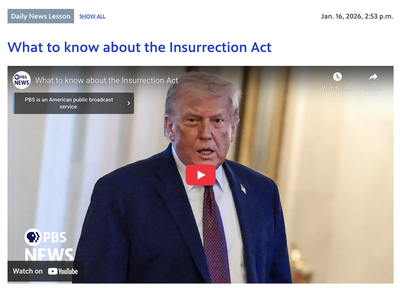
- Learn more about the Insurrection Act by watching this News Hour video and completing the accompanying questions: https://www.pbs.org/newshour/classroom/daily-news-lessons/2026/01/what-to-know-about-the-insurrection-act
Sign up to receive our weekly newsletter with Daily News Lessons and community events.
To provide feedback on News Hour Classroom's resources, including this lesson, click here.