SUMMARY
About a third of the world’s fertilizer supply passes through the Strait of Hormuz, and its effective closure is causing shortages and price spikes for fertilizer during the crucial spring planting season. That has led to fears of elevated food prices and lower crop yields. We hear from farmers about the impact on their crops and Geoff Bennett discusses the potential shortage with Caitlin Welsh.
View the transcript of the story.
NOTE: If you are short on time, watch the video and complete this See, Think, Wonder activity: What did you notice? What did the story make you think about? What would you want to learn more about?
News alternative: Check out recent segments from the News Hour, and choose the story you’re most interested in watching. You can make a Google doc copy of discussion questions that work for any of the stories here.
WARM-UP QUESTIONS
- Where does 1/3 of fertilizer produced in the world pass through?
- Why are many farmers prepared for a drop in fertilizer availability this year, according to Agriculture Secretary Brooke Rollins?
- Who are some of the farmers interviewed in this story, and what are some of their concerns?
- What do some of the farmers interviewed for this story hope happens to lower prices of fertilizer?
- How might the current disruption affect food production around the world, according to Caitlin Welsh?
ESSENTIAL QUESTIONS
- How do you think farmers and food producers are likely to adapt to the loss of access to fertilizer around the world?
- How do you think lower food production will affect people's health, countries' economies and international relationships around the world?

Credit: Screenshot PBS News Hour Classroom, Iran backgrounder article
Media literacy:
- Why do you think the producers of this segment focused on interviewing farmers directly? Who else could they have talked to in order to better understand the economic impact of the war with Iran on food and farming costs?
Dig deeper: To better understand the current conflict, read PBS News Hour Classroom's Backgrounder: History of Iran — Late 19th century to present, contributed by World History Association educators.
WHAT STUDENTS CAN DO
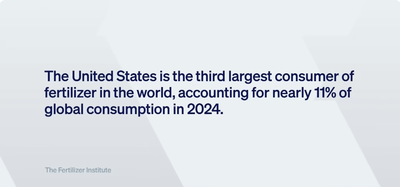
First, examine the infographic below. Note that the United States makes up 4-5% of the earth's population. Then discuss —
- Why do you think the U.S. uses an amount of fertilizer disproportionate to its population compared to the rest of the world?
- What does this graphic tell you about the potential impact of the Iran conflict on agriculture in the U.S.?
- What impact might the conflict have on the U.S. economy overall, including inflation?
For more on why the Strait of Hormuz is so critical to the global economy, watch the following explainer.
Sign up to receive our weekly newsletter with Daily News Lessons and community events.
To provide feedback on News Hour Classroom's resources, including this lesson, click here.