SUMMARY
The U.S. and Iran both say they are inching closer to a deal to end the war that started nearly four months ago. The Trump administration shared new details about the agreement struck between the U.S. and Iran, which aims to end the war, open the Strait of Hormuz and begin further negotiations. But it's not a done deal yet, and Trump made renewed threats to "bomb the hell" out of Iran if they don't abide by the deal.
View the transcript of the story.
NOTE: If you are short on time, watch the video and complete this See, Think, Wonder activity: What did you notice? What did the story make you think? What would you want to learn more about? You can also make a Google doc copy of these general discussion questions.
News alternative: Check our recent segments from the News Hour and choose the story you’re most interested in watching. See the Google doc above for discussion questions.
WARM-UP QUESTIONS
- Who do the Iranians want to control the Strait of Hormuz following the peace deal?
- What country are the Iranians hoping to extend the ceasefire to?
- Where are the primary sticking points (potential obstacles to progress) in the 'Memorandum of Understanding' between the United States and Iran?
- When did the United States and Israel start their war with Iran? What did Trump say about Israel continuing to attack Lebanon?
- Why might the Iranians be incentivized (motivated) to reach a peace deal with the United States?
ESSENTIAL QUESTIONS
- What are the primary objectives of the United States and Iran in their negotiations? Do you think an agreement can be reached? Why or why not?
- Do you think the 'Memorandum of Understanding' will create lasting peace between Israel, Iran and the United States? Explain.
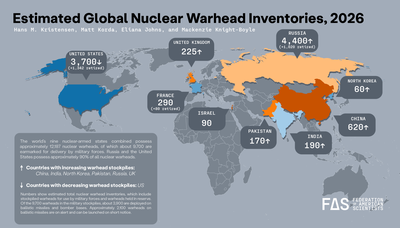
Media literacy: Trump discussed adjacent countries to Iran like Israel having nuclear weapons. Take a look at this graphic produced by the Federation of American Scientists displaying the nine countries which possess nuclear weapons. Why do you think the United States government is so concerned about Iran's limited nuclear program?
WHAT STUDENTS CAN DO
Read this report by the Center for American Progress outlining the devastating impact of the war on civilian populations in Iran. Use the questions below to guide your thinking and share what you learn with your family or friends.
- How has the war impacted the environment in Iran?
- Which Iranian communities has the war left most vulnerable?
- If a peace agreement is reached, will the consequences of the war for civilians be resolved?
Written by Henry Mode, PBS News Hour Classroom's intern, and News Hour's Victoria Pasquantonio.
Sign up to receive our weekly newsletter with Daily News Lessons and community events.
To provide feedback on News Hour Classroom's resources, including this lesson, click here.