Subjects
Social studies, Government & CivicsEstimated time
One 90-minute classGrade Level
7-12Warm-up activity
Understanding Contemporary U.S. — International Relations
1. Does the world view the United States favorably or unfavorably? Hand out page 1 of “ Does the world view the United States favorably or unfavorably ?” worksheet to students and have them fill out the table.
2. Once they are finished hand out page 2 of “ Does the world view the United States favorably or unfavorably ?” worksheet and let them check their answers.
3. As a class, discuss the following questions and then give students time to write down their own answers. You may want to use the interactive map of the data.
-
- After looking at the table on the next page, do you see any relationships between countries whose majority of the population view the U.S. unfavorably?
- What kinds of events and reasons might these countries have for not liking the U.S.?
4. As a class read the “ Background on Contemporary U.S. Conflicts ” to learn more about the recent international conflicts the U.S. has participated in.
5. With a partner ask students to verbally analyze the success of the U.S. intervention and decide whether we should or should not have become involved, citing specific evidence from the text. Then open the discussion up to the entire class and have student pair-share their answers until the class has reached a consensus on interventions.
Main activity
Understanding the civil war in Syria and possible solutions
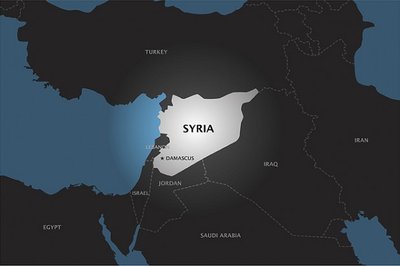
- Show students a map of Syria so students know where it is located in the world. You may use the one provided in the materials section of this lesson
- Play the trailer for “Frontline: Syria Behind the Lines Preview” for the students.
- Put students into groups of three and give them the “ Syria Jigsaw ” handout. Have each student read one article and then have them share with each other what they learned from their article.
Simulation: What would you do?
1. Place the students in groups of eight and pass out the “ Hypothetical Situation ” hand out. Assign each student a role to play in their debate (see bulleted list on the handout) and tell students to keep in mind their role when they make their decision. Hand out the “ Lesson Plan For and Against Limited strikes " Washington Post article and have each student read it to themselves. Give them time to decide what they would do (strike or not strike), and come up with three reasons for their decision.
2. Have students share their decision and reasoning to their group. Their goal is to come up with a decision that everyone agrees on, and they should debate each other until they have come up with a unilateral decision. At the end of the allotted time, have each group share out if they were able to come to a decision and if so what it was. If not, have them explain why they could not come to a decision.
3. On their own, have students complete the questions on the “ Hypothetical Situation ” hand out.
Lesson by Katie Gould, former PBS NewsHour Classroom teacher resource producer.