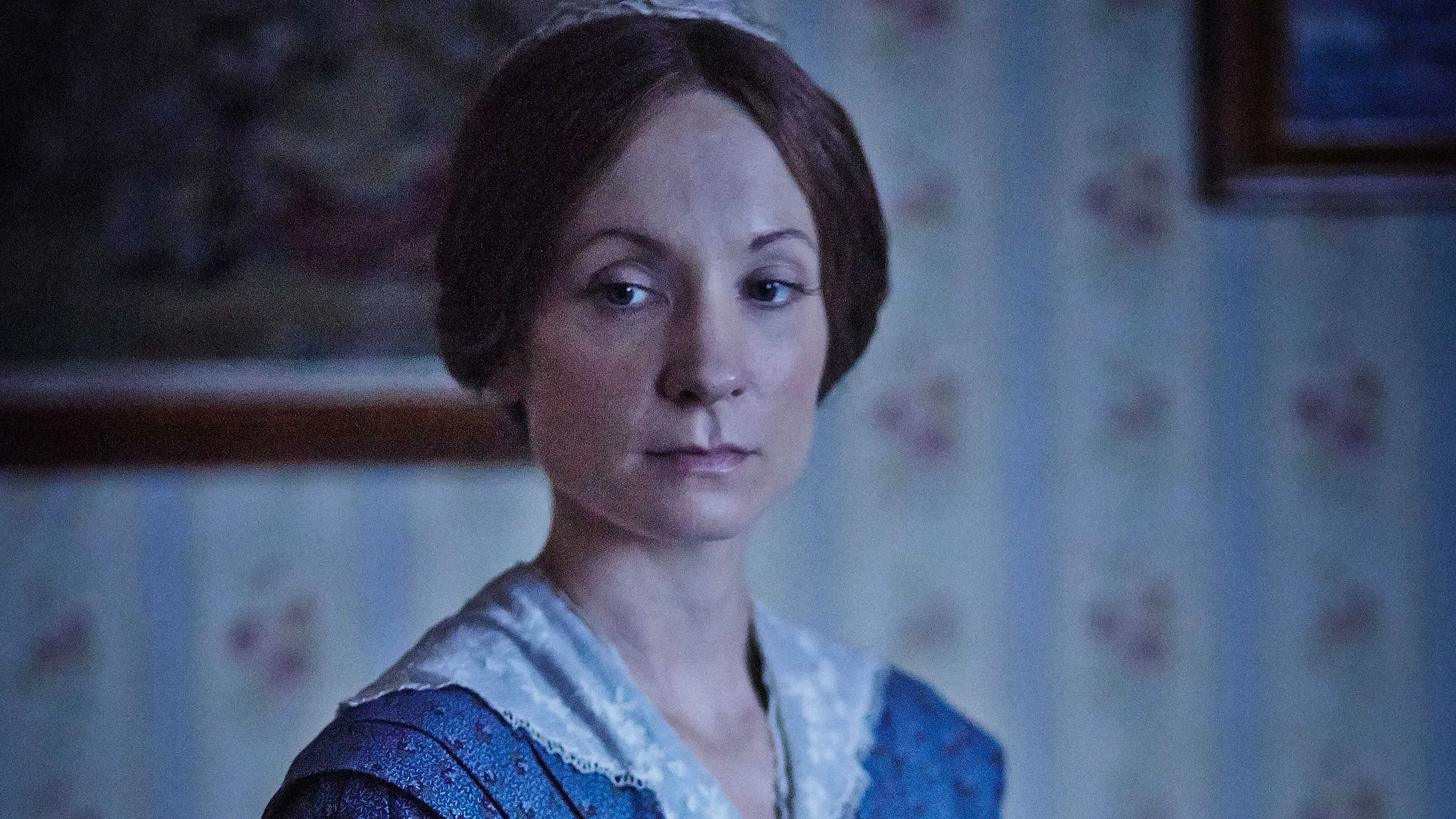
Joanne Froggatt on Mary Ann Cotton
short | 03:30 | CC
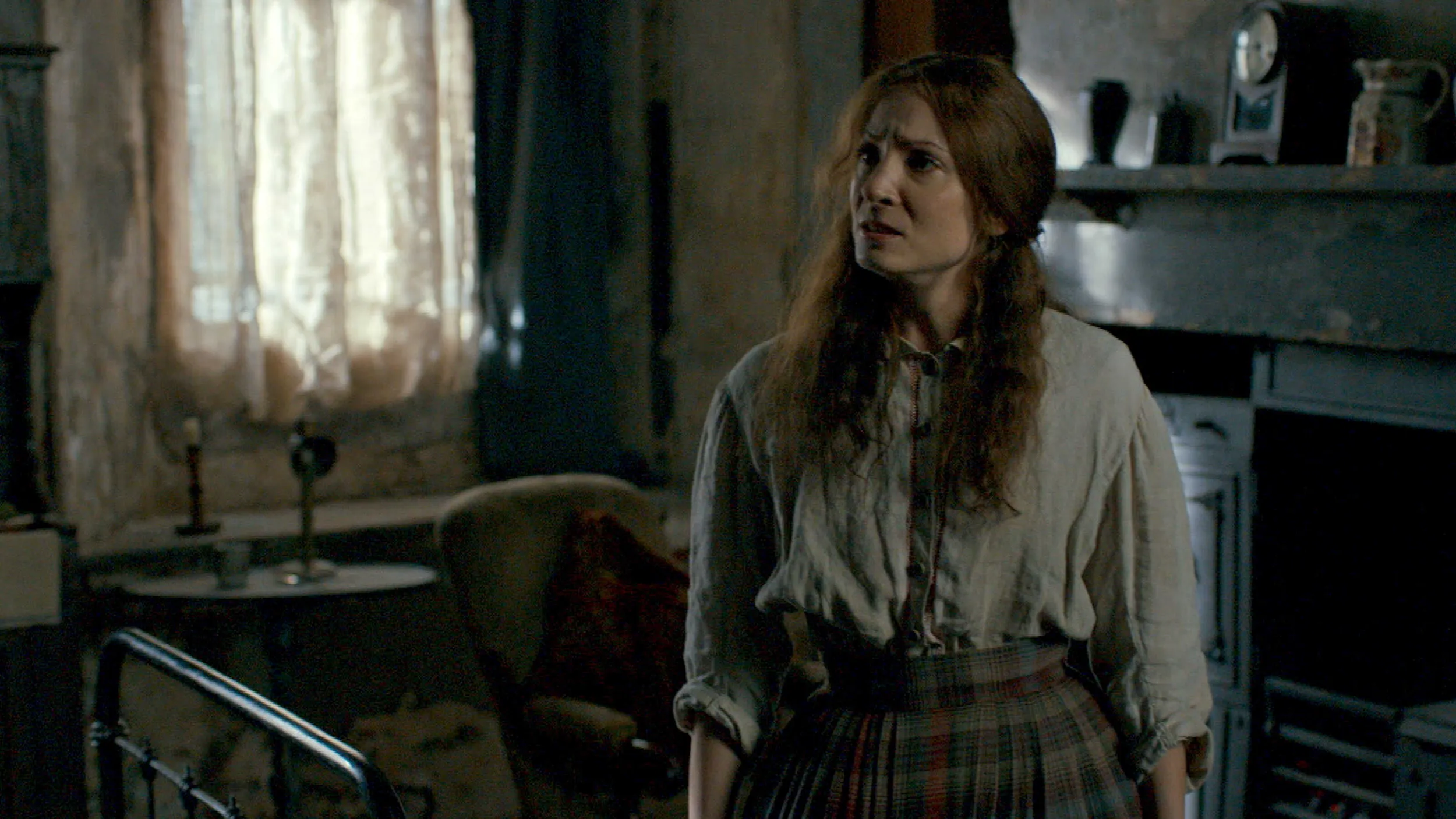
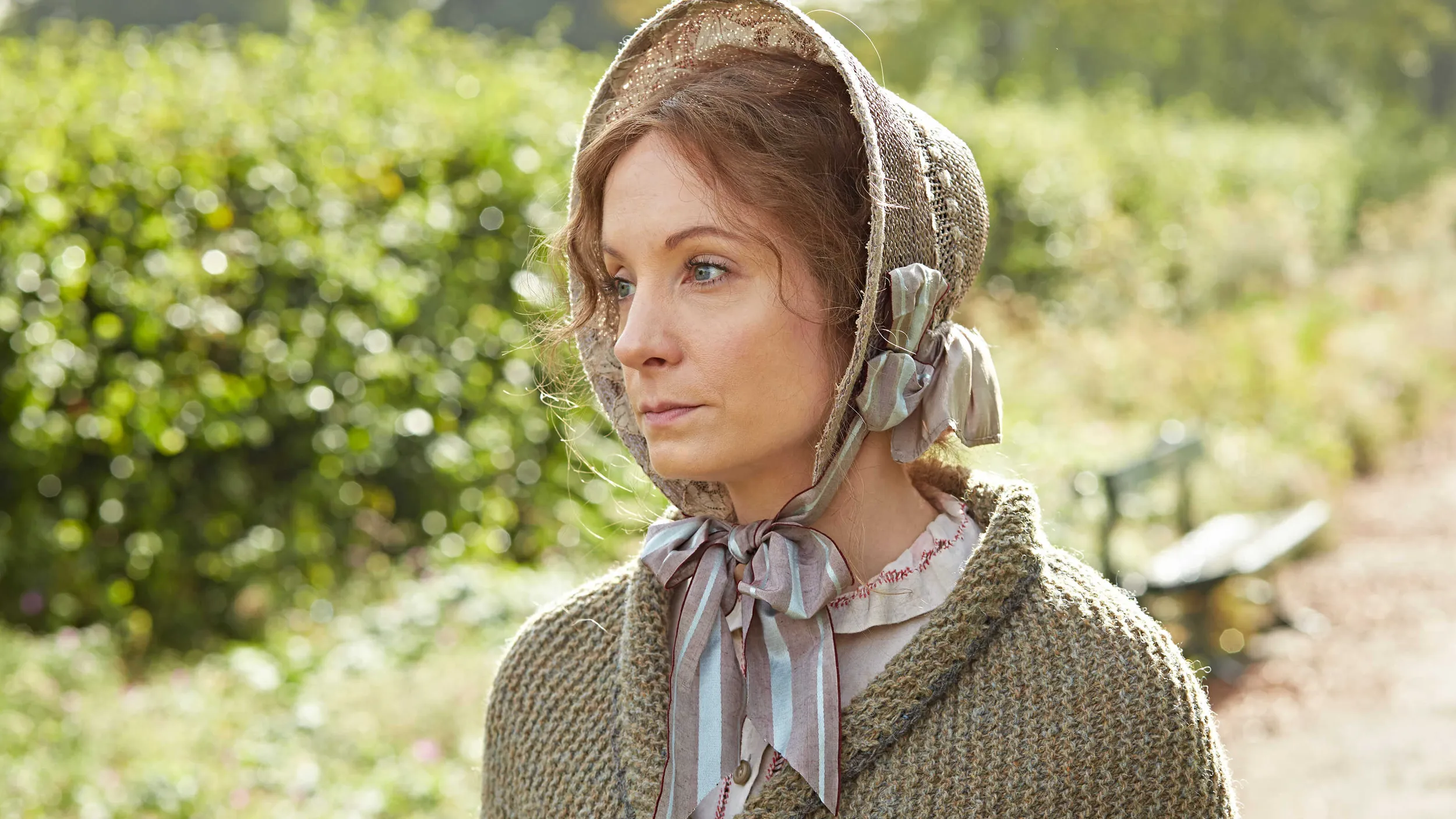
Actress Joanne Froggatt explores the painful past and nuanced character of real-life serial killer Mary Ann Cotton from Dark Angel, as seen on MASTERPIECE on PBS.
- Well her father died when she was very young, so I think, when she was eight years old her father worked in the mines, down the mines, which most people did.
It was either fishing or mining villages and towns.
I think that was a very traumatic experience for her because he was brought back from the pits in a wheelbarrow, in a sack labeled "Property of South Hetton Coal Company," which was the company he worked for.
So, I think that was definitely a huge part of some sort of change in her.
She also ran off and got married very young.
Most people got married very young anyway.
Her and her husband went off to Cornwall.
All the evidence points to the fact that she was pregnant before marriage so they eloped.
They lost the baby, and then she lost another three babies consecutively, after that, which seem to have been from natural causes.
It was the beginning of the Industrial Era where families moved around from place to place to find work.
There was no birth control, so it was not uncommon for families or women to poison their unwanted babies because they didn't have enough money to feed another mouth.
There was no social security, there was no fallback, poverty was rife and life was incredibly hard for the working class person.
This is the big question we hope to ask, really, and it's the question that I kept changing my mind about.
Obviously hundreds of thousands, or millions of women lived like Mary Ann did and chose not to murder their husbands or unwanted children.
So, she certainly was wired in a different way to other people.
I mean, she absolutely was.
She certainly had a mental illness of some kind.
- There's a darkness in you, Mary Ann.
I had to hear from Maggie that you're married again.
- You missed nothing.
- He was no more use than the first.
- But whether she started out that way, or whether it was a product of her environment, that's sort of the question, or whether it was a mixture of the two.
In my mind it was probably a mixture of the two, because psychopaths, because they don't feel emotion in the same way that we do, they're often very promiscuous, which Mary Ann was.
She was quite happy to gain a husband and insure his life and then pop him off.
So, they don't have that same moral code that we have instilled into us.
In our story certainly there's a relationship that she has or doesn't have, or loses, should I say, with God.
She begins to lose, very early on in our story, that connection because of all the pain she's gone through and she becomes very bitter towards God.
So in my head I think it's a mixture of the two, and also the lack of opportunity for women.
They couldn't really work, if they could work it was very limited options open to them.
You could be a nurse or a nanny or work in the fishing villages or something like that but it was menial, menial tasks.
Mary Ann wanted to be a dressmaker but there was just no call for that in the poverty-stricken places where she was living.
So, she's somebody that always wanted to be better, to have more, always saw herself above the other people around her, which again is another general linking with psychopathy as well.
So, yeah, she's quite an interesting girl.
(dramatic music)
RELATED CONTENT
MASTERPIECE Newsletter
Sign up to get the latest news on your favorite dramas and mysteries, as well as exclusive content, video, sweepstakes and more.