Inside Look
preview | 04:26 | CC
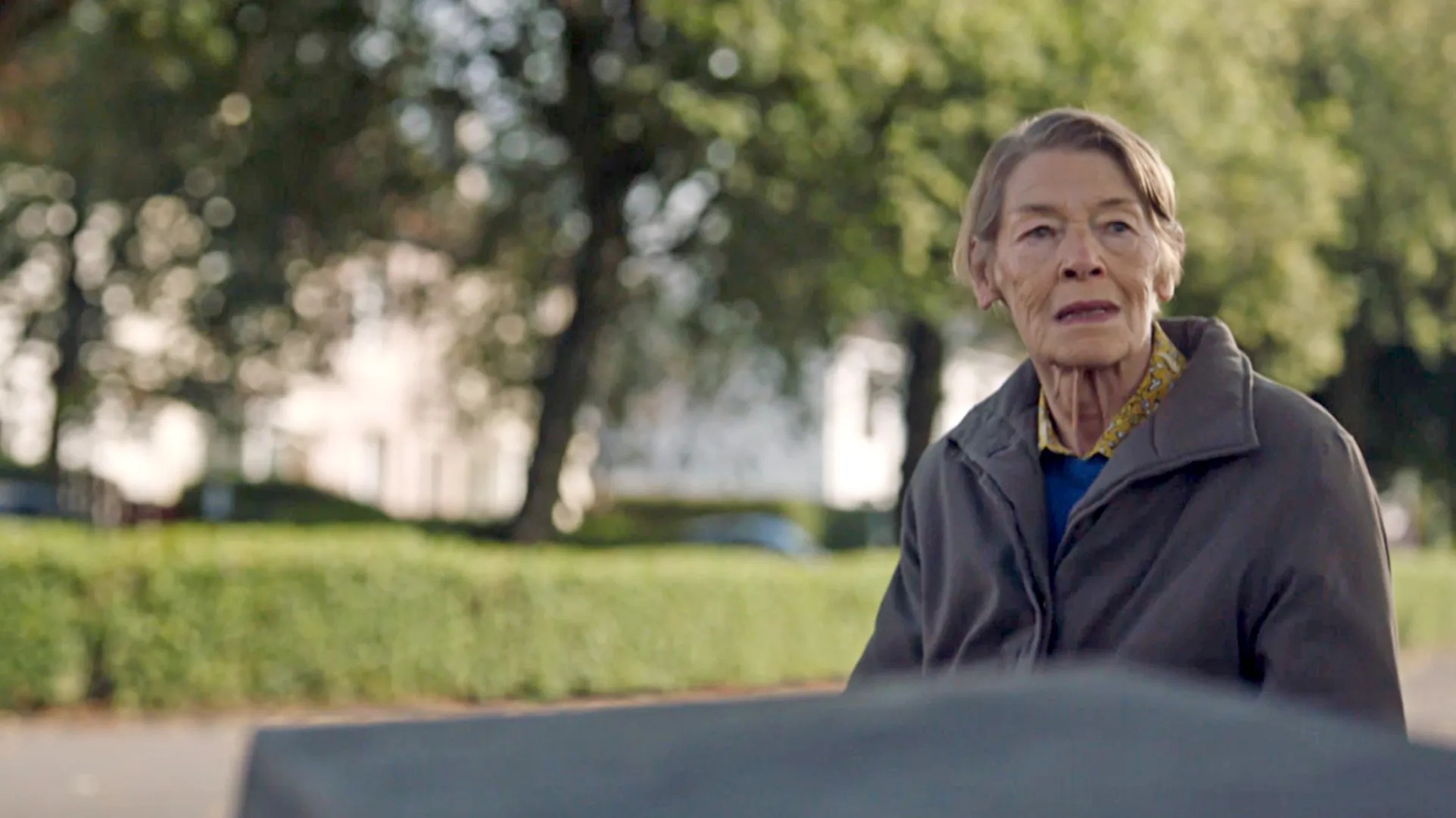
Glenda Jackson and the series' creators discuss telling Maud's complex story about dementia and the nature of memories.
(gentle piano music) - Ostensibly, it's a story about dementia and the portrait of a disease told from the inside out.
So from the point of view of somebody experiencing dementia.
(gentle piano music) - Of course, this story deals with a woman who is going through the realization of what Alzheimer's really is.
- But then on top of that, you have these two fantastically, kind of compelling mysteries.
- It runs concurrently with an instant in Maud's teenage years when her sister disappeared.
- In a way it's an exploration of dementia, but through these very compelling mysteries and through the mysteries, we sort of unlock the disease and the nature of memory in a really powerful way.
- So I read the book, and I was just completely knocked out by it.
I mean, it's a beautiful book, beautiful piece of writing.
- It was writing about a subject that felt so incredibly serious and important, but Emma Healey had found a way to bring a kind of warmth and a heart and a humor to that subject matter.
- She's got inside the head of this character with this condition, and yet she's managed to make us understand what it must feel like to have it.
- I can't keep things in my brain.
It worries me.
- Maud herself, she is going through the development of Alzheimer's.
She seems on one level to be really rather shy, withdrawn, very sensitive, and then on the other, she can be a real bully.
So she's very interesting to play.
- It's the biggest decision you make as a director on a film, is who you cast.
And if you get that right, then it's quite an interesting journey.
- It was actually Aisling that had the idea of Glenda and it was like a light bulb moment, I think for all of us.
We just all, unanimously, thought that was the most amazing idea we'd ever heard.
- She was the first person that came to mind.
I knew she hadn't done television or film for, you know, 25, 27 years.
You know, she puts us all to shame.
- I mean, these days are difficult for us and she does take after take, hours on end, working away like a Trojan.
- Watching Glenda is emotional because she's so powerful.
- She's so spirited, and she's just so interesting to listen to.
- And she's just lovely to be around.
She's quite like twinkly, a bit naughty.
- It's work!
How dare you impute that I'm just playing a game here!
Fun, fun is when you're not working.
As long as you've got enough to feed yourself.
- She's just giving this amazing performance.
- It's like going to acting school, watching Glenda act.
- Every time Glenda does anything, I'm like this.
She's just fabulous.
So work and every single thing with her and watching what she'll do next, everything has been fantastic.
- There is nobody else that could play that role.
You know, it's rather extraordinary performance, you know, of an actor portraying a woman who's got dementia.
- I want to scream, but it won't come out.
It's all stuck in here.
All the feelings are in here.
It is about something that is of enormous importance.
As we, the human race, live ever longer and longer, there are new illnesses which are coming to the fore.
- It's not your usual fare about a story of this kind.
You're actually in it with Maud and that's what's going to be special about this.
- When she feels panic, when she feels stressed, or when she feels joy, you are feeling that with her.
It's quite an immersive experience of dementia, which you don't always get.
- And I think that's what the book and the adaptation and the performances and the way in which it's being directed, hopefully they all you know, present that in a really powerful way to the audience.
- It'll stay with people who watch it.
I really do believe that.
(music resolving)
RELATED CONTENT
watch
MASTERPIECE Newsletter
Sign up to get the latest news on your favorite dramas and mysteries, as well as exclusive content, video, sweepstakes and more.