- What's your name?
- Cosette.
- I play Marius Pontmercy, who is a young, upper class chap.
- Marius!
- He kind of has this ongoing battle about where he lies politically.
- What side will you be on, my friend?
- You told me lies about my father.
I never knew him because of you.
As that's going on, he meets Cosette.
In amongst, kind of just has to choose between his love and his political conscience and social conscience.
- You coming or not?
We don't need any romantic daydreamers or lovesick school boys.
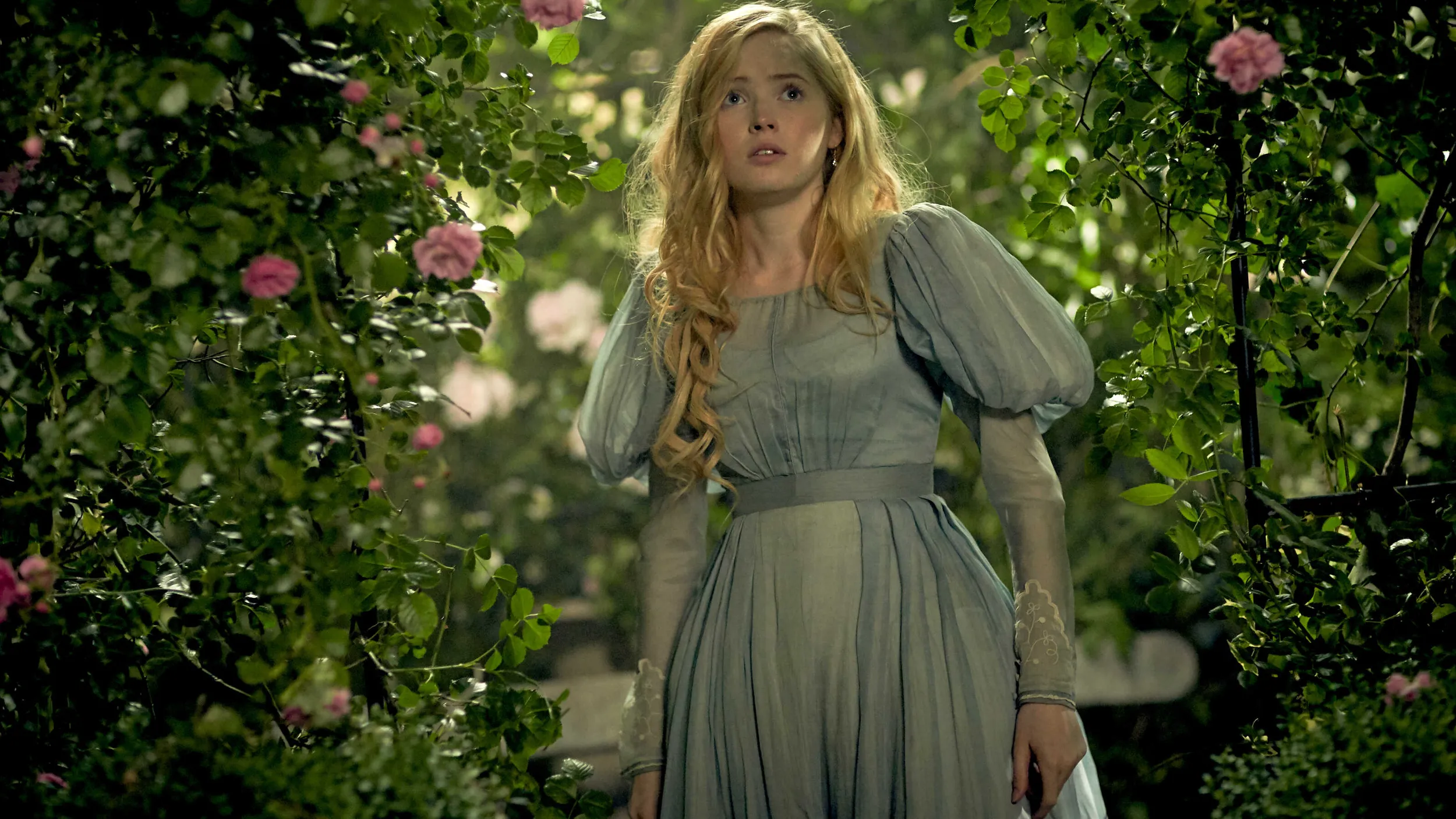
- Cosette's story is really a story of her journey to becoming a woman.
What I really like about Cosette is that she does have this huge capacity to love and she begins to show that.
- Lies.
Cruelty.
That's the world.
- I don't believe it's all like that.
Cosette's and Jean Valjean's relationship is really, really wonderful because they really, to begin with, depend on each other.
And I think what Cosette does, is she teaches Jean Valjean how to love.
And I think that's a really beautiful thing.
The interesting thing about the relationship and the journey that they go on together, is it's all about a father trying to hold on to his daughter.
- I can't let you go!
It's not safe!
- I hate you!
I think modern audiences will identify with this story because no matter how much of a different time period we're creating, there are still, like, real human questions that we're still asking.
- What's the point in living if I've lost Cosette?
- Especially young women who were becoming adults.
They'll be still questioning love themselves.
And they'll still be questioning those father, daughter relationships.
And they'll still be questioning morality, and loss, and how you deal with that.
- Don't be sad.
We're all gonna die.
- I think it's really important to go back to literature, like Hugo, and look at what happens when the small people are forgotten.
So, I think the relevance is absolutely there for the modern audience.