(bright music) - The first ingredient to forming of a character is often your first exposure to the costume.
- Costumes should change you in a good way, especially if you wanna feel like you're really inhabiting a character.
- Costume is always a really big part for me in sort of getting into the character.
It's sort of hard to visualize without it, especially for something in such a specific time period.
Waistlines were sort of coming up, and women's silhouettes were less restrictive, so there was this element of freedom.
But at the same time, given what we wear today, it's still fairly restrictive.
- Your posture is far greater than whatever it would be if you weren't wearing a corset, so that certainly gives you a certain poise.
- One of the really enjoyable things about doing a period drama, going back to Regency England is, the look of it, it looks terrific, and it conjures that world for you.
It starts making the thing a bit more tangible.
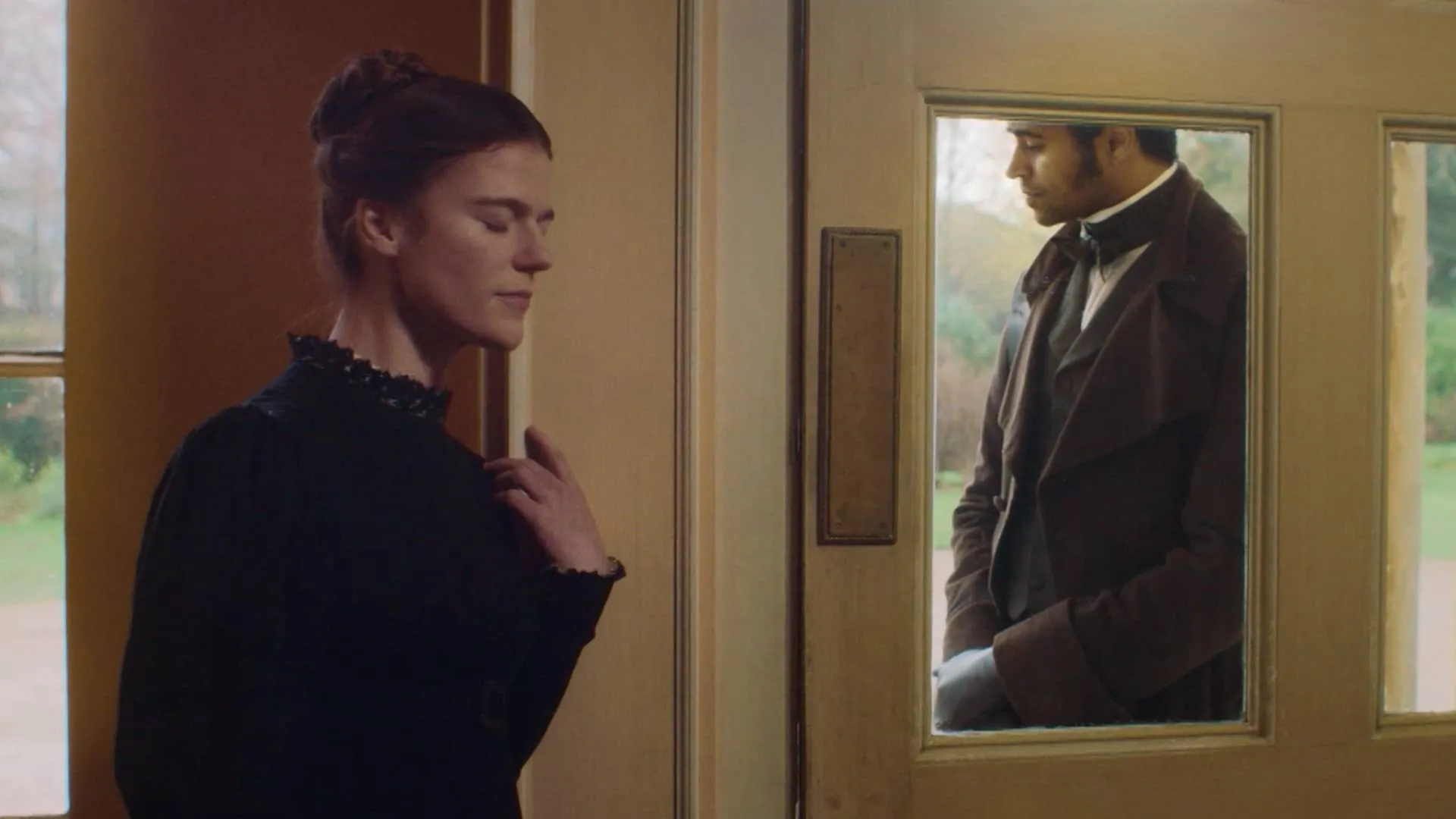
- Cassandra, she wears black a lot because she knows that she'll be going into mourning.
She doesn't dress in bright colors.
She's a woman of a certain age.
I basically wear this dress, which I'm delighted about.
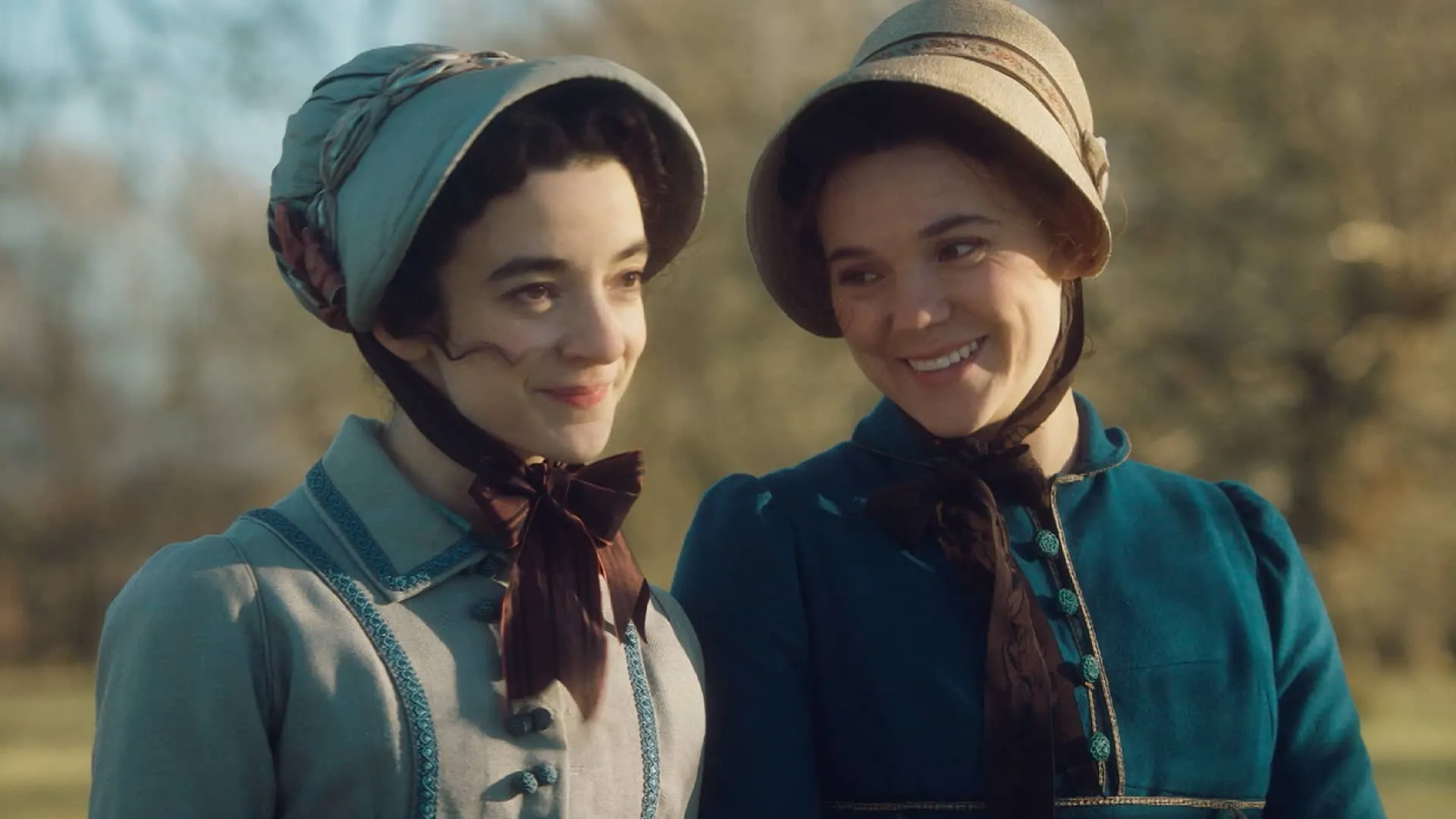
In my section of the story, we're all in mourning, so there's lots of black, and then in the flashbacks, there's this youth and vibrancy and color.
- There's so much variety, and I'm so lucky I've got so many beautiful dresses.
- Wearing clothes such as these, it does affect your performance almost subconsciously.
Boots with heels encourage you to walk in a different way.
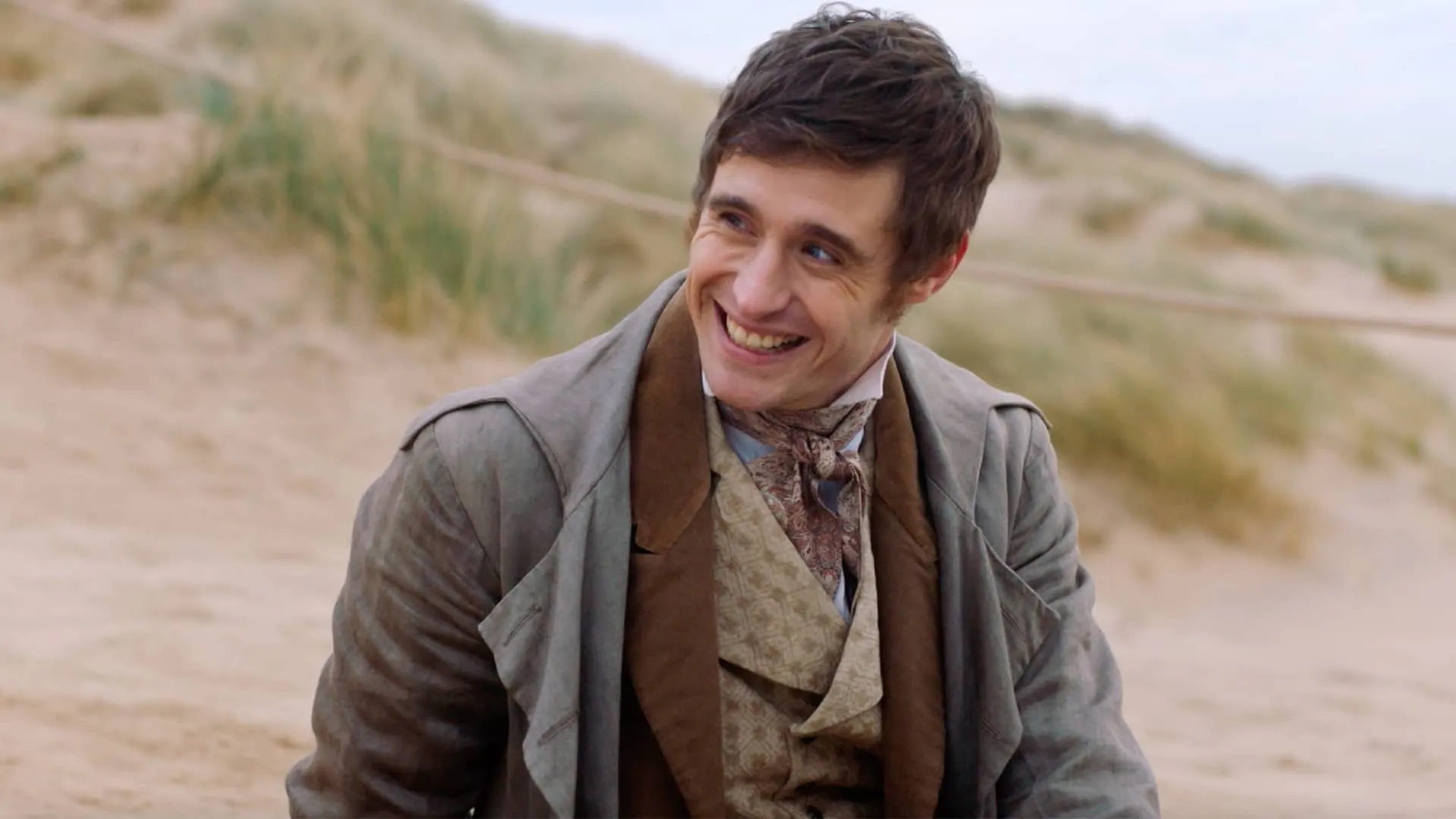
We have waist coats here, which cinch us in and make us stand up tall.
We have a top hat.
I don't know how anyone ever got through a doorway without losing their hat in those days.
- I loved wearing this costume.
It's been really wonderful to sort of piece yourself together as a character by getting dressed every morning.
- I come in in my trackies and I put this on and I go, "Okay, I think I'm ready to engage with my inner repressions."
(laughs) (pen scribbling)