

6 Fascinating Facts about The Count of Monte Cristo
The Count of Monte Cristo has legions of fans—but even superfans may have missed a few lesser-known facts about this classic book. From Alexandre Dumas’s behind-the-scenes collaborator to a curious connection with a certain sandwich, here are six fascinating details to discover.
Dumas Collaborated on The Count of Monte Cristo
Alexandre Dumas frequently teamed up with writer Auguste Maquet, including on the serialized The Count of Monte Cristo. Maquet handled in-depth historical research and initial plot outlines, after which Dumas developed the characters, crafted the dialogue, and shaped the dramatic pacing—turning a blueprint into a bestseller. Maquet’s contributions were often omitted from original publications, naturally leading to disputes over credit. Legal records confirm his hand in 18 Dumas novels, including The Three Musketeers. Maquet eventually won royalties in court, though he was never officially recognized as co-author.
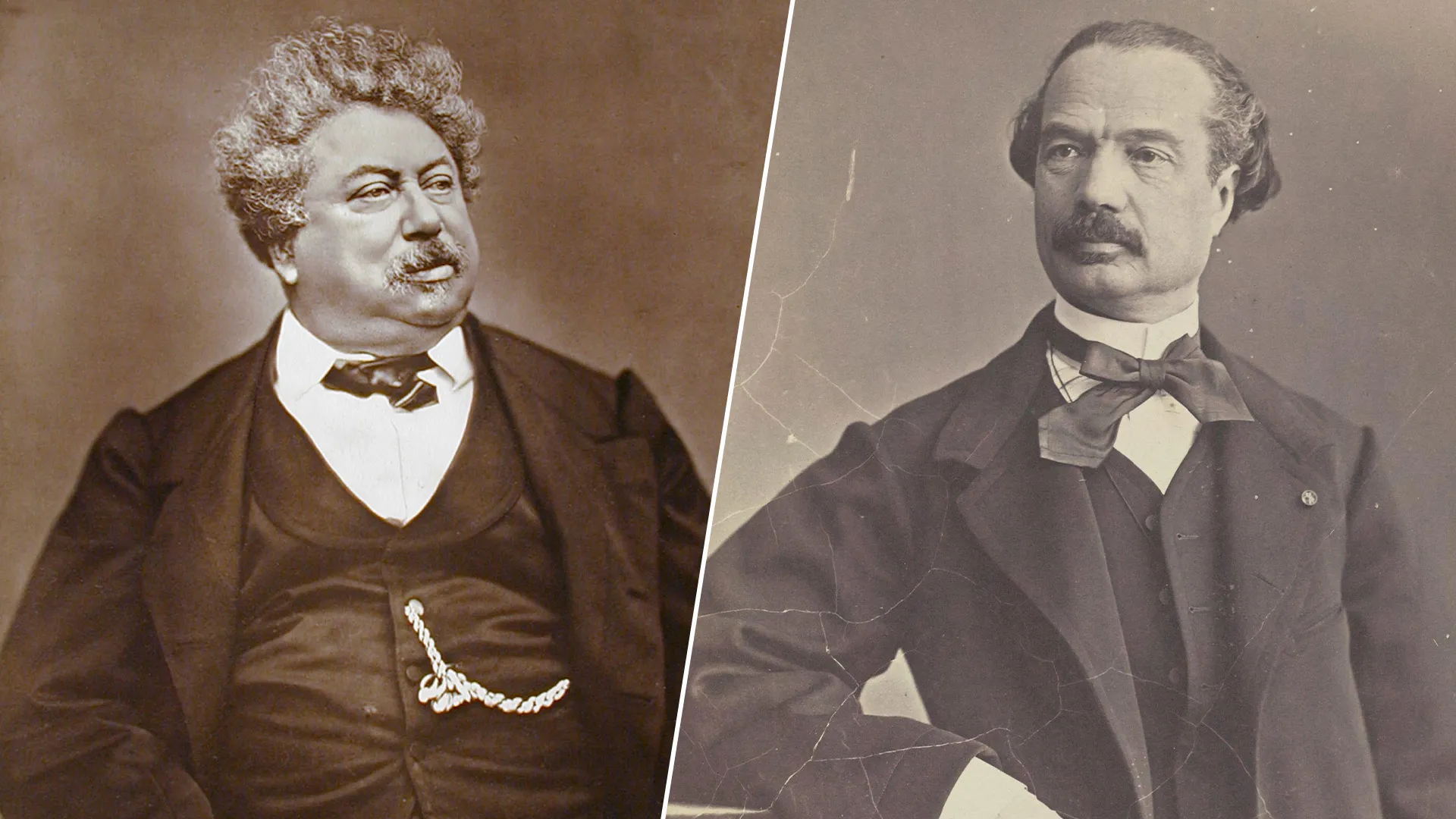
Portrait of Alexandre Dumas, the renowned French writer (left) and frequent collaborator Auguste Maquet (right).
The Count of Monte Cristo was First a Serial
The fictional story of Edmond Dantès first appeared as a serial between 1844 and 1846 in the French newspaper, Journal des Débats. The tale immediately captivated readers who, we imagine, endured the suspense of each installment with remarkable patience. Serialization was a common way to reach a wide audience in 19th-century France, and Dumas’s gripping tale generated widespread discussion and debate. Over the years, The Count of Monte Cristo has been translated into nearly 100 languages, cementing its status as a literary classic.
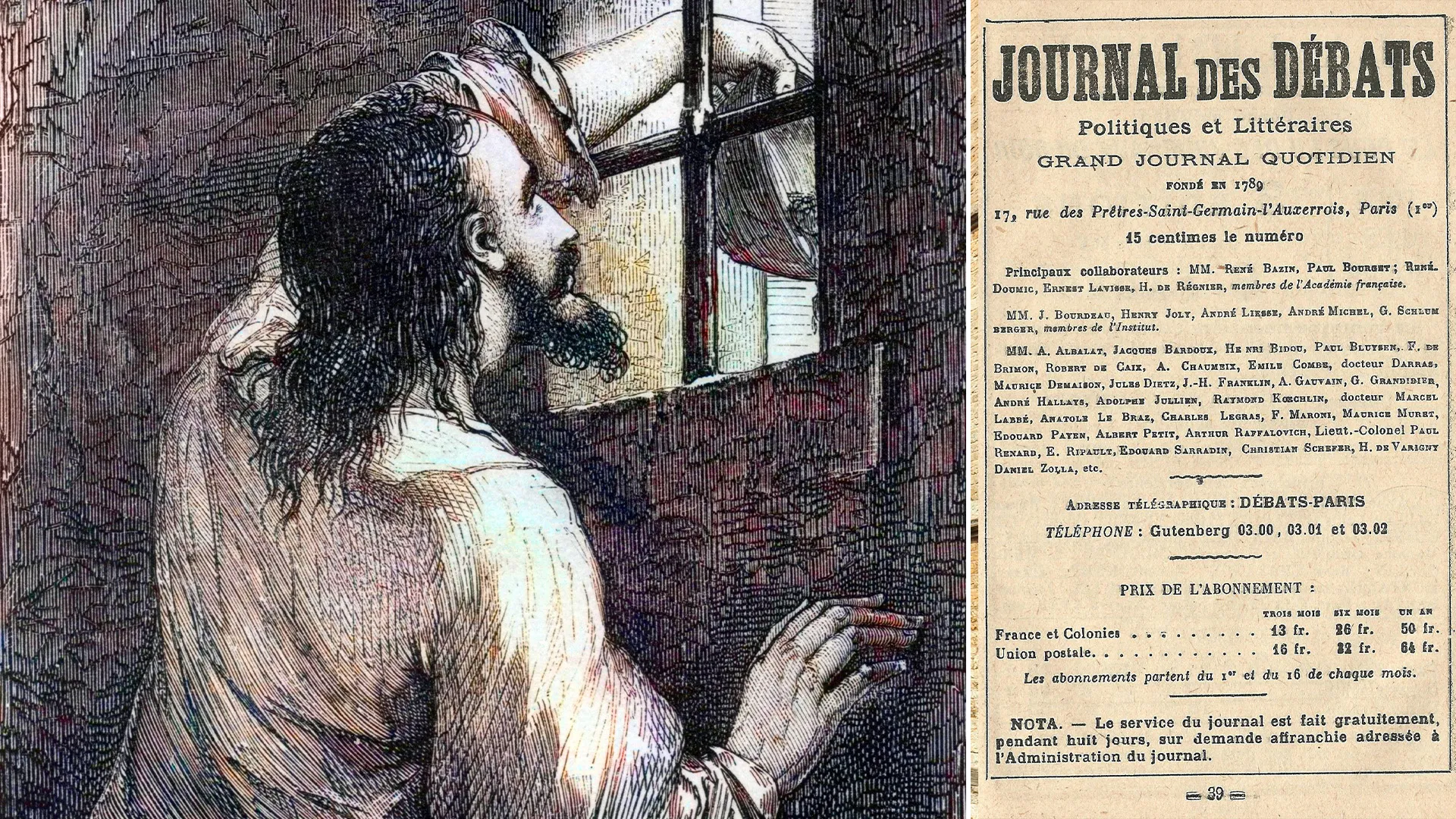
Sketch of the character Edmond Dantès in prison (left) and Journal des Debats (right).
Dumas’s Father: A Pioneering General and Lasting Inspiration
True stories of the elder Dumas helped shape the moral vision of The Count of Monte Cristo, particularly Edmond Dantès’s journey from the helplessness of imprisonment to a reckoning with the corrupting power of the French aristocracy.
Born to a French plantation owner and an enslaved woman, Thomas-Alexandre Dumas was brought to France and raised among the elite as a “fashionable young count.” He joined the army, distinguished himself during the French Revolutionary Wars, and became France’s first Black general at age 31. His rise, however, was shadowed by conflict with Napoleon Bonaparte and cut short when a damaged ship forced him to dock in Italy, where he was captured and imprisoned for years. Largely abandoned by his government, Dumas senior was eventually released into poor health and poverty, dying bitter and feeling betrayed by the nation he had served.
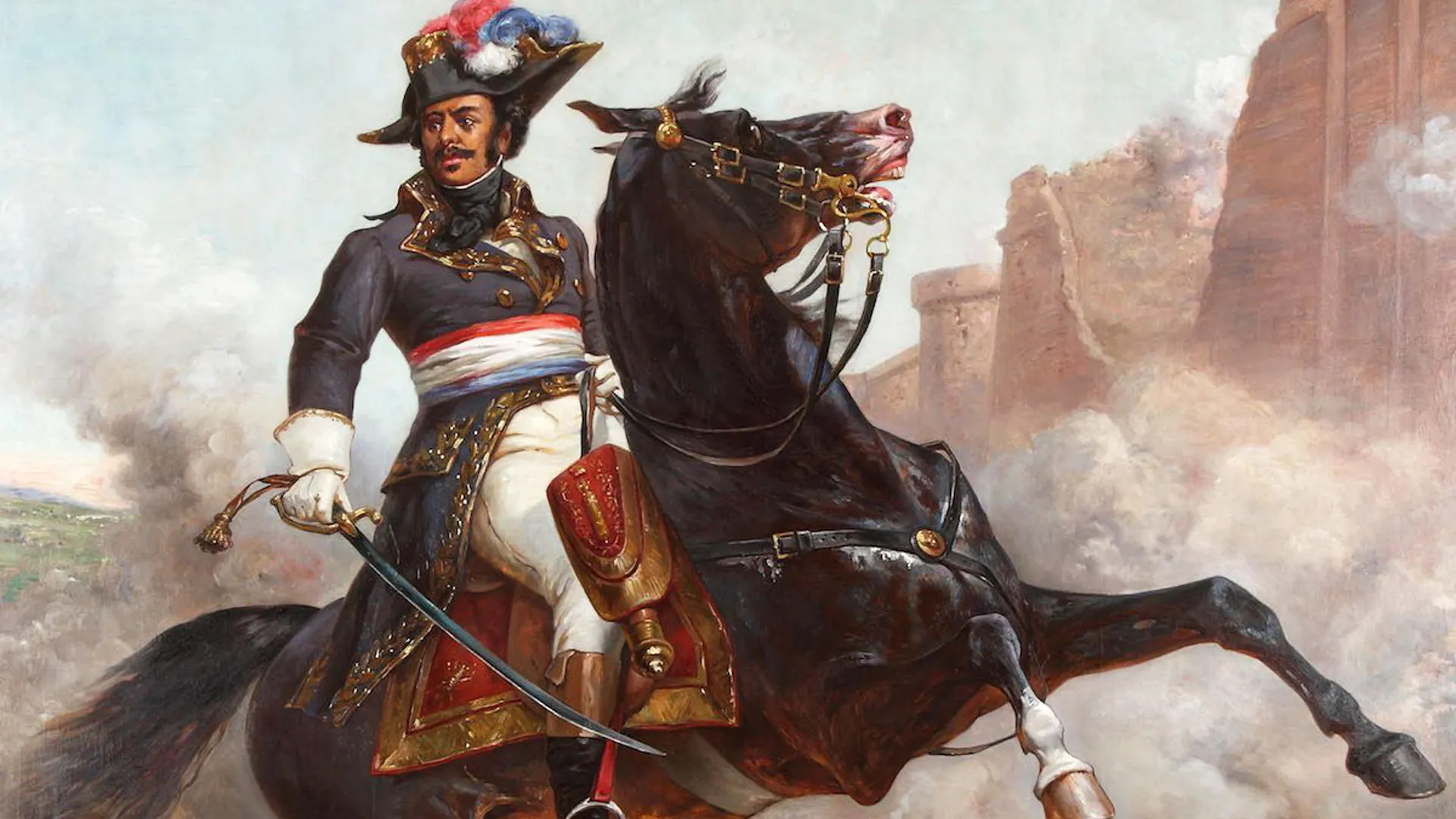
Painting of general-in-chief Thomas-Alexandre Dumas Davy de la Pailleterie, who played a pivotal role in the French Revolutionary Wars.
Château d’If is a Very Real Fortress in Marseille
Built in the 16th century as a fortress, Château d'If became a notorious state prison in 1580, holding inmates for the next 300 years. Prisoners were mostly high-profile political foes, religious dissidents (Protestant Huguenots) and common criminals. Conditions were brutally unequal: the wealthy could purchase former officers’ rooms with windows and chimneys, while the poor were condemned to dark, damp dungeons, deprived of light and fresh air. Perched on an island surrounded by treacherous currents 1,500 meters from shore, Château d'If has no recorded escapes. Feared in its own time, the prison achieved lasting infamy through The Count of Monte Cristo. Today, its museum draws thousands of visitors.
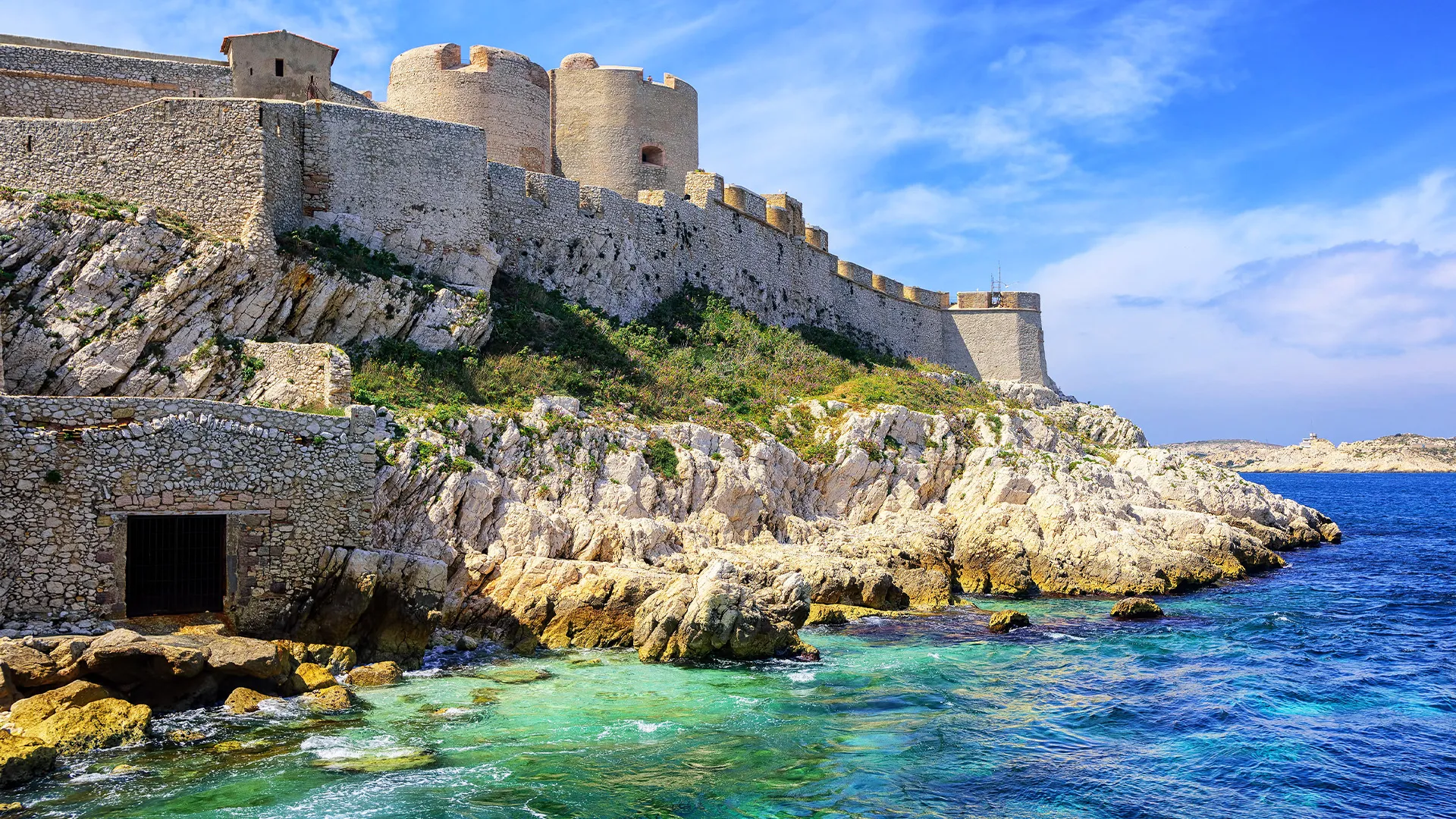
A Boating Trip Prompted The Count of Monte Cristo’s Title
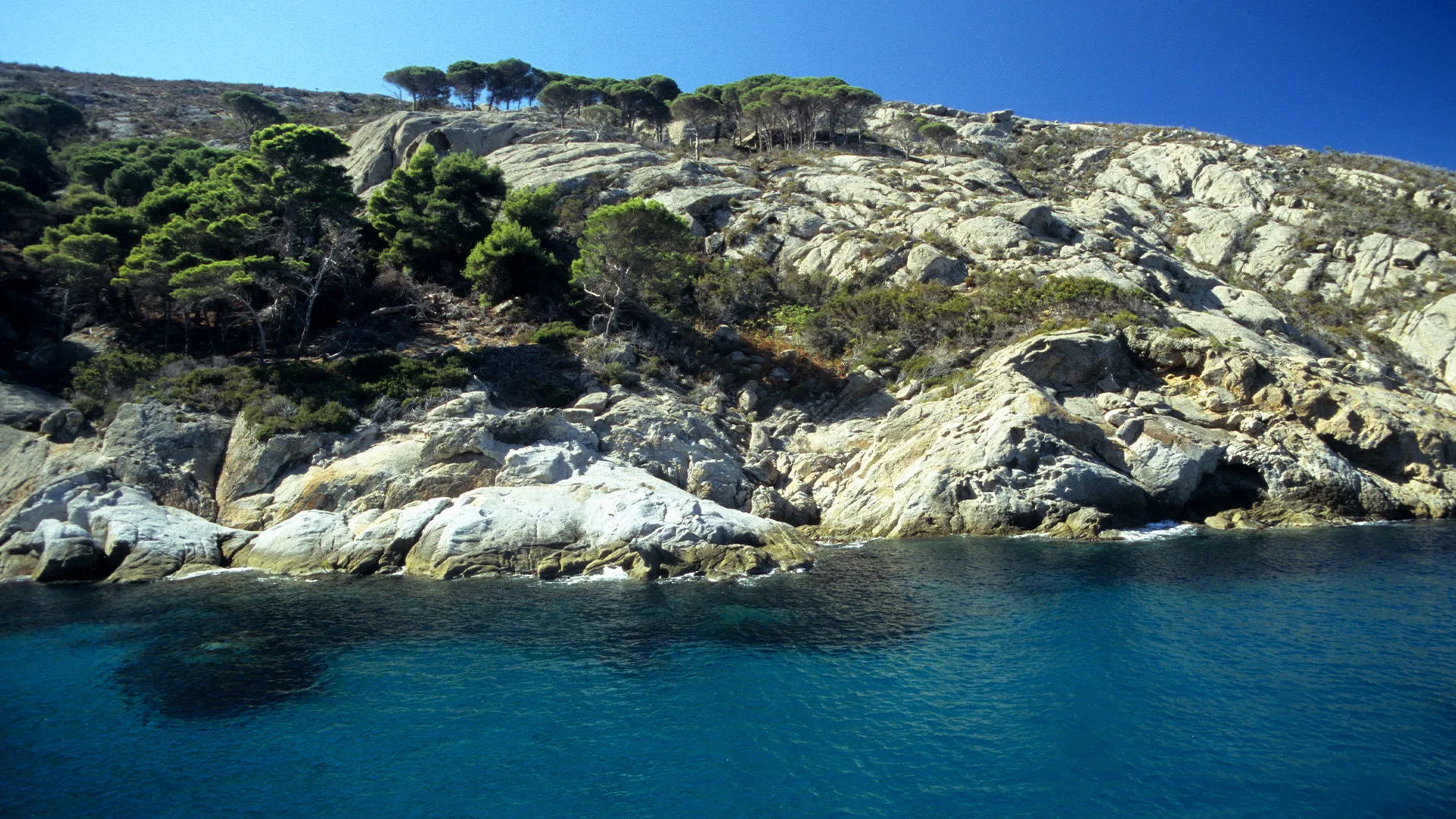
As a favor to Napoleon’s brother, Alexandre Dumas played tour guide for the man’s 19-year-old son, setting sail along the Italian coast in 1841. According to an essay by Dumas in his Causeries, they visited Elba (naturally), Portoferraio, and ultimately, a remote landmass off Tuscany that they’d heard about called Montecristo. Dumas was quite taken with the isle’s rugged beauty and bestowed its name on his next novel. The nephew was less enchanted—reportedly seasick for much of the trip.
The Monte Cristo is Also a Sandwich
The Count of Monte Cristo never described this particular sandwich but seems to have inspired its name. The “Monte Cristo” is a variation on the French “croque monsieur,” a ham and cheese sandwich dipped in egg and fried. Sometimes served with powdered sugar and raspberry jam. (Don’t overthink it.) The name seems to have been chosen for its French flair and sense of adventure—much like the novel. The sandwich became iconic after landing on the menu at Disneyland in 1966.