
Holy Cow, Black Sheep & More: Popular Farm Animal Idioms Explained
Fans of All Creatures Great and Small know that life in Darrowby revolves around feedings, calvings, and the care of animals both large and small. It’s a setting where animals aren’t just background; they shape everyday life—and everyday speech. Many familiar expressions grew out of farm work and time spent among animals. Here’s a look at a few of those idioms, where they came from, and what they mean.
Black Sheep
Meaning: Someone who doesn’t quite fit in or does things their own way instead of following the crowd, as in “Within this family of lawyers, he’s the black sheep who paints.”
History: The phrase dates back to at least the 18th century, originally referring to rare black sheep born into white flocks. Their wool couldn’t be dyed, making it less valuable, which gave the term a negative connotation. However, today it can be used more positively to describe someone who dares to challenge the status quo. The Oxford English Dictionary notes that the earliest recorded use of 'black sheep' is from 1640 in the writings of American minister Thomas Shepard.
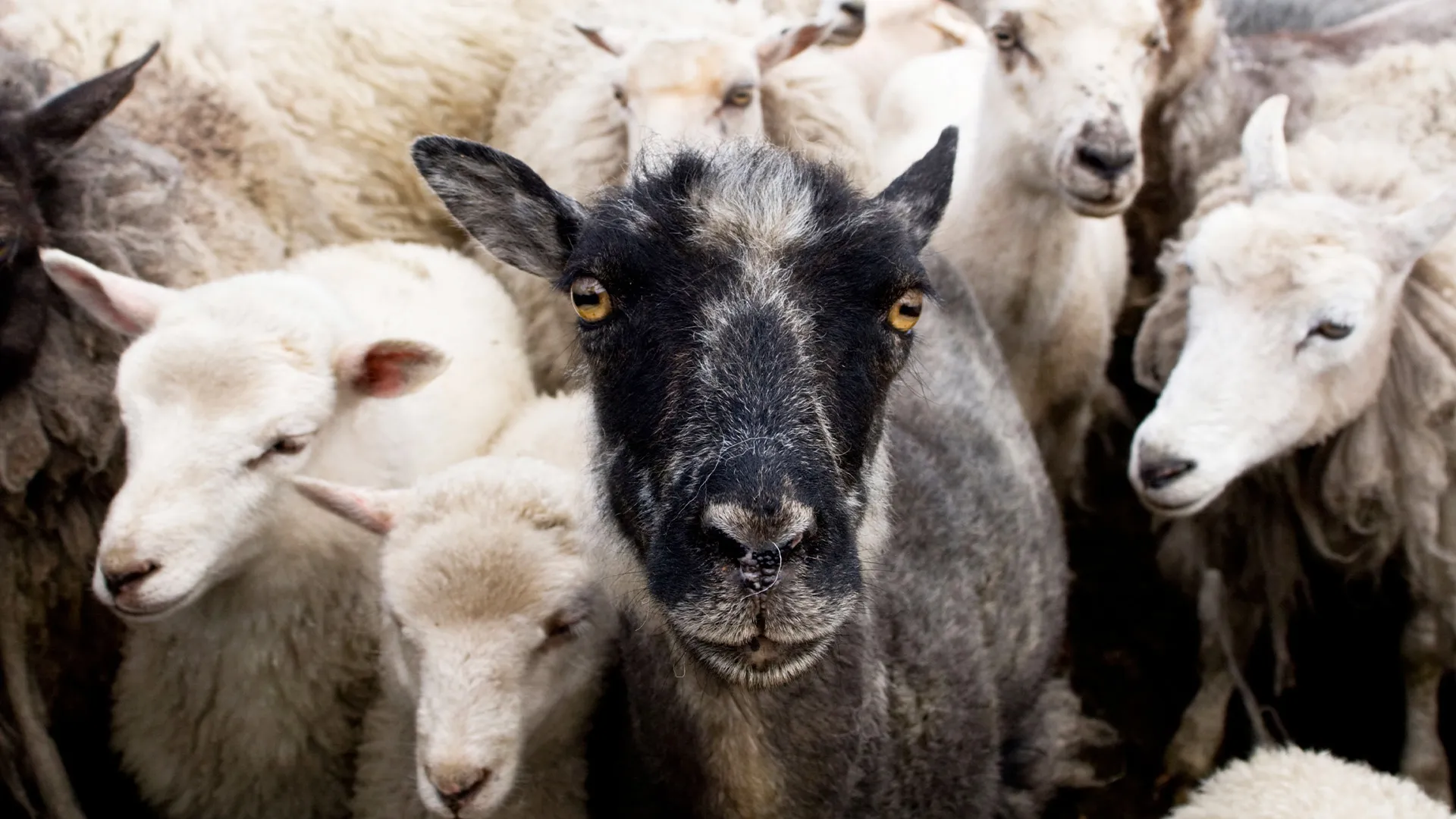
Don’t Look a Gift Horse in the Mouth
Meaning: Don’t question or criticize something you receive for free or as a gift, as in “We won front-row concert seats—let’s not look a gift horse in the mouth.”
History: The phrase is rooted in a centuries-old practice. When buying a horse, people would inspect its teeth to assess its age and overall health—the younger the horse, the healthier and more valuable it was. So, checking the teeth of a horse given to you would seem to question the value of the gift, implying it wasn’t good enough. The idiom itself appears in written English as early as 1546 in John Heywood’s book of proverbs, where he wrote, “Where gyfts be gyuen freely, est west north or south, No man ought to loke a geuen hors in the mouth.”
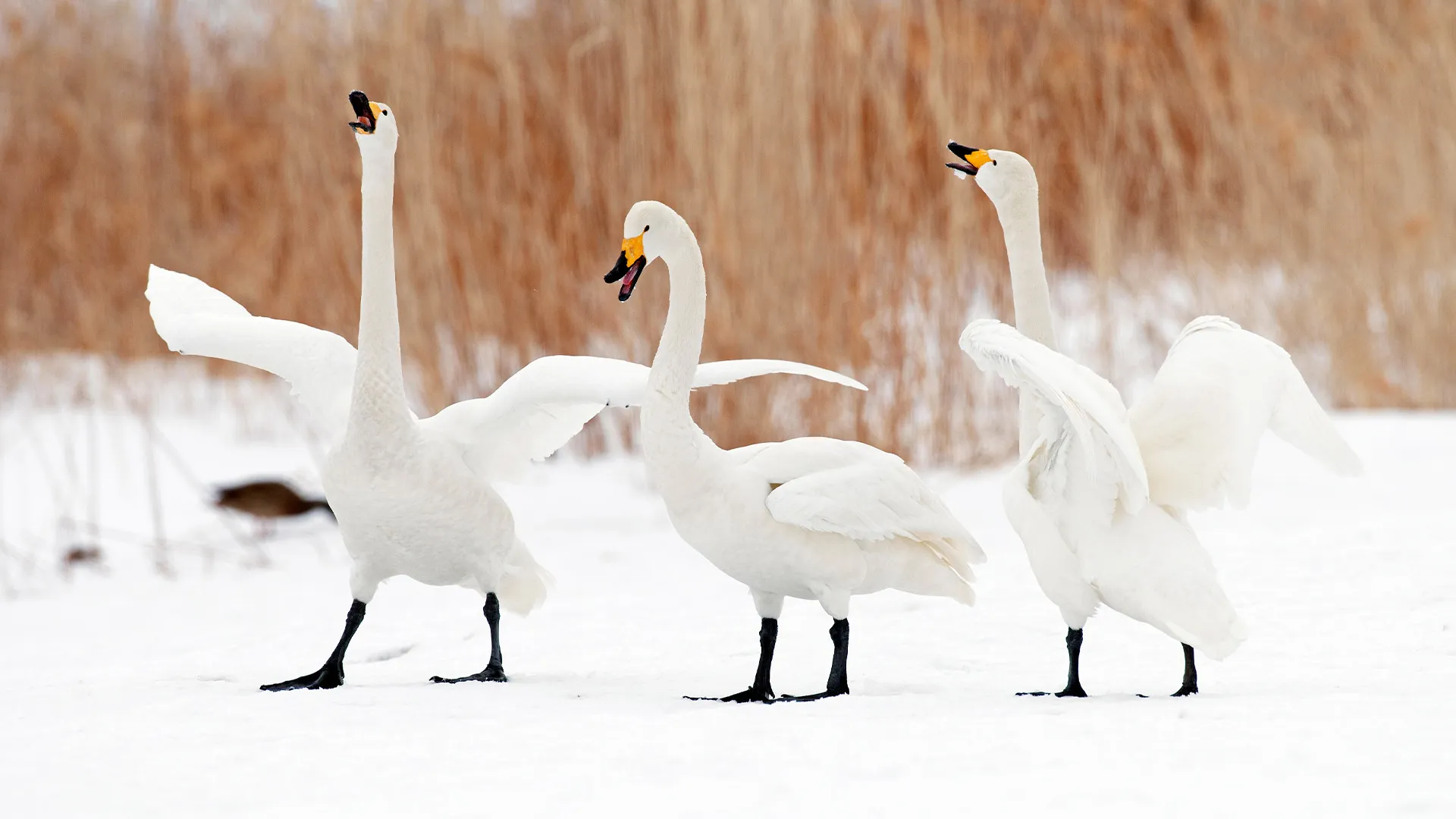
Swan Song
Meaning: A farewell appearance or final act, as in “This is my swan song at the gym—I’m switching to long walks.”
History: The term dates back to ancient Greek fables and the belief that swans, typically silent, sing a beautiful mournful tune just before they die. ‘Swan song’ was used as early as in Aeschylus’s Agamemnon (458 BC) and Aesop’s fables.
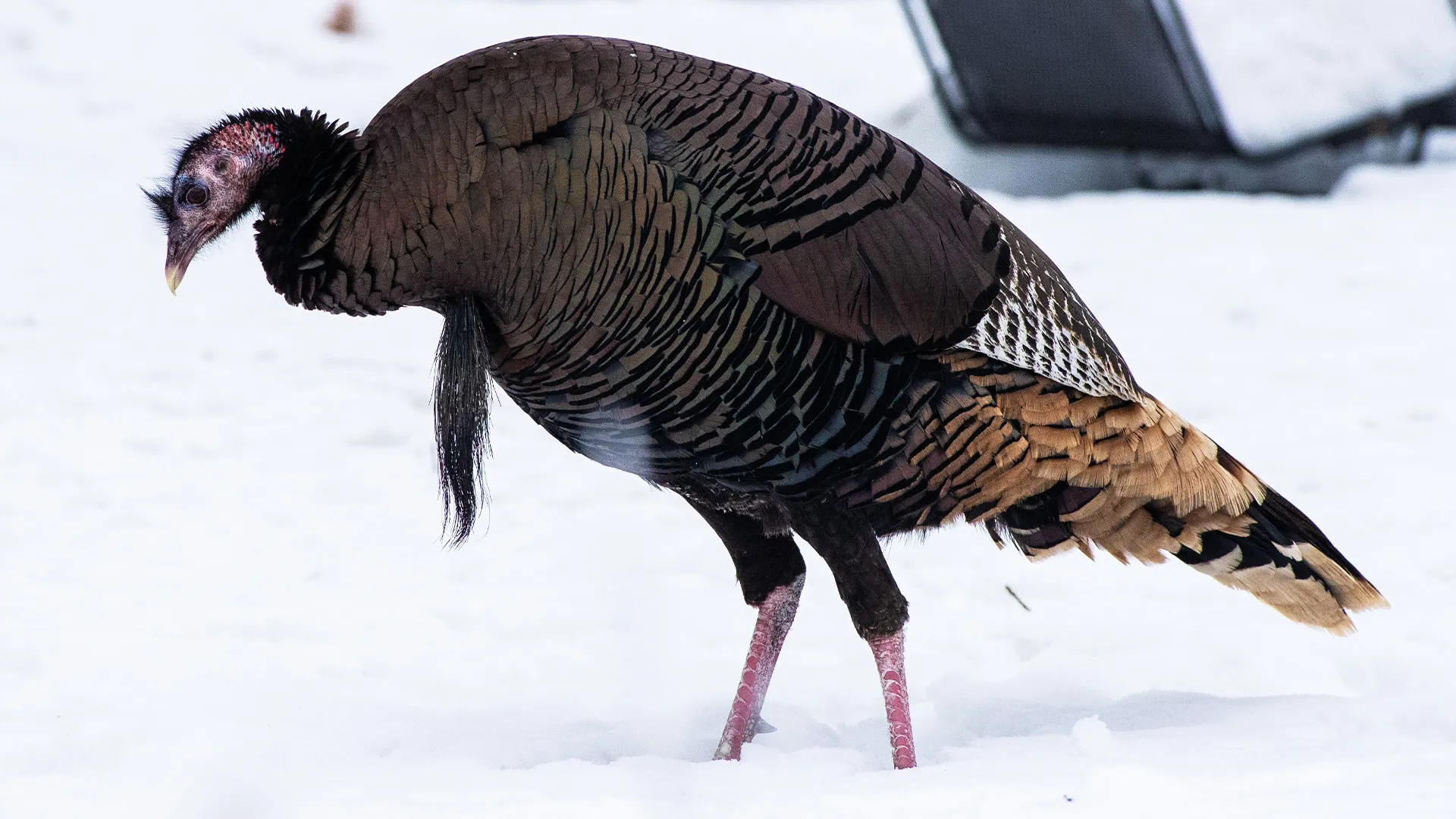
Cold Turkey
Meaning: An effort to abruptly give up a habit, as in “She went cold turkey on chocolate after the holidays.”
History: The term "cold turkey" dates back to at least 1910, when Merriam-Webster notes it was used to describe someone who lost $5,000 outright in a card game. The phrase may have evolved from "talk turkey," an expression from the early 1800s meaning to speak plainly. Its association with drug addiction treatment first appeared in a 1921 Canadian newspaper, where it referred to the abrupt, unassisted withdrawal process, a term reportedly used by addicts themselves.
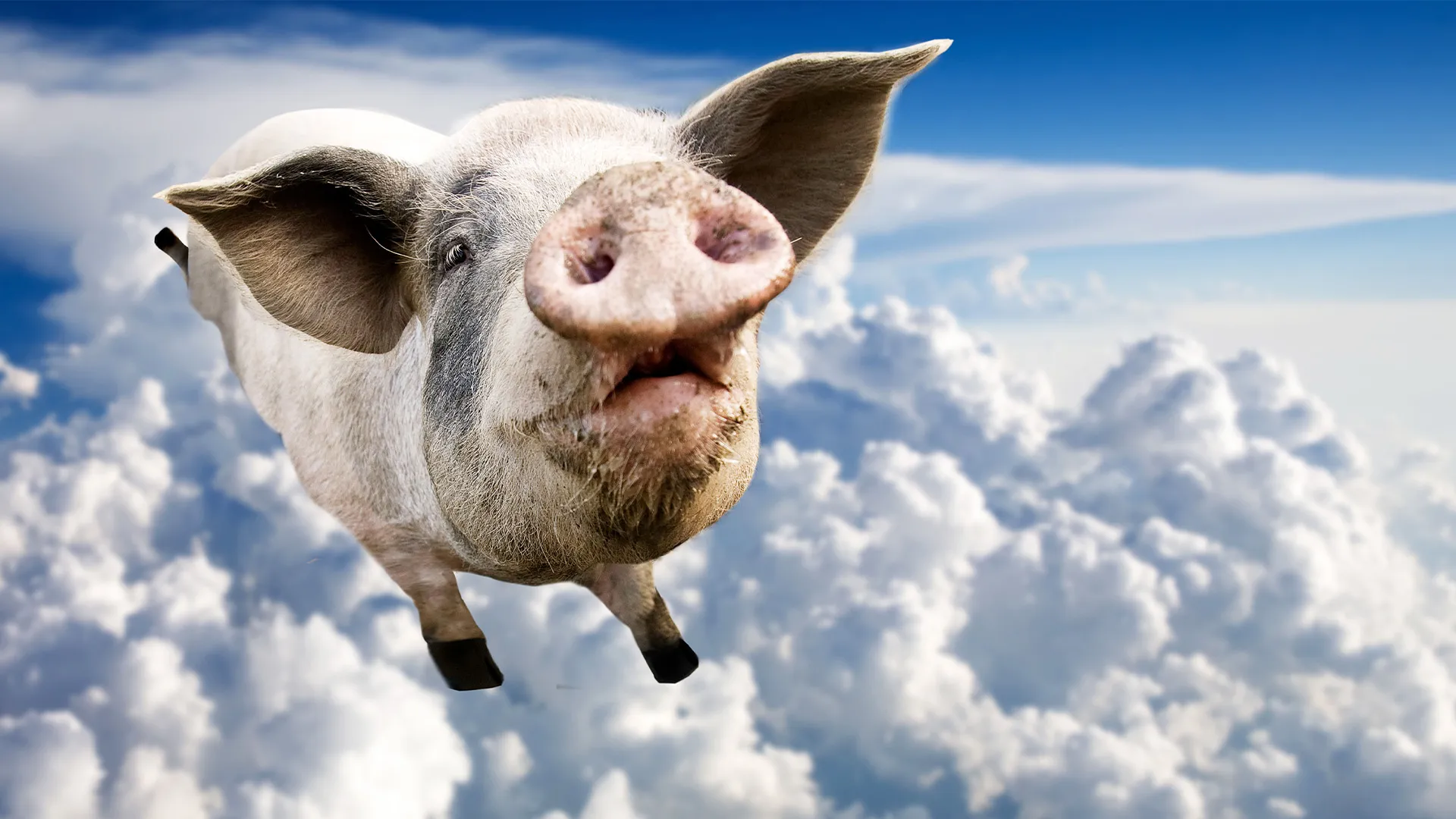
When Pigs Fly
Meaning: Indicates the unlikeliness of something, as in “My teenager will stop checking his phone during dinner—when pigs fly.”
History: This idiom belongs to an old family of expressions that have animals doing impossible things. The idea dates back to the Middle Ages, long before the modern wording emerged. The original version of the saying was “when pigs fly with their tails forward.” The phrase became more widely recognized in 1865, when Lewis Carroll included a variation in Alice's Adventures in Wonderland, where the Duchess says, “Just about as much right as pigs have to fly.”
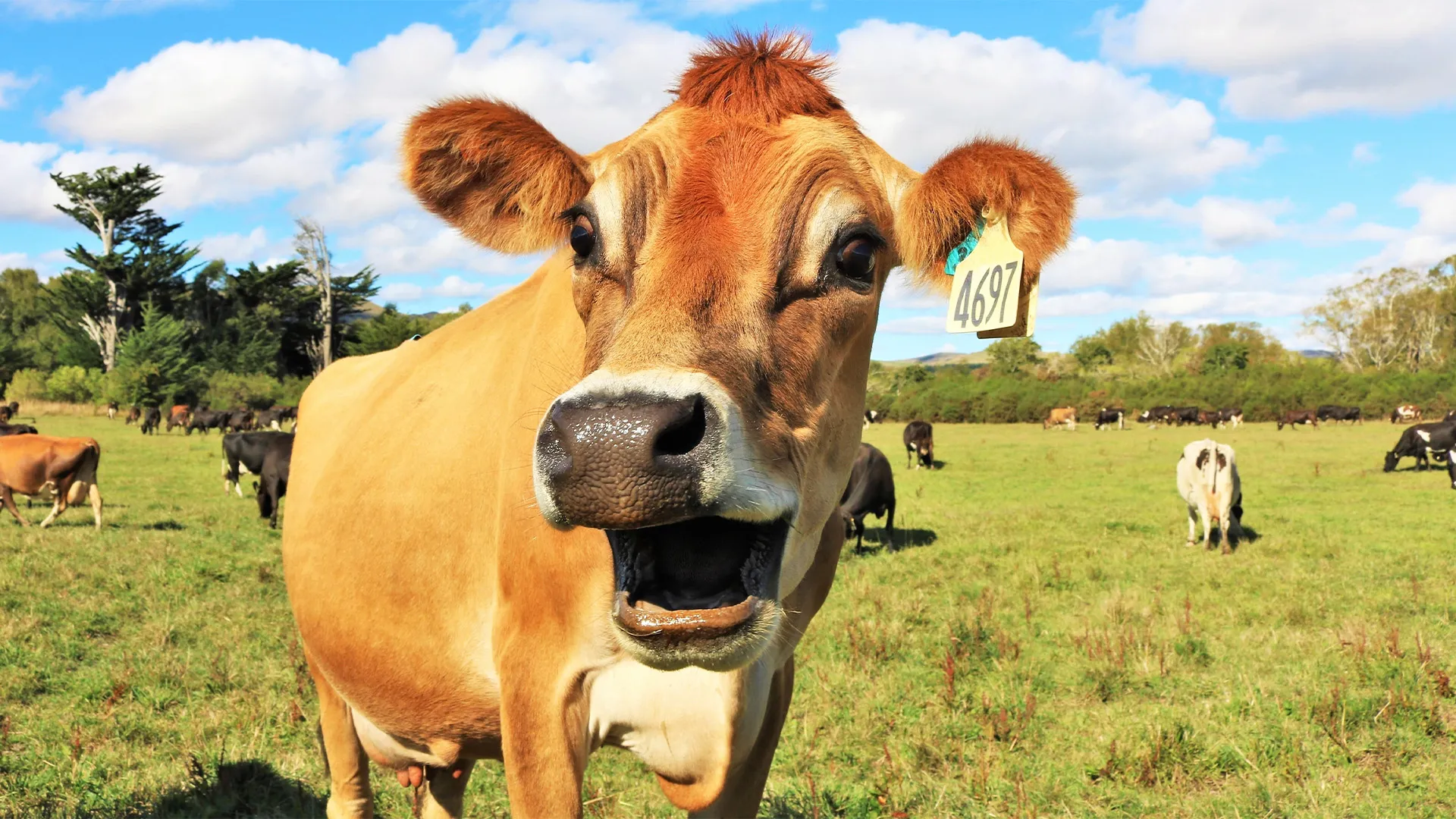
Holy Cow
Meaning: Used to express surprise, excitement, shock, or disbelief, as in “Holy cow, I didn’t think we’d finish in time!”
History: The phrase shows up in American print as early as 1905, in a letter to the Minneapolis Journal. It’s thought to be a minced oath, or milder substitute for stronger religious exclamations. The expression might also be tied to the idea of cows being sacred in some religions like Hinduism.
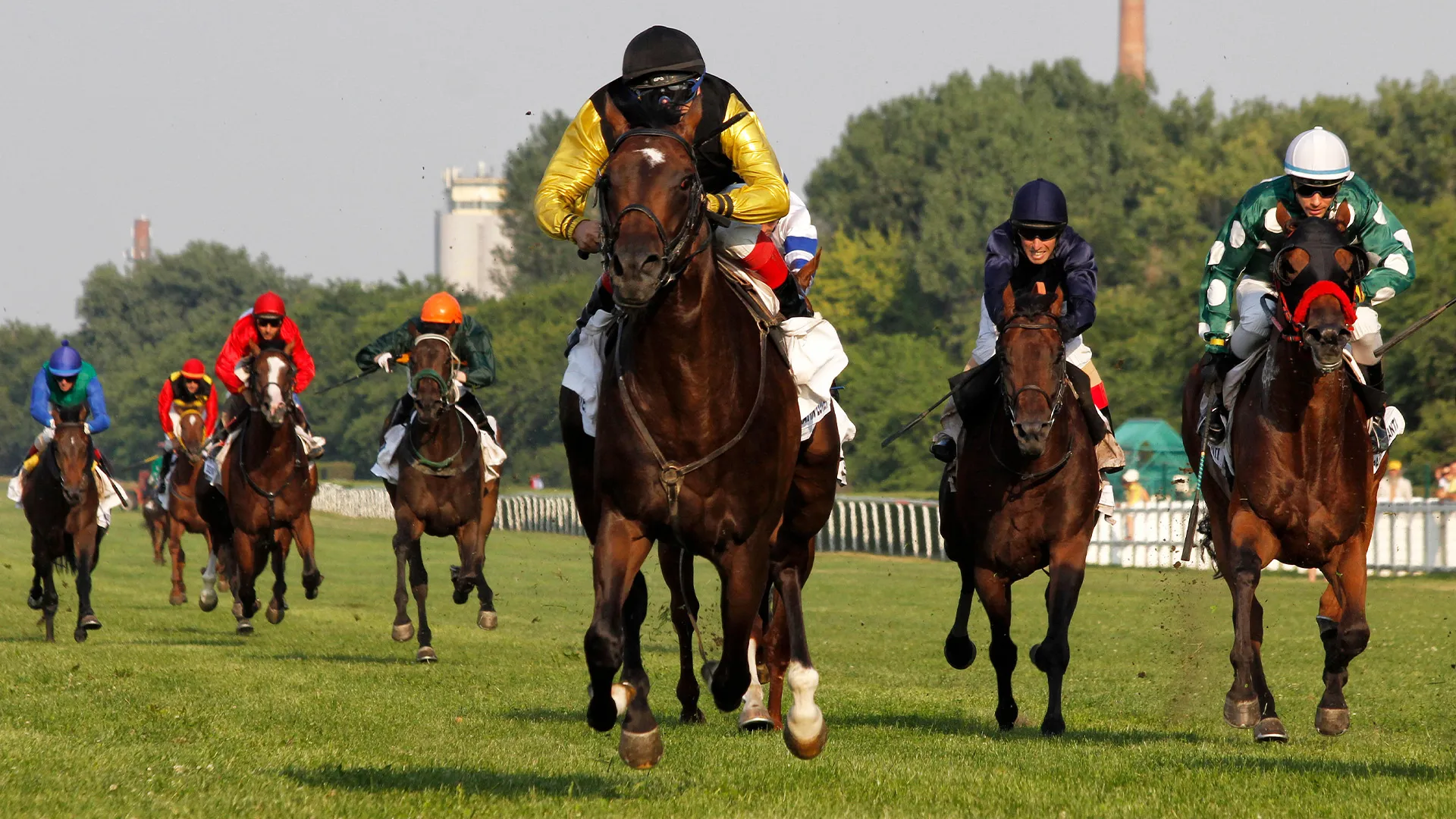
Dark Horse
Meaning: A surprising contender who succeeds or outright wins, often catching everyone off guard, as in “She was the dark horse candidate who surprised the pollsters.”
History: The phrase originally comes from horse racing slang, where it referred to a little-known horse that was difficult for bettors to predict. The first recorded use of the term was by Benjamin Disraeli in his 1831 novel The Young Duke, according to the Oxford English Dictionary.
Hog Wild
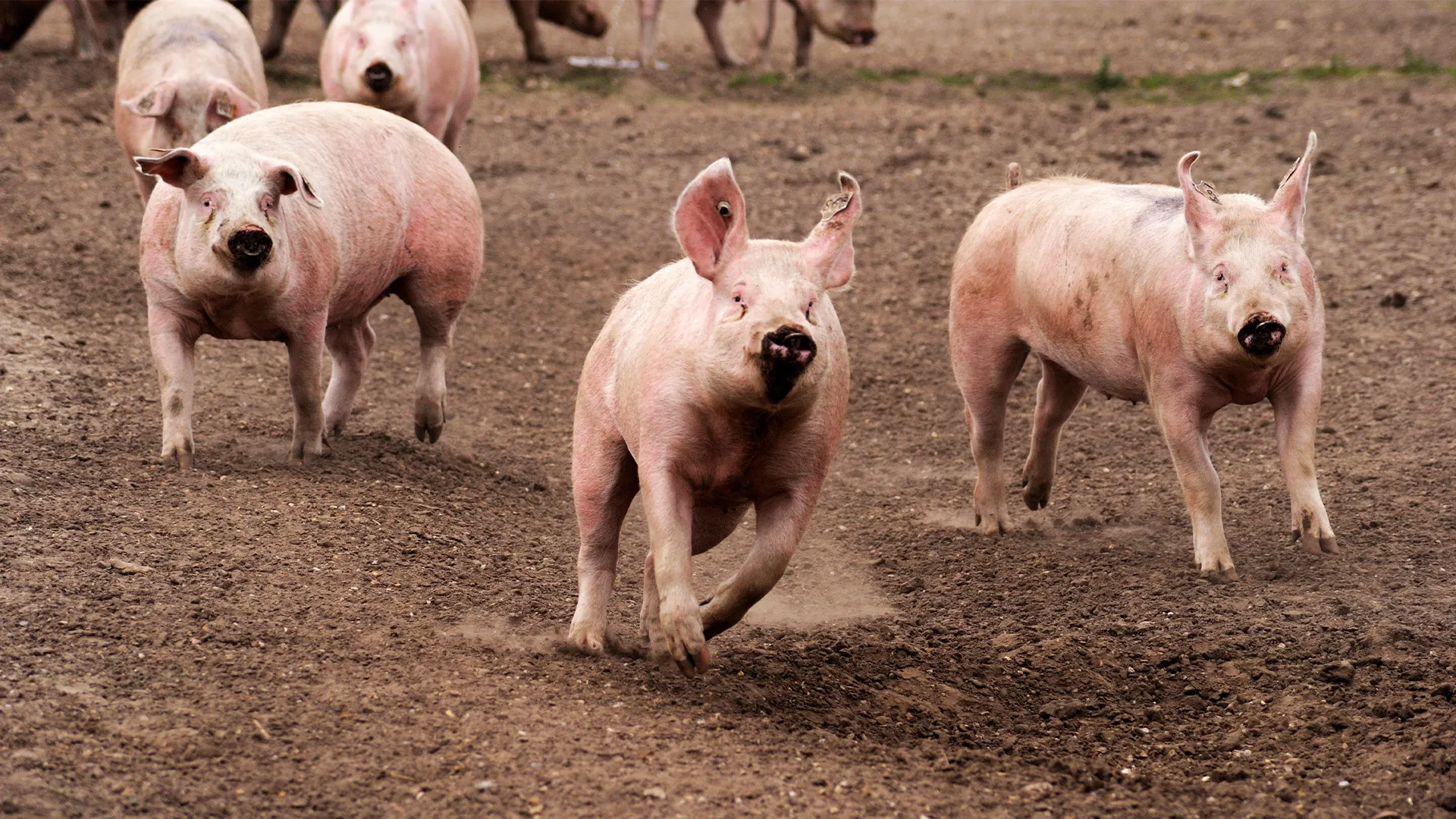
Meaning: Wildly enthusiastic or unrestrained, as in “The kids went hog wild at the candy store.”
History: The American expression traces back to the 1890s and alludes to the unruly, frantic behavior of hogs, especially when they are let out of their pens. The earliest recorded use of hog wild comes from 1893, when it appeared in the Galveston Daily News, according to the Oxford English Dictionary.
Pecking Order
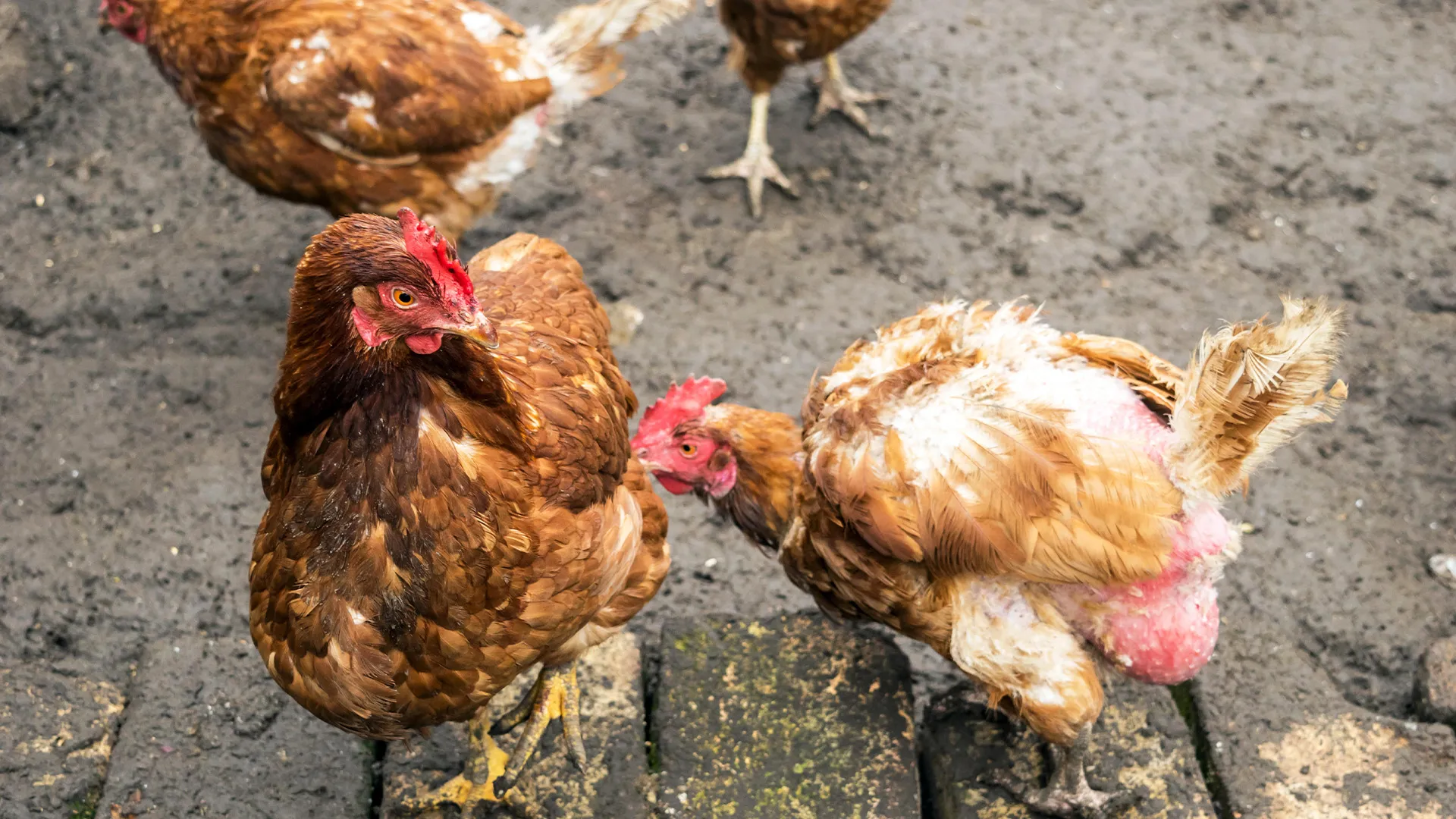
Meaning: Pecking order describes a sort of social structure or hierarchy, as in “Being summer interns, they were pretty low in the department’s pecking order.”
History: As noted by Discover Magazine, the term originated in the 1920s from Norwegian scientist Thorleif Schjelderup-Ebbe’s study of domestic chickens. He observed that dominant birds literally pecked lower-ranking ones to assert their dominance. This natural behavior was later used metaphorically to describe human hierarchies and social status within groups.
Horsefeathers
Meaning: A term used to call out nonsense—similar to rubbish or balderdash, as in “Horsefeathers! Don’t believe everything you see online.”
History: Horsefeathers was part of 1920s American slang that used colorful, outlandish phrases to describe nonsense. The Comics Journal notes the expression was popularized by Billy De Beck, who used it in his Barney Google comic strip as a euphemism for poppycock or something utterly ridiculous.