
James Herriot’s Son on the Real Stories Behind All Creatures Great and Small
The son of author and rural veterinarian James “Alf” Wight (known to readers as James Herriot) shares childhood stories, from the arrival of his sister Rosie to early days spent accompanying his father on rounds. Jim Wight tells MASTERPIECE on PBS what it was really like growing up in Northern Yorkshire and what the TV series All Creatures Great and Small gets right about his father.
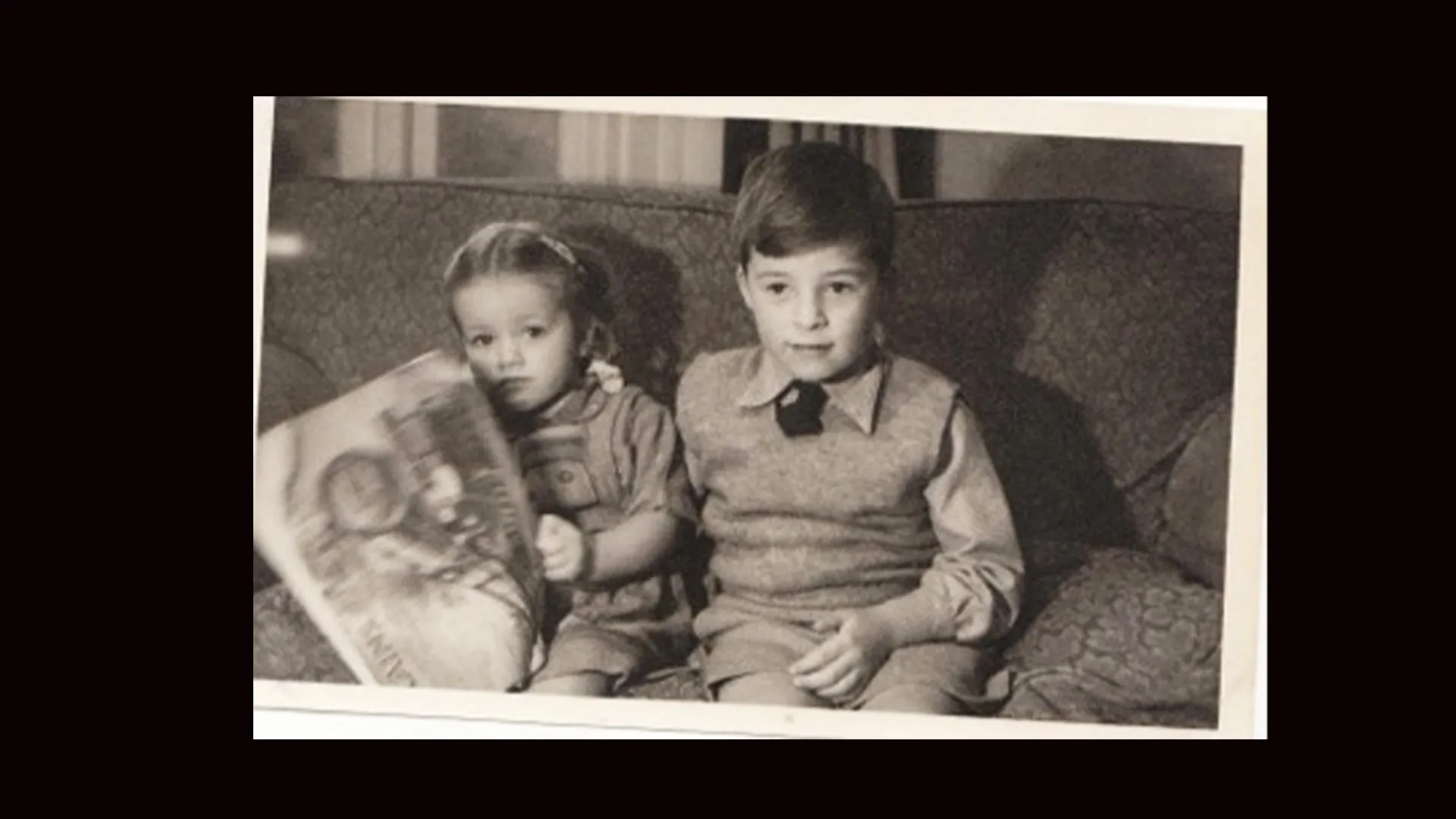
Rosie and Jim Wight as young children
MASTERPIECE:
The fictional Skeldale household was really located at 23 Kirkgate in Thirsk. When you close your eyes and think back to your early life there, what specific room—or maybe it's something else—first comes to mind, and why?
Jim Wight:
Well, a lot of rooms come to mind—I mean, the whole place. I left there when I was 10 years old and ... I remember very well running about that great big house. My memories are very happy, but they're very, very cold as well. We were always freezing cold in the winters there. Snow, ice on the inside of your bedroom windows. I remember running about in short trousers one day. I wasn’t allowed to wear long trousers until I was about 12 or 13. My father saying, "Are you cold, Jimmy?" I said, "Yes, I'm freezing cold." And he said, "Well, run, Jimmy, run!” This is in my own house—just run! My goodness me, yes. He was a fun and very loving father.
I always think my definition of a good parent is one who has a lot of time for their kids. And he did, even though he was working flat out—really, really hard. When I was running around as a little boy he was doing every night on call. It's pretty incredible that, isn't it? But he still had time to look after Rosie and me and spend time with us.
MASTERPIECE:
You have said that home was pretty basic. How did the family's rooms double up as rooms for the veterinary practice?
Jim Wight:
What you see in the museum [23 Kirkgate is now The World of James Herriot museum] is a veterinary practice and a family home rolled into one. And of course, this just couldn’t happen in modern veterinary practice. You must remember that dogs and cats in those days were just a sideline. It was 85 to 90% agricultural work—cows, pigs, sheep. So, we didn't need a waiting room. We didn't need an operating theater. We didn't need consulting rooms. We didn't need kennels and preparation rooms. But during my childhood, they did double up. I mean, the room where the farmers came in to pay their bills, was doubled up as our best room where we'd entertain guests and had dinner. It's absolutely incredible when you think about it.
MASTERPIECE:
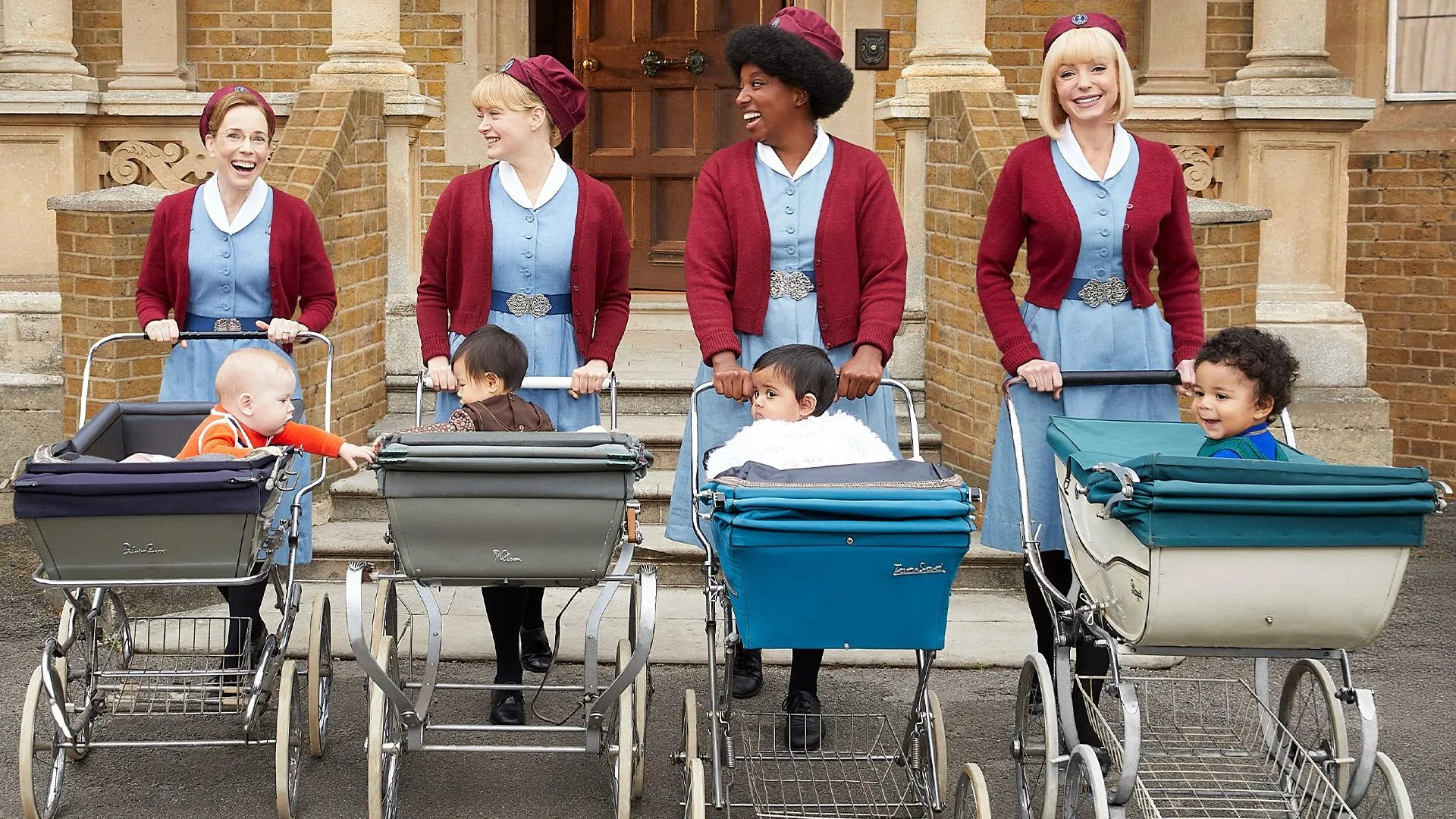
Your little sister joins the show in Season 6. What’s your earliest memory of baby Rosie's arrival?
Jim Wight:
When Rosie arrived, what I remember is that I had a little Jeep given to me, a little pedal car. And I was told that Rosie brought that. So, that set me off—obviously, I looked very benevolently upon my sister for this sort of thing, and that's the thing that I remember. Between Rosie and I to this day, we've been very fortunate in that we've hardly ever had a cross word.
MASTERPIECE:
Let’s talk about Donald Sinclair, the real-life inspiration for Siegfried Farnon. You’ve said Donald had all the time in the world for small children. What did he teach you?
Jim Wight:
Yes, he was really good with kids. I went out on rounds with Uncle Donald, as he was called to me. I went around the farms a lot with him as well as my father.
One thing he did say all the time to us was, "Always be courteous to your customers. You must remember, never talk down to people.” Donald never ever talked down to anybody, neither did my father. Uncle Donald said, "Just because when you become a vet you think you'll have a degree and you think you're going to be superior to a farmer; you're not. You will learn something from farmers every day."
MASTERPIECE:
How old were you when you started going on rounds with your dad? And what do you most remember about riding in the car with him?
Jim Wight:
I was three when I started. By the time I was five, I thought I was pretty well fully qualified. I'd seen it all. I'd seen a lot. We were doing 15 or 20 calls a day.
I remember very, very well suffering agonies of cold in my father’s cars. Winter, in a car with no heater, holes in the floor. Small children feel the cold very much in their extremities—fingers and toes. And my dad used to say, "Wiggle your toes in your Wellingtons, Jimmy. Wiggle your toes; try and get warm."
My poor father, honestly, had so much on his mind in those early days working all the hours God sent. And he has me talking non-stop. It was either, “Where are we going, dad? Oh, a calving. Oh, great. Can I go on the end of the rope?” “Fine.” “Thanks!” Or I’m asking him questions like, "What's the fastest, dad, a phantom motorbike or a magic train?" This sort of stuff. "Dad, dad, dad, dad, what's the fastest dad? Dad?"
MASTERPIECE:
Tell us what kind of jobs your dad gave you when you went on these rounds.
Jim Wight:
Our big job was gate opening. That was very, very important. You weren’t getting paid when you were in the car really; that was the trouble—it wasn’t economical. And in those days, some of these farms had six or seven gates to open and shut to get through to them. Many of the gates were about completely, well, broken down, held together with bits of string. Imagine you’ve got to stop at the gate, get out, open the gate, drive through, close the gate, get back in the car. Now, if you've got a little assistant there to leap out and open and close the gates, that was terrific. So, that was the first thing: Gate opening.
And the second thing was running back to the car to get him his [medicines]. We loved that. Getting to the car, opening the bag. And when there were calving cases—not that I made any difference at all—but I would love to get on the rope’s end and help to pull the calf out. I had no strength at those very young ages, but it was all great fun.
MASTERPIECE:
Did you have a favorite farm or farmer that you liked to visit back then?
Jim Wight:
Yes, I had favorite farms, because I used to know a lot of the farm kids. And of course, when we got on the farm, if my dad was having a long time at stitching something up or something, we’re getting a bit bored. We’d be playing on the tractors and on the haystacks and this sort of thing. There were favorite farms. Yes, there were. And it's very nostalgic for me to look back, because these farms have all disappeared, you see. It's not the same.
MASTERPIECE:
On these rounds with your dad, was there a memorable case that made a really deep impression on you as a young child?
Jim Wight:
Well, it was a dramatic profession. There were dramatic things happening all the time. I remember my father, stripped to the waist, contorting himself, pulling calves out of cows. It's very, very strenuous work. I remember being full of admiration. And I remember his own satisfaction, because he always loved obstetrics. He loved bringing life into the world. And I loved watching that because he was so good at it.