A population of chimps in Ivory Coast’s Taï forest is at risk of being wiped out by a frightening new threat—a diverse strain of anthrax.
Scientists believe that the strain, Bacillus cereus , causes around 40% of all wild mammal deaths in the forest and will likely extinguish this group of chimps in the next 150 years.
Fabian Leendertz, a researcher at the Robert Koch Institute, first noticed that the chimpanzees were dying in 2001, and, to his surprise, discovered that the bacterium anthrax was killing them. He originally thought the culprit was
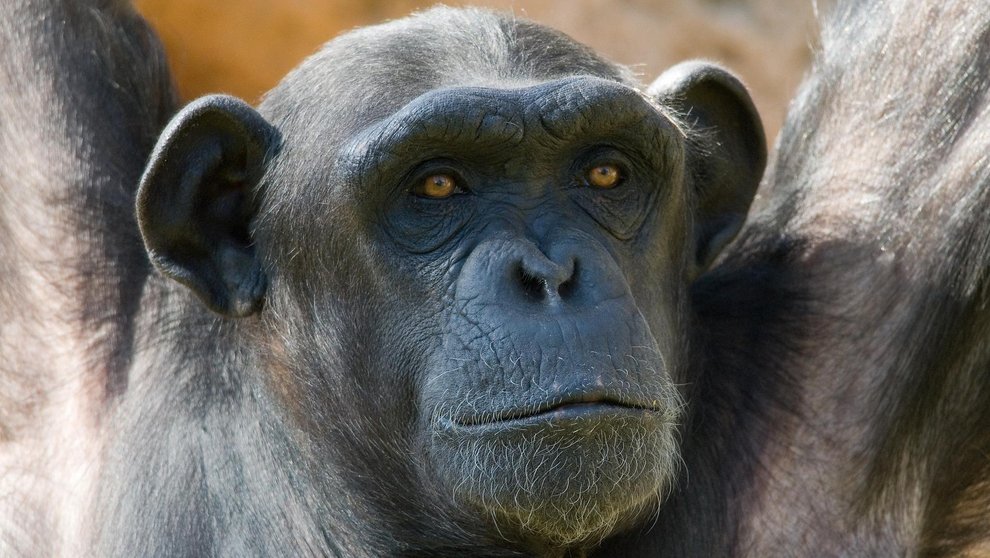
Leendertz’s team found the strain in 81 of 204 animal carcasses spanning 20 different species and found over the course of 25 years in the Taï. The researchers believe that there is a very good chance that the infection eventually will kill the remaining 400 of the forest’s chimpanzees.

Chimpanzees have already disappeared from four African countries, according to the World Wildlife Foundation, and the wild population has shrunk and fragmented in recent decades. Habitat loss and hunting have taken their toll, as has Ebola.
While scientists have injected some chimps with a vaccine, it’s not easy to capture them, and the vaccine wears off over time. On top of that, scientists still understand little about how the infection spreads and how it works.
Here’s Ed Young reporting for The Atlantic :
“‘It definitely challenges our understanding of how anthrax works,’ says Katie Hampson from the University of Glasgow, who has studied the disease in Africa before. ‘We know almost nothing about anthrax in rainforest settings.’”
The bacterium doesn’t just infect the chimpanzees. Beyond killing other wildlife, it’s possible it’s spreading to local humans, who eat chimpanzee meat and don’t have the tools to properly diagnose an anthrax infection.
