
Read Transcript EXPAND
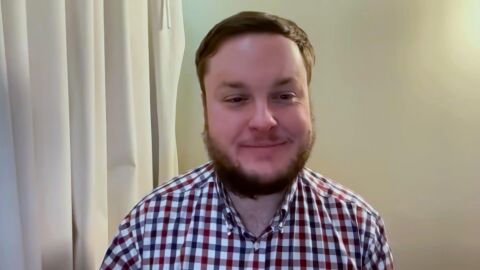
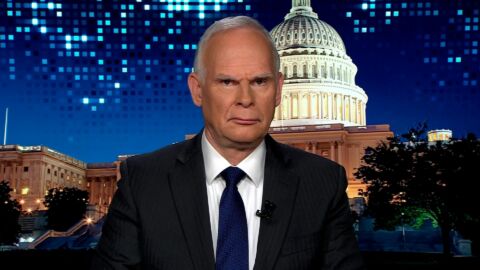
PAULA NEWTON: In the U.S., the country is still reeling from the fallout of the Epstein files, which ensnared the world’s elite — including CEOs, a former prince and even President Trump. But despite millions of pages being released, an NPR investigation reveals the Justice Department withheld or removed a number of allegations involving the president. Stephen Fowler is the reporter who broke that story, and he tells Michel Martin how he uncovered the discrepancies and what this suggests about the DOJ’s handling of the files.
MICHEL MARTIN: Thanks Paula. Stephen Fowler, thanks so much for joining us.
STEPHEN FOWLER: Thanks for having me.
MARTIN: So you’re NPR’s lead on the Epstein files. You’ve been combing through what, like 3 million different file, 3 million pages, there’s no table of contents, there’s no sort of order to it. But there’s something that made you think there was something missing that you couldn’t just attribute to over redaction or confusion or disarray. So what was it?
FOWLER: There was this PowerPoint that the Justice Department put together in late July and August of last year about the Maxwell and Epstein cases. And in that PowerPoint was a slide that talked about prominent names. Atop the prominent names was President Trump. And under his name there were two different women that had allegations or accusations that mentioned him. There was one that had a very salacious claim that said four decades ago he sexually abused her when she was a minor.
There was this second allegation from a woman who said when she was a teenager and accompanying Epstein on travel, she met Trump at his Mar-a-Lago club. And there were some remarks made about, Isn’t this a good one?
And what stood out was that for the first claim, the claim that the president of the United States sexually abused a minor, there was only one other mention of that claim in all of the millions of Epstein files that we were able to look at. And it was part of a list of claims against the president that the FBI collected. They looked through these claims, many of them were marked as unverifiable or not credible or, you know, couldn’t be tracked down. But this claim said that it was enough to be sent to a field office for further investigation. And doing a little bit more digging, we found that interview that took place, but there was no information about that claim against Trump. So there were a lot of missing pieces.
MARTIN: Ultimately you figured out that the FBI had interviewed one of the complainants several times. How did you figure that out? Because those interviews are not in the file.
FOWLER: There are several sets of stamps on the bottom of all of these documents in the Epstein files. The most common is EFTA and then a multiple digit number. That’s the Epstein Files Transparency Act, which is the law that President Trump signed to release the files. This tracking number is a sequential order of documents that are released.
Now, this FBI interview with this woman who made this accusation had three stamps. There was another set of stamps that had a tracking number for non-testifying witness documents that were handed over in the criminal case for Ghislaine Maxwell. And then there was a second set of stamps in the middle. And looking at those numbers in order, you found as the bottom stamp increased by one to go to the next file, the top stamp increased by six, suggesting that there were other documents there. And that middle stamp went up by 53. So you have these numbers that suggest there were multiple documents of multiple dozens of pages in the Justice Department’s possession that were not made available to the American public.
MARTIN: And the law requires what? Does the law require that these documents be made available to the public?
FOWLER: There are a few exceptions. There are things that can be redacted and withheld to protect victim’s personal information. And the redactions have been a little hit or miss that we’ve found. We’ve found victims’ names that have been included and other information. The Justice Department has also taken down and republished things that fit that bill. At the same time, there are a few ways that documents could be withheld. The Justice Department says it’s, if it’s a duplicate file through all of these cases, if it’s something that is a privileged document of information dealing with their deliberative process and things. Or if it’s part of an ongoing federal investigation. And it’s not clear that any one of those three withholding principles apply to any of these documents. We asked the Justice Department, they did not answer specifics about these documents or some of the other things that we found. So like many things with the Epstein files, Michel, we just don’t know.
MARTIN: And it is important to point out that being mentioned in these files does not mean that you engaged in wrongdoing or some criminal activity. But the fact that the FBI interviewed this witness multiple times suggests that they felt there was a reason to interview this witness multiple times. Do we have access to, or did you see, any of those interviews?
FOWLER: The only interview that’s in the files is the first of four interviews. And we know because there is an FBI case log called a serial report and this witness testimony document log that was handed over in the Maxwell case. We know that there were four conversations. We know that they took place over a several month span. We know that the first one does not mention this specific salacious allegation against Donald Trump. And we know that the other three are not there.
We have the beginnings of this story in the initial conversation and the tip that was called in. We have some semblance of the end of this story in that it made it into a Justice Department PowerPoint about the case. But there’s so much missing in between that we just don’t know. And to your point about being mentioned in the files, there are a number of incredibly salacious and incredibly untrue things about Donald Trump and others that are in the files. But they are in the files. They are released in their entirety. And you can read them and evaluate them and see that investigators didn’t find anything there. This is the exception.
MARTIN: And so, needless to say, you asked the White House about this and when you did, what did they say?
FOWLER: The White House has been pretty consistent in defending how they have handled the Epstein files and the calls to release the files and the law. A White House spokeswoman said that President Trump has been totally exonerated by the files and said that he has done more for Epstein survivors than anyone ever before him, pointing to the signing of this law that made things public among other things. And so they are confident that how these files have been released and what they say is no sign of wrongdoing.
MARTIN: Okay, but what happened to those files? I mean, what are they saying about those specific files?
FOWLER: The White House doesn’t answer. The White House has directed to the Justice Department. The Justice Department has not answered us, have not answered other media outlets that have asked, and they haven’t answered members of Congress that are asking. The ranking member of the House Oversight Committee Robert Garcia sent a letter to Attorney General Pam Bondi asking for more answers because he ticked through those exceptions for the files to be made public. And he said, it doesn’t appear to be a duplicate because you can’t duplicate zero. He said, it doesn’t seem that there’s anything privileged in these documents. So he asked the Attorney General to answer point blank if there is an ongoing federal investigation into the President of the United States. And we don’t have those answers. But what we also have is Republican House Oversight Committee, James Comer, told reporters last week that he was looking into the reporting that NPR did and he was still trying to get answers from the White House and Justice Department too.
MARTIN: What are they gonna do to follow up on this? I mean, do they at least credit your reporting that says that these files are indeed missing, that they are nowhere else to be found? Do they at least acknowledge that that is true?
FOWLER: Well, I have spoken with members of the House Oversight Committee on the Democratic side who have sent the letter and asked follow up questions of the Attorney General. Outside of the Clinton’s deposition testimony there was question and answer from reporters. Somebody asked about the FBI files and if they were concerned there was a coverup. And that is where Chairman Comer said that he saw the report and was looking into it.
But you also have to remember for this, that in many ways members of Congress are just as in the dark about what is in these files and what’s happening as the American public. They have done their own separate investigation. That’s how we were able to have emails and other documents from Epstein’s estate in previous months. They are running a parallel investigation to anything that have happened with the Justice Department. And as the Justice Department has allowed members of Congress to go in and look at the unredacted files, we have seen lawmakers from both sides of the aisle say there’s information that’s still redacted even for us. There’s questions even for us. And so the Venn diagram overlap of what the Justice Department knows, what lawmakers know and what the American public knows is smaller than you would think.
MARTIN: But you know what’s interesting though is you talked about redactions…this doesn’t seem like redactions. This seems like entire documents were removed. That’s what I’m hearing you say, which means if that’s the case that if members of Congress go back into these secure areas and try to look at these documents, it doesn’t seem as though they will be there.
FOWLER: No. And that’s what we found when this reporting came out, you had members of Congress say, we were looking into this, we were looking to these allegations. There are no documents for us to look at because they are not included in the files.
So you have two things going on here. You have the withholding of documents that were never made public, and there’s the pressure to push to have these made public. And then you have, separately, other mentions of President Trump from this second accuser who said she met Trump at Mar-a-Lago when she was a teenager being abused that were up and then down and then put back up again in some cases haven’t been put back up again. And so the public record about these two specific claims is much less than what it should be under the law and what lawmakers say it should be. And what — depending on the day and time you look at the files it’s a different story.
MARTIN: Okay. So just to be clear, the White House has responded to this specific, this specific circumstance by saying, as they have done before that “President Trump has done more for Epstein’s victims than anybody before him by signing the law,” which he didn’t wanna sign. It has to be said. But at at this point, what I think I hear you saying is that they’re going back and forth between the White House and the Justice Department and the Justice Department has been non-responsive. Is that accurate?
FOWLER: Right.
MARTIN: That’s it.
FOWLER: Right. Because this is a, this is a criminal investigation that has turned into a political problem. On the campaign trail when I was following President Trump on the campaign trail, releasing the Epstein files was part of a message that there was a group of powerful people in control hiding the truth about the Epstein files or other things. And that if you brought him into office, he was going to unveil the truth and figure out and release the files. And what we have seen over the past year or so is an ever changing story from Trump and from the FBI and from others who made those claims. And it’s become a political problem, not just with Democrats or independents or people that might not necessarily be predisposed to like the President’s policies, but we have seen major crack ups in the Make America Great Again movement and mentality because now I have talked to many Republicans and Trump supporters who feel that the President is the powerful person that is holding the truth from the American people. And that when you take the seriousness of the accusations against Epstein and Maxwell and other things mentioned in there, is just a combination where nobody is going to be satisfied because it’s a political problem of a criminal investigation with real people’s stories pushed by the wayside.
MARTIN: You just told us that members of Congress have now opened inquiries into how the Justice Department has handled the release. But realistically, realistically, what lever do they have to compel the release of these documents?
FOWLER: Previously there have been the idea of floating contempt against the Attorney General or opening up other things. I mean, the Democrats on the House Committee say that they have a standing subpoena for information and that this might violate the subpoena and might violate their oversight powers. But really what we have seen is that there is a public pressure campaign that has emerged from this, from the reporting of people like Roger Sollenberger, the independent journalist who first found a discrepancy, to NPR’s reporting, to then other stories getting picked up on by the New York Times and the Wall Street Journal and others, is that this has entered the public consciousness and public conversation. You had Epstein survivors at the State of the Union highlighting this. And so it’s hard to say what’s going to happen. It’s hard to say what’s in the files that we haven’t seen. It’s hard to say what’s in the 3 million files that do exist out there. But this is something that is not going to go away because of the circumstances around what was promised and how those promises might not have been kept.
MARTIN: So before we let you go, in addition to this story, you’ve reported on the FBI’s seizure of 2020 election materials in Georgia where affidavits relied on claims that state investigators had already examined. And so when you look at these stories which sort of touch on how law enforcement is proceeding under what prompts and with what degree of thoroughness, do you see a sort of a pattern here or do you see any through line in how law enforcement is responding to these prompts and how the public is responding to that?
FOWLER: There’s certainly a through line over the last decade or so of distrust in public institutions and sort of this shifting of the Overton window of what an investigation is and how it should be conducted based on the person wielding the power.
In 2020 and in 2021, as the election results were done and as the challenges to the election took place, I did a lot of reporting in Georgia where I’m based about the efforts to challenge the results or the false claims about vote counting and things like that. And there was hard documentary evidence of what the truth was, what the people who knew what they were talking about said. And then there was the counter narrative that tried to override that. And I think you’re seeing some of the same things here. One, with the 2020 election being litigated for the sixth year in a row. But two with the Epstein files, where there are the documents, there are the hard evidence and the connecting of the dots and the showing of the work that is budding up against a narrative of power and control and what a conclusion to an investigation might look like before the investigation even starts.
MARTIN: What’s interesting to me is that when it comes to looking at, as you pointed at re-litigating the 2020 election for the sixth year in a row…when it comes to that, it seems like people wanna stick with their side, right? It’s like, you know, you’re for Trump, so therefore you think the election was stolen, right? If you’re not for Trump, then you think, well, no, it wasn’t. It just seems like this Epstein story is different in the sense that this is a situation where people are willing to break with their tribe, as it were. And I was just curious like why you think that is?
FOWLER: Well, I think the thing that makes the Epstein files challenging, Michel, is that most of the documents that have been made public never should have been or would have been made public were it not for this law. You don’t put in the raw ingredients of an investigation and all the unverified and unvetted things. You see the final product, which is charges or not charges and the evidence and the exhibits and everything like that. But kind of opening up 3 million pages to the public to see, you do see a lot of people crafting their own narrative and finding what they want to find in there. But being able to see everything that went into there and the things that aren’t in there, I think have allowed more people to trust the documents that they do see and trust the documents and the evidence that did go in there and kind of evaluate against what that they’re hearing from people in positions of power.
And so, you know, with the 2020 election and with the Epstein files, we have found power showing our work and what we do and documenting the documents and how we found things and how we got it. And that’s one thing why I think my story has resonated so much on both of those topics. But I think it’s something with the public too, is that it is no longer trying to take the words of institutions, whether it be the government or the media — that people don’t trust. It’s, they can also evaluate for themselves and regain trust in those institutions as well.
MARTIN: Stephen Fowler, thank you so much.
FOWLER: Thank you.
About This Episode EXPAND
Fmr. Principal Dep. National Security Adviser Jon Finer weighs in on the US-Israel strikes on Iran that killed Ayatollah Khamenei. Ellie Geranmayeh from the European Council on Foreign Relations on how Europe may respond. Retired Air Force Col. Cedric Leighton explains the military logistics of the operation. Reporter Stephen Fowler found discrepancies in the DOJ’s handling of the Epstein files.
WATCH FULL EPISODE