|
|
 |
The American
Memory collections (http://memory.loc.gov)
of The
Library of Congress (http://www.loc.gov)
offer rich resources for a study of the Civil War. Within
the collections are images, documents and sound recordings
that will help one understand this time and this experience.
The
Library of Congress Learning Page (http://memory.loc.gov/ammem/ndlpedu/index.html)
which was created especially for educators, provides
tips and tricks for using the American Memory collections,
as well as features, activities, and lessons that provide
a context for using the collections.
The following is a list of specific American
Memory collections about the Civil War formulated with
cooperation from staff at the Library of Congress.
Civil War Maps
http://memory.loc.gov/ammem/gmdhtml/cwmhtml/cwmhome.html
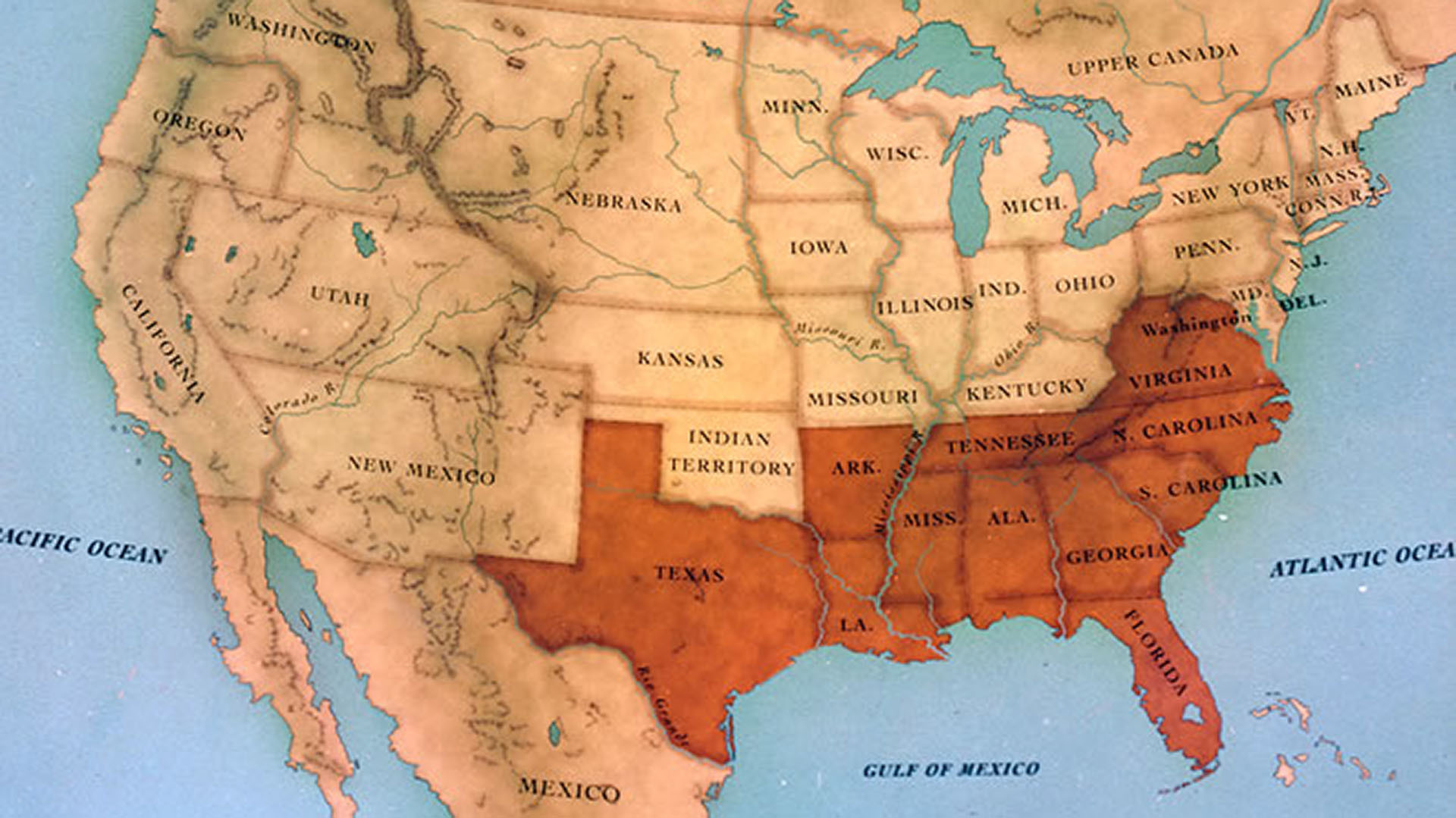
The Civil War Map collection consists of reconnaissance,
sketch, coastal, and theater-of-war maps which depict
troop activities and fortifications during the Civil
War. Part of this selection contains detailed battle
maps that were used by Generals Lee and Jackson and
also maps that depict General Sherman's military campaigns
in Tennessee, Mississippi, Georgia, and the Carolinas.
Civil War Photographs
http://memory.loc.gov/ammem/cwphtml/cwphome.html
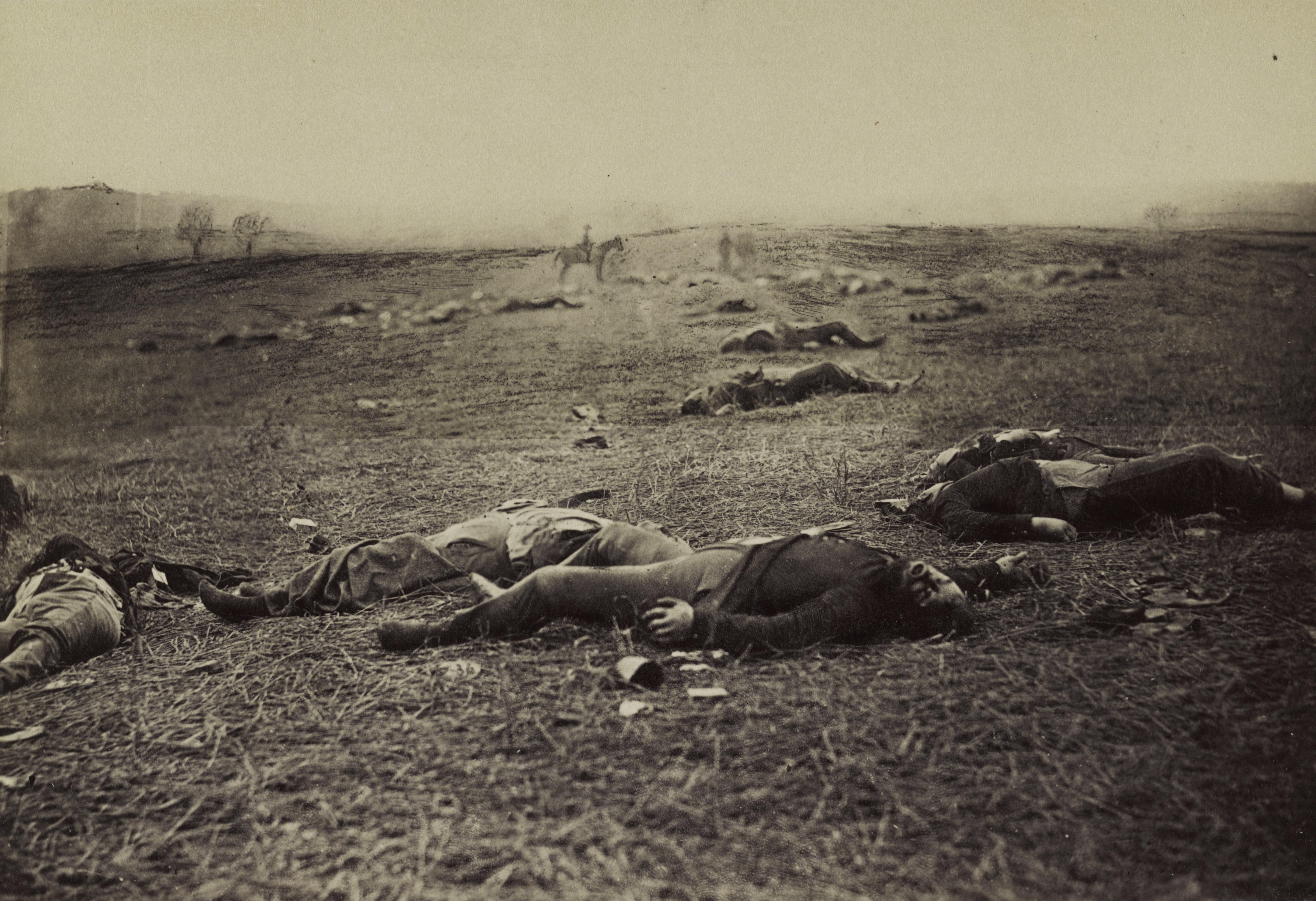
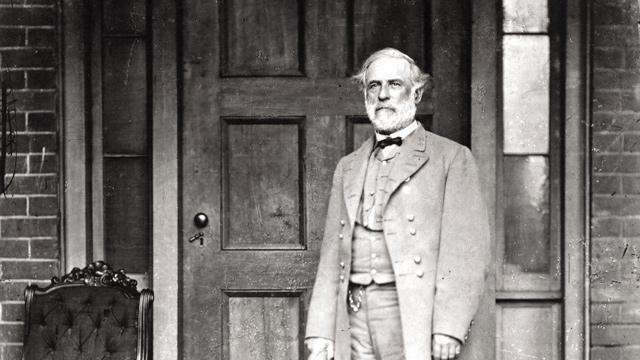
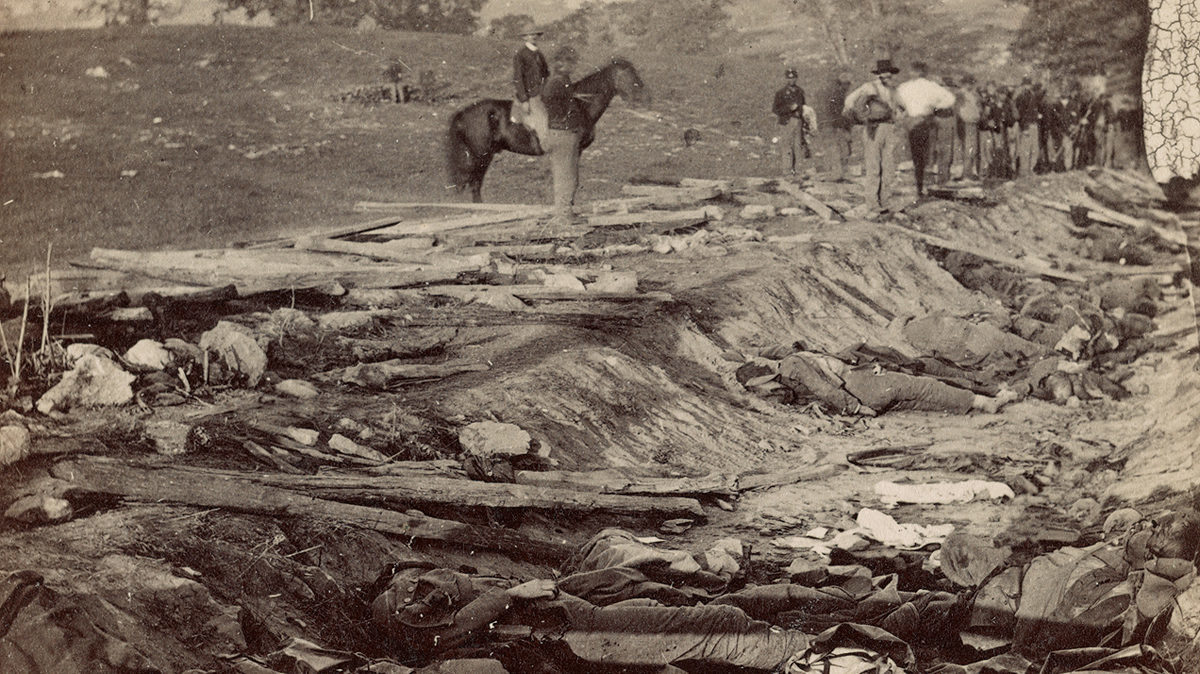
The select collection contains 1,118 photographs. Most
of the images were made under the supervision of Mathew
B. Brady, and include scenes of military personnel,
preparations for battle, battle after-effects portraits
of both Confederate and Union officers, and a selection
of enlisted men.
Civil War Treasures
http://memory.loc.gov/ammem/ndlpcoop/nhihtml/cwnyhshome.html
The images in this digital collection are drawn from
the New-York Historical Society's rich archival collections
that document the Civil War. They include recruiting
posters for New York City regiments of volunteers; stereographic
views documenting the mustering of soldiers and of popular
support for the Union in New York City; photography
showing the war's impact, both in the north and south;
and drawings and writings by ordinary soldiers on both
sides.
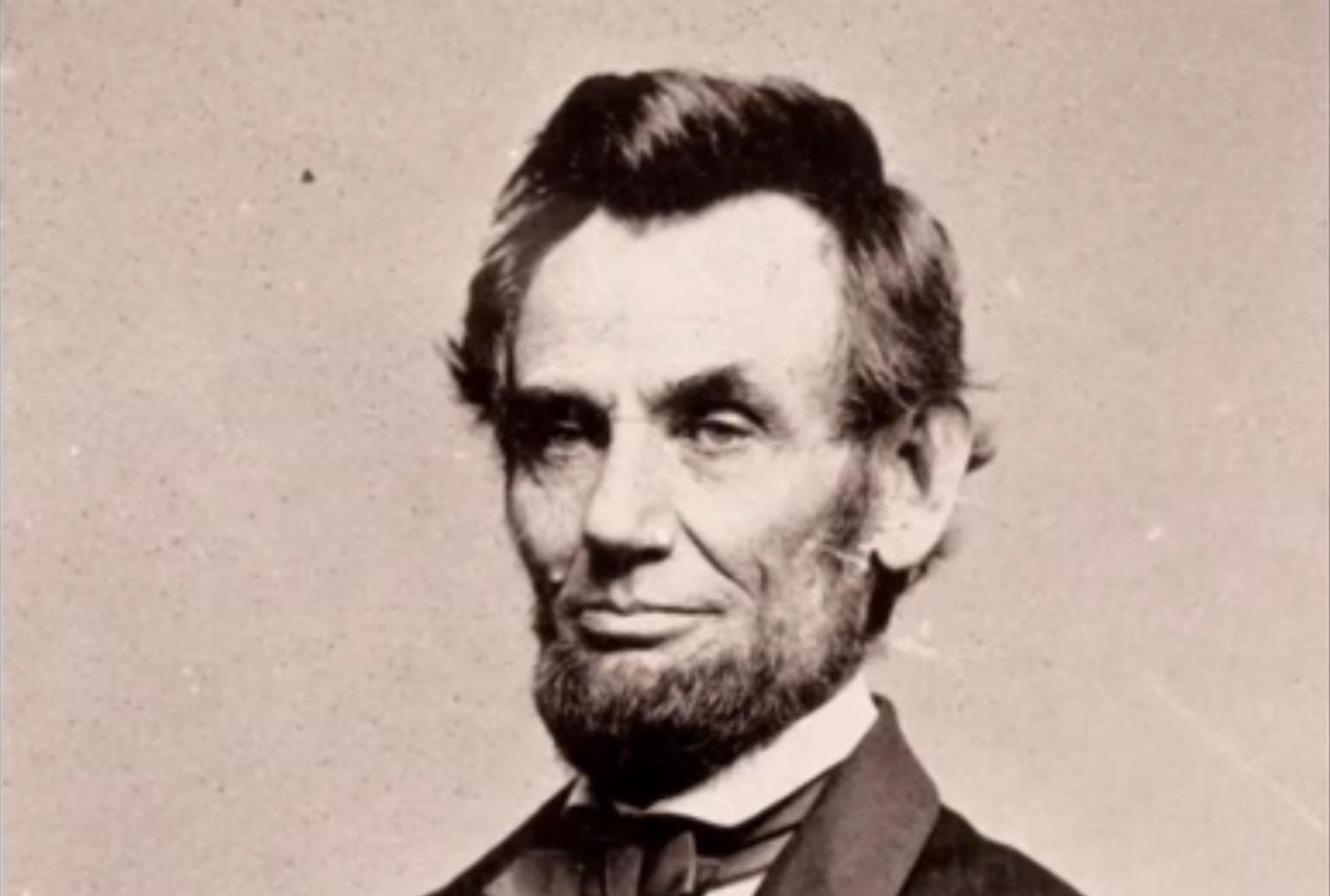
Mr. Lincoln’s Virtual Library
http://memory.loc.gov/ammem/alhtml/
Mr. Lincoln's Virtual Library highlights two collections
at the Library of Congress that illuminate the life
of the sixteenth president of the United States. The
Abraham Lincoln Papers housed in the Manuscript Division
contain approximately 20,000 items including correspondence
and papers accumulated primarily during Lincoln's presidency.
"We'll Sing to Abe Our Song!" http://memory.loc.gov/ammem/scsmhtml/scsmhome.html
The online collection, drawn from the Alfred Whital
Stern Collection in the
Rare Book and Special Collections Division, includes
more than two hundred sheet-music compositions that
represent Lincoln and the war as reflected in popular
music.
Lincoln Papers
http://memory.loc.gov/ammem/alhtml/malhome.html
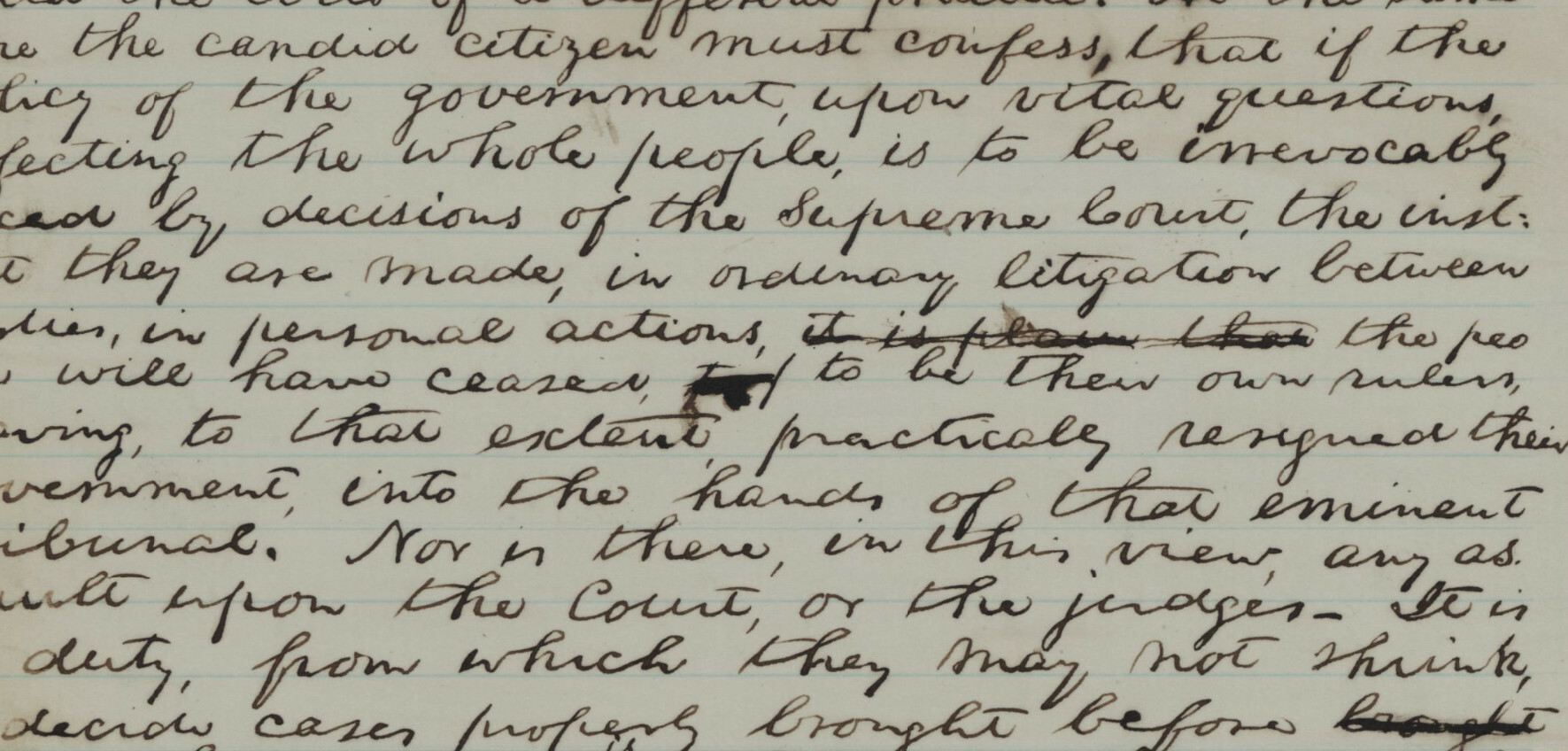
The complete Abraham Lincoln Papers at the Library of
Congress consists of approximately 20,000 documents.
The collection is organized into three "General
Correspondence" series which include incoming and
outgoing correspondence and enclosures, drafts of speeches,
and notes and printed material. Most of the 20,000 items
are from the 1850s through Lincoln's presidential years,
1860-65. These American Memory collections provide background
information to help understand the Civil War.
African American Perspectives
http://memory.loc.gov/ammem/aap/aaphome.html
The Daniel A.P. Murray Pamphlet Collection presents
a panoramic and eclectic review of African-American
history and culture, spanning almost one hundred years
from the early nineteenth through the early twentieth
centuries. Among the authors represented are Frederick
Douglass, Booker T. Washington, Alexander Crummel, and
Emanuel Love.
America’s First Look into the Camera
http://memory.loc.gov/ammem/daghtml/daghome.html
The Library’s daguerreotype collection consists
of more than 725 photographs dating from 1839 to 1864.
Portrait daguerreotypes produced by the Mathew Brady
studio make up the major portion of the collection.
Born in Slavery: Slave Narratives from the Federal Writers'
Project,
1936-1938
http://memory.loc.gov/ammem/snhtml/snhome.html
This collection contains more than 2,300 first-person
accounts of slavery and 500 black-and-white photographs
of former slaves. These narratives were collected in
the 1930s as part of the Federal Writers' Project of
the Works Progress Administration (WPA) and assembled
and microfilmed in 1941 as the seventeen-volume Slave
Narratives: A Folk History of Slavery in the United
States from Interviews with Former Slaves.
From Slavery to Freedom 1824-1909
http://memory.loc.gov/ammem/aapchtml/aapchome.html
From Slavery to Freedom: The African-American Pamphlet
Collection, 1824-1909 presents 397 pamphlets published
from 1824 through 1909, by African-American authors
and others who wrote about slavery, African colonization,
Emancipation, Reconstruction, and related topics. The
materials range from personal accounts and public orations
to organizational reports and legislative speeches.
Historic American Sheet Music: 1850-1920
http://memory.loc.gov/ammem/award97/ncdhtml/hasmhome.html
The collection presents 3,042 pieces of sheet music
presenting a significant perspective on American history
and culture through a variety of music types including,
patriotic and political songs, plantation songs, spirituals,
and songs from World War I. The collection is particularly
strong in antebellum Southern music, Confederate imprints,
and Civil War songs and music.
Narratives of the American South: 1860-1920
http://memory.loc.gov/ammem/award97/ncuhtml/fpnashome.html
This compilation of printed texts from the libraries
at the University of North Carolina at Chapel Hill documents
the culture of the nineteenth-century American South
from the viewpoint of Southerners. It includes the diaries,
autobiographies, memoirs, travel accounts, and ex-slave
narratives of not only prominent individuals, but also
of relatively inaccessible populations: women, African
Americans, enlisted men, laborers, and Native Americans.
The Nineteenth Century in Print: Books
http://memory.loc.gov/ammem/ndlpcoop/moahtml/ncphome.html
This collection comprises books and periodicals published
in the United States during the nineteenth century,
primarily during the second half of the century. The
materials selected illuminate the subject areas of education,
psychology, American history, sociology, religion, and
science and technology.
The Nineteenth Century in Print: Periodicals
http://memory.loc.gov/ammem/ndlpcoop/moahtml/ncphome.html
This collection presents twenty-three popular periodicals
including literary and political magazines, as well
as Scientific American, Manufacturer and Builder,
and Garden and Forest: A Journal of Horticulture,
Landscape Art, and Forestry. The longest run is
for The North American Review, 1815-1900.
Nineteenth-Century Song Sheets
http://memory.loc.gov/ammem/amsshtml/amsshome.html
For most of the nineteenth century, before the advent
of phonograph and radio technologies, Americans learned
the latest songs from printed song sheets. Song sheets
are an early example of a mass medium and today they
offer a unique perspective on the political, social,
and economic life of the time, especially during the
Civil War. Online Civil War Exhibits
The Gettysburg Address
http://lcweb.loc.gov/exhibits/gadd/
From the dozens of Lesson Plans on the Learning
Page come these lessons on the Civil War:
Photojournalism: A Record of War
http://memory.loc.gov/ammem/ndlpedu/lessons/97/photo/home.html
This unit explores how and why war has been photographed
and will also give students an opportunity to see the
bias within the recording and reporting of war.
What Do You See
http://memory.loc.gov/ammem/ndlpedu/lessons/97/civilwar/hinesday.html
Students use skills to analyze photographs and study
how the war was a catalyst to America’s industrial
development.
After Reconstruction: Problems of African Americans
in the South
http://memory.loc.gov/ammem/ndlpedu/lessons/rec/rhome.html
Students use a timeline of African American history
(1852-1925) to identify problems and issues facing African
American immediately after Reconstruction.
The Mathew Brady Bunch: Civil War Newspapers
http://memory.loc.gov/ammem/ndlpedu/lessons/98/brady/home.html
Students become reporters, assigned to sort through
photographs in the Library’s collection and find
one that will bring the war alive to their readers.
|
|